Commercial Roofing for Retail and Restaurant Chains in Aurora, IL
Industries We Serve
Put store-by-store roof conditions on one schedule
A leak at one location can generate a store ticket, a property-manager notice and a service call that do not identify the same roof section. A store ticket is checked against the roof drawing and reported suite; the visit records proven damage and lists any concealed area that still needs a test. The chain receives a defined quantity and consistent closeout information, while the site retains its own access and operating schedule.
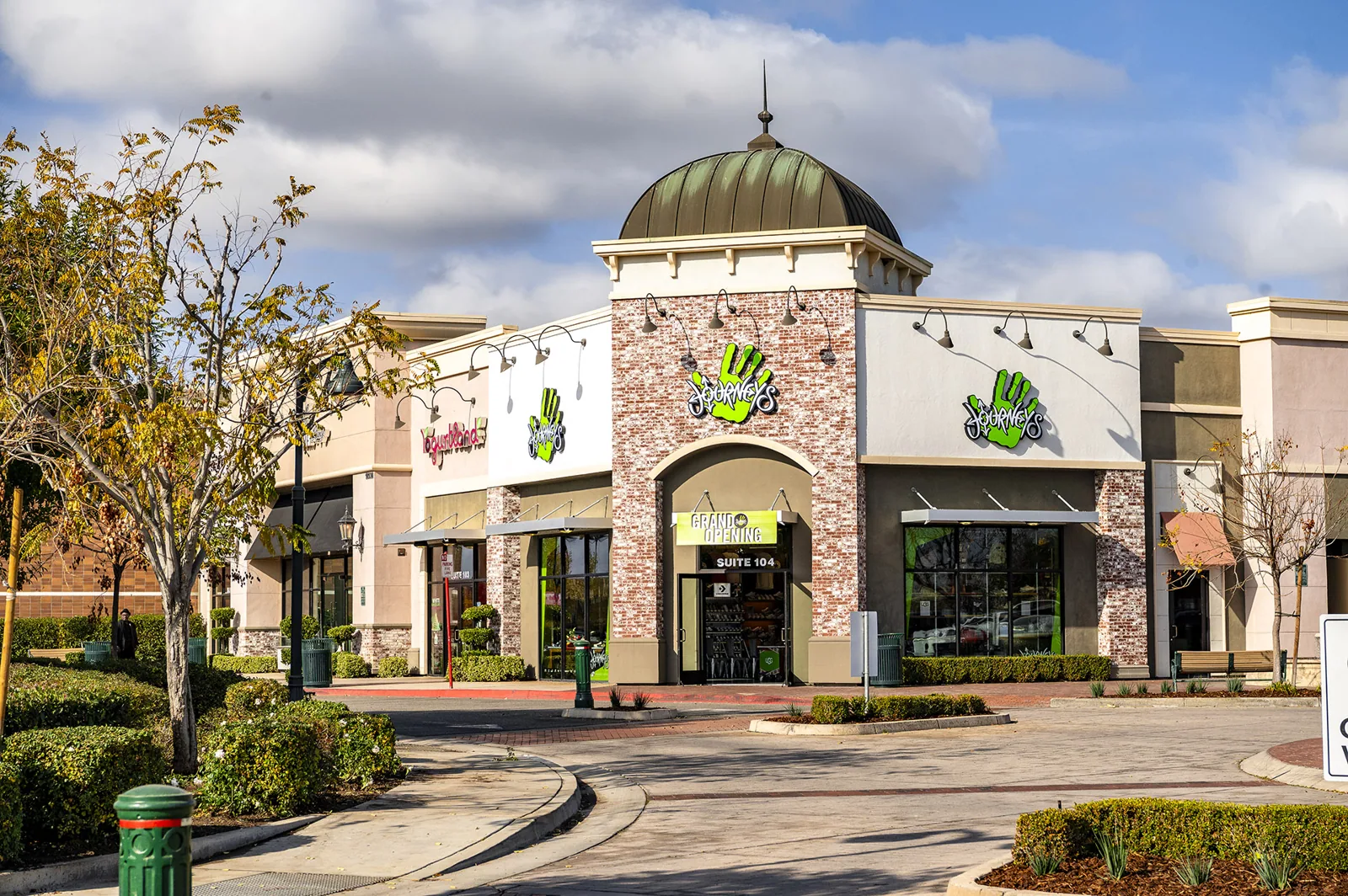
Aurora serves a broad Fox Valley retail and visitor market. Downtown Aurora has more than 50 businesses with dining and entertainment near RiverEdge Park and the Paramount Theatre. Fox Valley Mall's planned district covers the mall and adjacent commercial properties, while Chicago Premium Outlets is an outdoor center with more than 160 stores. These settings affect traffic and access differently. The individual store's roof, tenant rules and delivery hours set the actual repair plan.
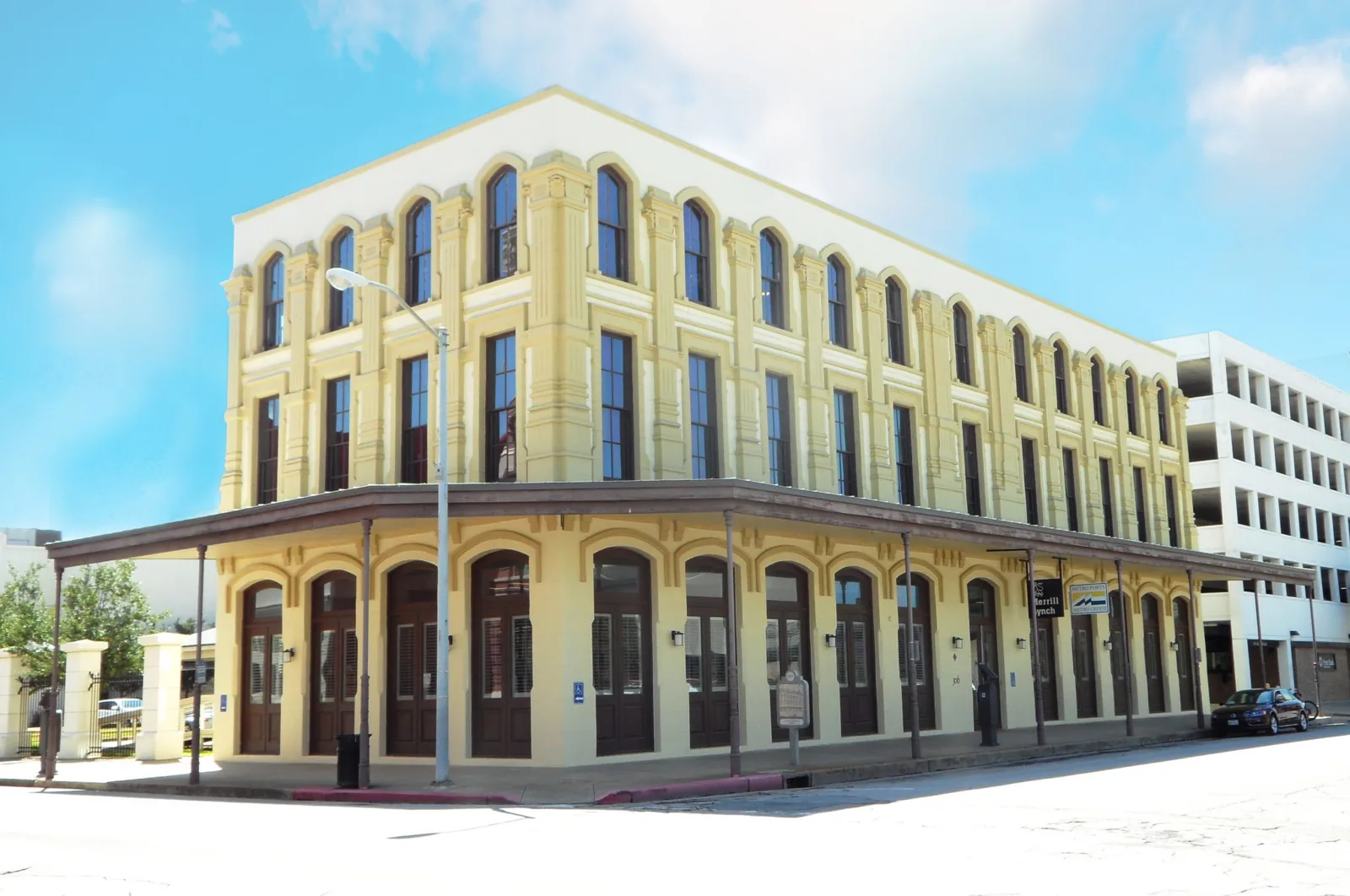
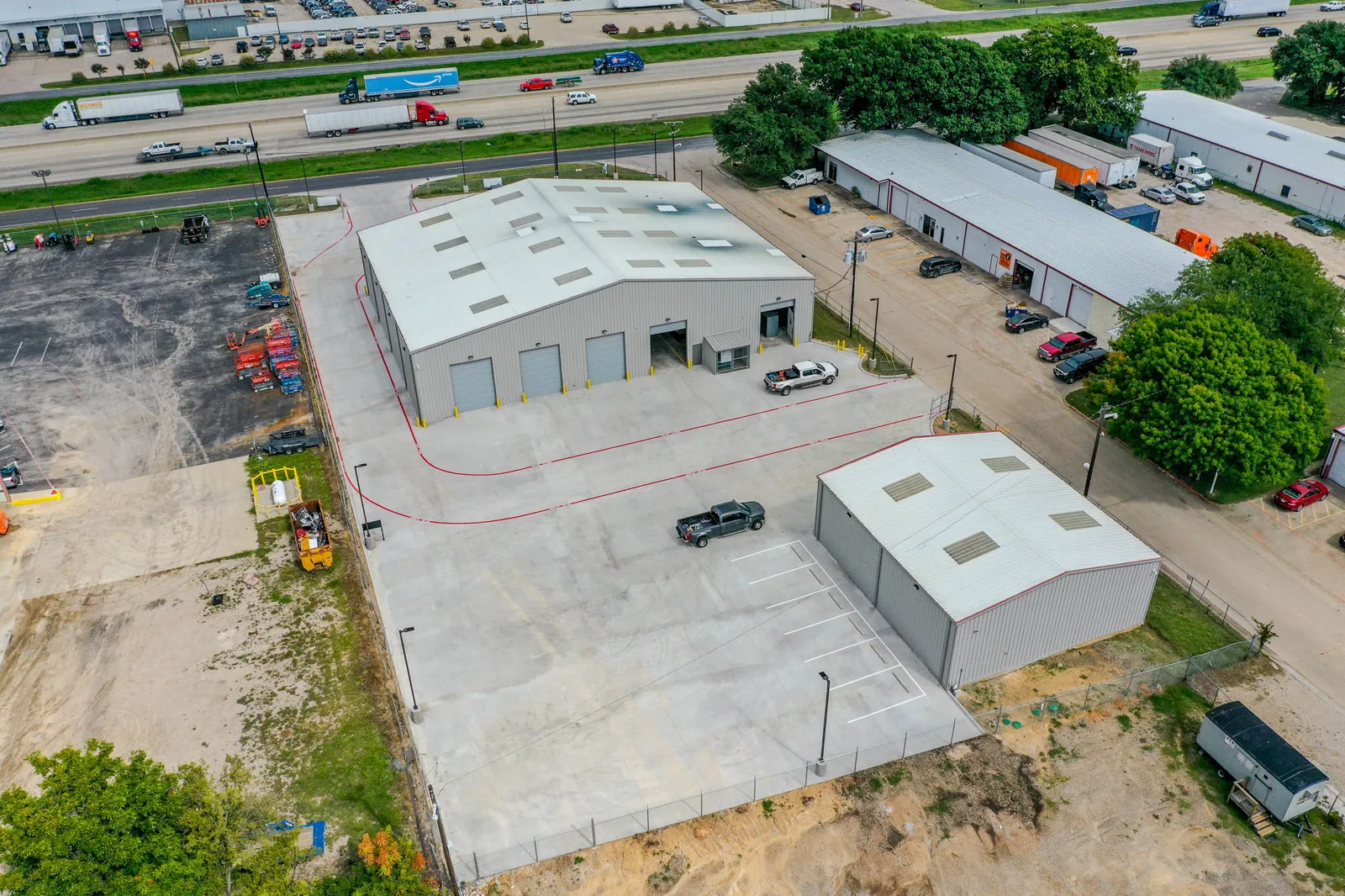
Which store report points to a roof opening?
We review the store number, room or sales zone, active water, report time and prior service ticket, then inspect roof details above and upslope. A stain near a restaurant kitchen may relate to exhaust or refrigeration equipment, while a retail entrance can be below a curb or perimeter transition. We photograph the observed condition and connect it to the section on the roof map. Any area that remains inaccessible is called out.
Moisture may travel within an assembly before reaching the ceiling. Infrared patterns can help select core samples, but tests confirm only the opened locations. We mark that boundary and do not extend a repair quantity into untested roof. A 24-hour response can control active entry; a full inspection records the permanent scope and any additional testing needed across the store's roof.
How can store operations stay predictable?
Store and facilities teams identify opening hours, delivery windows, customer entrances, outdoor seating, loading access and any equipment shutdown authority. We plan staging and roof access around those constraints, then note the active section and any route that needs temporary control. If work affects a kitchen exhaust curb or refrigeration unit, the mechanical handoff is scheduled before flashing is removed. A daily update gives managers a location and completion status they can share.
From May to September, monthly rain often approaches four inches, so a store's dry-in and delivery sequence should track the forecast. At each store, we close the day's opened area to a safe dry-in line, keep runoff routes clear and verify the termination before releasing the work zone. A storm or forecast change may shift which location is worked first, so the chain contact should receive the revised store sequence. Work can be phased across branches to preserve trading hours, provided each site has a safe access plan and a reliable closeout point.
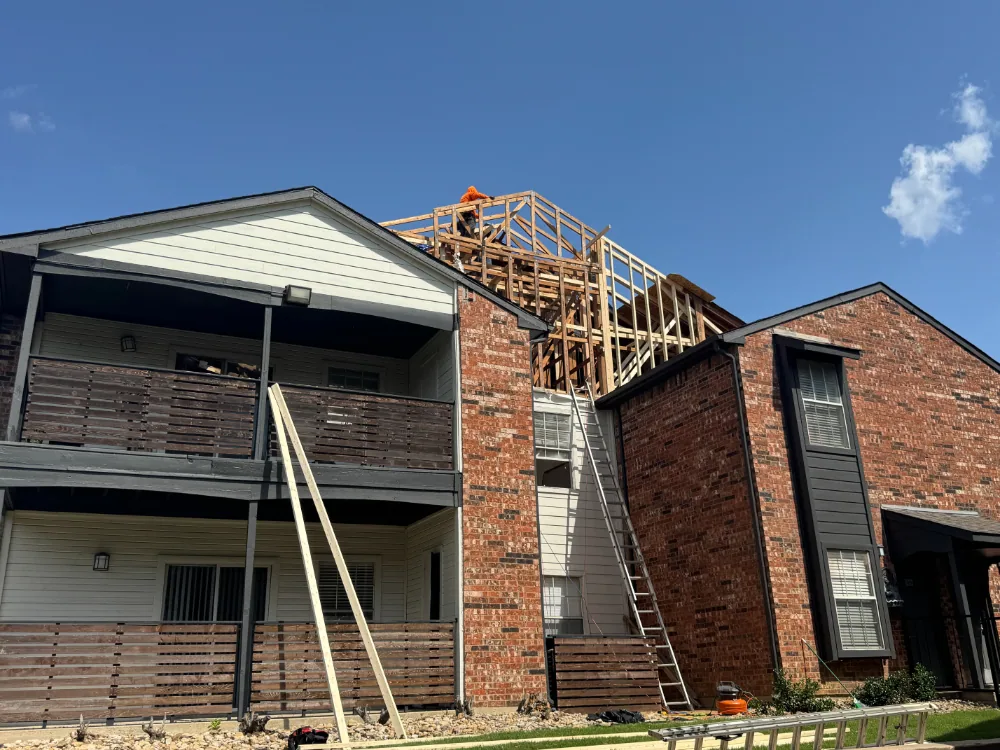
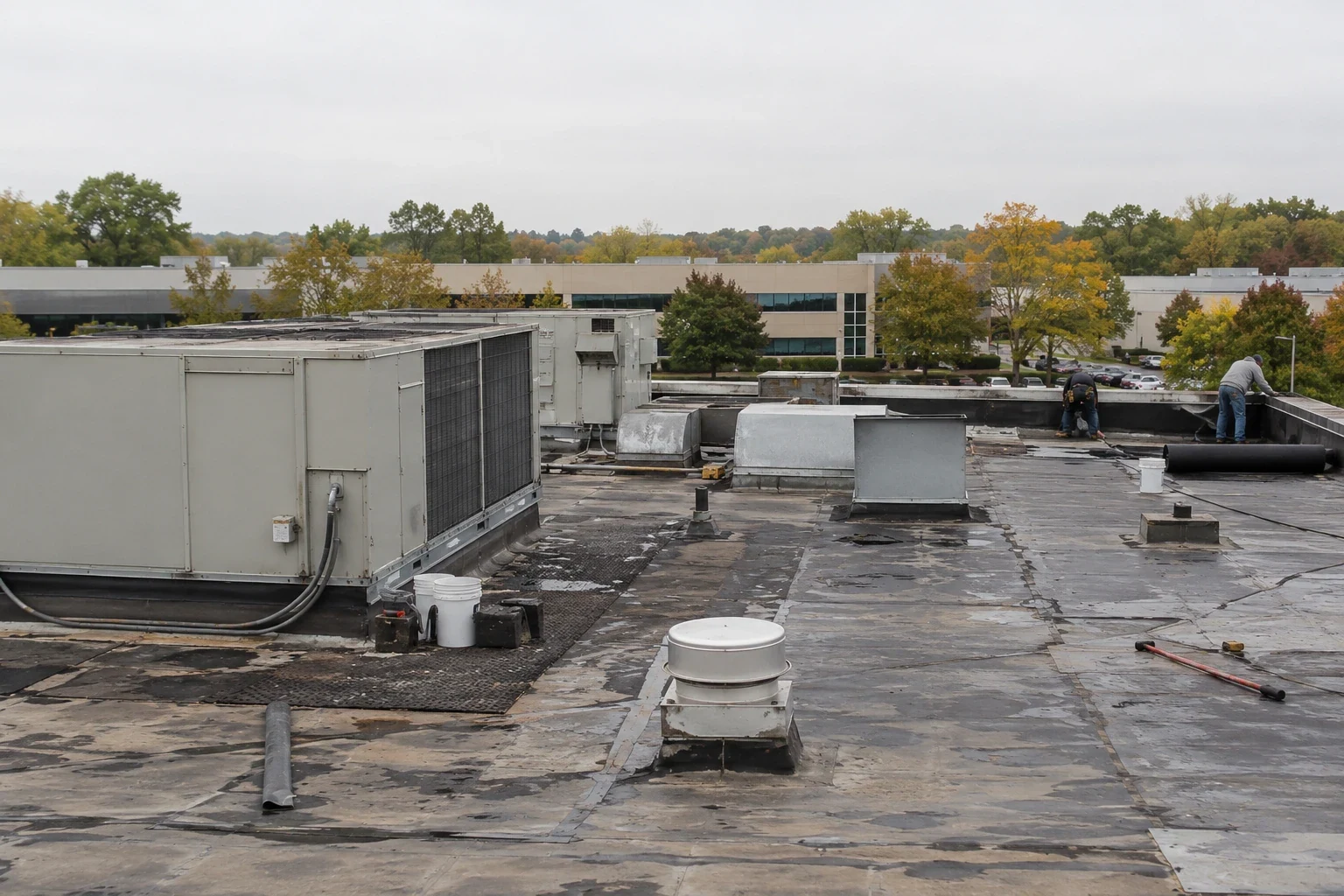
How should a chain compare stores without flattening them?
Use a common intake record for address, building, roof section, assembly, leak history, test boundary, condition band, approved quantity and next review date. A portfolio list can show urgent stores and upcoming maintenance, while local reports retain photographs and access limits. A multi-location roof program can organize open work and completed scopes. Each branch should keep its roof map current after equipment or sign changes. When a store changes its service hours or adds a new rooftop unit, the regional facilities contact can update the access plan before the next visit. Note who can approve a repair at each address so a chain-level budget does not delay urgent site work.
Retail and restaurant chains often share ownership systems but not roof details. A grocery store inspection considers refrigeration and delivery operations, while a restaurant roof review can coordinate kitchen exhaust and dining access. Chain leadership can use a property manager record to align tenant reports with asset files and a hospitality roof program to compare properties with guest operations.
When should an individual store move to replacement?
A local repair may be enough where damage is confined and surrounding membrane, insulation and attachment remain serviceable. Repeat leaks, open seams across a roof section or confirmed moisture can justify a replacement review. We compare tests, drainage, assembly, curb height and repair records before setting quantities. Store closures or lost service areas are not assumed; the sequence identifies the specific area affected and the duration approved by site operations.
Recover or coating can be considered when the existing assembly is stable, dry and compatible. That choice still needs review of drainage, edges and penetrations. A restoration scope should identify surface preparation and test limits. If several stores share an owner but different roof systems, the chain can schedule similar work windows while keeping each property-specific quantity and product record separate.
What should stay with each store's roof history?
Keep store tickets, interior photos, roof plans, test results, approvals, closeout images and invoice quantities under the specific address. Each entry identifies the roof section, detail repaired, product, completion date and deferred condition. That lets the next regional manager compare a new leak with previous work without treating a chain-wide label as a roof diagnosis. Set a new review date after a major repair or equipment change. If a store changes tenant, service menu or refrigeration layout, record the new curb and equipment owner so later leak reports reach the correct facilities contact.
Downtown Aurora and the Route 59 retail district are different parts of the local market. Downtown Aurora and Chicago Premium Outlets can locate service visits and access planning. A condition report preserves local test boundaries. The chain's portfolio file can then compare status across stores while leaving each property's roof history attached to its own facility record.
Can a chain use one roof vendor for several locations?
A shared program can provide consistent intake, reporting and closeout fields across addresses. The roof assembly, access rules and confirmed quantity still need an inspection at each property. We maintain a location-specific map so portfolio reporting does not substitute a general chain standard for the actual roof condition.
Can emergency roofing work happen while a store is open?
The site contact can identify customer routes, delivery activity and any space below that needs protection. We define the work area and dry-in limit, then coordinate a safe access path. Around-the-clock response is available for active leaks, but the permanent repair follows material conditions and site controls.
What information should store staff put in a leak ticket?
Record the address, store number, room or department, time, active water, photographs and any recent equipment service. A roof plan helps connect the report to a section. We can then inspect the likely path and report visible conditions, tests and areas that remain outside the approved scope.
How do you coordinate restaurant exhaust or grocery refrigeration?
We identify the equipment, its service provider and shutdown authority before opening a curb detail. The work plan names the handoff and restart contact. Roofing observations and mechanical conditions are recorded separately so each trade can address the item within its approved responsibility.
Request a Roof Assessment
Share the Aurora-area store list, facility contacts, roof maps and open leak tickets. We can inspect each property, document approved quantities and coordinate repair windows around store operations.
Call 555-555-5555 or send the form and we will set a time to walk the roof.