Commercial Roofing in Downtown Aurora, IL
Service Areas
Set the roof scope from the Downtown building record
Adaptive reuse changes the questions a roof walk needs to answer in Downtown Aurora. A historic commercial building or converted property may have older records, newer rooftop equipment and work completed in separate phases. We inspect visible seams, flashings, drains and penetrations, then connect each finding to a roof section. The district has more than 50 businesses and combines historic commercial buildings with adaptive-reuse projects and newer residential construction. Those uses make access, tenant coordination and a clear repair boundary part of the roof decision.
RiverEdge Park and the Paramount Theatre draw regional audiences alongside downtown retail, dining and entertainment. A repair schedule near active destinations should account for access and occupied areas, while the building's roof plan determines what work is needed. Aurora averages about 121 days below freezing each year and sees monthly precipitation near four inches from May through September. Water near a failed detail can face both repeated rain and winter movement, so we record the surface condition and any moisture test separately.
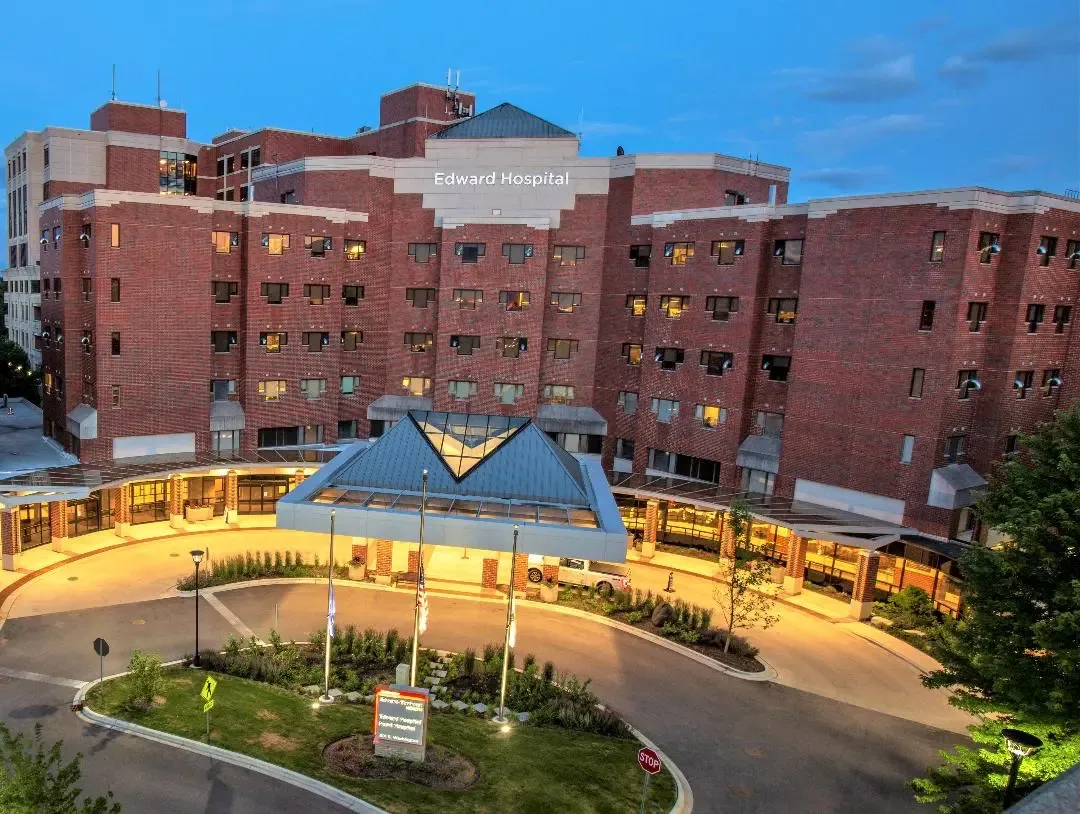
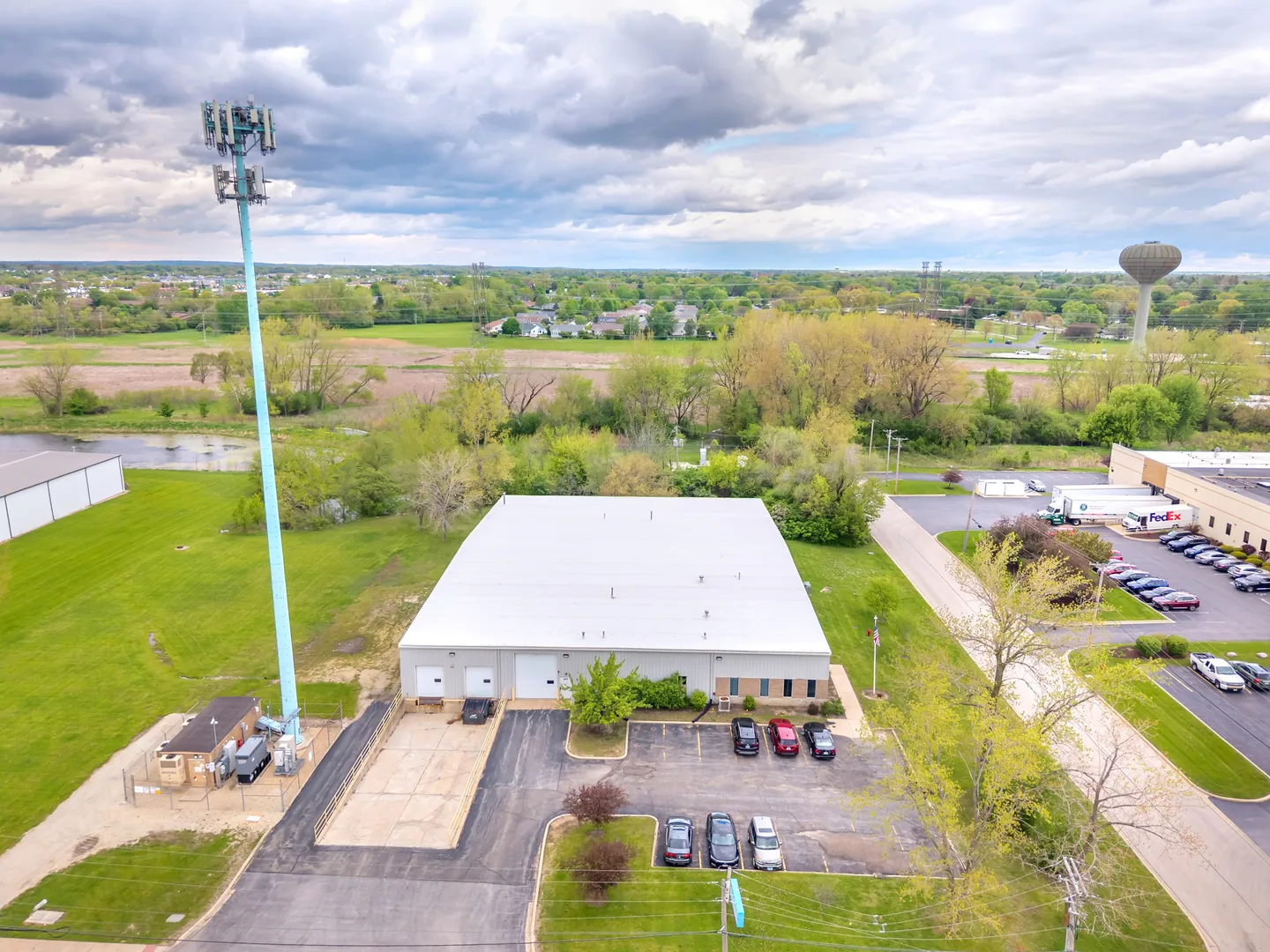
What does the first roof walk need to resolve?
We compare available drawings and work orders with the roof as it exists today. On an older commercial property, a drawing may predate a later addition or mechanical replacement. We note visible membrane type, attachment evidence, curb and pipe flashing, edge metal, drain condition and prior patches, then mark any roof area that could not be reached. An inspection walk can establish a condition map; suspected moisture may need a separate test plan before quantities are assigned.
Historic status or a past use does not identify the roof assembly. We do not assume a membrane, deck or insulation layer from the building's appearance. If records conflict with field markings, the report identifies the discrepancy and keeps the repair option provisional until the system is confirmed. Infrared patterns can help select sample locations, but each core verifies only its opened area. The building contact receives tested boundaries and any surface left untested, giving the next budget discussion a clear basis.
Can a local leak stay a local repair?
A short seam opening, puncture or curb failure can support a contained repair when nearby membrane remains sound and the substrate is dry. Several leak reports do not automatically mean several independent defects: water can travel beneath a roof layer before it appears inside. We inspect the likely drainage path, examine nearby transitions and compare the locations before extending the approved quantity. A repair scope lists the confirmed detail and leaves concealed conditions separate.
Adaptive-reuse work may place old and new roof sections beside one another. We record each assembly and the transition between them, since one repair material cannot be assumed to fit every layer. If moisture or repeated failures cross a larger area, a replacement review can compare the repair boundary with a section-level option. The owner can then see the test result, measured area and remaining uncertainty before approving added work or a broader capital request.
How do tenants and downtown activity affect the work window?
Roof access, interior protection, loading, public entrances and rooftop equipment can change the sequence even when the repair itself is small. We confirm who can release roof access, which areas below need notice and how materials will reach the work area. RiverEdge Park and the Paramount Theatre bring regional audiences to the district, while the area also has retail, dining and other businesses. Those facts support advance access planning; they do not establish a closure or event schedule for a particular site.
For an occupied property, the work plan identifies the affected entrance or tenant area, the temporary protection boundary and any interruption that needs coordination. Around-the-clock emergency response is available when water is entering the building; the initial dry-in is recorded separately from permanent repair. A work plan for an occupied building can organize notices, staging and interior protection without changing the approved roof quantity. Conditions found after opening the assembly are measured and presented for approval before scope changes.
What changes a Downtown Aurora roof budget?
Measured area, access, membrane type, detail count, insulation condition and disposal requirements influence a repair or replacement budget. A phased building can require separate scopes when roof assemblies or tenant operations differ. We identify what is included, what is a provisional allowance and which items depend on sampling or removal. This lets an owner compare a local patch with a larger section without treating an unknown layer as confirmed damage.
Aurora's municipal building rules and the state energy standard can affect an assembly change. We list insulation depth, drainage elevation and perimeter details for design review against the proposed work. On a downtown property, a new roof layer may meet an existing wall or a later rooftop addition, so that interface belongs in the scope. The owner can separate roofing quantities from any related trade work before setting a budget. A capital plan can list work by condition band and portfolio date, while a condition report preserves photos and test limits for future comparison. Actual code requirements should be checked against the specific project documents before construction.
Which roof records should stay with the property?
Keep the roof plan, system identification, leak reports, invoices, test locations, approved quantities and completion photos together. A useful closeout shows the repaired boundary and any area left for monitoring. If an issued warranty applies, retain its actual terms and issuer contact; a service note does not establish coverage. A facilities contact can also record later work on rooftop units, conduit or signs so future inspections can compare new roof openings with earlier conditions.
Where a manager coordinates more than one commercial address, each building needs its own roof map and decision history. A separate retail-district inspection should carry its own test boundaries, just as a corridor property review should keep local access details tied to that roof. Those references help organize work orders; the Downtown Aurora building file remains the basis for this property's repair or replacement scope.
Can an older Downtown Aurora building be inspected without original roof plans?
Yes. We document visible layers, seams, flashings, drains and repairs, then note where records are missing or field conditions differ. If product identification or concealed moisture affects the work quantity, we recommend a test location and keep the untested area separate in the report.
How do you scope roofing on an adaptive-reuse property?
We map each roof section and transition, confirm which records apply to the current assembly and coordinate access with the building contact. A former use does not establish the roof type. The scope separates confirmed repair from issues that require sampling or removal.
Can downtown roof work proceed while businesses remain open?
We plan around access, tenant activity, material movement and protection below. The work plan identifies the entrance or area that needs notice and the expected sequence. Emergency dry-in and permanent work are recorded separately so the building can track what remains to be completed.
What should the property manager receive after a repair?
The closeout should include the marked roof section, photos, material used, approved quantity, completion date and any test results. We also identify access limits and conditions left for monitoring. Those details let the next inspection compare the same location rather than rely on a brief work-order description.
Request a Roof Assessment
Share the property address, roof drawings, leak history and facility contact. We can inspect the affected sections, coordinate access and document repair or replacement options with tested boundaries.
Call 555-555-5555 or send the form and we will set a time to walk the roof.