Commercial Roofing along Eola Road, Aurora, IL
Service Areas
Set a roof review for the Eola Road property
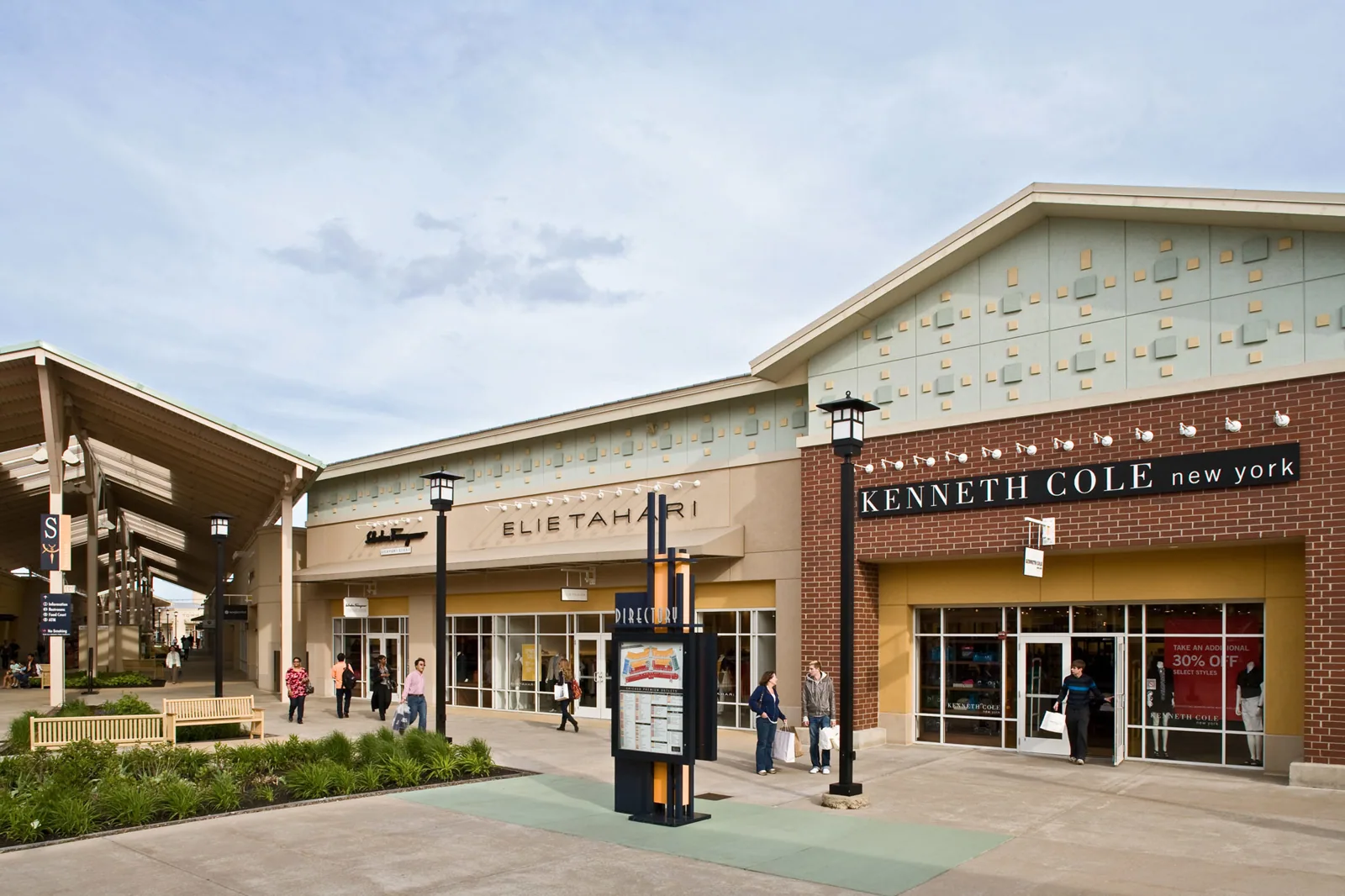
A leak report from an Eola Road building that returns after drain cleaning puts the outlet, low area and nearby seam on the same inspection path. We identify the roof section, test limits and access plan before comparing repair quantities. Commercial, office and research properties line Eola Road, a north-south route through Aurora's east-side corridor. Eola also connects the far-east part of the city to the Route 59 and Fox Valley retail area. For owners tracking addresses along both routes, separate roof maps keep membrane and test records tied to each property.
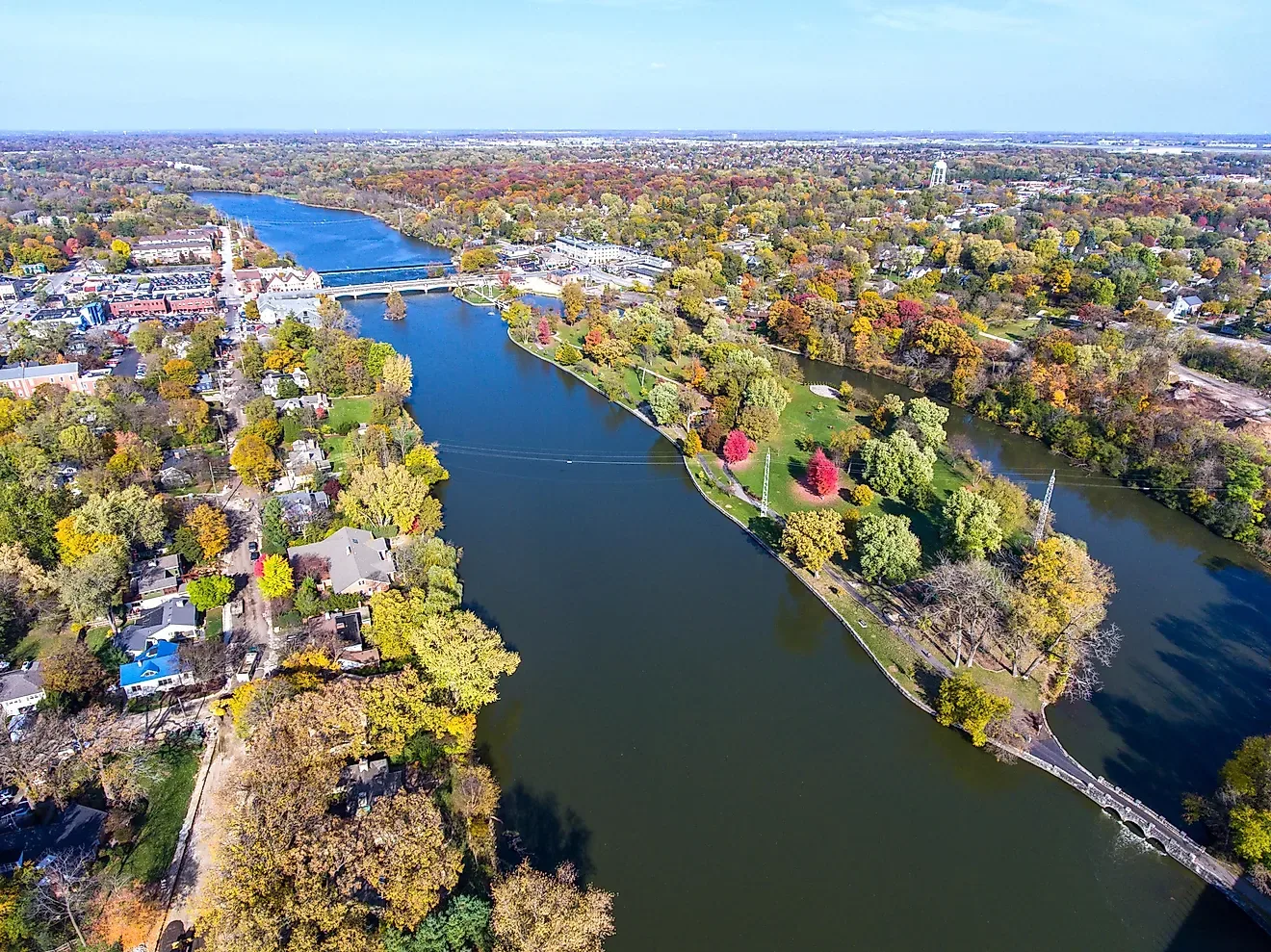
The Eola and Route 59 area became an east-side commercial center as Aurora expanded toward DuPage County. Aurora averages about 121 days below freezing annually, with precipitation near four inches per month from May through September. We inspect seams, curbs, drains and edges, then separate surface observations from any moisture finding that requires testing.

What should the field record show for an Eola property?
We start with the building address, roof plan and reported symptom, then confirm where roof access is permitted. The walk maps visible membrane, attachment clues, seams, penetrations, drains and earlier repairs. A roof inspection should also show which surfaces were inaccessible and which locations were only viewed. If maintenance notes use different room names or tenant labels, we connect the interior report to a roof location before choosing the likely repair point.
When staining suggests possible moisture inside an assembly, an infrared moisture survey can guide confirmatory sampling. A scan does not establish the condition of the entire roof, and a core confirms only its own opening. The map records tested boundaries, suspected areas and locations that remain untested. If plans describe more than one roof phase, we mark the divisions and compare the file with visible transitions before assigning work quantities.
Which roof option fits the observed condition?
A small puncture or isolated flashing problem can fit a limited repair when material around it remains stable and dry. A repeated leak path, failing seams across several sections or confirmed wet insulation can support a broader review. We measure the confirmed area and keep any concealed condition outside the approved quantity until it is exposed or tested. A repair scope can state the exact detail, material and boundary.
A recover or replacement comparison looks at roof layers, wet material, attachment, height, perimeter transitions and drain locations. Research and office use describes the surrounding corridor; the building records and field inspection establish how each roof was built. A replacement evaluation can separate the known tear-off area from a provisional allowance. The owner can compare the near-term repair with a larger option using the same marked roof plan.
How should inspection access be arranged?
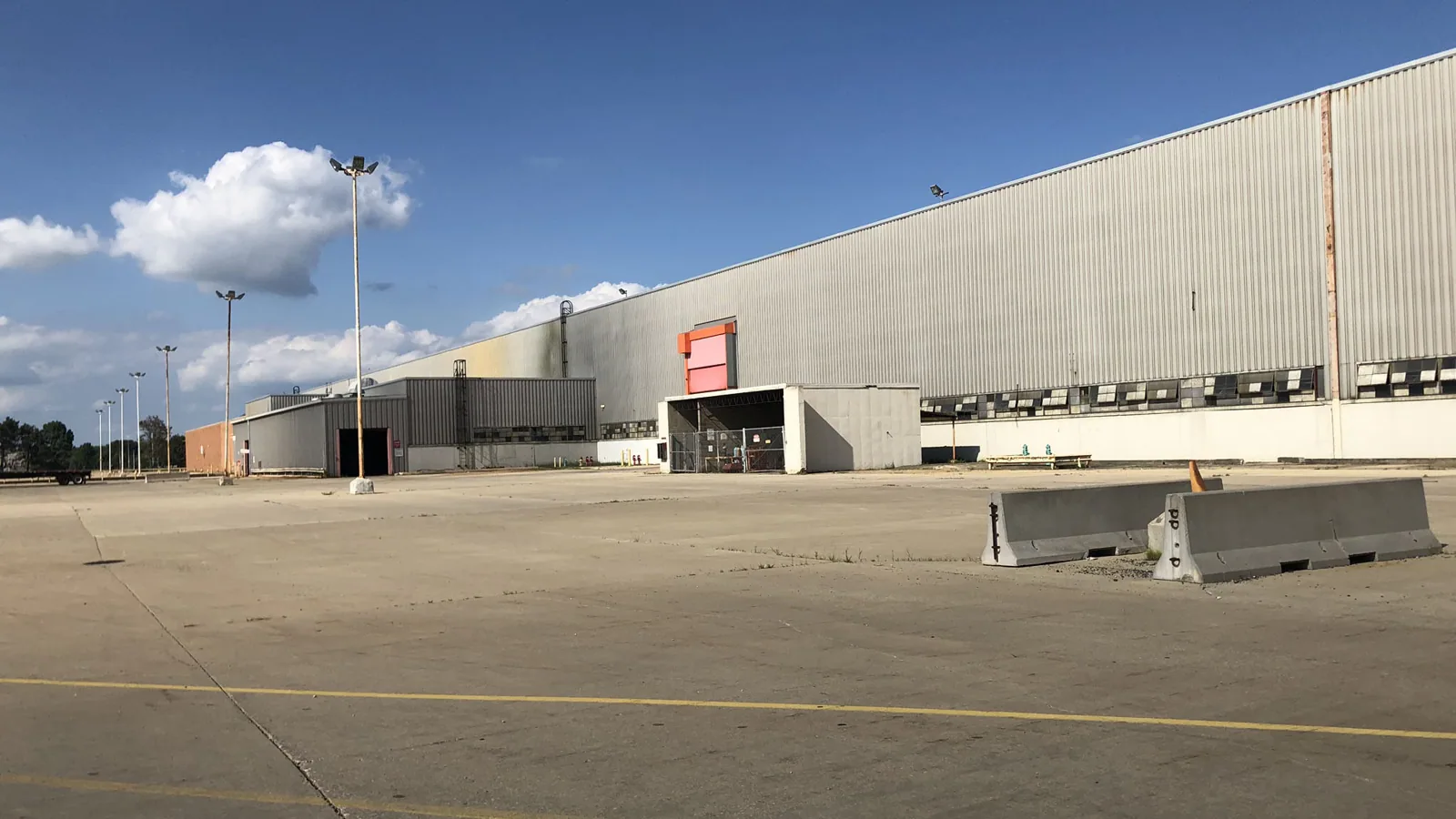
Before a visit, we confirm the roof entry, required escort, ladder or hatch access, rooftop equipment restrictions and interior areas that need notice. Research and office facilities set access rules property by property, so we confirm them with the facility contact before scheduling the roof walk. If a system requires sampling, the test location and surface restoration should be reviewed before the opening is made. These coordination notes affect sequence and timing, while the measured damage remains a separate part of the scope.
Water calls can come in at any hour. We first establish temporary protection for active entry, then document the follow-up repair as a separate task with its own measured boundary. Aurora's summer precipitation makes a clear drain path relevant during maintenance planning, while winter cold can stress a detail already weakened by movement. We list blocked outlets and damaged curb flashing as open repair items, then close the condition after the approved work is complete.
What belongs in an Eola corridor capital review?
A useful comparison tracks each property's roof area, condition band, test results, estimated repair quantity and next review date. We separate work that can be priced from a visual inspection from work dependent on sampling or tear-off. Access, rooftop equipment and tenant coordination belong in the timing assumptions; wet insulation and edge repairs belong in the roof condition. A capital plan can sequence the work against a funding period without treating an unknown layer as confirmed damage.
Aurora's building rules and Illinois energy standards enter a roof project when its assembly changes. We note the insulation, drainage and height decisions that need project review before the proposed system is selected. Those design questions stay separate from the field report, which records only visible and tested conditions. A condition report keeps photographs, test boundaries and open items with each property. The manager can compare the Eola Road file with another commercial corridor roof review while preserving each building's own findings.

How can a roof map support the next service visit?
Keep the marked plan, inspection photographs, test results, service invoices, approved quantities and completion notes in the property's maintenance file. Include membrane and attachment details when they are known, but mark unconfirmed information instead of carrying it forward as fact. For a repaired section, show the material used, work date and boundary. For open findings, note who authorized further testing and what decision is waiting on the result.
Because Eola connects the far-east area to the Route 59 and Fox Valley retail district, a portfolio schedule may include more than one commercial address. A separate corridor roof visit should keep its own access and condition map, just as the Eola file should remain tied to this property. The next reviewer can then compare the same curb, drain and seam with prior photographs instead of relying on a general statement that the roof was checked.
Does an office or research land-use designation identify the roof assembly?
No. The planning map describes land use and routes, not membrane type, insulation or roof condition. We review the building's records and inspect visible details before selecting a repair method. When information is missing, the report keeps system identification open until supported by evidence.
Can an Eola Road roof be assessed without interrupting building operations?
We confirm access requirements, test points and any equipment restrictions with the facility contact. A visual walk may have fewer coordination needs than sampling or replacement work. The visit plan states where access is needed and what interior spaces, if any, require notice or protection.
How do you set the boundary for a moisture-related repair?
We inspect the surface, drainage path and adjacent details, then use approved testing where concealed conditions could change the quantity. Each sample applies to its own location. The scope distinguishes the tested area from nearby roof sections that have not been opened.
What roof information should be kept for a multi-property review?
Maintain a separate plan, photo set, repair history and approval record for every address. A portfolio summary can compare condition bands and review dates, while the underlying property file holds test limits and confirmed quantities. That keeps corridor context from replacing building evidence.
Request a Roof Assessment
Share the Aurora address, roof plan, available service records and access contact. We can map the affected roof sections, identify test boundaries and prepare a documented repair or replacement comparison.
Call 555-555-5555 or send the form and we will set a time to walk the roof.