Commercial Data Center Roofing in Aurora, IL
Property Types We Roof
Coordinate roof condition with site operations
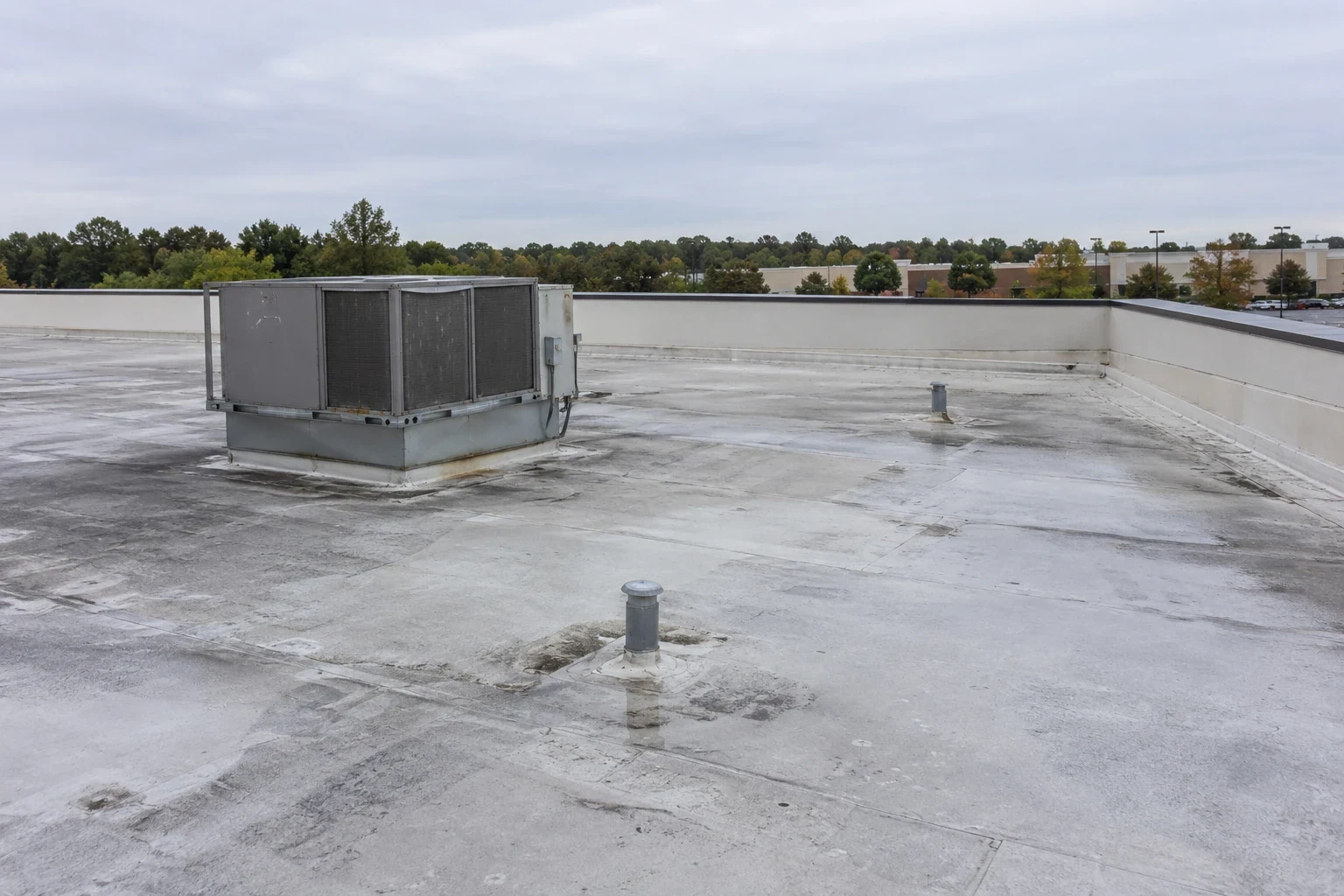
A roof drain backup above electrical or cooling equipment can become an operations issue before water reaches the occupied floor. We inspect the drainage path, membrane and equipment penetrations, then map the exposure by roof section. Naperville's I-88 strategy targets advanced-technology businesses, connecting the Aurora market to a regional research and business corridor. That fact does not establish a data center at a specific address or identify its roof system. Site plans and operations staff define the facility, while field testing establishes the roof condition.
Data center roofing work needs planned access around cooling units, electrical pathways, generators, rooftop piping and security boundaries. The facility contact identifies critical equipment, no-entry zones, service hours and the person who can authorize shutdowns. We do not infer redundancy or uptime requirements from the building label. Near Naperville's I-88 corridor and Aurora Municipal Airport's industrial area, access and logistics may shape staging, but the site's operating plan controls. A roof inspection documents the assembly before work is approved.
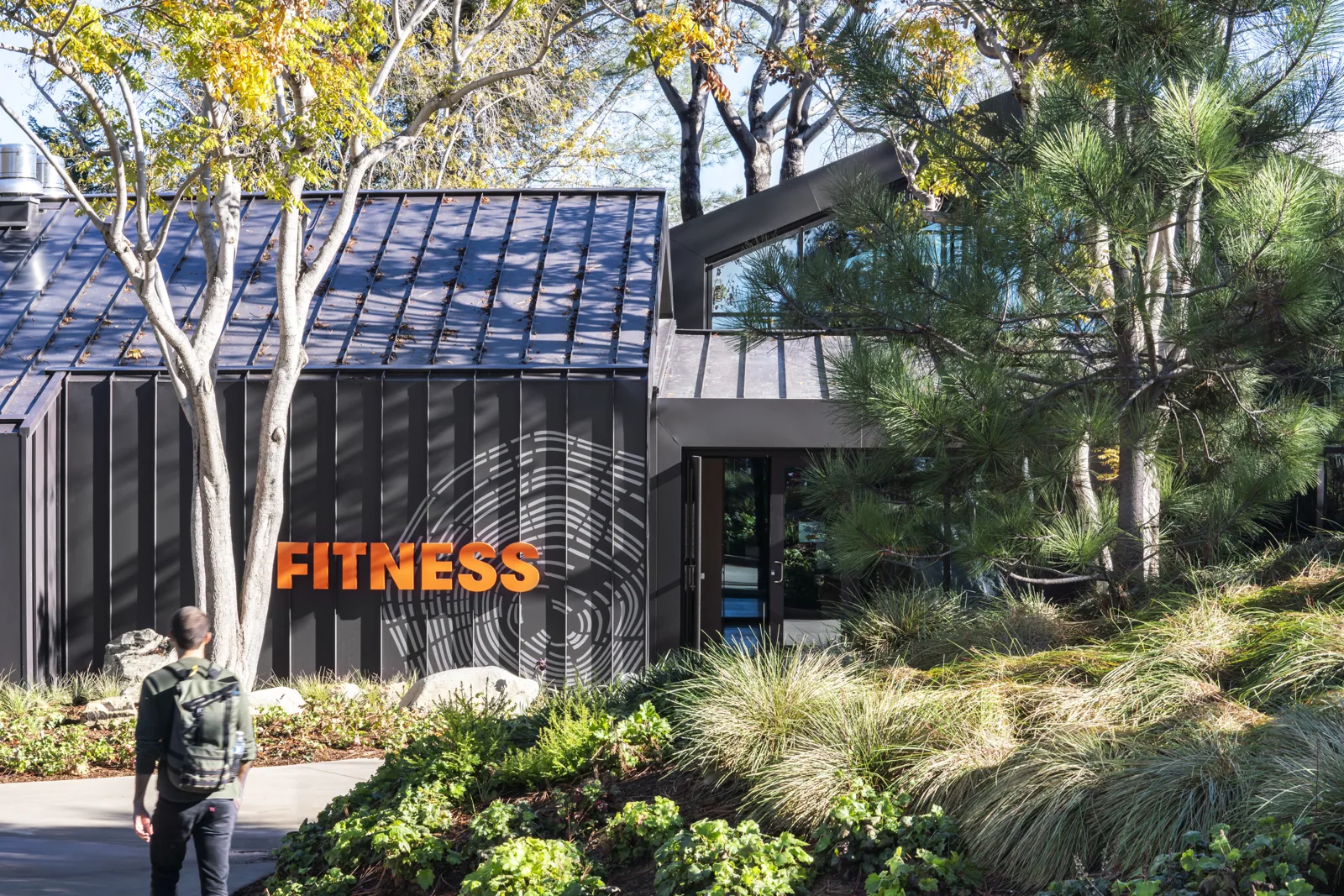
Naperville I-88 Business Corridor
Aurora Municipal Airport Industrial Area
Commercial Roof Inspection
Occupied Commercial Building Reroofing
Commercial Roof Insulation and Cover Board
Commercial Office Building Roofing
Commercial Hospital Roofing
Commercial Roof Drains and Scuppers
Commercial Roof Condition Reports
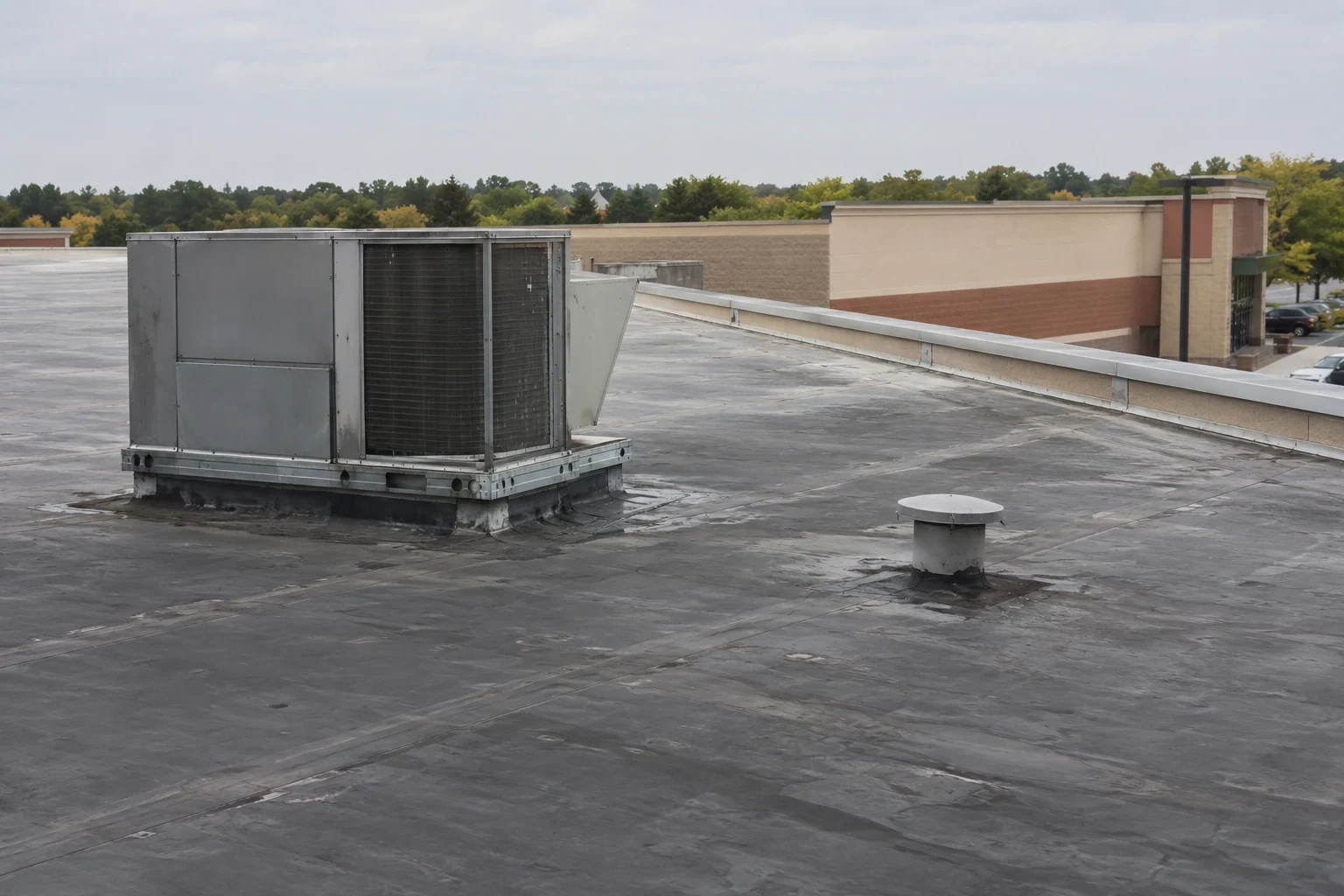
Where could roof water reach critical equipment?
We review interior alerts, leak logs and roof plans with facility staff, then inspect above the reported area and along likely water paths. Drains, seams, curbs, penetrations, roof hatches and wall transitions can each contribute to a leak. Water may travel below the membrane before it becomes visible near a rack or electrical room. Our map distinguishes the interior report, observed roof opening, confirmed wet insulation and areas that still need testing. Photographs retain section and equipment references without exposing details outside the approved project record.
Cooling units and service routes can limit access to membrane around supports and piping. We identify which equipment can remain active, whether a mechanical escort is required and how to reach drains without interrupting service. Thermal screening may help target suspect areas, but it does not prove wet insulation. Approved core testing confirms material at selected locations. An infrared survey can support that selection when conditions are appropriate; the report keeps readings and confirmed quantities separate.
How can roof work fit site controls?
Before mobilization, the data center contact sets access approvals, escort rules, badging, background checks if required, tool controls and delivery windows. The work plan identifies the roof route, staging limits, restricted equipment and communication point. If the facility requires continuous cooling or prohibits work near certain equipment, that boundary is mapped before the sequence is set. No equipment shutdown or movement occurs without owner authorization and coordination with the responsible mechanical team.
We sequence small roof sections so the assembly can be protected and closed at each shift boundary. Because Aurora's wetter period runs from May into September, data-center roof work needs a firm dry-in cutoff, drain protection and a weather check before each shift. We identify drain protection, temporary covering and the escalation contact if weather or a concealed condition changes the plan. An occupied-site sequence can document access and handoffs around facility operations.
When does a repair meet the risk threshold?
A defined seam, flashing or drain repair may be appropriate when surrounding membrane and insulation remain sound. Repeated leaks, widespread wet material or unstable attachment can support a larger replacement scope. We compare event history, test results, repair locations and any owner-provided maintenance records, then identify the sections that cross the repair threshold. The report does not assign a risk rating to equipment or uptime; it documents roof conditions for the facility's own risk process.
Recover work leaves existing layers in place, so moisture, attachment, deck and added height need review before another system is installed. A recover assessment checks those conditions, while assembly planning can document insulation and drainage changes. For neighboring property categories, a commercial office roof review and hospital roofing assessment use their own operating plans; neither substitutes for the data center's actual requirements.
Which interfaces need owner approval?
Roof penetrations for cooling, electrical and communications systems require detail review with the design and operations teams. We identify each opening and its flashing, then coordinate any proposed modification with the responsible trade. Water protection around intake and exhaust locations should reflect the facility's airflow and equipment instructions. If an assembly opening reveals wet insulation or damaged deck, we stop at the approved boundary, record the condition and request direction before expanding work.
Drains and overflow routes must remain accessible and free of debris during construction. We verify their location and identify any work zone that could interfere with water removal. A drainage review can address a blocked outlet separately from membrane repair. Equipment supports and curb flashings may need mechanical coordination; a curb assessment identifies those interfaces. The work file shows who approved access and any restrictions that remain for future maintenance.
What should the data center roof record contain?
Maintain a controlled copy of the roof plan, access approvals, assembly specifications, test locations, photographs, work permits and closeout details. Each repair record should identify the section, measured quantity, material, approval and any area not inspected. Security and equipment information should follow the facility's document rules. The closeout notes daily protection, drainage checks and the person who accepted the repaired area back into facility control.
A regional property portfolio may include technology businesses along I-88 and manufacturing or healthcare employers in Aurora, but each building keeps its own roof and operations file. A condition report can store tested areas and unresolved items; a roof asset record can set the next inspection date and approved quantity. These records support building maintenance without assigning a system risk conclusion outside the facility's own process.
Can roofing work occur while the data center is operating?
That depends on site controls, equipment restrictions, weather protection and the work area's distance from critical systems. The facility contact identifies permitted zones and whether any equipment or service path requires a shutdown. We schedule sections and daily handoffs against those directions before mobilization.
How do you protect cooling equipment during roof work?
We map units, intakes, exhausts, piping and service paths, then coordinate with the operations and mechanical contacts. The plan identifies material handling, temporary protection and any activity that could affect airflow or access. Equipment changes occur only with the owner's authorization and responsible trade.
What if a roof core finds wet insulation above a critical room?
We document the test location, moisture condition and section, then contact the facility representative before expanding the scope. The facility's operations team determines any equipment or room response. The roofing proposal separates confirmed removal quantity from untested area and follows the site's change-approval process.
Do you assess data center uptime risk?
Uptime review belongs to the facility's own continuity and risk teams. We document roofing conditions and work controls. Our scope identifies roof access, water exposure, repair quantities and unresolved assembly questions. Those facts can support the owner's process without substituting for its operational analysis.
Which documents should we provide before inspection?
Roof plans, assembly records, leak logs, cooling and penetration layouts, access rules and the facility contact help define the route. Include any restricted zones and approval steps. We verify documents in the field and record where the roof or equipment differs from the plan.
Request a Roof Assessment
Share the Aurora-area address, facility contact, roof and equipment plans, leak history and access controls. We will map tested conditions, roof sections and work handoffs within the site's approved procedures.
Call 555-555-5555 or send the form and we will set a time to walk the roof.