Commercial Roofing for Real Estate Investors and REITs in Aurora, IL
Industries We Serve
Connect the roof survey to the asset decision
A roof reserve becomes difficult to defend when the inspection, lease file and repair history use different section names. We map each finding to the property, distinguish observed damage from tested moisture and assign an approved quantity to the documented scope. An investor can compare immediate repair, further investigation and capital replacement using the same evidence that facility staff will use after closing.
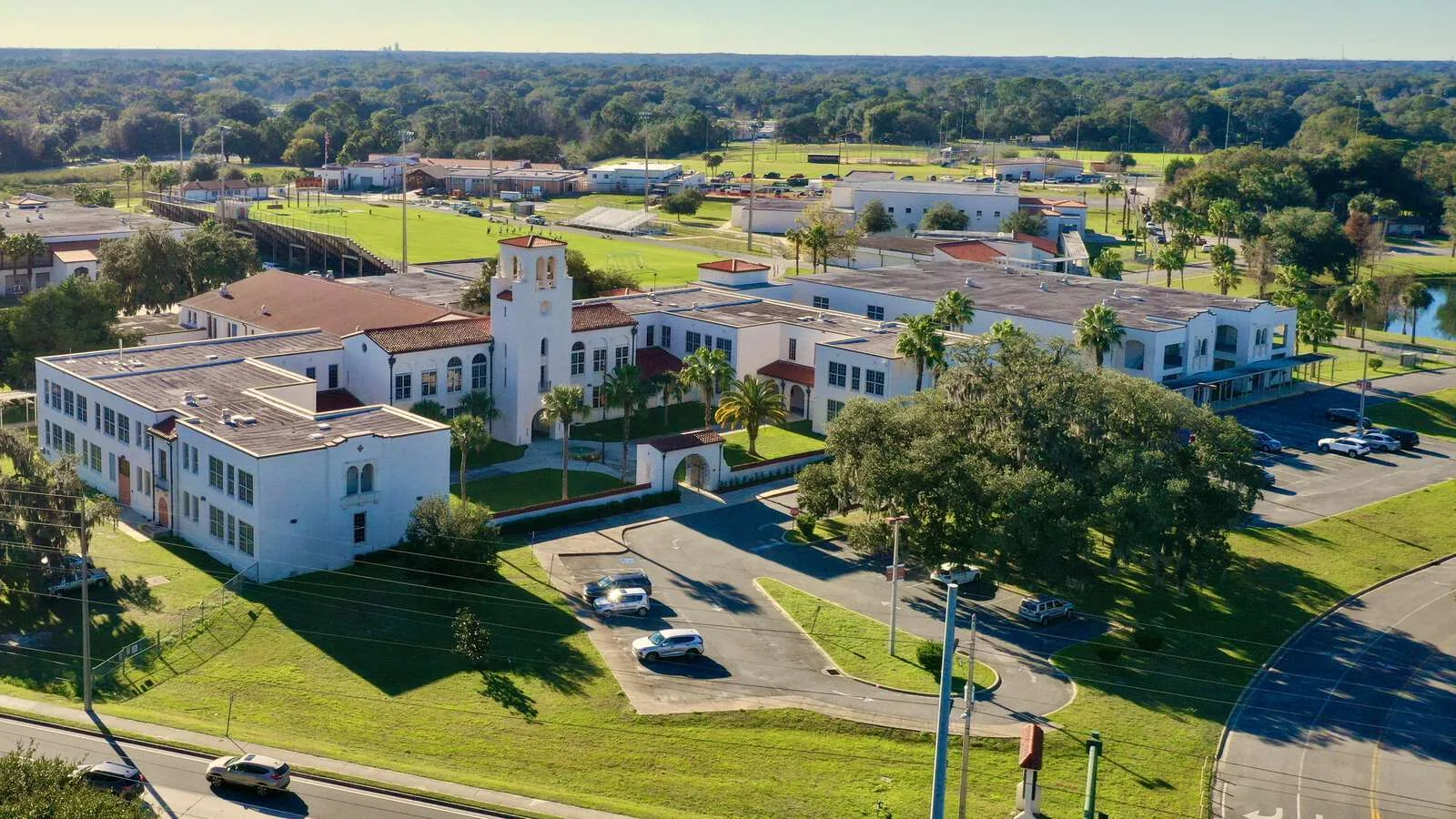
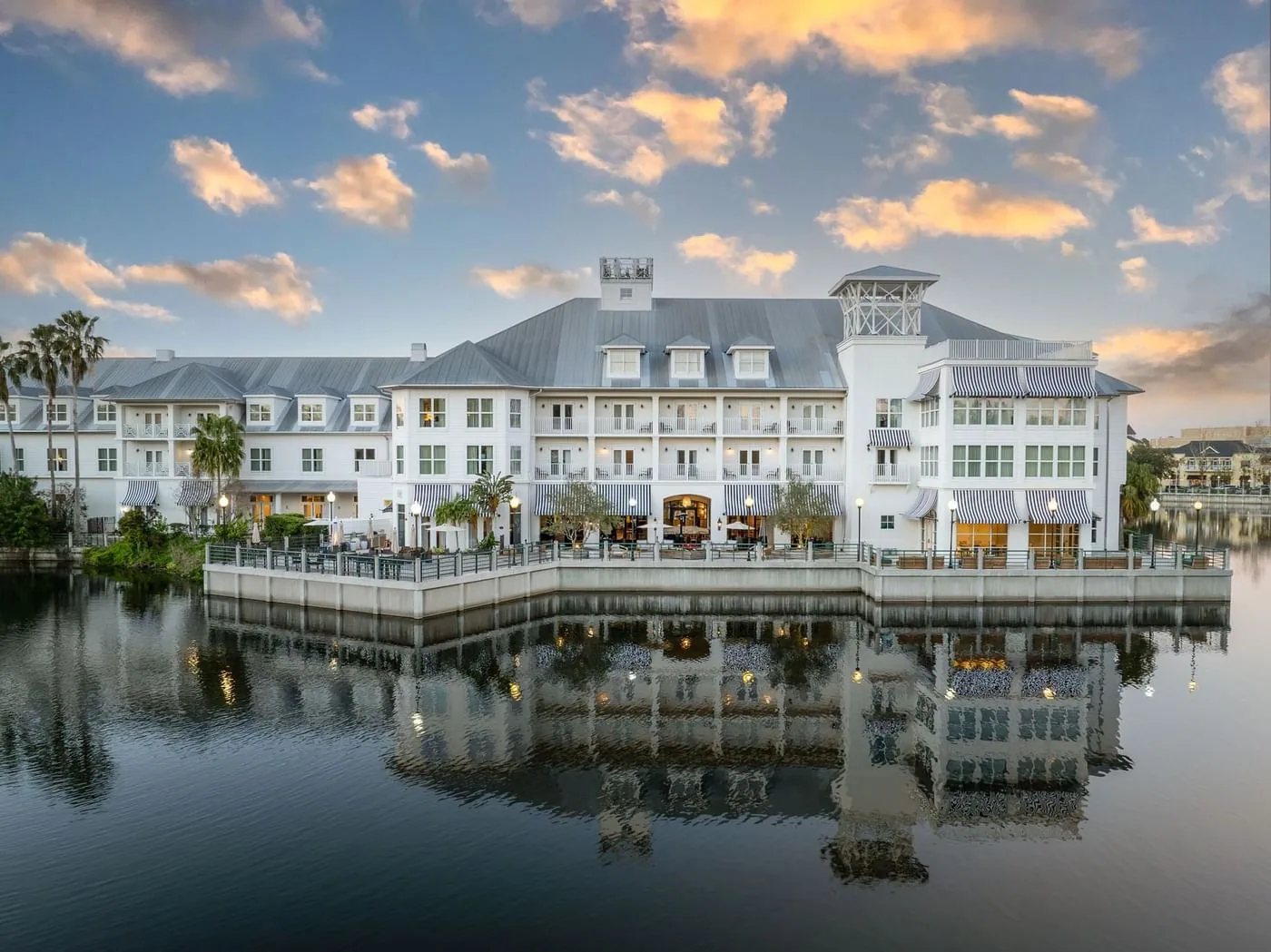
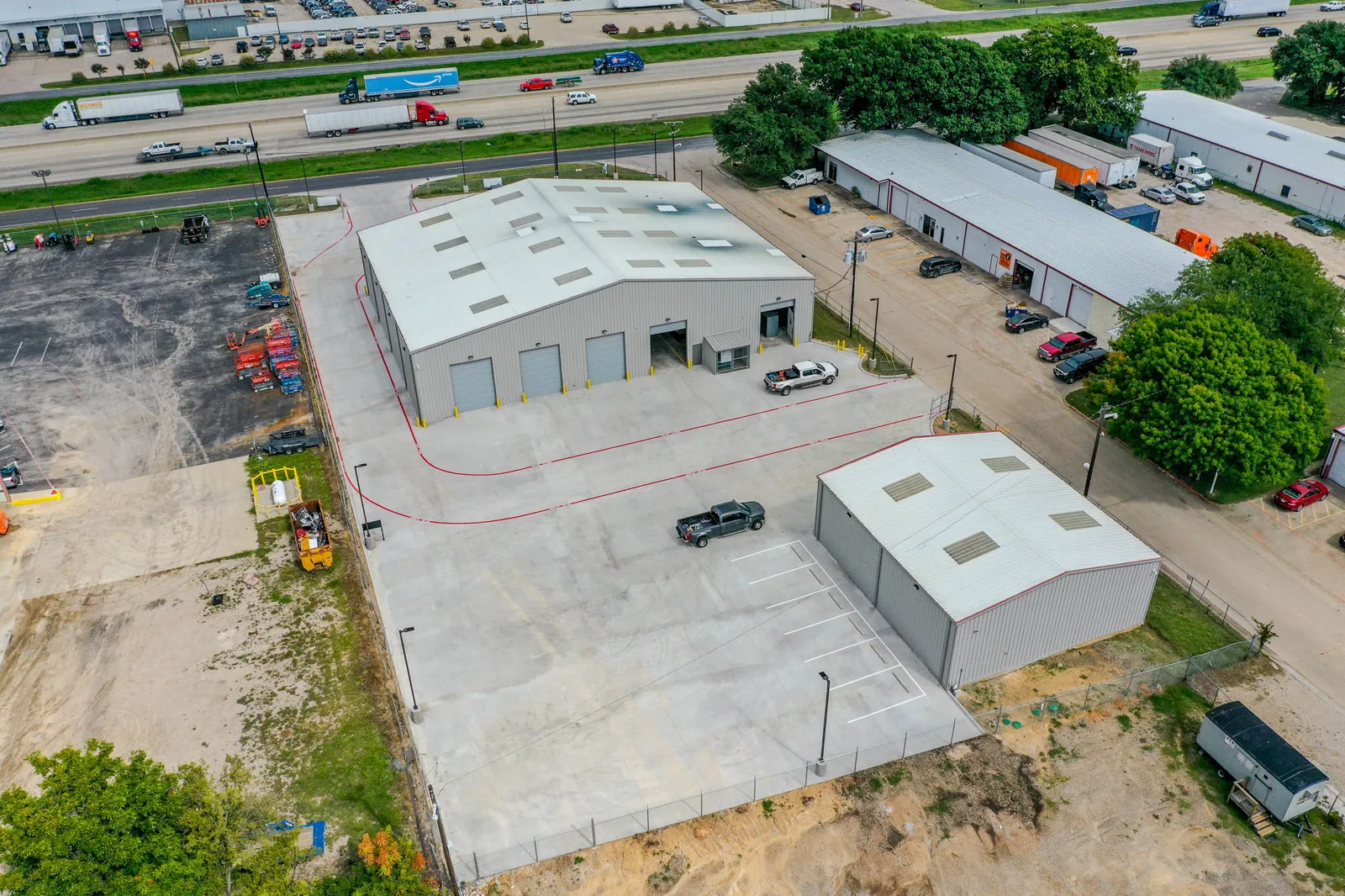
Aurora's commercial base spans the Fox Valley retail district near Route 59 and I-88, Downtown Aurora's adaptive-reuse properties and west-side industrial areas connected through US 30. Each location presents different access and roof records. We inspect the actual asset rather than projecting condition from its use or nearby development. The report can support acquisition diligence, ownership budgeting and later portfolio reviews without turning one roof into a proxy for another.
What roof risk is visible before a transaction?
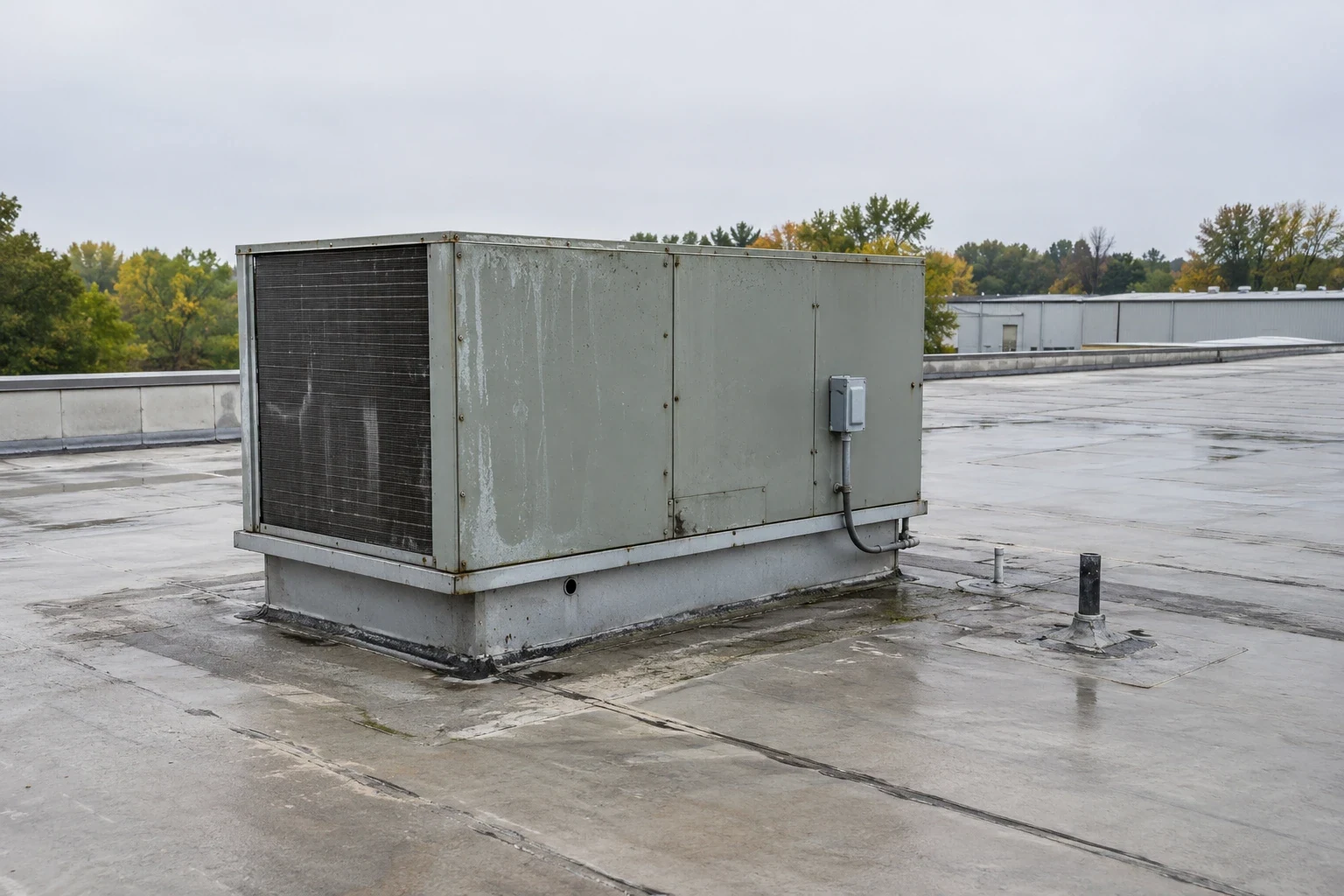
We review available roof plans, prior proposals, invoices, leak history and tenant reports, then inspect accessible sections for seams, drains, curbs, edge metal and prior repairs. Water can travel before it appears inside, so the report links each interior mark to the likely roof path and states any limitation. Observed surface wear, confirmed moisture and untested areas remain separate. That keeps a reserve estimate from counting an unknown area as a verified replacement quantity.
Infrared patterns can help select core test locations where insulation may be wet. Samples confirm the spots opened and do not establish an entire roof boundary. We mark test limits and identify concealed conditions that may require investigation after access improves. A roof due-diligence survey can summarize findings before acquisition, while a commercial inspection can support the maintenance plan after ownership changes.
Which roof items belong in the reserve?
Separate active leaks and safety-related conditions from deferred maintenance and long-term replacement planning. An isolated curb repair may have a small approved quantity; widespread seam failure or tested wet insulation can support broader capital work. We compare assembly, drainage, repair history and remaining service conditions without promising a fixed service life. The reserve record should state assumptions, tests completed and areas that still need access or sampling.
Recover and coating options require an assembly that can accept another layer without trapping moisture or restricting drainage. We document transitions, penetrations and attachment before comparing alternatives. A recover assessment evaluates the existing build-up; restoration planning checks compatibility. Capital estimates can then separate work that is ready to price from an allowance that depends on a test or concealed condition.
How can an investor compare several properties?
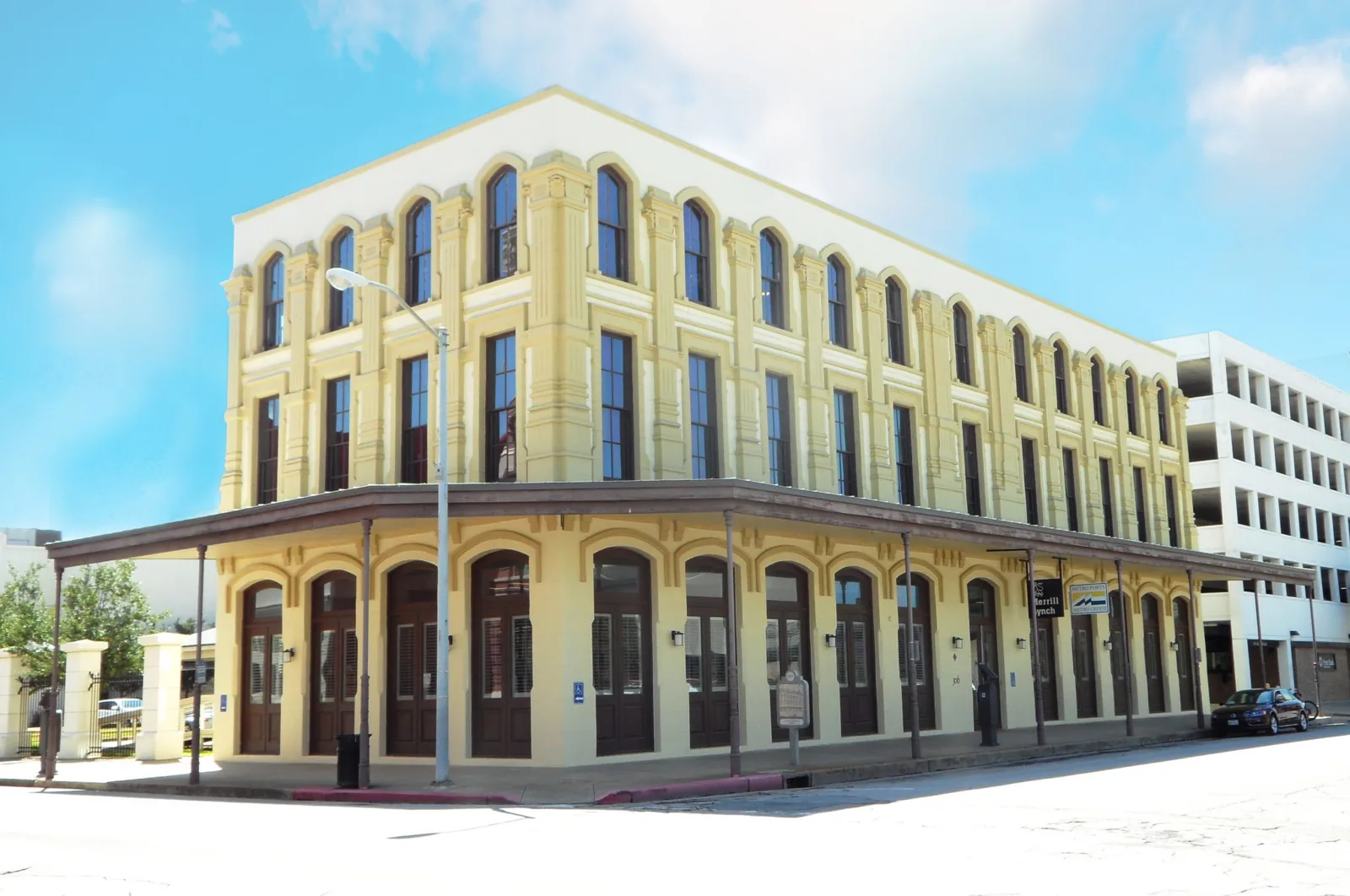
Use a consistent portfolio table with address, roof section, system, leak history, test boundary, condition band, approved quantity, next action and review date. Group roofs by urgency, season window and tenant access, not only by construction year or asset class. An multi-site roof program can track open work and completed closeouts. A capital plan links confirmed scopes to funding cycles while preserving the inspection evidence behind each line item.
Property management teams need the same building-level history to coordinate access and tenant notice. A property manager roof program can keep day-to-day reports connected to asset-level priorities. A general contractor roof coordination plan can capture sequencing and scope interfaces during a renovation or tenant improvement. If an acquisition includes incomplete roof drawings, the record should say what remains unknown and set a follow-up task to obtain those documents or test a selected section. That gives the next decision maker a clear path from diligence to maintenance.
What changes roofing cost and timing?
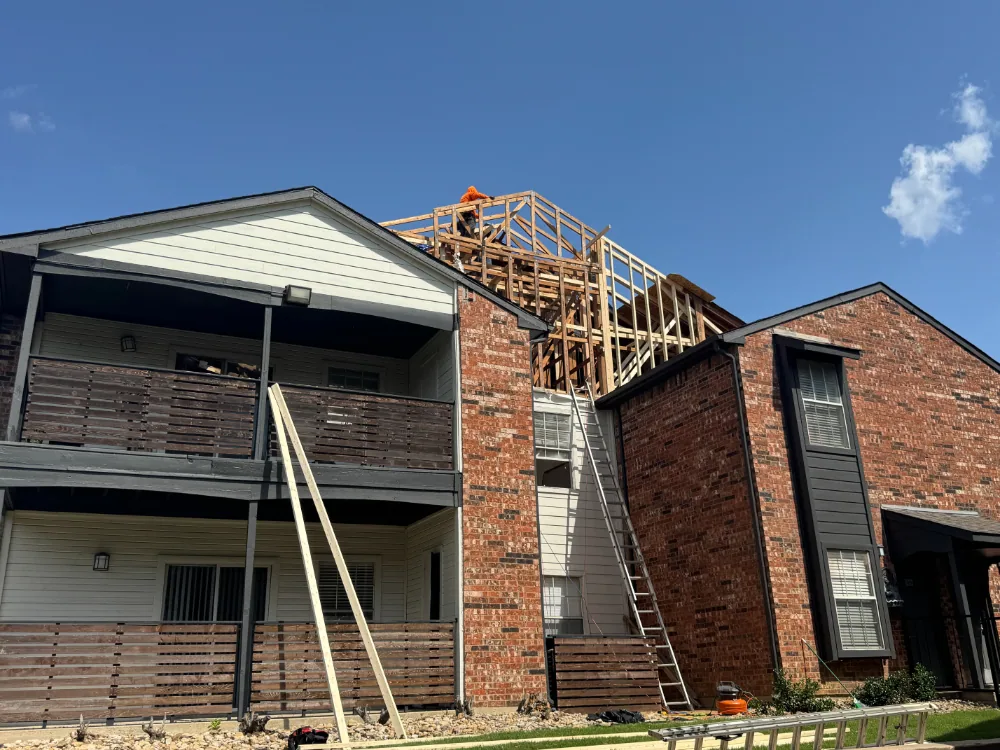
Cost follows confirmed work area, system type, access, number of details, tear-off, interior protection and whether testing is required. Tenant schedules and occupied operations can affect phasing. We identify the approved quantity and concealed-condition process before work begins. If deck damage appears after removal, the owner receives the location and documentation needed to approve a scope change, rather than an open-ended instruction to proceed.
Aurora averages about 121 days below freezing each year, with summer rainfall concentrated near four inches per month from May through September. Cold can constrain preparation and cure; rain can limit roof openings per shift. A season window belongs in the capital schedule alongside tenant access and material lead time. Note whether any tenant fit-out or rooftop equipment project will touch the same roof section; an overlapping scope can affect staging, temporary protection and responsibility for closeout. Record the assigned contact before the roofing schedule is approved. Emergency response is available around the clock for active intrusion, while permanent repairs need a secure dry-in and appropriate installation conditions.
What evidence should stay with the asset?
Retain roof plans, inspection photographs, test results, proposals, approvals, closeout records and warranty documents as issued. Track work by building and section, including date, product, approved quantity, concealed conditions and deferred items. On a sale or refinancing, those records help distinguish completed work from remaining exposure. Set a new inspection trigger after roof equipment changes, a major repair or a documented storm report.
The Route 59 plan centers redevelopment around Fox Valley Mall and connected commercial nodes, while the Sugar Grove industrial district includes properties near Dugan Road and US 30. Those market facts describe investment contexts, not an individual roof condition. A roof asset record can preserve the portfolio date; the Fox Valley Mall district and Sugar Grove industrial area identify regional properties in a service log. The building-specific map remains the basis for reserve quantities.
Can a roof survey provide a reliable replacement reserve?
It can establish observed conditions, test results, access limits and quantities that support a reserve discussion. Concealed deck conditions and untested insulation remain open items, not verified costs. We state assumptions and next tests so the investor can separate confirmed work from a planning allowance.
What should be inspected during an Aurora property acquisition?
Review accessible roof sections, prior repair records, leak logs, drains, penetrations, perimeter details and available moisture tests. We map findings to the property and identify areas that were not accessible. The report also notes whether a roof plan or assembly record is missing and what follow-up would reduce uncertainty.
How can a REIT compare condition across unlike buildings?
Use a shared set of record fields while preserving each property's roof system and test boundaries. A warehouse, retail center and office building need different detail checks. Portfolio summaries can rank condition and timing; the underlying reports support the specific quantities and repair choices at each asset.
Can a roof repair be deferred until a tenant turnover?
A deferral should be based on the observed condition, active water entry, safety and risk to areas below. We identify interim controls and a review trigger when repair timing changes. The asset manager can then coordinate work with turnover while tracking any condition that needs earlier attention.
Request a Roof Assessment
Send the Aurora property address, asset contact, available roof and lease records, and transaction or budget timing. We can document tested conditions, approved quantities and remaining diligence needs by section.
Call 555-555-5555 or send the form and we will set a time to walk the roof.