Commercial Roofing for Property Management Companies in Aurora, IL
Industries We Serve
Put each property's roof history in one usable record
A roof leak becomes harder to manage when the service log, tenant report and work order describe different locations. We map each observation to a roof section, inspect the likely water path and keep confirmed damage separate from areas awaiting a test. The property manager receives an approved quantity and a record that can follow the building into its next review cycle.
Aurora's portfolio settings vary from Downtown Aurora's historic commercial and adaptive-reuse properties to the mixed-use redevelopment planned near Fox Valley Mall. Route 59 and I-88 link major commercial areas, while Eola Road serves another office and research corridor. Those place contexts can affect travel, staging and tenant access; each roof's own assembly and leak history set its condition. We inspect properties individually and compare them in a consistent record.
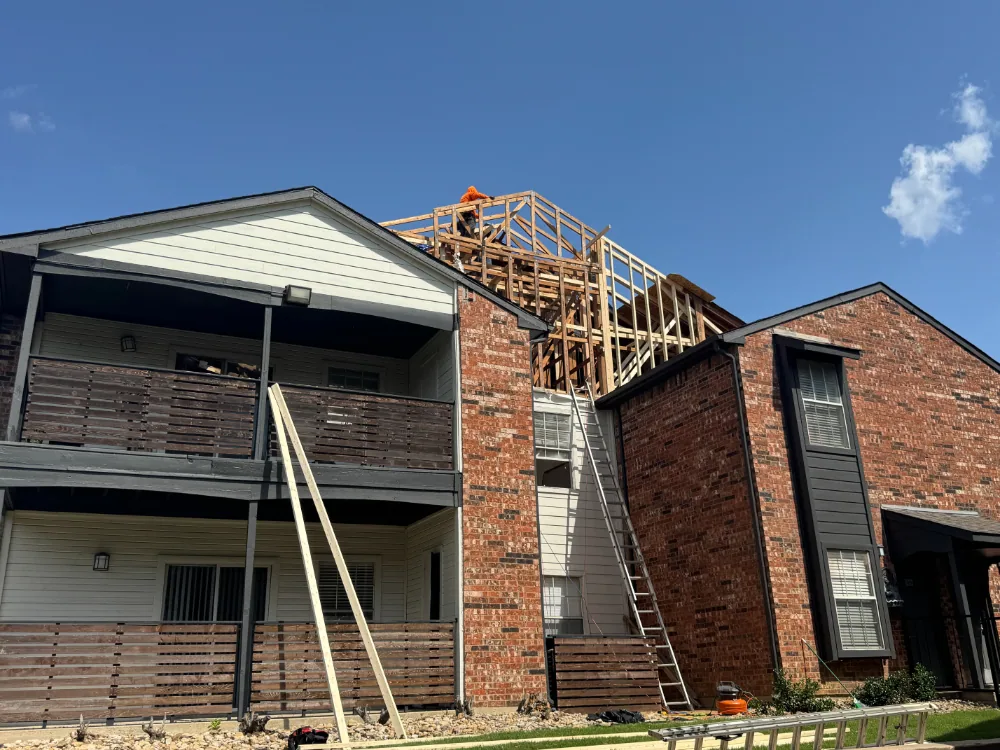
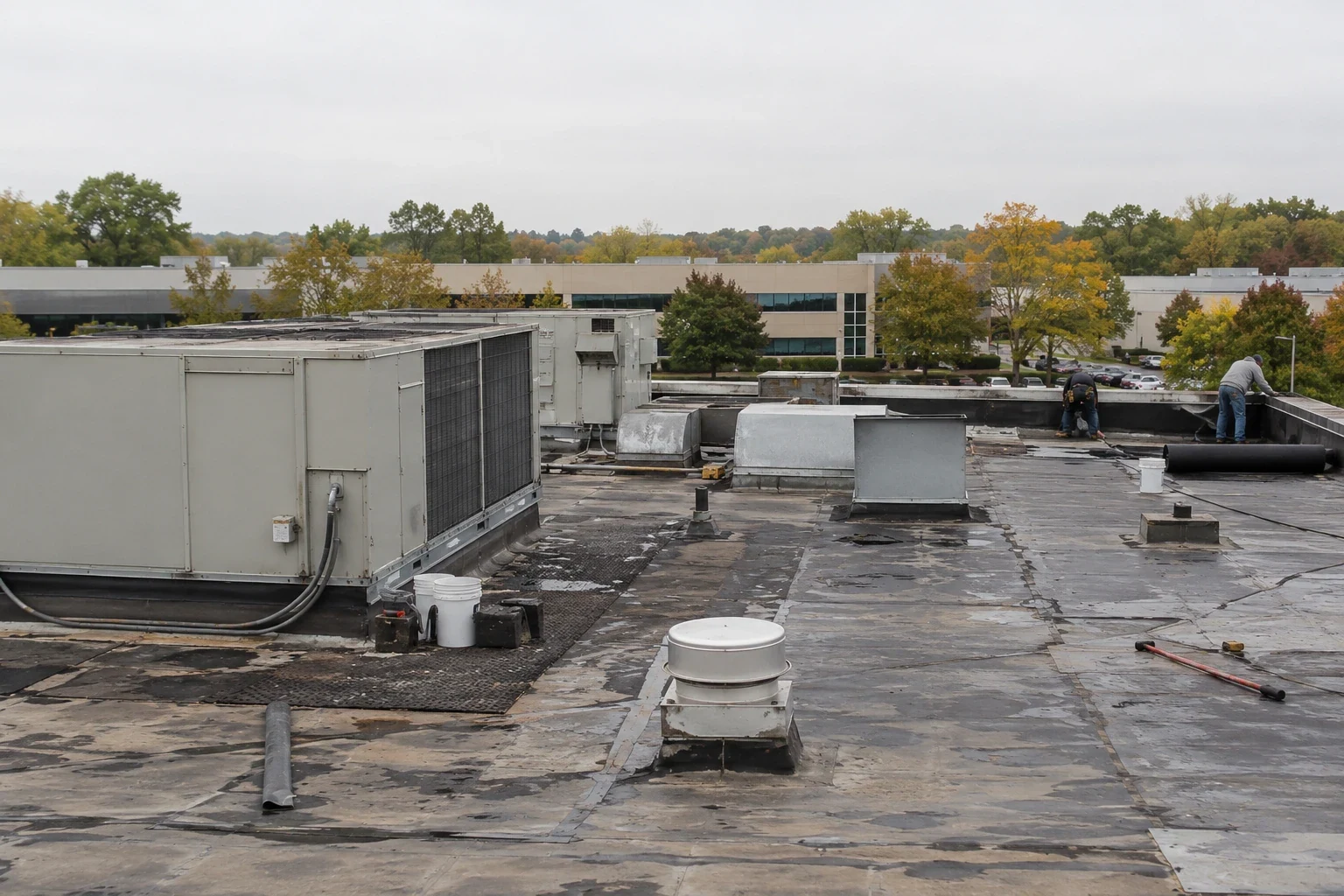
Which building needs an immediate roof decision?
We review the tenant's room or suite, report date, active water entry and prior service history, then align them with the roof plan. A stain may sit downslope from a failed curb or seam. We inspect details above and upslope, photograph visible conditions and note where access was not available. Each finding identifies the building, section and business impact without expanding a localized issue into an untested portfolio-wide condition.
Infrared patterns can help select core test locations when moisture may be concealed. Samples confirm only the spots opened, not every roof around them. We mark tested area, visible failure and open questions separately before proposing quantities. A commercial roof inspection can establish condition bands across properties. For active water entry, emergency repair response can control the immediate issue while permanent work is scoped from documented findings.
How can a multi-building portfolio be compared?
Managers need a consistent record without flattening differences between roofs. We use the same fields for building identifier, roof section, assembly, test boundary, repair history, approved quantity, condition band and next review date. A property with one localized seam repair can then be compared with another where testing confirms wet insulation. The portfolio view shows urgency and timing; it does not replace the inspection record for each address.
Set a portfolio date and group work by season window, access limits or tenant schedule. A multi-site roof program can track findings and completed sections across a manager's list. capital planning links confirmed conditions with budget periods, while a condition report retains photographs and test limits. Each property keeps its own map so recommendations can be checked against the specific roof system. When portfolio records do not include a roof plan or prior assembly information, the inspection notes that gap rather than filling it with an assumption. A follow-up task can then request drawings, warranties or prior invoices from the owner file. That step reduces duplicate investigation and makes the next budget review easier to compare.

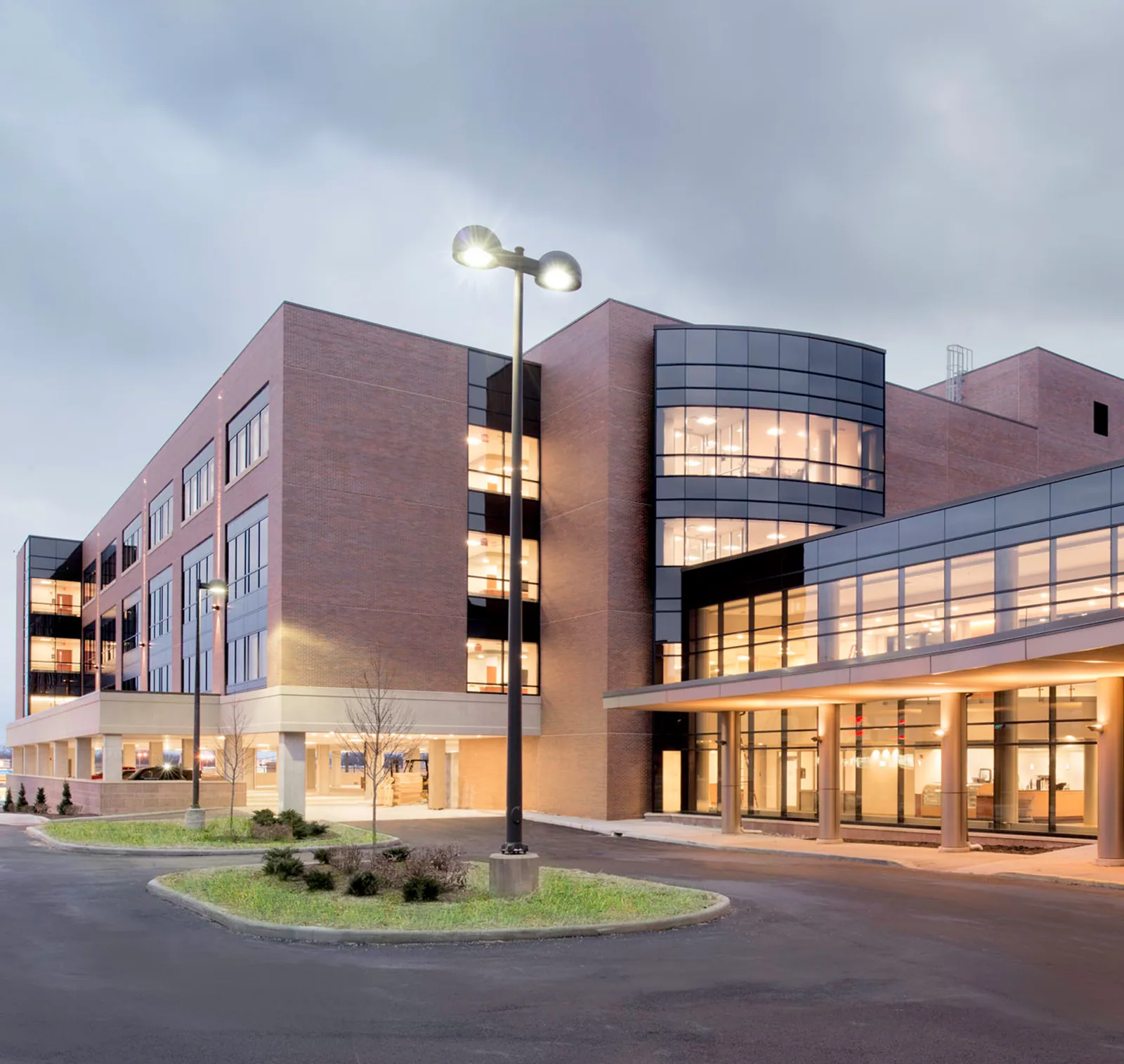
How should tenants be kept informed?
The manager identifies notice requirements, loading hours, occupied suites, public entrances and equipment shutdown authority. We name the active roof section, staging point and daily handoff so tenant notices match the work. A leak over one tenant's space may trace to a shared area, so the record distinguishes the affected room from the roof boundary. If an access route needs temporary control, the plan lists its location and expected duration.
Aurora's warm-season monthly rainfall can approach four inches, so managers should track open work areas against the forecast and the approved dry-in boundary. Each shift needs an approved dry-in limit and verified tie-in before work pauses. We protect drainage paths and record completed sections before leaving. Managers along Route 59 may coordinate near dense retail traffic, while properties near the Sugar Grove industrial area may need to preserve truck access. The work plan follows each site's rules and tenant hours.
Repair, recover or replace by roof section?
A focused repair may fit an isolated opening when surrounding membrane, insulation and attachment remain serviceable. Repeated leaks, open seams across a section or confirmed wet insulation may justify broader replacement planning. We compare the test map, drainage, curb heights, repair history and access before setting scope. A repair plan keeps approved work clear; a separate replacement quantity can be scheduled where evidence supports it.
Recover or coating may reduce tear-off only when the existing assembly and drainage can support another layer. A recover assessment checks attachment, moisture and transition height. coating restoration requires a compatible substrate. Managers coordinating outside trades can use a general contractor coordination plan for roof handoffs. The manager can rank options by condition, timing and operating impact without assuming lower disruption means lower long-term work.

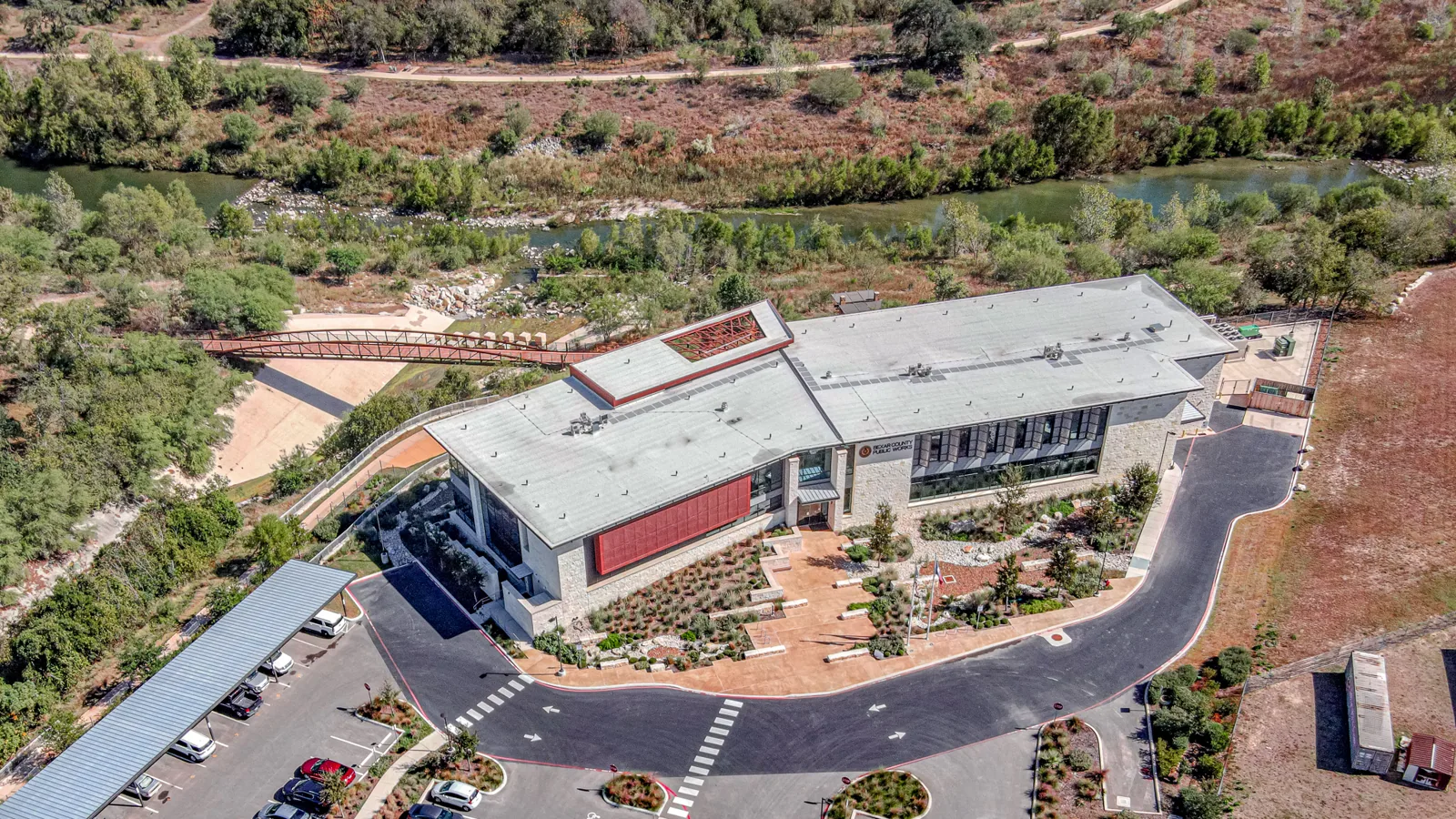
What belongs in a property manager's roof file?
Keep roof plans, leak tickets, inspection photographs, test results, proposals, approvals and closeout documents under the building address and portfolio date. Each repair entry should include section, material, approved quantity, concealed condition and completion date. Record untested areas or deferred details with a follow-up trigger. These fields let a new manager pick up the history without interpreting an old invoice that only says “roof repair.” Owners and REIT asset teams may also need the same section-based record when weighing acquisition needs against near-term operations. A real estate portfolio review can connect the inspection basis with property-level capital decisions.
Downtown Aurora, Fox Valley Mall and the Eola Road corridor are distinct commercial settings. Use Downtown Aurora, the Fox Valley Mall district and the Eola Road corridor as service-location references, while each roof map remains specific to its address. A next inspection date should follow the section's condition and work history, not only a calendar reminder shared by the full portfolio.
How should a manager prioritize roof leaks across several properties?
Start with active water entry, affected operations, safety concerns and confirmed roof conditions. We map each report to a section, identify testing needs and separate emergency control from permanent repair. A portfolio record can rank work by condition and timing while retaining each property's own approved quantity.
Can one inspection format work across different roof systems?
A consistent report can capture address, assembly, test boundary, condition band and next action, while observations remain specific to each roof. TPO seams, metal transitions and coating surfaces need different detail checks. The portfolio summary compares status; the property record preserves system-specific findings.
What should a manager give tenants before reroofing?
Use the approved sequence to identify affected buildings, dates, entrances, loading areas and any suite access or equipment shutdown. We provide a work boundary and daily handoff for notices. If weather changes a shift, share the revised area and access time before the next work period.
When should a property manager consider roof replacement?
Review repeat failures, test results, repair history, drainage and remaining section condition. Confirmed wet insulation or recurring seam problems may justify replacement planning; one isolated opening may not. We document evidence and quantities so the manager can compare immediate repair with funded work in a later budget period.

Request a Roof Assessment
Send the Aurora portfolio list, property contacts, roof plans and active leak reports. We can inspect by address, document approved quantities and build a section-based record for maintenance and capital review.
Call 555-555-5555 or send the form and we will set a time to walk the roof.