Commercial Roofing on East New York Street, Aurora, IL
Service Areas
Tie the New York Street roof scope to its address
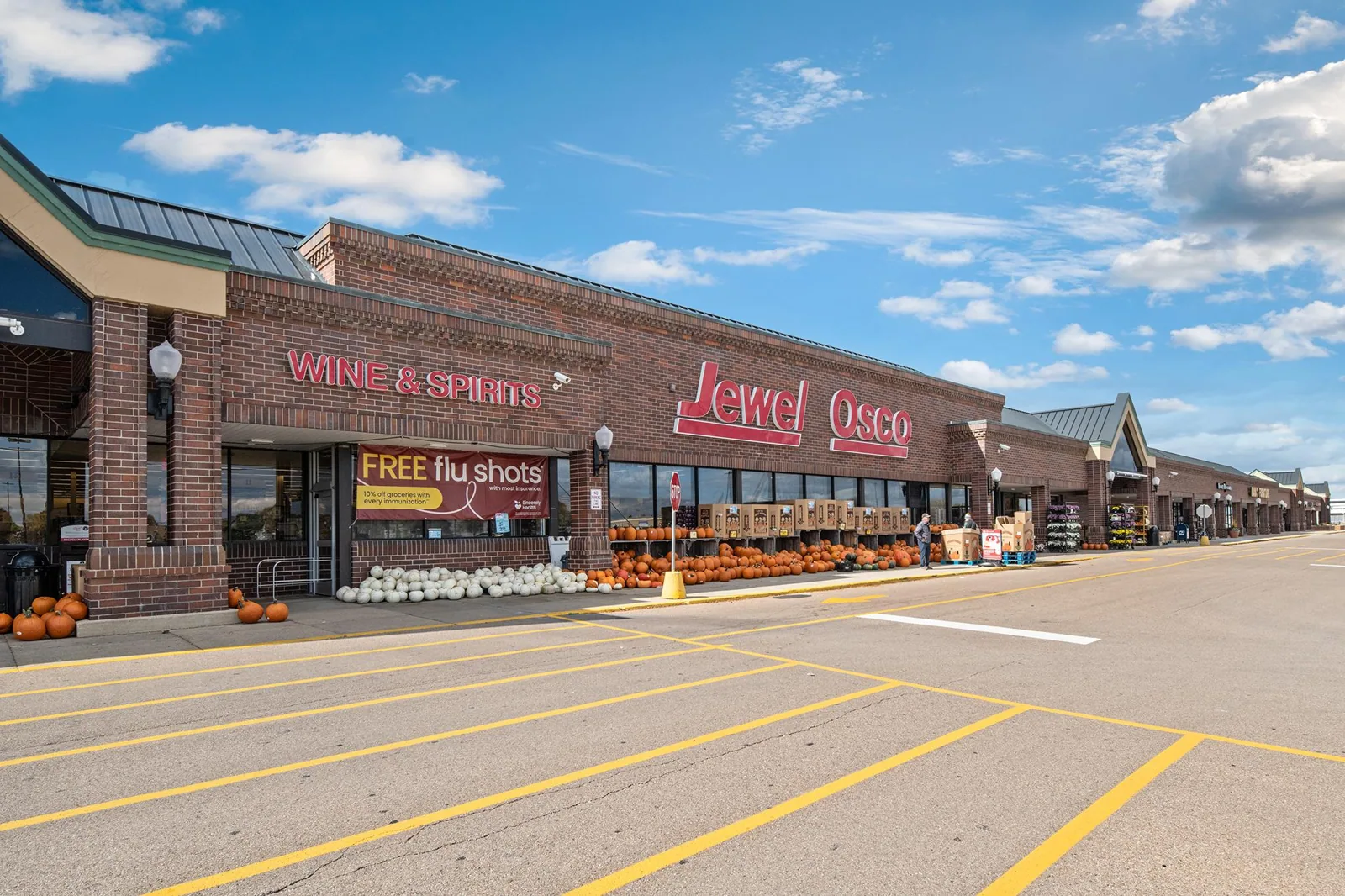
A service record along New York Street should name the roof section before the facility compares a leak report with an earlier repair. The street is an east-west route across Aurora and part of the city's core circulation network. Near Route 59, it links retail and service clusters with regional highway access. We confirm the site address, roof plan and access contact, then record seams, drains and penetrations by location. The route helps orient the visit, while the property's own records establish the work boundary.
Aurora's major employers span healthcare, education, government, finance, precast concrete and equipment manufacturing. A facilities team may therefore manage different operating schedules across the city, but site conditions must be confirmed at each address. Aurora averages about 121 days below freezing per year and near four inches of precipitation monthly from May through September. We look for drain restrictions, curb movement and earlier patches that could affect the next repair decision.

How should a New York Street roof walk be documented?
We check the roof plan against the reported room, service ticket or tenant note, then confirm the approved access point. The walk covers membrane markings, attachment clues, seams, penetrations, drains, edge metal and previous repair boundaries. A roof inspection should distinguish direct observations from suspected moisture and show where equipment or access limits left a surface unseen. A map tied to a roof section gives the next facilities contact a location they can verify.
If an interior stain could involve concealed water, an infrared survey may help select sample locations. A thermal pattern is not a confirmed wet area; each core or approved test applies to its own opening. We mark the tested boundary and state what remains untested. For a building with several maintenance records, comparing repair dates and roof maps can also reveal whether a later mechanical project added a new penetration at the reported location.
Which findings support a repair quantity?
A short puncture or separated flashing can fit a limited repair if surrounding membrane and substrate remain sound. Multiple leak notes do not prove multiple roof failures, since water can move beneath the assembly before it appears indoors. We inspect the nearby drainage path and transitions, then assign a quantity only to the confirmed work. A repair scope can list each detail and note any additional area that depends on sampling or removal.
If the same defect returns or testing finds wet insulation beyond the opening, we compare a larger section with the local fix. Roof layers, attachment, edge conditions, drain elevations and remaining serviceable membrane affect that comparison. A replacement evaluation can document the tear-off boundary and change process. Any new work uncovered during removal is photographed and measured, then presented to the owner before it is added to the approved quantity.
What should be confirmed before a crew reaches the roof?
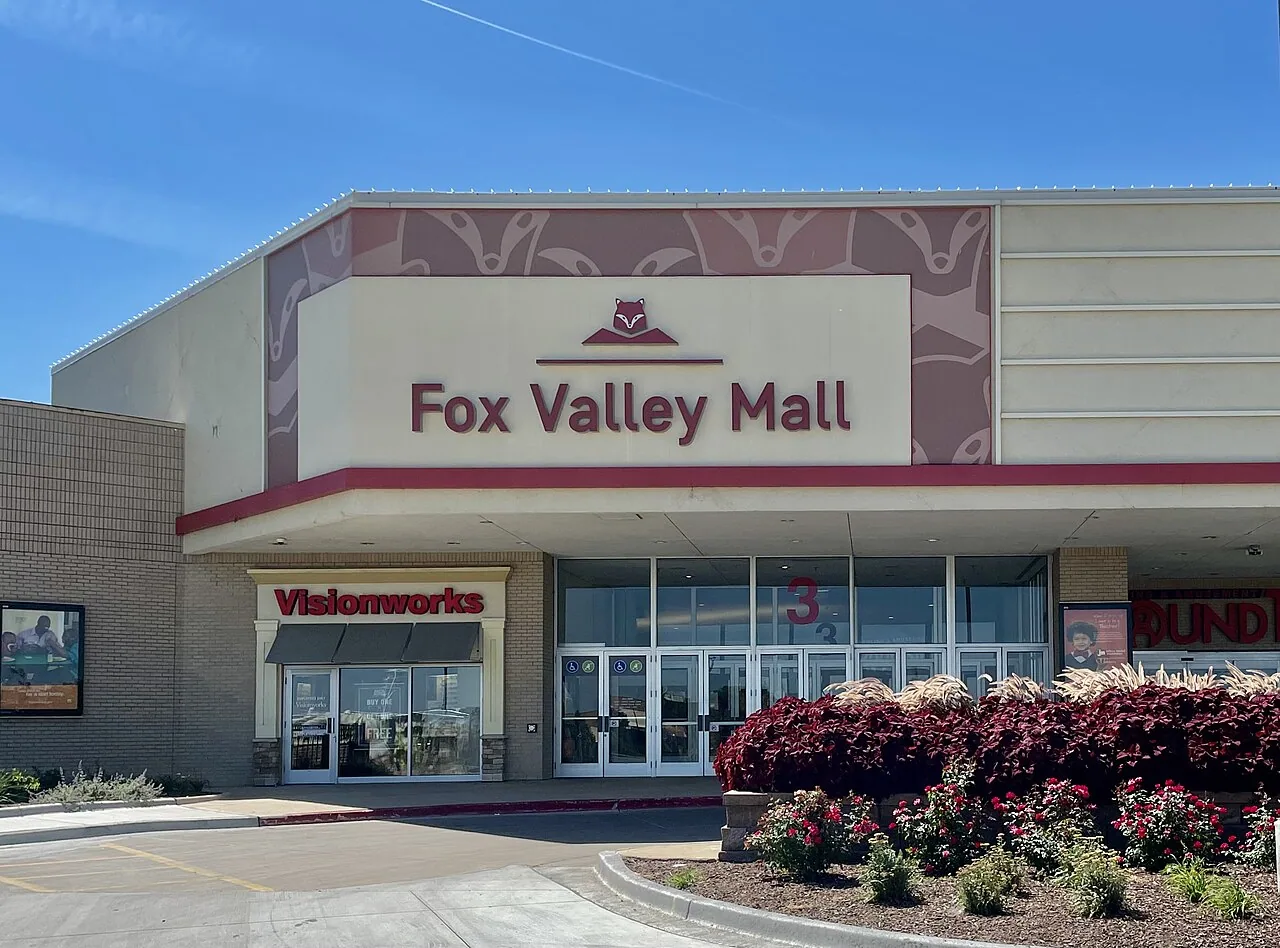
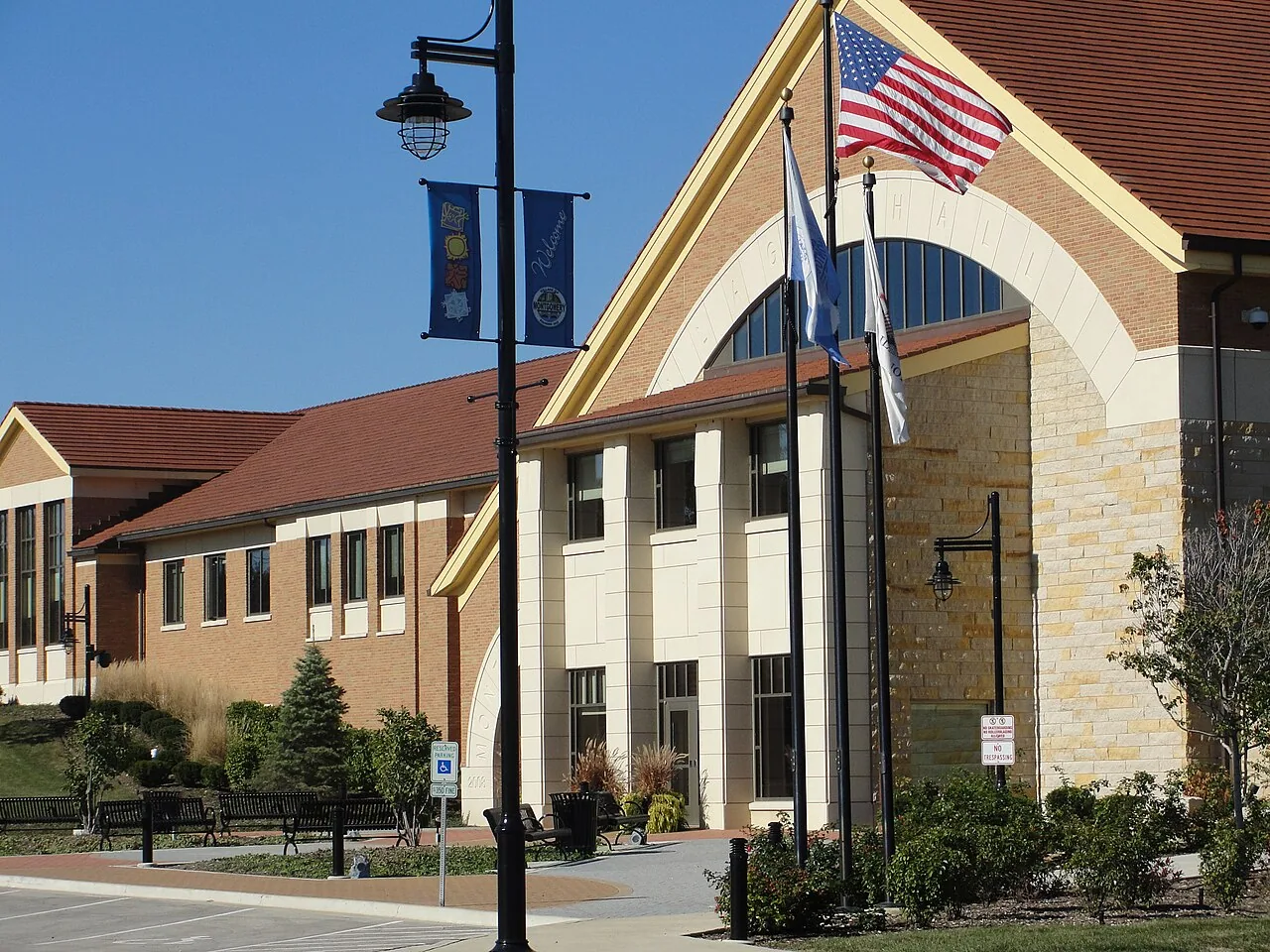
The route does not specify a building's loading area, parking rules, lift placement or roof entrance. We confirm those details with the facility contact, including whether a tenant or equipment operator needs notice. If materials cross an occupied space, the plan identifies protection and the path of travel. The work sequence should also list any equipment shutdown or restricted zone that affects access, separate from the measured membrane work.
When water is entering a facility, our emergency line is staffed at all hours. The initial visit can protect the affected area, while permanent repair follows once the assembly and repair boundary are understood. We document both scopes separately. Aurora's cold season and wet spring-to-summer period can change the suitable work window, so a facility can note any operation dates that constrain access or surface preparation.
How can a multi-building owner prioritize work?
Compare roof sections by condition, active water entry, test result, repair quantity and next review date. The citywide mix of healthcare, public education, government and manufacturing creates varied facility priorities, but does not tell us which roof needs work first. We keep observed damage separate from unresolved test areas and list access constraints as scheduling assumptions. A capital plan can sequence funded repairs without combining separate buildings into one quantity.
Assembly changes are reviewed against Aurora's adopted building codes and applicable Illinois energy requirements. The specific project documents govern which review items apply. A condition report keeps photographs, sample boundaries and open items behind the comparison. Managers can keep a distinct retail-corridor work record or another commercial-route roof file while tracking each site's maintenance date in a shared calendar.

What should stay in the New York Street property file?
Retain the marked plan, roof-system identification, leak tickets, invoices, test results, approved quantities and closeout photographs. The work record should show what was repaired, what remains open and what could not be accessed. If an issued warranty applies, keep the actual document and issuer contact rather than relying on a product name. Record later rooftop equipment work as it occurs, since a new curb or conduit can change the roof details without changing the property address.
New York Street and Route 59 connect different parts of Aurora's commercial network, but a route map is not a maintenance file. The owner should keep each address's condition history, access notes and next review date with its own roof drawing. A later inspection can compare the same seam, drain or flashing with the prior photo set. That makes a change in condition visible and keeps the next repair discussion tied to evidence.
Does New York Street's position in the road network identify nearby roof conditions?
No. It helps orient access and portfolio scheduling, but the building's own drawings and field inspection identify membrane, drainage and damage. We keep route context separate from observed conditions and note any roof section that could not be reached.
Can a roof leak be mapped from a tenant's service ticket?
A ticket can identify the room and time of the report, which helps guide the inspection. We compare it with the roof plan, examine nearby details and test suspected concealed moisture where needed. The report marks the roof location rather than treating the ceiling stain as the repair boundary.
How are roof repairs coordinated for a building with active operations?
We confirm the access point, work hours, material route, equipment restrictions and any protection needed below. The site contact reviews those details before work. Temporary protection and permanent repair are documented separately, with any quantity change presented for approval.
What should a property manager use to compare several Aurora roofs?
Use one record per address with condition band, photographs, test results, approved repairs and next review date. A portfolio table can compare priority and budget timing, while each site's drawing holds its own quantities and access limits. That keeps a citywide summary from replacing property evidence.
Request a Roof Assessment
Share the Aurora property address, roof drawing, service history and facility contact. We can inspect the reported section, document test limits and prepare a measured repair or replacement scope.
Call 555-555-5555 or send the form and we will set a time to walk the roof.