Roof Systems in Aurora, IL
Roof Systems
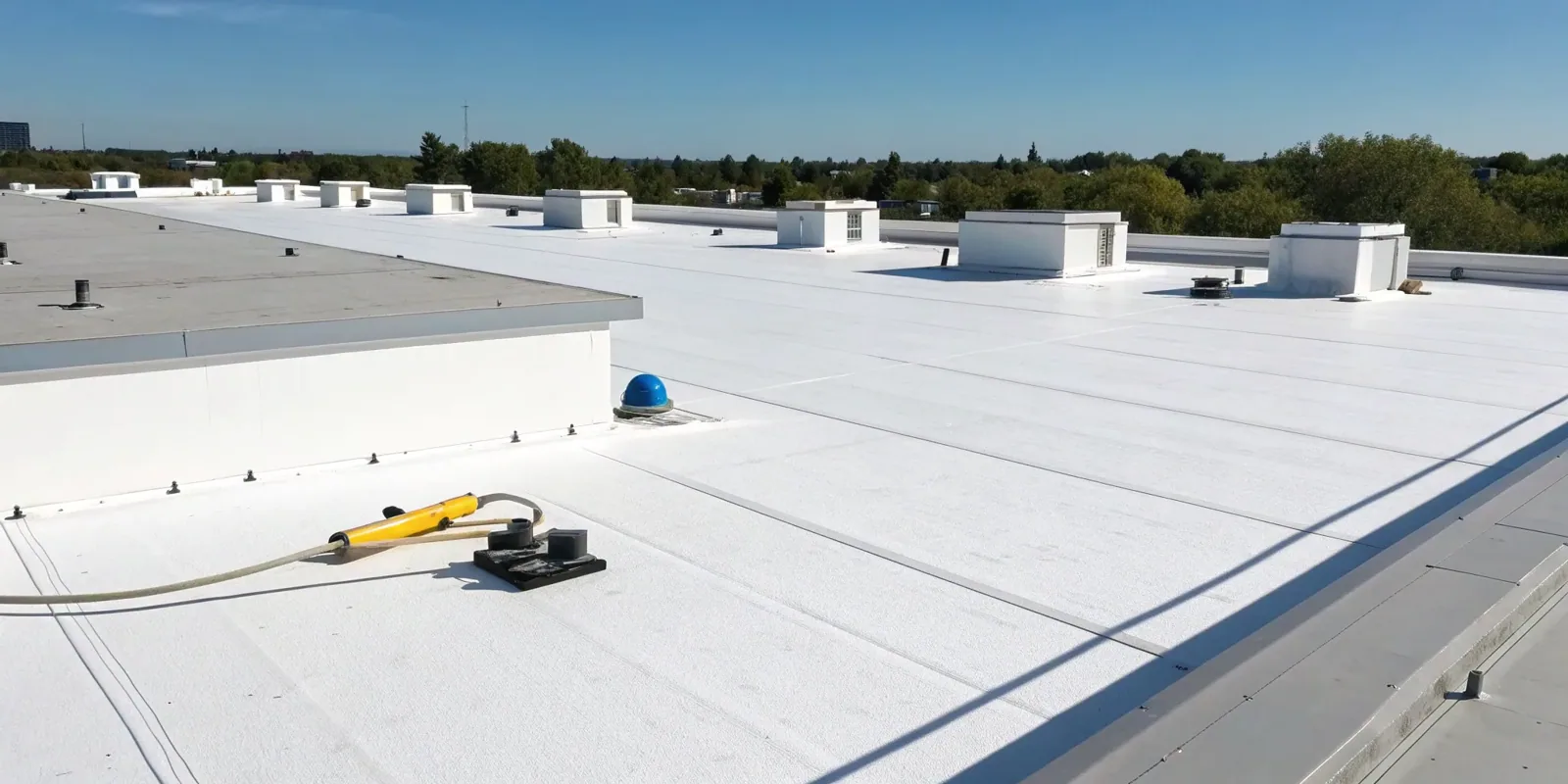
A roof-system choice starts with the existing assembly and the job the owner needs it to perform. Commercial Roofing Contractors Aurora evaluates membranes, metal and coating options against deck condition, drainage, insulation, details, access and project constraints. A product name alone does not show whether a recover is feasible or whether replacement is needed. We identify what is installed, record unresolved conditions and explain which system options can be considered for the specific building.
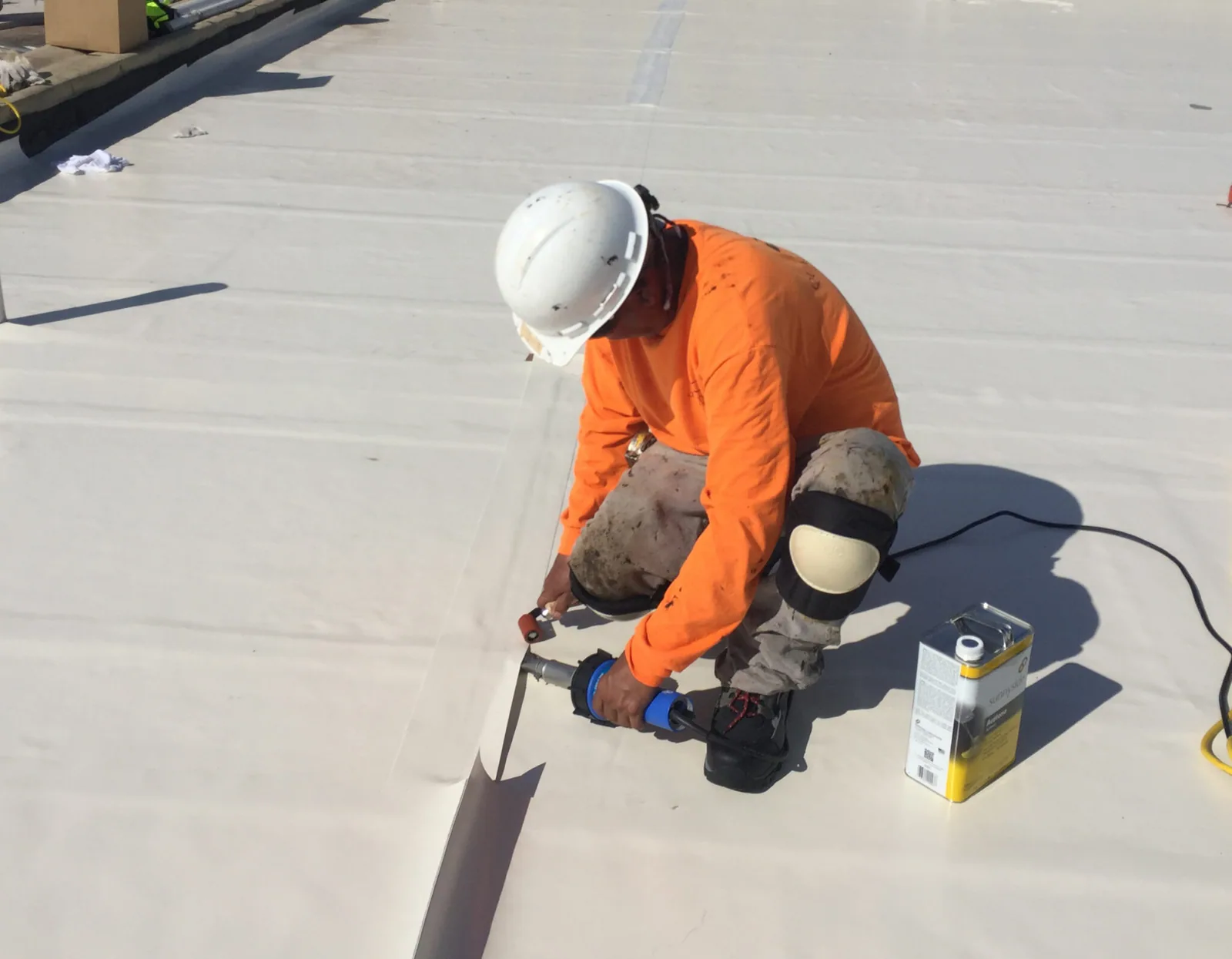
Common single-ply systems include TPO, PVC, EPDM and KEE. Each has different material properties and details. Compatibility with existing roof layers, edge conditions and manufacturer requirements must be confirmed before specifying new work.
Common Questions
Can the roof system be identified from a satellite image?
No. Aerial imagery may show layout or visible surface features, but records and field inspection are needed to confirm layers, attachment, substrate and concealed moisture.
When is a recover worth evaluating?
Consider it only after layer count, moisture, attachment, deck condition, drainage, height and applicable code requirements are checked. Testing should identify which roof areas can remain and which require removal.
Which existing details affect repair compatibility?
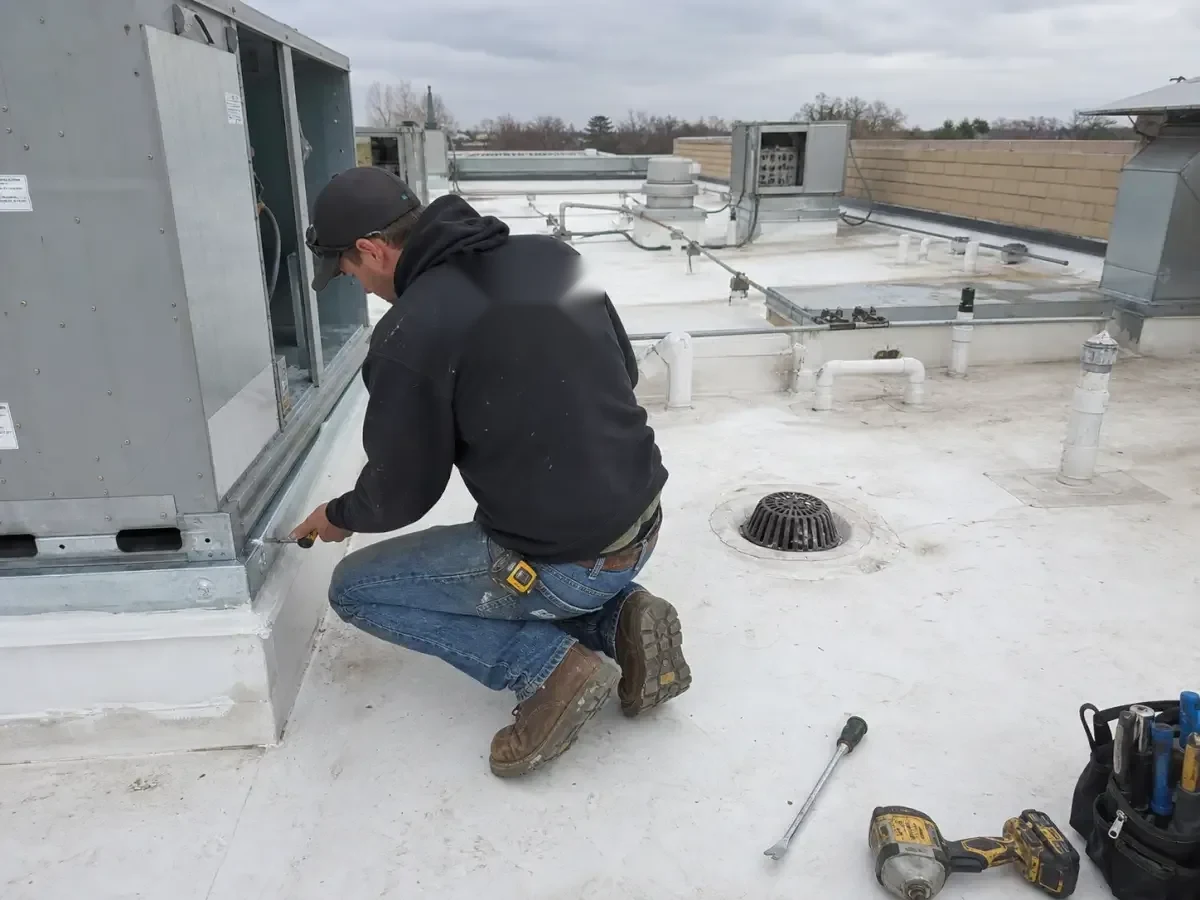
The membrane family, seam type, flashing, substrate, fasteners, coating and nearby transitions can all affect a tie-in. We identify what is installed before selecting materials for the repair.
How should a coating option be compared with replacement?
First confirm adhesion, substrate stability, moisture and drainage. Then compare preparation and renewal limits with the removal, tie-ins and protection required for replacement.
Aurora, IL
Roof Systems

Explore
More Commercial Roofing
Compare the assembly before comparing product names
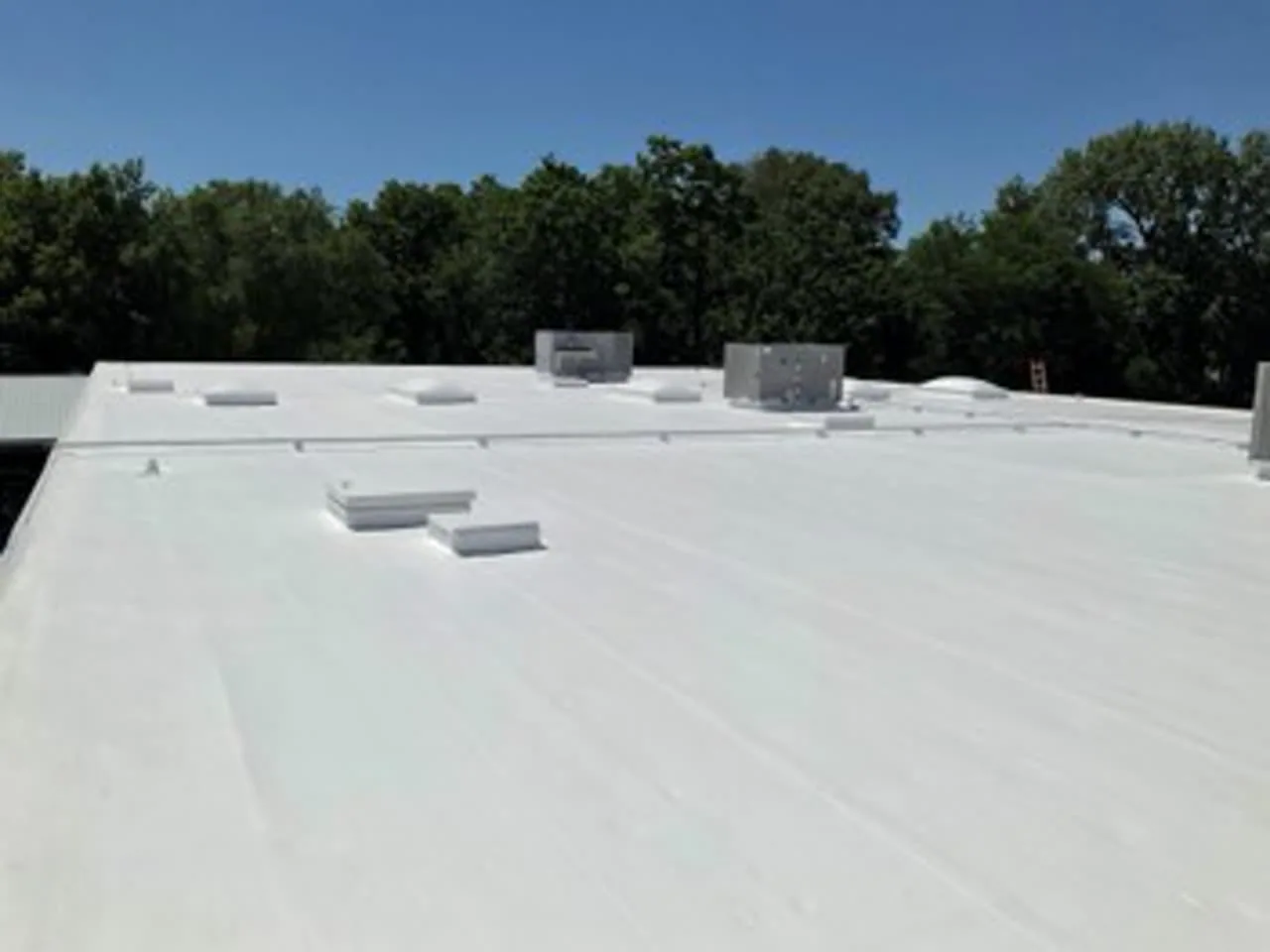
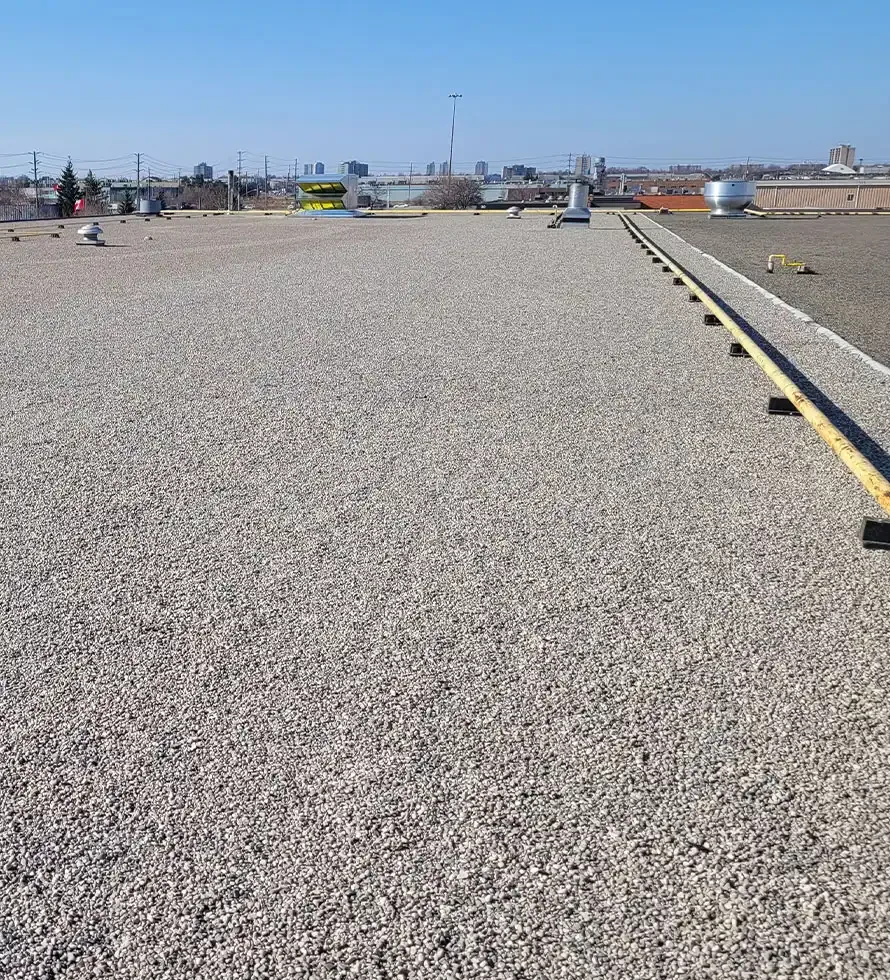
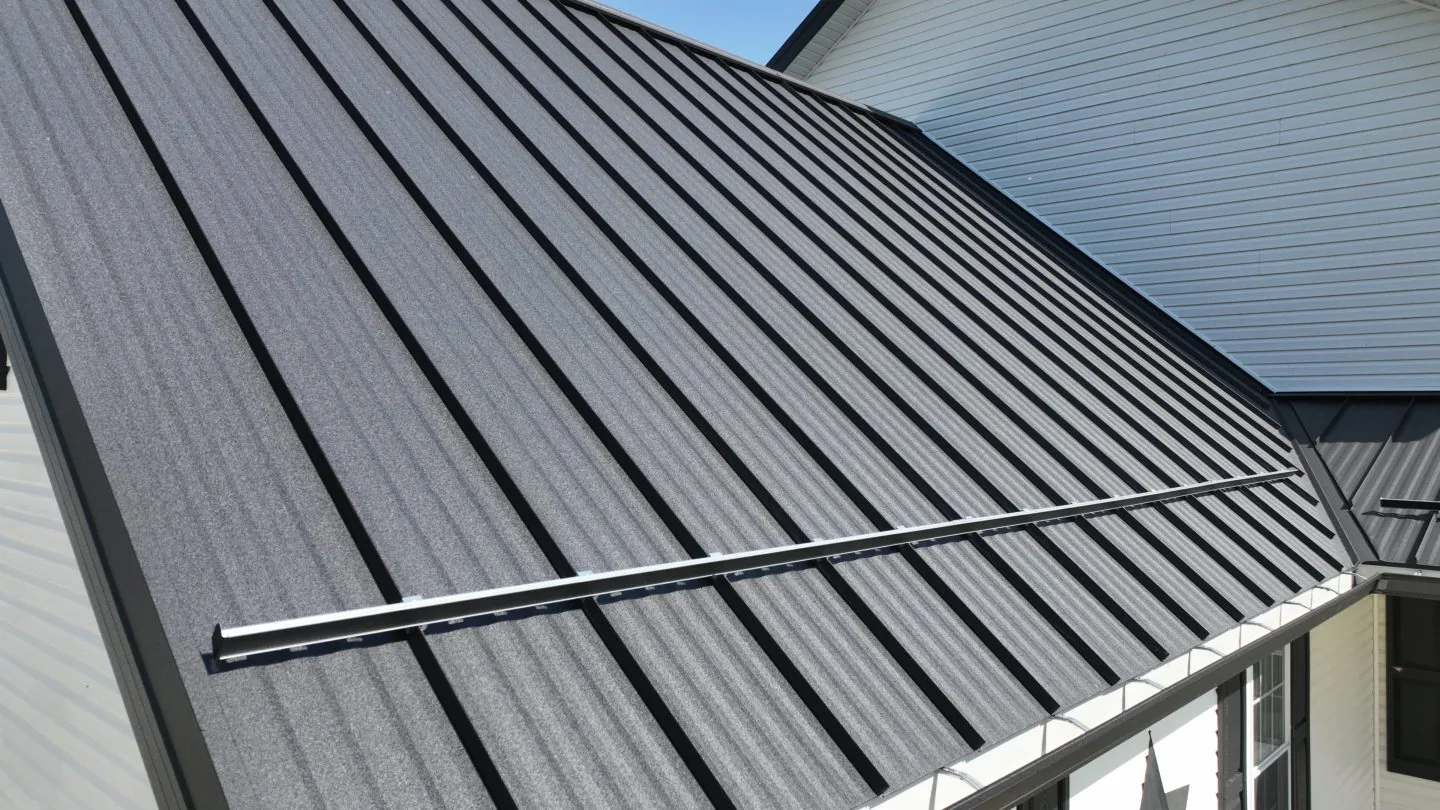
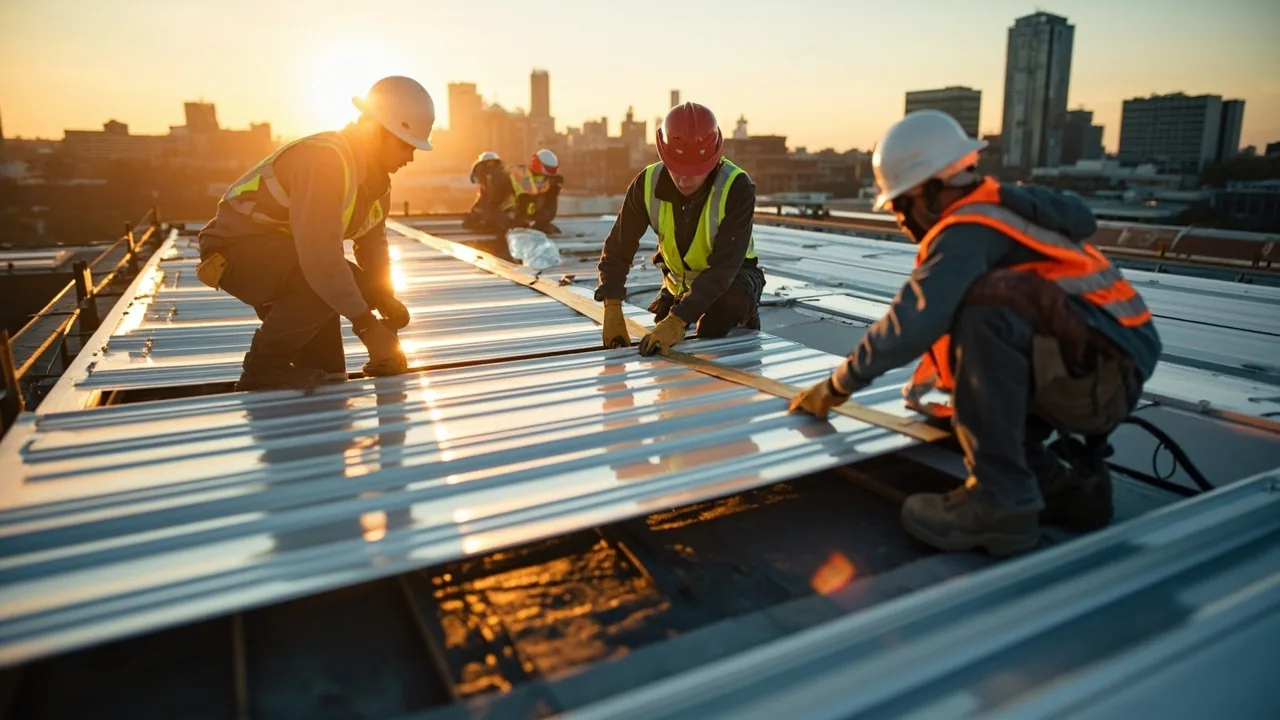
Older low-slope roofs may include modified bitumen or built-up roofing, while some buildings use metal panels or foam. A standing-seam metal roof is evaluated for panel, seam, clip and penetration details. A metal retrofit must account for the existing structural and drainage conditions. Spray polyurethane foam and coatings such as silicone or acrylic have their own substrate and application requirements.
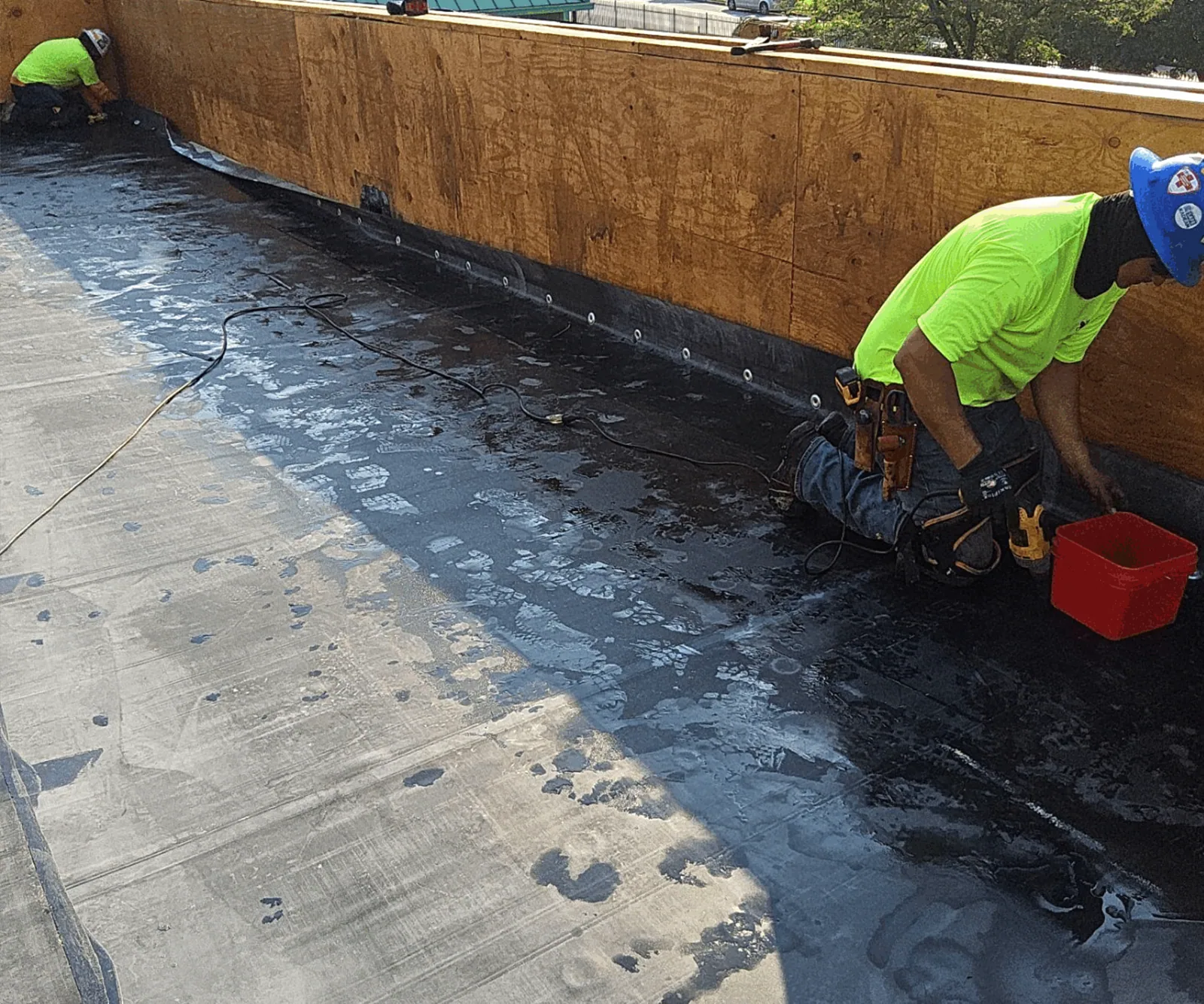
Selection should follow an inspection of the deck, insulation, drainage, flashings and prior repairs. Determine whether moisture is present and whether the existing layers can remain. A recover may be limited by code, system instructions, roof weight or hidden deterioration. Replacement should describe removal and tie-in details. For any option, the scope should specify materials, preparation, test conditions, penetrations and perimeter work instead of relying on a generic system label.
What conditions affect system suitability in the Aurora market
Aurora's seasonal freeze-thaw cycles and warm-season rain make drainage, seams, flashings and movement details important parts of inspection. The actual exposure varies with roof geometry and maintenance. A low point that holds water, an open lap or a poorly coordinated curb can undermine a new membrane regardless of brand. Confirm slope and discharge routes, then plan details that address the building's observed conditions.
Properties near Fox Valley Mall, Cantera and the I-88 corridor have distinct uses and roof histories. A warehouse, office, retail property or school can require different access and phasing. These local references help identify the market, but do not establish system type or condition. Request records, identify previous repairs and test where concealed moisture could change the design. Product warranties must be read in their issued form; a proposed system does not establish coverage by itself.
What should a system scope establish
System selection follows verified layers, substrate, drainage and roof details. Compare compatible repair, recover and replacement options against the same test map, and keep untested sections outside the conclusion until evidence supports them. A condition report should name what is established and identify the next inspection or test needed to resolve an unknown assembly.
A useful proposal describes the selected system, preparation, insulation or cover board, attachment, flashing, drainage details, transitions, daily tie-ins and quality documentation. It should also disclose assumptions about deck condition, access and occupied-space protection. Owners near the Fox River, downtown Aurora or the Route 59 corridor can use this same evidence-based review: the address sets the context, while measured roof conditions determine the work.
Compare assembly requirements before products
Put each system option against the roof section it would cover. Confirm deck and insulation condition, attachment, drainage, flashing heights, penetrations, existing layers and how the new detail ties into adjacent areas. The owner can then see which constraints rule out an option, what testing could change that conclusion and what the proposed assembly includes. A product comparison without those conditions can hide the work needed to make a system perform at the building.
Confirm the existing roof before choosing a system
Provide the building address, roof plans, prior repair details and any warranty documents. We can identify the assembly and outline system options supported by inspection.