Commercial Roof Repair in Aurora, IL
Commercial Roofing Services
Document the repair before the next budget review
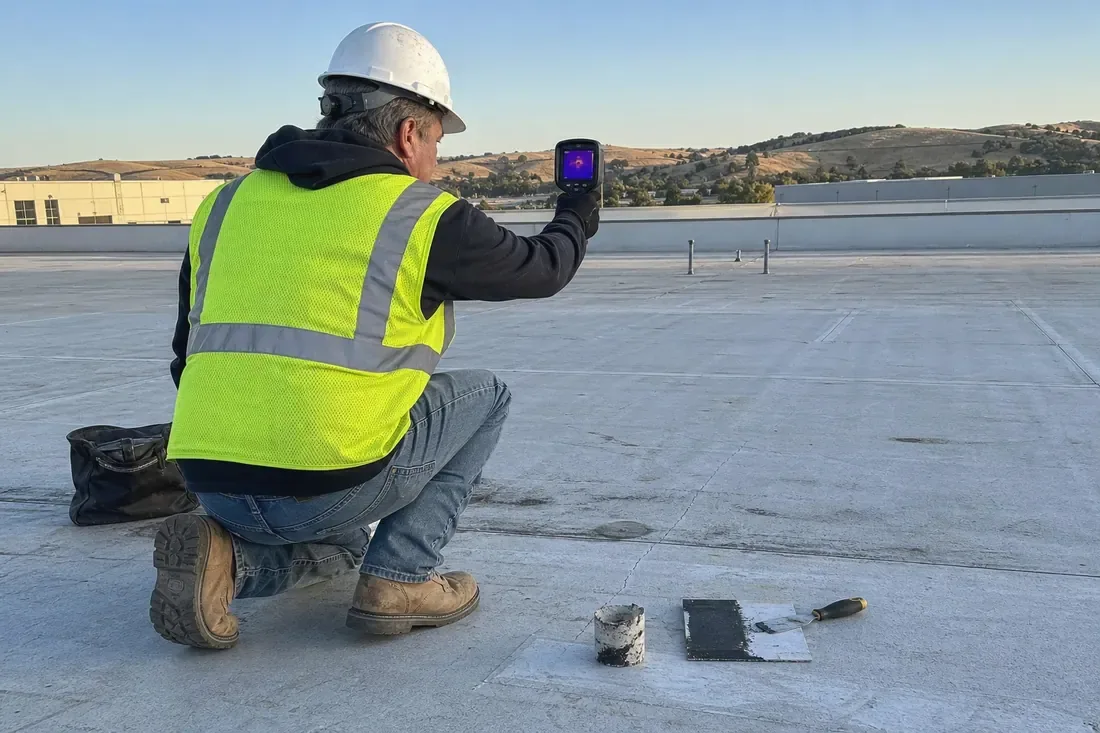
A seam that opens at one roof section can be repaired only after the surrounding membrane is checked for movement and loss of adhesion. We trace the defect, inspect adjacent laps and terminations, and record whether the repair can remain local. Aurora experiences repeated freeze-thaw conditions, so a small opening exposed to standing water can widen as temperatures move below freezing. The inspection distinguishes a repairable detail from a larger condition that has crossed its repair threshold. A written roof inspection sets the approved quantity.
At a facility near Fox Valley Mall or along Eola Road, occupied hours and access routes may affect how repairs are sequenced. Regional retail patterns do not establish the roof's assembly; we confirm membrane type, previous patches, drainage and penetrations at the building. Our work order identifies each repair location by roof section, notes the suspected failure mechanism and records the material used. The facility director can then match completed work to the open maintenance item instead of carrying a vague repair line into the next portfolio date.
What should a repair address?
A sound repair bonds or fastens into material that still has capacity. We inspect the edges of a split, puncture or loose flashing and look for wet insulation, contamination, movement, failed sealant and an underlying deck issue. On a single-ply roof, the repair method must suit the membrane and its surface condition; on modified bitumen or built-up systems, the detail differs. We record what was observed and what remains concealed. If a local patch would bridge unstable material, we identify the larger section that needs evaluation.
Drainage can be part of the failure. Aurora receives about 37.7 inches of precipitation in a typical year, with monthly totals near four inches from May through September. We check nearby drains, scuppers and flow paths when ponding or repeated wetting appears beside a repair. Clearing or correcting a drainage detail may reduce recurring stress, but it does not replace membrane work where the assembly is already damaged. For roof edges or perimeter movement, we can coordinate a focused flashing repair assessment with the membrane scope.
How local is the damage?
Repair quantity follows the boundary of sound material, not the size of the stain inside the building. We inspect the roof above the reported area, then trace seams, penetrations and drainage paths outward until the observed condition is defined. Water can travel within a roof assembly, so the interior symptom serves as a clue rather than a roof-location marker. Photos and a roof plan help show where the opening is, which materials are involved and whether insulation testing is justified. That record separates confirmed damage from an untested assumption.
Northern Illinois storm history includes hail and tornadoes; for an Aurora repair, we use event records to guide inspection while field evidence establishes actual damage. After a reported event, we check exposed edges, impact marks, displaced equipment flashing and punctures, while avoiding attribution to a specific storm unless the facility's evidence supports it. Hail-related roof observations and wind-related detail checks can be documented apart from ordinary aging. Properties near the BNSF and Metra corridor may have different access windows, but the condition map governs which repairs are included.
What belongs in the repair quantity?
Repair cost changes with access, membrane type, number of details, substrate preparation and whether insulation or deck work is needed. We list unit quantities and exclusions, then identify a decision point for concealed conditions. A line item that includes surface preparation, compatible patch material and edge treatment is easier to compare with another estimate than a generic allowance. If test cuts are needed, we state where and how they will be closed. The resulting scope gives the owner a basis to approve a repair now or compare it with replacement planning.
For facilities operating around the Fox Valley retail network, phased access can affect mobilization and work windows. We confirm whether the work area sits near entrances, loading zones or equipment routes and coordinate temporary protection around those functions. Repair activity can be scheduled by roof section so completed areas remain traceable. When the same failure returns at multiple points, the report can show that pattern and support a broader assembly review. A condition report preserves the observation and its basis for future capital review.
How do you verify the repair?
After the repair, we inspect the worked seam or flashing, confirm that edges are secure and check adjacent details for disturbance. Photographs are labeled by roof section and linked to the repair work order. If a test area or concealed condition changed the approved scope, the record names the measured addition and who authorized it. Those steps let the owner distinguish completed repair from follow-up monitoring and preserve a usable baseline for future inspections.
Aurora's below-freezing days make a date and condition note useful: a repair observed in warm weather may face a different water and movement cycle in winter. We include the next review window based on the documented condition, with earlier observation if a new symptom appears. A maintenance visit can revisit repaired details and drainage. For multi-property operators, portfolio-level tracking connects the work order to budgets without treating different roofs as identical.
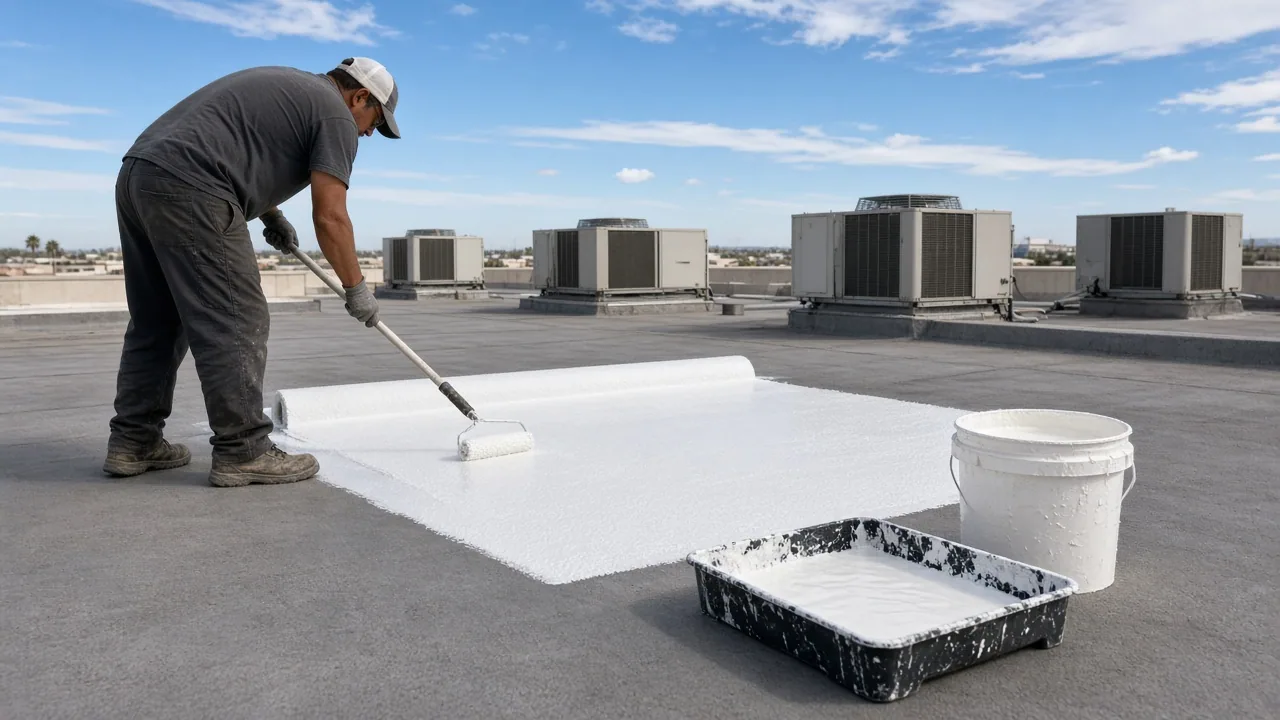
Can you repair only the area above an interior stain?
The stain helps select the inspection area, but it does not establish where water entered. We trace likely paths across the roof, review nearby seams and penetrations, and check drainage before setting the repair boundary. If evidence points to insulation or concealed moisture, we recommend testing rather than extending the patch by guesswork. The work order then names the roof location and repair quantity.
Which roof records improve a repair estimate?
Prior repair logs, system details, roof plans, leak dates and any warranty documents help narrow the initial inspection. We compare those records with what is visible on the roof and note conflicts rather than assuming old drawings remain accurate. Photos of interior symptoms can add useful timing and location clues. The estimate lists the field-verified work separately from any allowance for concealed material.
When is a repeat repair a sign of broader failure?
A pattern across seams, perimeter details or several sections can mean the problem extends beyond one isolated opening. We map each occurrence, compare the repair history and inspect adjacent assembly conditions. If repairs no longer address the active failure mechanism, we show the condition band and options for a broader section. That comparison can include replacement planning without turning a localized visit into an unsupported full-roof recommendation.
Do storm observations prove hail or wind caused the damage?
No single mark establishes cause on its own. We document what we see, including displaced details, membrane punctures and impact indications, then compare the observations with available event and maintenance records. Northern Illinois has recorded damaging hail and tornadoes, but a particular building's damage needs its own evidence. The repair scope states confirmed conditions and leaves attribution open when the record does not support it.
What if the repair area is near active loading or customer access?
We coordinate the work boundary, material handling and temporary protection with the facility contact. A retail property near Route 59 may need a different access window from an industrial building near Aurora Municipal Airport. We confirm the actual site's rules before scheduling and keep the repair area secure during interruptions. The written sequence identifies the operational constraints and the roof sections affected.
Request a Roof Assessment
Provide the Aurora address, roof plans, repair history and facility contact. We will trace the reported condition, map the approved quantity and record any section that needs further testing.
Call 555-555-5555 or send the form and we will set a time to walk the roof.