Commercial Roof Inspection in Aurora, IL
Commercial Roofing Services
Put each roof section on a dated record
A drain bowl packed with debris can create ponding that is easy to miss from a parking lot. We walk the roof, inspect the flow path and nearby seams, and record whether water is draining or held against a detail. Aurora receives about 37.7 inches of annual precipitation, with wetter monthly normals from May through September. That pattern gives the facility team a reason to tie inspection timing to drainage performance and seasonal exposure. The findings establish a condition band for each roof section rather than a single building-wide label.
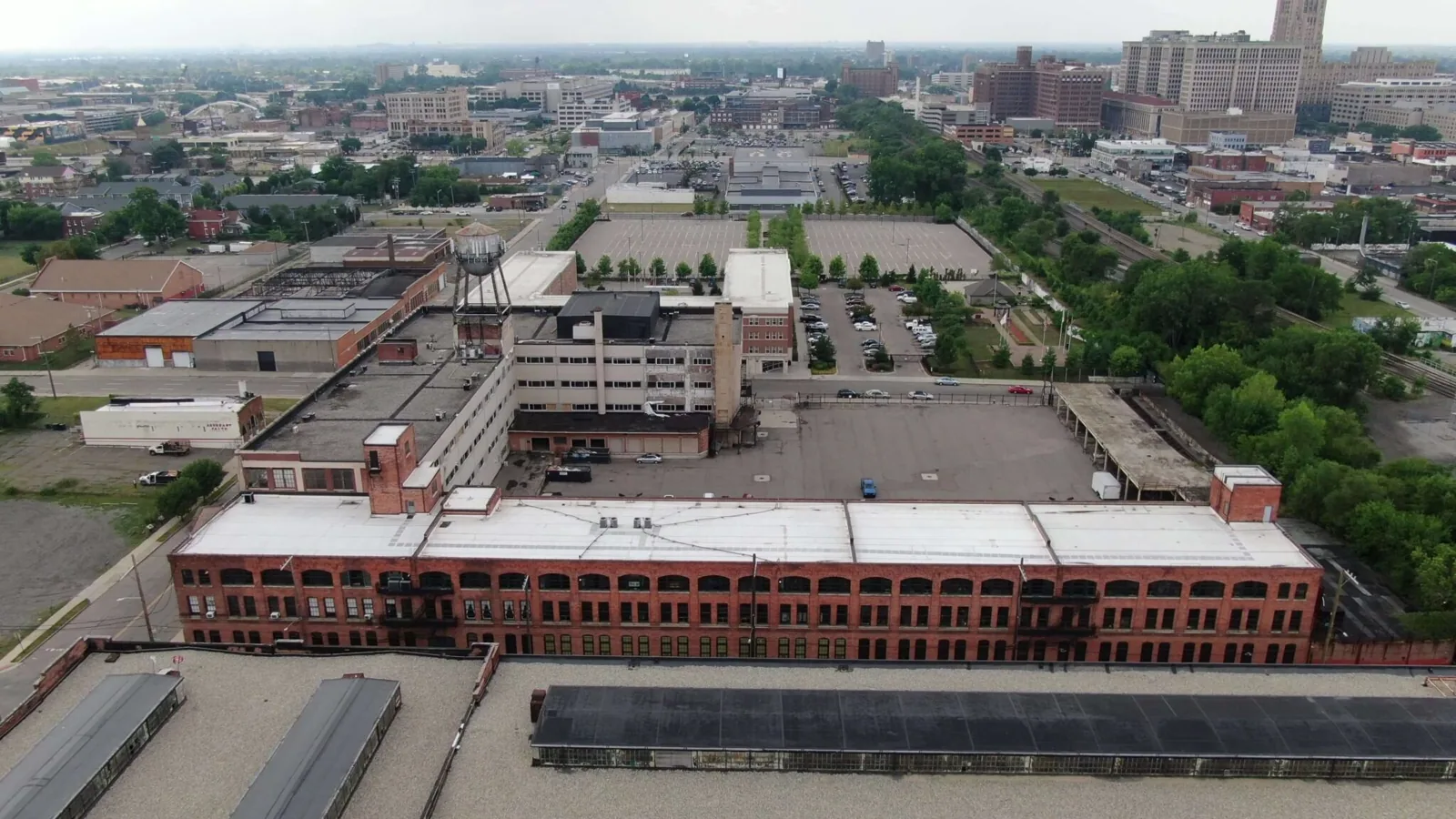
For properties near Route 59 and Fox Valley or the Eola Road corridor, a portfolio may include retail, offices and industrial uses. The use does not predict the roof assembly, so we identify membrane, edges, penetrations, rooftop equipment and prior repairs during the walk. We photograph visible conditions and note limits such as blocked access or unsafe surfaces. A facility director receives observations tied to a roof plan, with confirmed damage separated from areas that need moisture testing.
What does the field walk include?
We check seams and laps for openings, test accessible flashings for movement, inspect curbs and penetrations, and follow drainage to outlets. Perimeters, wall transitions, expansion joints and equipment supports receive attention because they interrupt the main membrane. The inspector notes surface wear, patch history, loose fasteners and any indication of wet insulation. These observations are recorded by roof section with photos and location references, so a repair crew can return to the same detail without relying on memory.
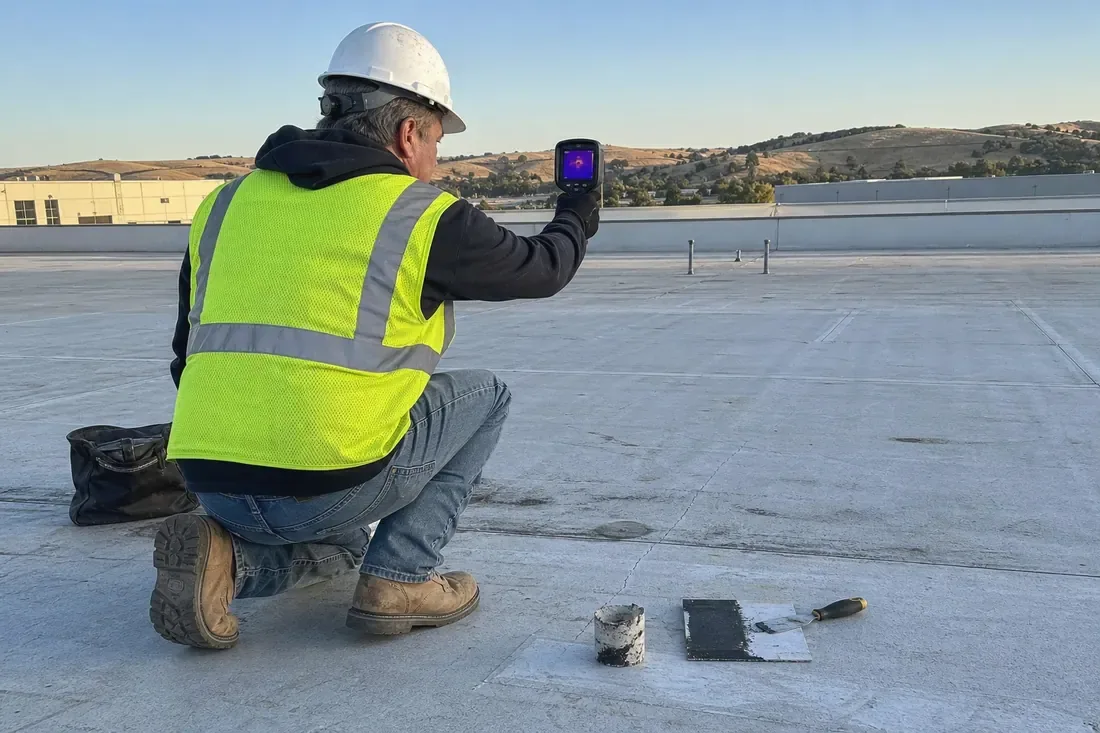
Interior reports and maintenance history help focus the walk. We compare known leak dates with roof penetrations, drains and previous work, then identify where direct testing could answer an open question. A visual inspection cannot confirm concealed moisture throughout an assembly. If thermal or core testing is warranted, we define the target and limitations in a separate scope. The final record distinguishes observed conditions from instrument indications. A moisture survey can then examine selected areas, while a drainage detail review addresses recurring water retention.
What does the inspection support?
Findings support a ranked maintenance and capital decision. We identify immediate repairs, monitor items and sections where replacement may need budgeting, then assign an approved quantity where conditions are measurable. The report does not turn an untested area into a confirmed failure. Instead, it gives the owner a repair threshold and next review date tied to the observed condition. That structure helps compare a small repair with a planned project and keeps the assumptions available for later review.
Aurora has about 121 days below freezing each year, so inspection findings at drains, seams and edges can change after seasonal movement. Northern Illinois also records hail and tornado activity, with statewide tornado frequency highest from April through June. After a significant weather event, we document visible changes while keeping event attribution distinct from the condition itself. A snow and ice condition review or hail damage review can record specific concerns. A capital plan carries priorities into the budget cycle.
How is the site visit arranged?
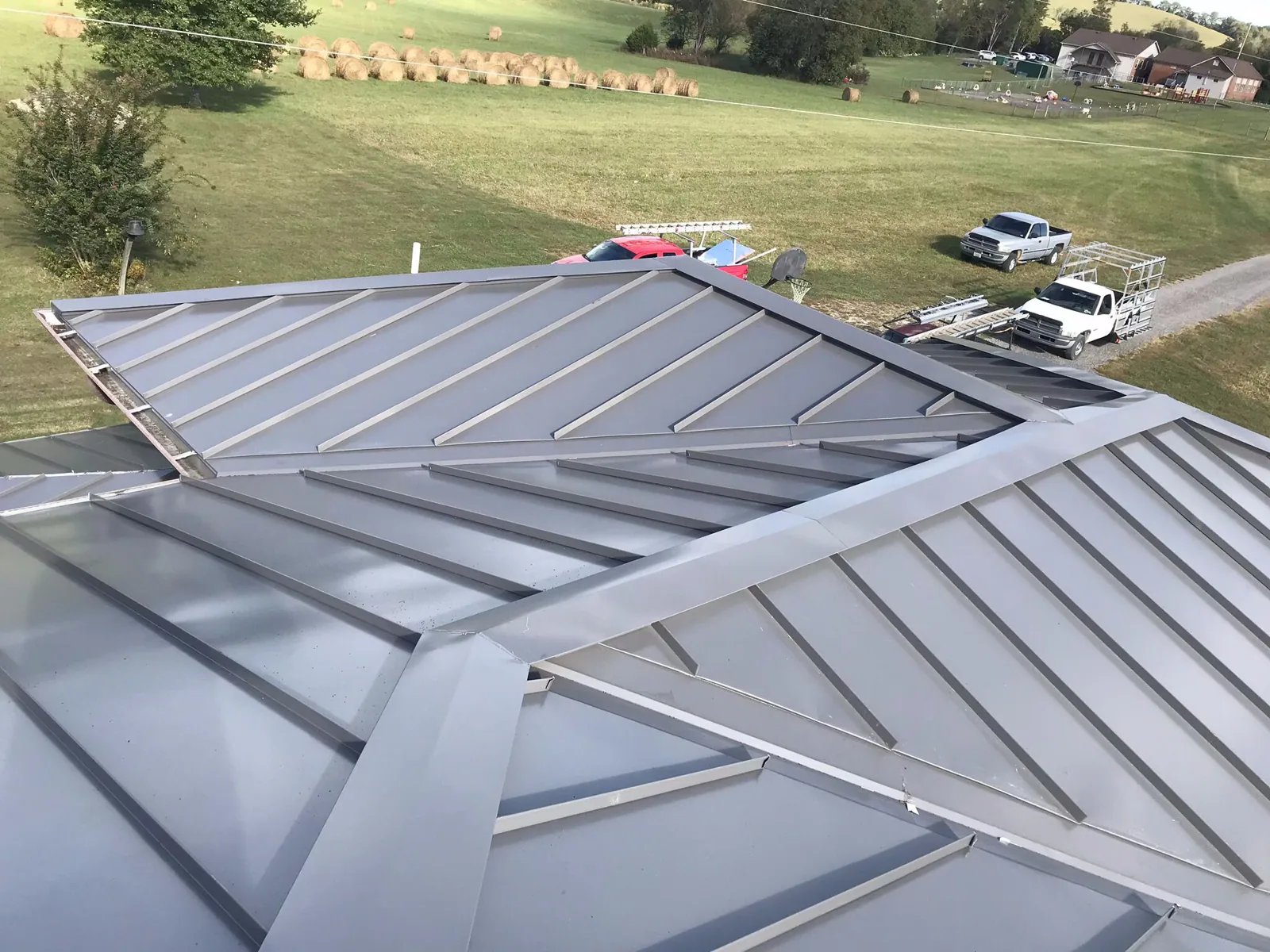
Before arrival, we confirm roof access, ladder or hatch locations, escorts, fall-protection requirements and operating restrictions. For hospitals, schools or manufacturing operations, the facility contact may identify spaces where noise, odor or movement needs coordination. Aurora's employment base includes Rush-Copley Medical Center, two public school districts, Entegris and ATMI Precast, representing different operating contexts across the market. We use the individual facility's rules, not the employer's public profile, to plan access. The inspection route is adjusted if equipment or weather makes an area unavailable.
We review roof plans and previous reports when supplied, then confirm whether actual field conditions match the drawing. Rooftop units, future work and undocumented patches can alter inspection time and access. The owner identifies priority leaks or capital questions before the walk, and we record which items were within the visit scope. Downtown Aurora's transportation center is a regional passenger-rail hub, and US 30 connects the airport industrial area to regional routes. The property address and facility contact establish the inspection route and access window.
What belongs in the report?
A useful report includes the inspection date, weather conditions, system observations, roof section plan, labeled photos, repair quantities, tested areas and exclusions. It identifies each finding as active work, monitoring or further evaluation, and gives a reason for the classification. We list source documents reviewed and note any mismatch with the roof observed. If a condition could change with seasonal exposure, the report names a review window rather than implying a permanent conclusion from one visit.
For a facility near Fox Valley Mall or Aurora Municipal Airport, records may serve different property and operations teams, but both need a clear repair log. We can preserve the report alongside prior work orders and flag items for the next portfolio date. A roof condition report can document photographs and quantities, while preventive maintenance revisits drains and vulnerable details. The owner can use the same roof-section references to request bids or review a capital allowance without repeating the initial mapping.
Can a visual inspection confirm wet insulation?
A surface walk can identify clues, but it does not prove the full extent of concealed moisture. We use visual observations to select test areas, then recommend infrared review or core samples when the decision warrants it. The report labels readings and confirmed samples separately. That prevents an instrument indication from being recorded as a measured removal quantity.
What will the report help our budget team decide?
It organizes findings into repair, monitoring and further evaluation, with quantities where the condition can be measured. A facility director can compare immediate work with a funded replacement window and see what assumptions remain open. If multiple buildings share the portfolio, each roof receives its own condition band and date. Capital planning then uses comparable records without assuming identical roof conditions.
How should an inspection follow a hail or tornado warning?
Start with known interior effects and any visible change reported by staff, then arrange a roof visit when access is safe. We photograph conditions such as impact marks, moved edge details or punctures and map them to roof sections. A regional storm report does not establish what happened at a specific building. The inspection describes the evidence and any testing or repair needed.
What documents should be available before the walk?
Roof plans, prior condition reports, repair invoices, leak logs, warranty records and access procedures can focus the visit. We compare them with the roof we find and record differences. If no drawings are available, we can map observed sections during the inspection. The report names the information provided and any areas the documents did not resolve.
How often should our portfolio repeat the inspection?
The next date follows the condition band, recent repair history and seasonal risks documented for each roof. A section with an open repair or uncertain moisture result may need earlier review than a stable area. We set the recommended interval in the report and identify any event that should trigger an additional visit. The schedule remains tied to the building's evidence and operating calendar.
Request a Roof Assessment
Send the Aurora address, facility contact, roof plans and recent repair history. We will inspect accessible details, map conditions and recommend the next repair or testing decision.
Call 555-555-5555 or send the form and we will set a time to walk the roof.