Commercial Built-Up Roofing in Aurora, IL
Roof Systems
Review the BUR layers before setting repair quantities
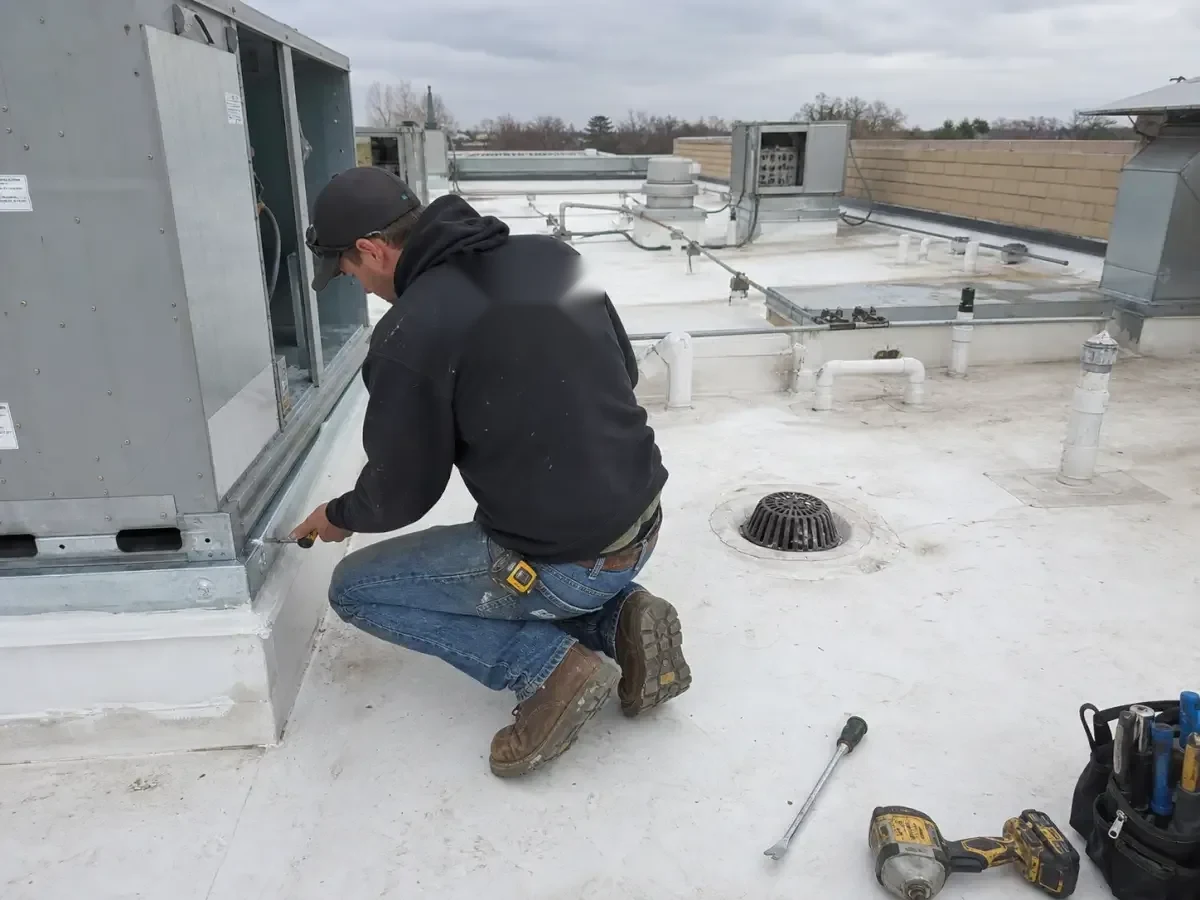
Loose aggregate beside a drain may expose a built-up roof detail, but the repair depends on the plies beneath it. We inspect the surfacing, membrane layers, flashings and outlet, then map any open or displaced material to a roof section. Aurora receives close to 37.7 inches of precipitation over a year, with late spring and summer wetter than winter; built-up details need clear drainage and dry-in planning. Water at a failed lap can move below the visible surface, so the repair boundary follows field evidence and test results, not the area where gravel shifted.
Industrial buildings near Romeoville Southcreek and I-55 logistics district and commercial properties near Fox Valley Mall may have different roof access and equipment needs. We identify the actual assembly from records, exposed edges and approved cores. A roof inspection records ply condition, drainage, repairs and tested insulation before the facility director compares local repair with a section replacement or recover.
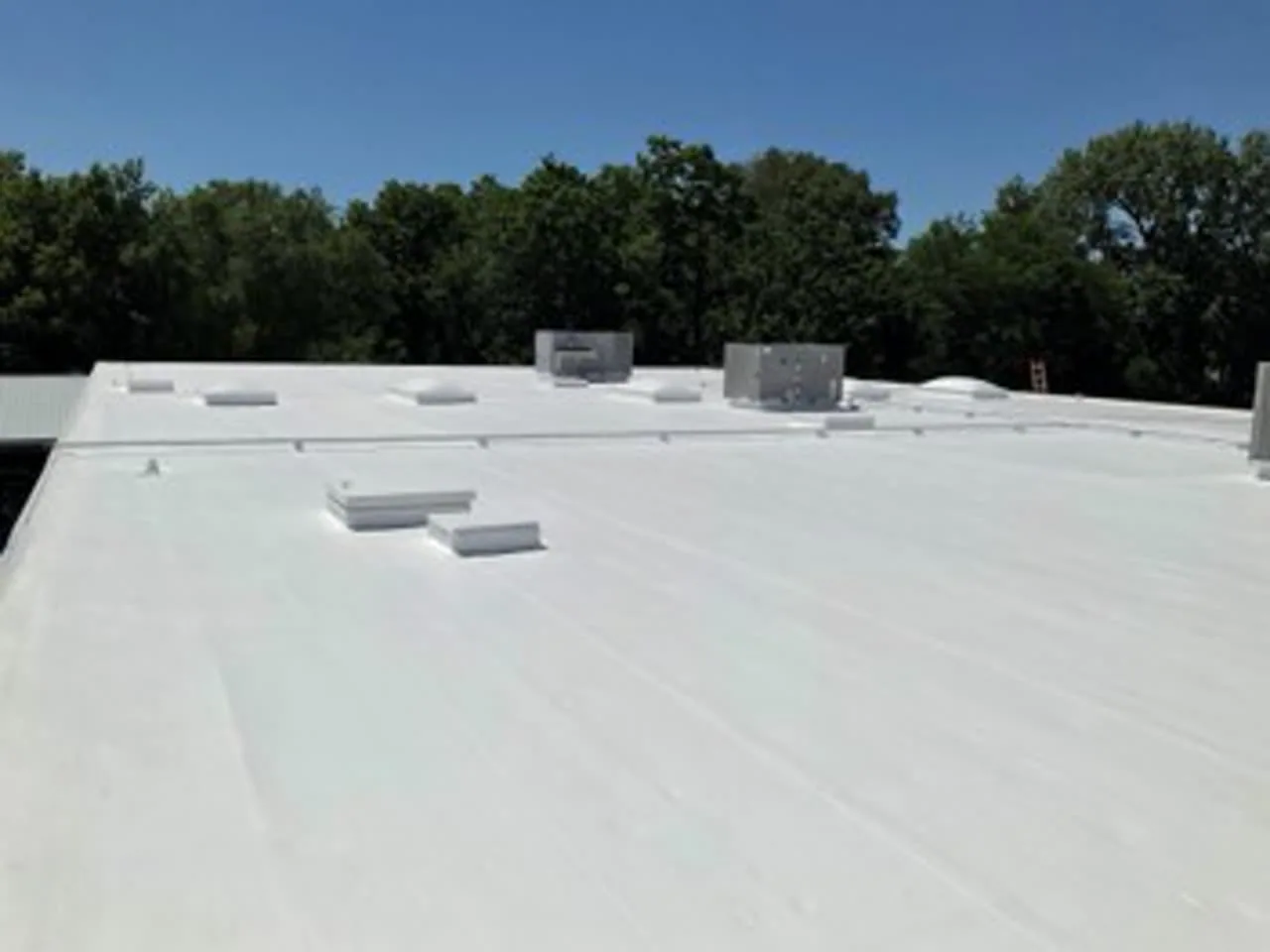
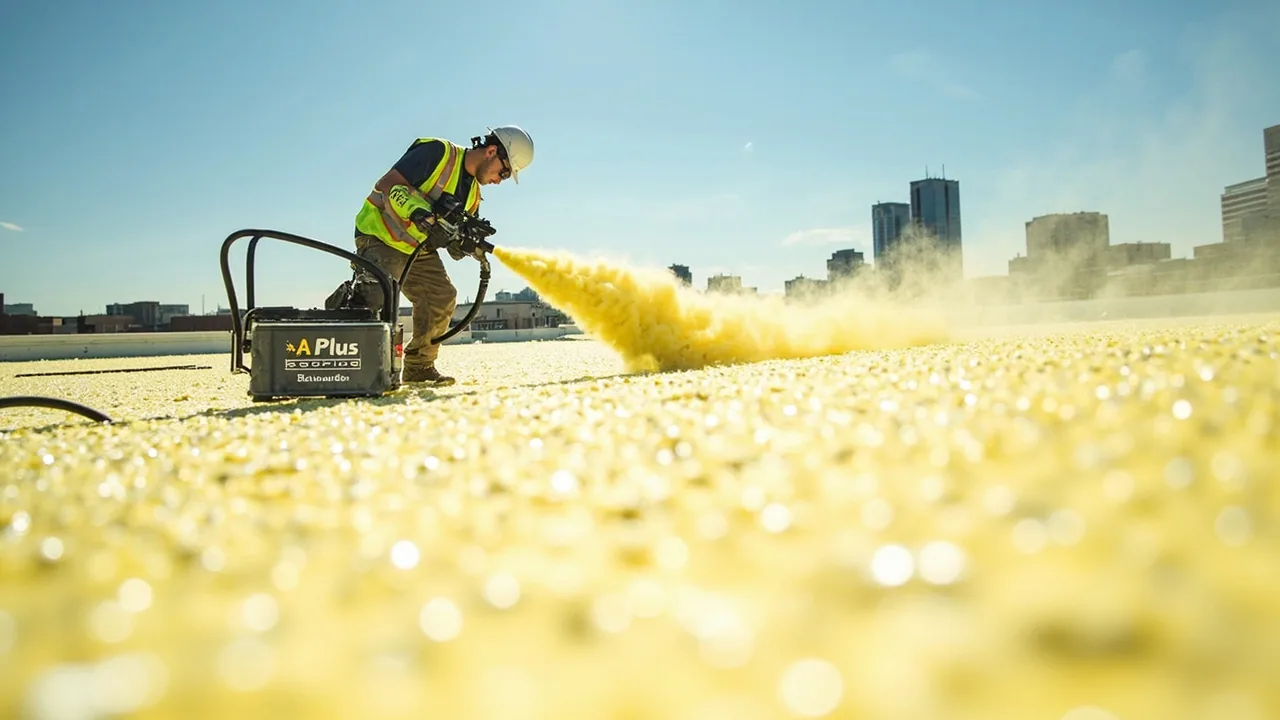
What remains intact under the surfacing?
Built-up roofing combines multiple roofing felts or reinforcing plies with bitumen and a protective surfacing such as gravel or a coating. We check aggregate coverage, mastic, ridges, blisters, splits, flashing and previous patches. A loose surface does not by itself reveal whether the underlying plies are sound. We photograph the condition and identify where a test opening could confirm layer count, bitumen condition and insulation. Each finding is tied to a section boundary, with untested areas marked separately.
At drains, curbs, parapets and penetrations, we inspect the flashing and termination where water can enter. Aggregate may hide an open lap or hold debris near the outlet. We check whether runoff reaches the drain and whether water remains after the roof has had time to clear. Aurora's freeze-thaw cycles can stress a seam when moisture freezes at a detail. We map the water path and test suspected insulation before a new ply or coating covers the area.
Can a BUR section be patched?
A patch may be appropriate when the affected area is limited, the surrounding plies remain stable and the repair can bond to compatible material. We remove or redistribute surfacing within the approved boundary, prepare the substrate and apply the specified repair layers and finish. Fire-safety controls depend on the selected bitumen and installation method. We document the method and protect the building from hot material or ignition risk where applicable. If the plies have separated or wet insulation extends farther, the section quantity may increase.
Repeated patching, exposed felts across a broad area or confirmed moisture can move the decision toward recover or replacement. We compare core results, attachment, deck and edge height before recommending an overlay. A recover review checks whether another assembly layer is allowed. The owner can compare BUR with modified bitumen or EPDM for replacement when the roof record and project requirements support a change in system.
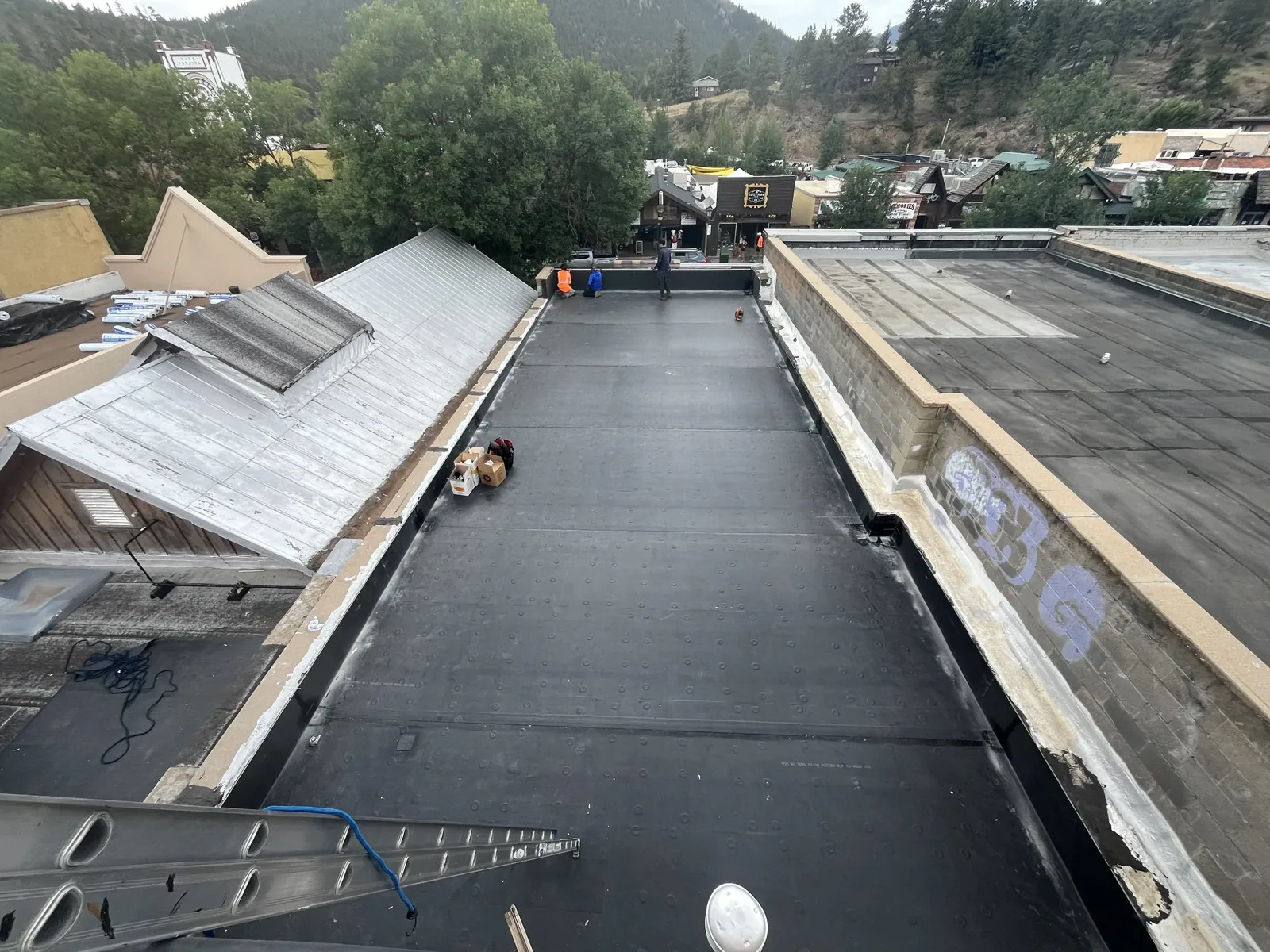
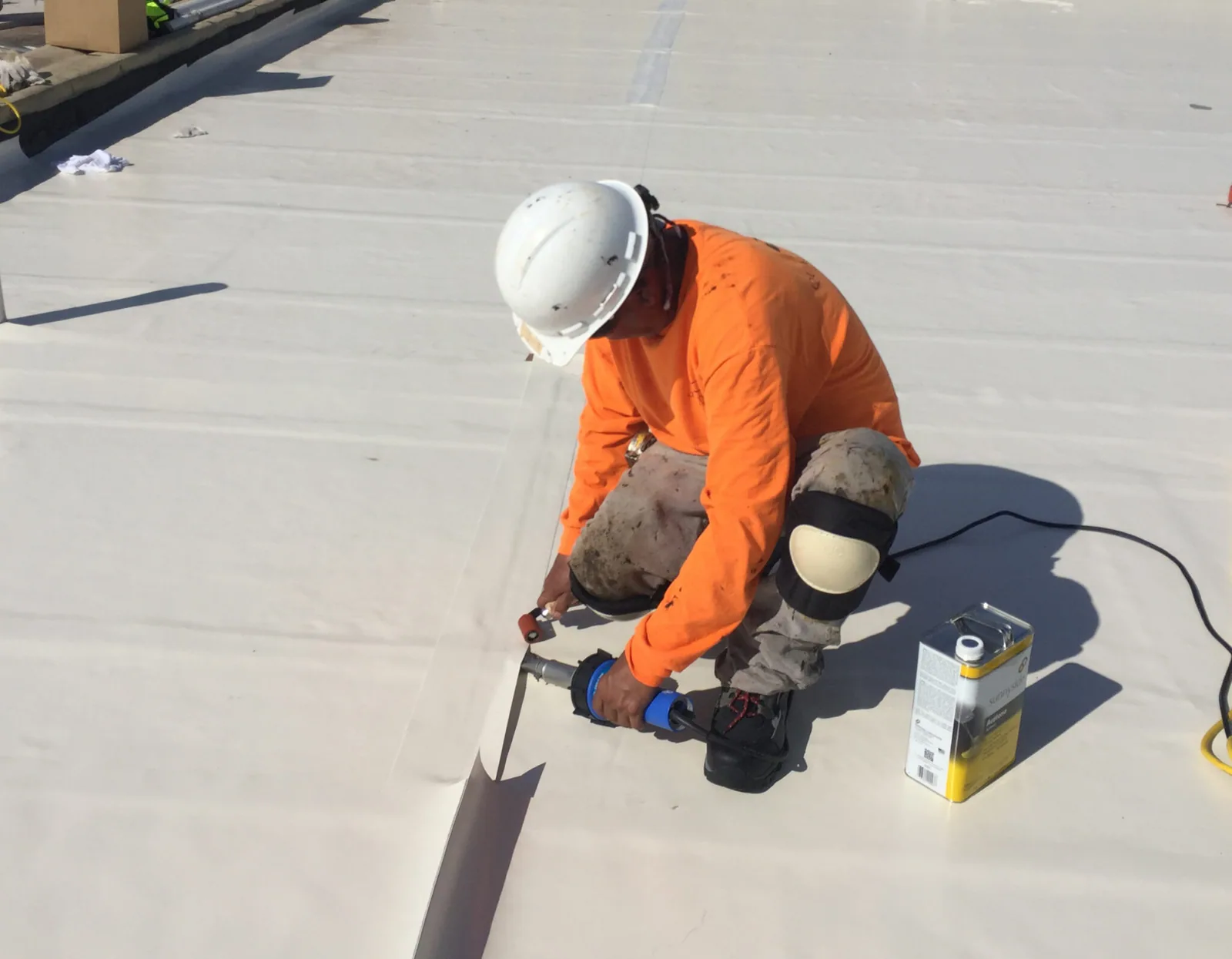
How do drainage and traffic affect the plies?
Foot traffic, equipment service and recurring water can displace aggregate or abrade a coating. We inspect walk paths and support areas, then check whether damage reaches the reinforcing plies. At drains and scuppers, leaves or roofing debris may form a dam or hold moisture against a flashing. A drainage correction can address an obstructed outlet or defined low area separately from membrane repair. The work log distinguishes cleaning from changes to slope, drain height or insulation.
Rooftop equipment can hide membrane condition, so the inspection notes access limits and service clearances. If a support or curb needs movement, we coordinate with the facility and mechanical contractor before opening the roof. A curb and support review can identify attachment and flashing work alongside the BUR section. We do not assume equipment weight or support design from surface observations; those details are reviewed by the responsible design professional when needed.
What determines the approved scope?
Scope and cost depend on ply count, surfacing removal, repair area, flashing height, drain details, test locations, insulation and deck condition, access and the selected installation method. We itemize temporary protection, tear-out, new layers and surfacing rather than combining them into a broad roof allowance. If cores or removal may expose concealed damage, the estimate explains how the added quantity will be measured and approved. The facility director can compare repair with replacement using the same section map.
Built-up replacements are assessed against Aurora's code series now in effect and the energy requirements applying to private commercial buildings. The project team confirms the requirements for the actual assembly and permit conditions. We identify open design questions before ordering materials. Schedule also depends on weather, hot-work controls, access and whether tenants remain inside. An occupied-building plan can document material staging, work zones and daily protection while the roof remains open in phases.
Which BUR details belong in closeout?
Closeout records assembly layers where confirmed, surfacing, repair method, materials, photos, test openings and the location of each completed section. We note where aggregate was removed or restored, how flashing was tied in and what conditions remain. If a fire watch or special handling was required, that record stays with the project documents. The owner can use the roof plan and work log to guide future inspections, rather than interpreting loose gravel as proof of a new membrane failure.
Across a portfolio, consistent roof-section labels help facilities teams compare repair dates and condition bands while preserving each building's specific assembly. A condition report can carry test findings and open items into the next portfolio date. When a section approaches its repair threshold, a capital plan can list the approved quantity and alternatives. That record supports a later decision with the original evidence still available.
How many layers does a built-up roof have?
The ply count varies by roof and may not be visible beneath the surfacing. We review drawings and exposed edges, then use approved test openings when confirmation affects the scope. The report identifies what was observed and what remains unverified rather than assigning a standard layer count to every BUR roof.
Can loose gravel be replaced without repairing the membrane?
Sometimes, if the underlying plies remain sound and the loss is limited to surfacing. We inspect the exposed area, check seams and flashings, and document whether water has reached the bitumen layers. The repair may include restoring surfacing after the substrate is corrected, but new aggregate alone does not close an open lap.
Does a BUR roof always require hot work?
No. The repair material and selected system determine whether hot asphalt, torch application, cold adhesive or another method is used. The project documents identify the approved method and fire controls. We coordinate any fire watch, access restriction or building protection before materials are staged.
When should we consider replacement instead of patching?
Widespread ply separation, recurring leaks, confirmed wet insulation or deck concerns can exceed a local repair boundary. We map those conditions, compare test results with prior repairs and identify whether a section replacement or broader scope is supported. Untested areas remain separate from the confirmed quantity.
How should a gravel-surfaced BUR roof be maintained?
Keep drains and scuppers clear, check flashings and penetrations, and document areas where aggregate shifts or plies become exposed. Roof walks should use designated paths and site safety procedures. We record each observation by section so the next visit can compare change and prioritize testing.
Request a Roof Assessment
Send the Aurora address, facility contact, roof plan, assembly records and repair history. We will inspect surfacing, plies and drainage, test suspect areas and document section-level repair or replacement options.
Call 555-555-5555 or send the form and we will set a time to walk the roof.