Commercial Roofing for Logistics and 3PL Operators in Aurora, IL
Industries We Serve
Keep the dock plan connected to the roof map
A drip above a dock door can interrupt freight movement before anyone locates the roof opening. We inspect the section above and upslope, check drains and penetrations, then record observed damage separately from moisture that still needs testing. The facility receives a repair quantity by roof section and a shift plan that identifies which dock or travel route is affected.
Aurora's distribution network connects I-88, US 30, Route 47 and nearby regional industrial areas. Romeoville's Southcreek Business Park has a newly completed logistics building, while North Aurora identifies employment areas near Randall Road. A building's floor area does not establish roof area or condition. We inspect the specific warehouse assembly and plan access around inbound schedules, yard movement, dock availability and the operator's safety rules.
Infrared Roof Moisture Survey
Commercial Roof Drains and Scuppers
Commercial Distribution Center Roofing
Commercial Warehouse Roofing
North Aurora I-88 Corporate Park
Southcreek and I-55 Logistics District, Romeoville
Commercial Roof Condition Reports
Property Management Companies
General Contractors
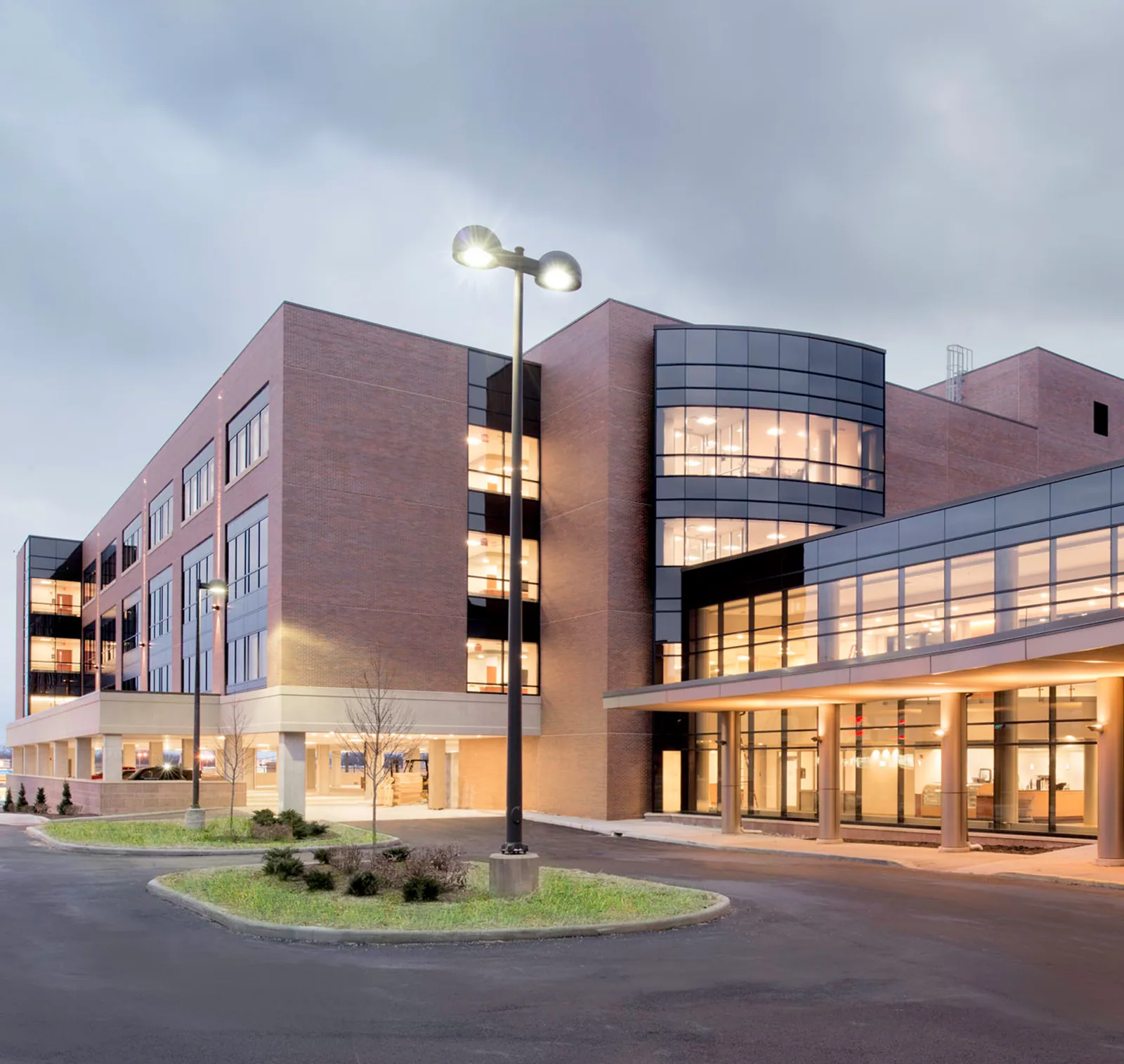
Which dock or storage zone is below the leak?
We record the dock, aisle, rack zone or support room connected to the report, then compare it with the roof plan and drainage slope. Water can move within insulation or along a deck before reaching the floor. We inspect seams, curbs, skylights, penetrations, drains and prior repairs in the likely path. Photos tie the finding to a roof section, and the report lists any area that could not be inspected while operations continued.
Long roof runs may contain different assemblies, previous patches or transitions between buildings. We mark those changes and avoid treating a moisture indication as a confirmed removal boundary. Infrared patterns can guide core sampling, and only the opened sample locations confirm moisture. A moisture survey can help select testing when the leak path is unclear. The site receives both the tested map and the areas left untested before quantities are approved.
How can freight keep moving during repairs?
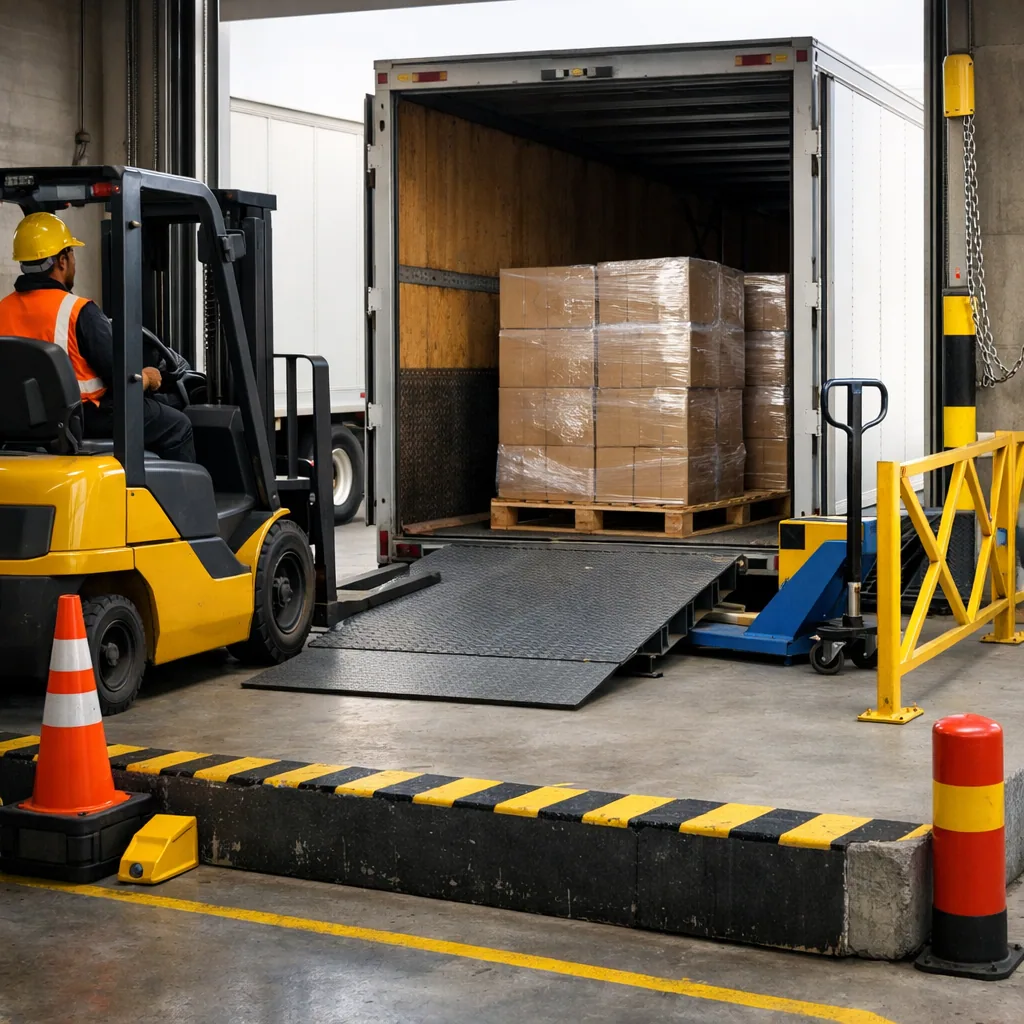
The operations lead identifies dock peaks, trailer staging, yard routes, fire lanes, lift access and any shift that cannot pause. We schedule material delivery and roof access around those windows, name the active section and state which doors or lanes may need temporary control. A daily handoff tells dispatch and site safety staff when the work zone opens or clears. If a dock must be held, the plan should identify its duration before a truck is routed there.
Aurora receives monthly precipitation near four inches from May through September. A shift therefore needs a secure dry-in boundary and a clear route to protect drains and remove loose material before weather changes. We keep tear-off within the approved limit and verify the tie-in at each pause. For an active facility, work can be phased by dock line or roof section when the boundaries remain stable and the operator can coordinate access without compromising truck movement.
When is a roof patch no longer the right plan?
A focused repair can address a localized seam or curb if nearby membrane and insulation remain serviceable. If multiple dock roofs leak or tests show moisture across several sections, compare targeted bays with a phased replacement plan. The roof map should show each sample, confirmed repair area and loading constraint before quantities are approved. Temporary water control and permanent repair appear as distinct actions in the work record.
Recover may reduce tear-off, but moisture, attachment, drain height and edge transitions need review before another layer is considered. A recover assessment records whether the assembly can accept that option. drainage work addresses outlets and overflow paths. A distribution-center roof plan can map dock and sort areas, while a warehouse roof review can address general storage operations with its own access conditions.
What drives roofing cost and service disruption?
Cost follows the confirmed repair area, roof height, access equipment, number of penetrations, tear-off, surface preparation and traffic controls below. A night shift or limited dock window can change crew sequencing. If removal exposes damaged insulation or deck, the crew documents its location and proposed quantity before expanding the approved scope. The estimate should distinguish fixed work from conditions that cannot be confirmed until the assembly is opened.
Aurora averages about 121 days below freezing annually, including days below zero. Cold affects preparation and cure for some systems, while hot summer roofs can limit safe working hours. We match the material to its installation conditions and the freight calendar. An active leak affecting stored goods can be reported at any hour. We coordinate immediate water control with the dock contact, then schedule permanent work around a confirmed route and dispatch handoff.
What records should dispatch and facilities share?
Keep the roof plan, dock and aisle map, leak timestamps, test results, work approvals and closeout photos in the facility record. Each entry should name the building, section, affected dock, product, approved quantity and completion date. When an incident recurs, dispatch can compare the time with roof work and weather notes. A deferred condition should carry a review trigger so it remains visible when maintenance plans shift between operating quarters. Keep timestamps for both water reports and roof access so later teams can compare incident frequency with the service and inspection record.
North Aurora planning identifies employment areas near Randall Road, and Romeoville's Southcreek is part of the regional logistics market. For a portfolio with buildings in North Aurora and Romeoville Southcreek, link each dock map, roof plan and repair history to its own address. A condition report keeps tested and untested areas clear. A property management record can align that building-level history with owner reporting. During dock or conveyor upgrades, a general contractor handoff can track new roof penetrations against the construction sequence.
Can roofing be scheduled between freight shifts?
The operations lead can identify dock peaks, trailer movement and available work windows. We plan staging, lifts and the active roof boundary around those constraints, then state when a lane or dock needs temporary control. Weather, system requirements and access determine how much work can be closed within a shift.
How do you report repairs across a large warehouse roof?
We use the facility's building and roof map to identify each section, dock line, test area and completed quantity. Long roof fields may contain different assemblies or repair histories, so findings are logged by location rather than summarized as one overall condition. Photos and closeout notes support the next inspection.
Does a large warehouse floor area mean a large roof quantity?
No. Floor area is not a measurement of roof area, slope or assembly. We use the facility plan and field measurements for the proposed roof scope. The approved quantity reflects the section inspected and any confirmed removal area, not a building's stated interior square footage.
What should a 3PL do after a roof leak during a busy shift?
Record the dock or aisle, time, active water and any freight or equipment affected, then use site controls to protect people and goods. Our emergency response is available around the clock. Once dock access is secured, trace the leak to its roof source and record the interim protection separately from the final membrane or flashing repair.
Request a Roof Assessment
Share the Aurora-area facility address, operations contact, dock map, roof plan and active leak report. We can inspect by section, document approved quantities and sequence work around freight movement.
Call 555-555-5555 or send the form and we will set a time to walk the roof.