Multi-Site Commercial Roof Programs in Aurora, IL
Roofing Capabilities
Coordinate roof status across the portfolio
A portfolio becomes difficult to maintain when every building uses a different leak log, roof map and closeout label. We set a shared record for address, building, roof section, condition band, test boundary, approved quantity and next action. Each property still keeps its own system and operating limits. That gives the facilities lead one program view without reducing all roofs to a single condition.
Aurora's portfolio can stretch from Fox Valley retail near Route 59 and I-88 to industrial sites west of Aurora Municipal Airport and Aurora University's southwest campus. Each property presents separate access, tenant and weather constraints. Aurora's repeated freeze-thaw and warm-season rainfall can inform survey timing, but the building's assembly and inspection results determine the work. The program tracks both regional schedule and site-specific finding.
How should a multi-site schedule begin?
Start with a property list, facility contact, current roof records, leak history and any active water entry. Group inspections by location, access window or roof type, then flag buildings with missing plans or open test questions. We build a schedule that names site, section, inspection date, contacts and expected closeout. Properties with urgent leaks can move ahead without losing their place in the broader program.
A roof asset record can hold inspection and repair history, while a condition report preserves photos and testing limits. A due-diligence survey can establish a separate baseline for assets being acquired. The shared program lists what each report covers so the team does not confuse a portfolio summary with a completed site inspection. It can also record who approved the visit, whether destructive testing was included and which files were delivered. When building records conflict, retain both versions with dates and identify which field observation resolved the difference, rather than overwriting the earlier plan. If a survey is limited to selected buildings, mark that scope on the portfolio page rather than implying that every roof was reviewed.
What needs to stay site-specific?
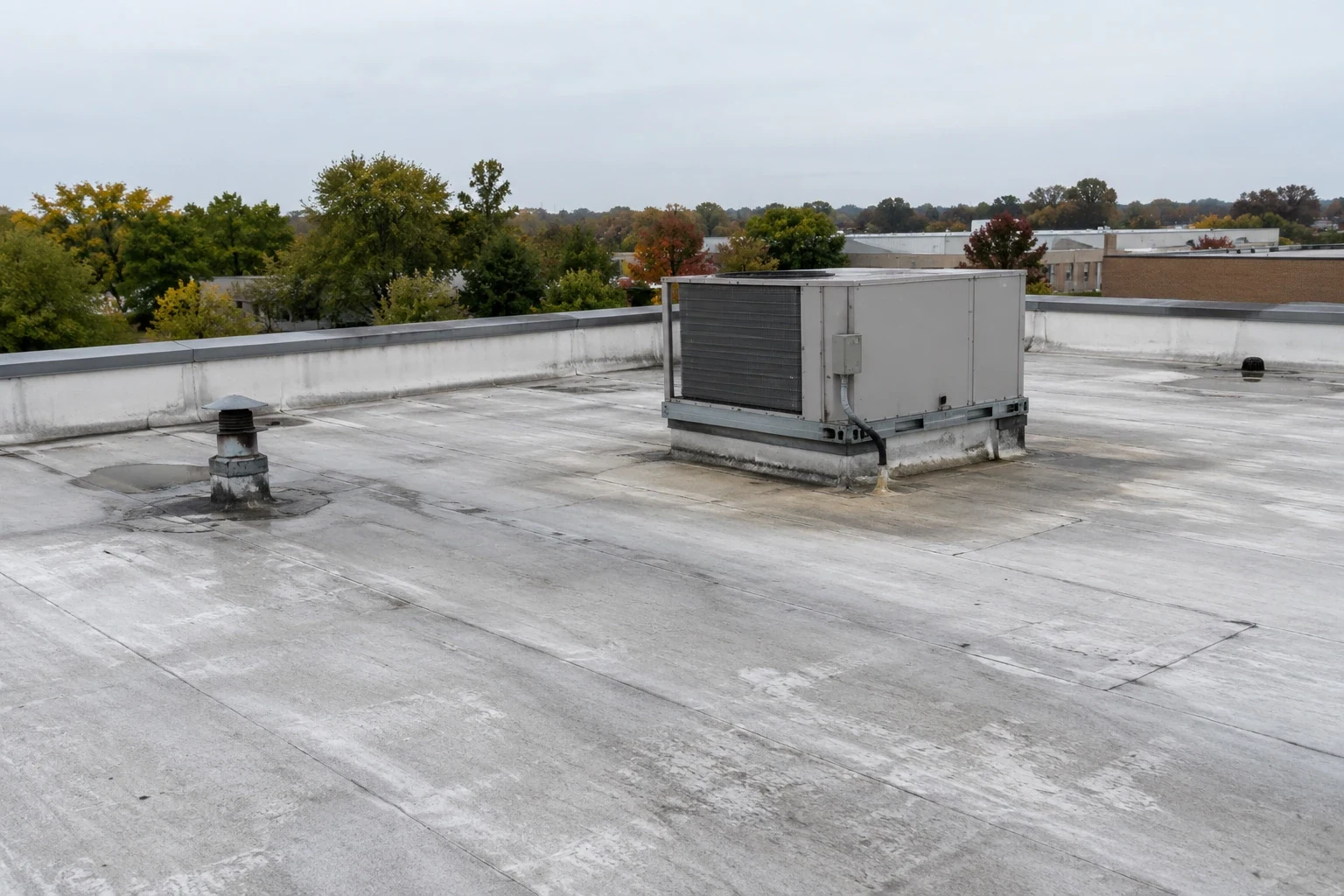
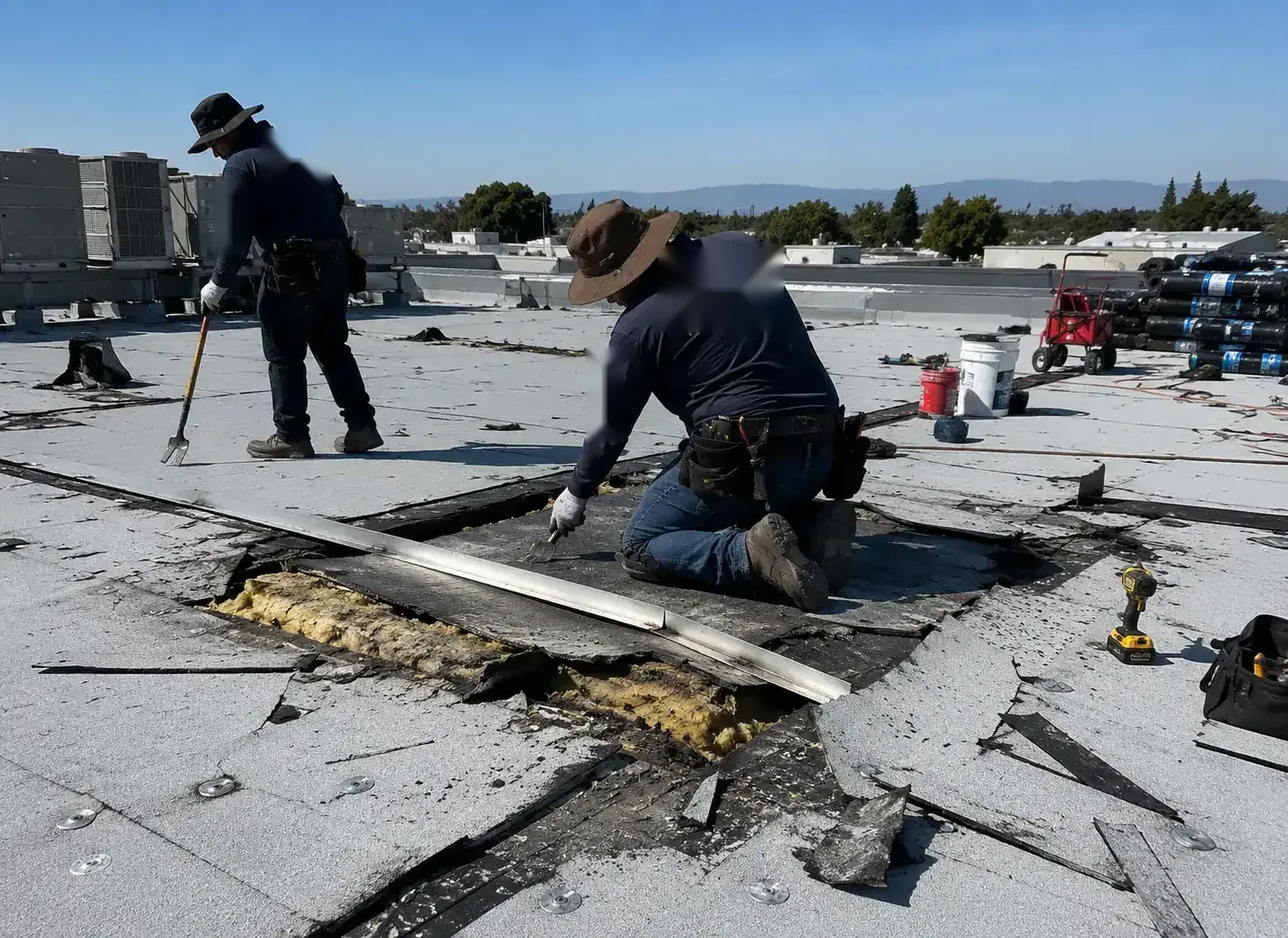
Roof system, slope, drainage, penetrations, prior repairs, access and operating schedule remain attached to each building. A seam finding at one warehouse does not establish a similar condition at a nearby retail site. We inspect the actual assembly, map the condition and record test results only for sampled areas. Inaccessible roofs and suites remain identified as open items, not marked complete in the program dashboard.
Aurora has major commercial corridors along Route 59, Eola Road and Ogden Avenue. Travel between sites can be planned efficiently, but each location's roof data, material and tenant constraints guide the work. If infrared patterns suggest moisture, core tests confirm only the selected points. A program report distinguishes inspections completed, testing required, repair approved and work closed, preserving a clear status for facilities and finance.
How should site teams receive work notices?
Identify one portfolio owner and a local contact at each property. Before a visit, confirm roof keys, escort rules, tenant hours, loading access, equipment shutdown authority and any protected rooms. Work notices should name the property and active section rather than saying “roofing at the portfolio.” A daily update records the area completed and who accepted the handoff. Record who may stop work when site conditions change and who will reschedule access, so a postponed visit returns to the queue with a new date rather than disappearing from the weekly plan.
Aurora receives monthly precipitation near four inches from May through September. Each project needs its own dry-in boundary and weather contingency, even when several sites share a calendar week. Work can be grouped for mobilization if access and system requirements allow, but no roof should be opened to fit a portfolio target date when a secure closeout cannot be maintained. Emergency response remains available around the clock for active entry.
How are repairs and capital work prioritized?
Rank active leaks, operational impact, test results, repeat failures, access limits and approved quantities. A localized repair may protect one section while another property's tested wet area enters a replacement plan. The sequence states immediate action, further testing and deferred work separately. Review the ranked list after major weather, new tenant occupancy or capital approval so the planned order reflects current conditions. A program should record why a site moved ahead or back, and keep the earlier status for comparison. A capital plan can connect confirmed quantities to budget periods, and maintenance visits can follow drains, seams and prior repairs on the sites that need recurring checks.
Some organizations also manage campuses with different operating hours. A school district roof program may need summer access, while a healthcare system program coordinates clinical operations. The shared approach tracks dates and records; each facility contact sets its own acceptable work window and protection rules.
What should the portfolio summary report?
Show site, inspection date, roof section, system, condition band, test status, open repair quantity, approval status, closeout date and next action. Link the summary to full reports and photographs. Keep prior versions so a reviewer can see when conditions changed. A project should move to complete only after the work record and required closeout have been received for that property. For an owner dashboard, separate administrative status from roof condition: an inspection can be complete while a repair remains pending, and a repair can be closed while a different section still needs testing. This prevents a green project status from implying that the whole building is clear.
The Fox Valley Mall district is planned for connected, mixed-use development, and the Sugar Grove industrial area lies west of Aurora Municipal Airport. Each building keeps its own roof map, operating limits and condition record; the portfolio date shows when the broader status was last reviewed.
Can one roof program cover properties with different systems?
Yes. A shared schedule and reporting format can track properties while each inspection records its own membrane, metal, drainage and details. The program does not assume that a repair method or condition at one site applies to another.
How are urgent leaks handled within a scheduled portfolio?
Active water entry can be prioritized for around-the-clock response while the planned inspections continue. We document temporary protection, address and roof section, then schedule permanent repair based on findings and access. The portfolio record shows the emergency scope separately from other buildings' planned work.
What do you need to set up a multi-site roof schedule?
Provide an address list, site contacts, roof plans, prior repairs, active leak reports and known access requirements. We identify missing information and group visits by location or operating window. Each inspection has its own closeout date and follow-up action.
How does a program show whether a repair is complete?
Track approval, mobilization, completed quantity, photographs, closeout record and any deferred condition by building section. Do not mark an item closed because it was scheduled or invoiced. The site report and repair closeout provide the evidence for the portfolio status.
Request a Roof Assessment
Send the Aurora-area property list, site contacts, current roof records and open leak reports. We can build an inspection schedule, document findings and track approved work by address and section.
Call 555-555-5555 or send the form and we will set a time to walk the roof.