Commercial Roofing at Fox Valley Mall, Aurora, IL
Service Areas
Scope the Fox Valley retail roof by property and section
Roof work in the Fox Valley Mall district has to account for the individual property as well as the retail activity around it. The city's subarea plan covers roughly 195 acres of the mall and adjacent commercial properties, with connected development nodes and a more walkable mixed-use district in view. We inspect the roof section, access points, drains and existing records before defining a repair or replacement quantity. Roof plans, field inspection and testing establish the system and condition at each property.
The mall area lies along Route 59 near I-88 and includes major regional retail properties. Aurora averages about 121 days below freezing per year, and precipitation is near four inches a month from May through September. A roof plan should therefore show how water moves to each drain, where prior repairs remain, and which tenants or operations need notice during the proposed work window. We keep those site conditions specific to the property record.
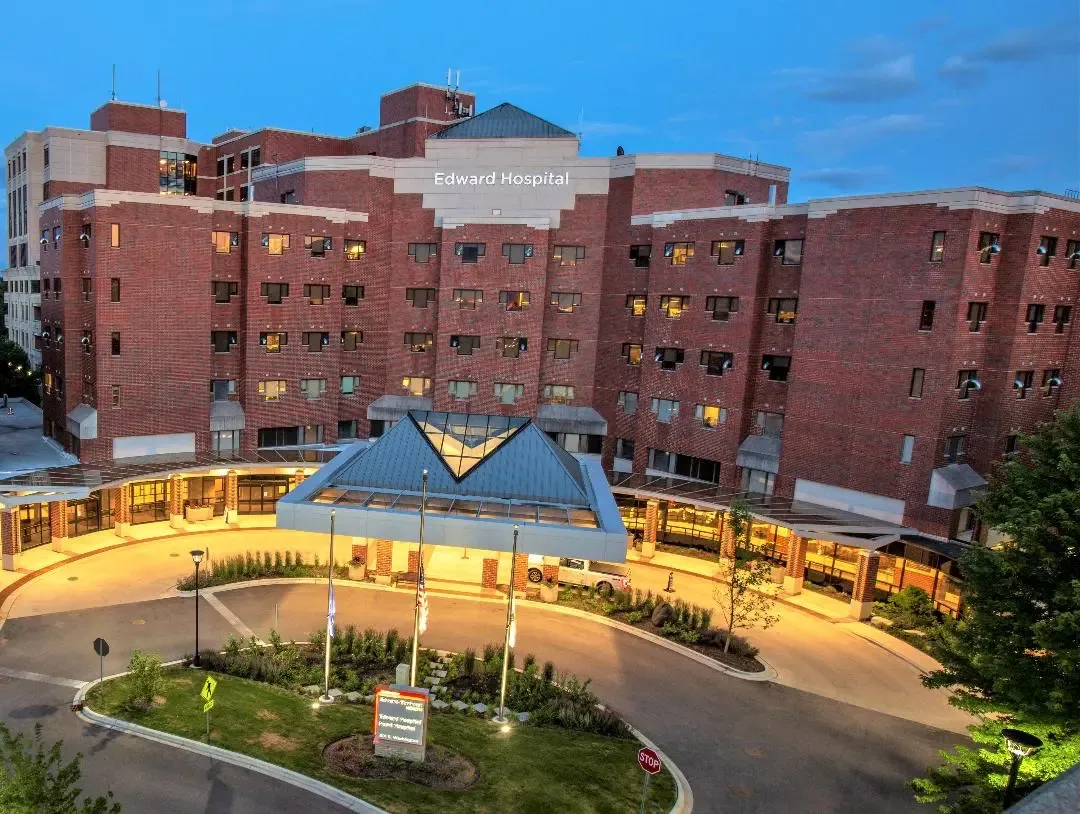
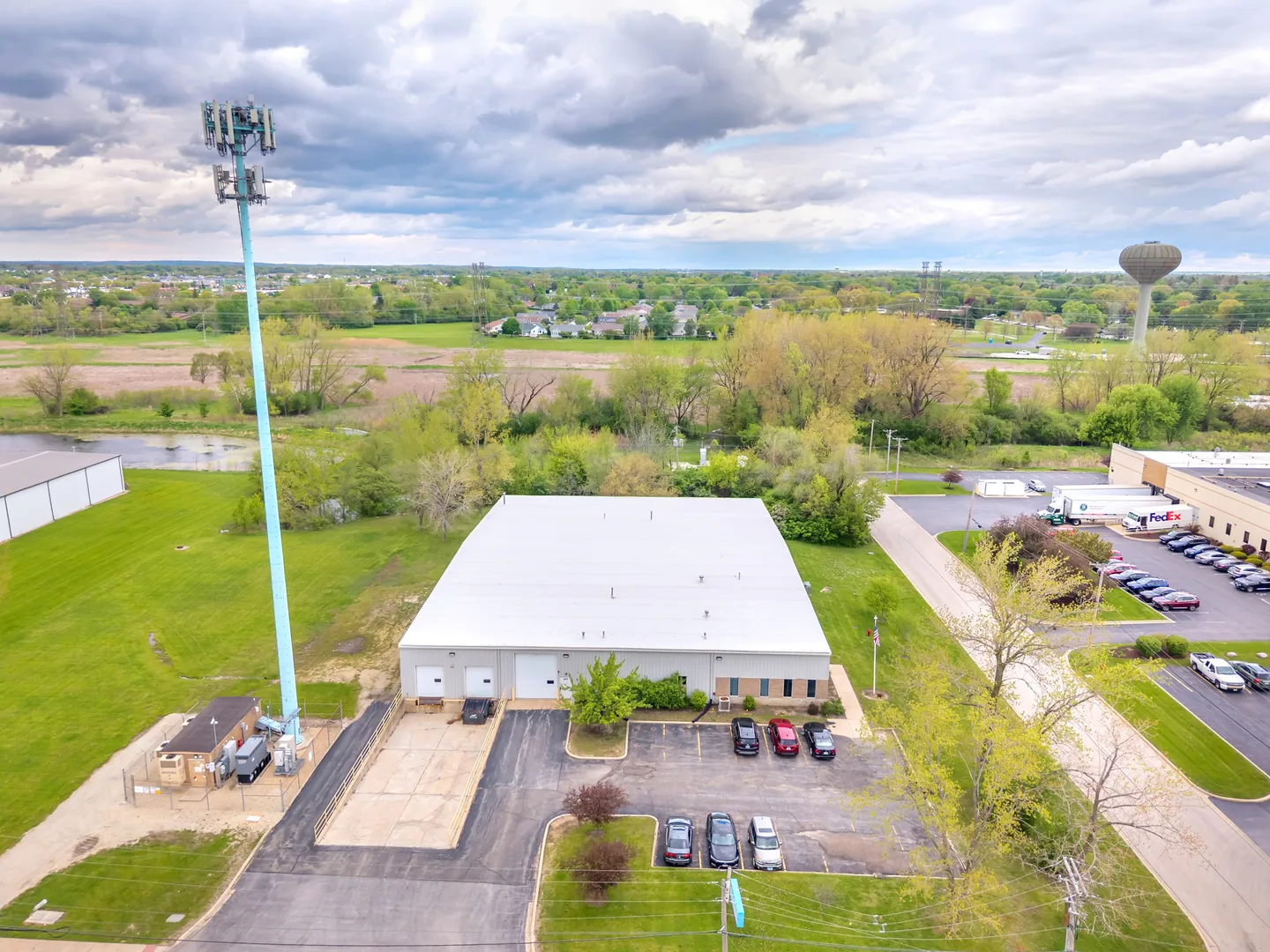
Which roof conditions should a retail-site walk capture?
We begin at the roof access point and follow the drainage path toward outlets, scuppers and overflow openings. The walk records seams, penetrations, curb flashings, edge metal, ponding and prior patches by section. Retail roofs can have several equipment curbs or later service penetrations, but the site records determine what is actually present. A commercial inspection creates the marked photo set and notes where access or weather limited visibility.
If an interior leak suggests concealed moisture, an infrared survey can help select confirmatory test points. A thermal pattern is not a tested quantity; each core speaks for its own opening. We identify sampled and untested areas separately, then compare the map with invoices and roof plans. That record gives the asset manager a way to distinguish a contained repair from a condition that may cross into adjoining sections.
When does a retail roof need repair, recovery or replacement?
A local seam or flashing defect may support a repair when the surrounding membrane remains sound and the substrate is dry. Repeated leaks, broad attachment loss or tested wet insulation can shift the decision toward a larger scope. We document the condition band, measure the confirmed area and list any removal-dependent quantity as provisional. The repair scope states which details are included and which findings remain outside the approved work.
A recover or replacement review checks moisture, roof height, edge conditions, drain elevations and any transition to a neighboring assembly. The city's direction toward connected development nodes does not make two adjoining roofs one project; ownership, access and construction records still need confirmation. A recover assessment compares a new layer with the existing roof, while a replacement plan records tear-off boundaries and concealed-condition procedures before work starts.
How can roof work fit retail operating hours?
Delivery access, customer entrances, rooftop equipment and occupied areas below affect staging and sequencing. We confirm where materials can be lifted, whether parking or loading areas need protection, and who can approve access to tenant spaces. The site contact confirms operating hours and restrictions. A written sequence identifies temporary dry-in, noise-producing work and the areas that remain available to staff and customers.
When water is active, emergency response is available around the clock to protect the interior while permanent work is scoped. The temporary measure and final repair quantity are documented separately. For a broad project, a written work plan can map notices, access and interior protection. That planning record sits beside the roof map, so the owner can review operational requirements without changing a measured condition or adding unapproved work.
What drives a phased roof budget near Route 59?
Measured roof area, membrane type, detail count, access, staging and the condition of insulation and deck drive project scope. A multi-building retail portfolio may need distinct roof maps even when properties share an entrance road. We identify line items for inspection, testing, temporary protection, repair and any replacement allowance. The asset manager can compare costs by section instead of treating an uncertain wet area as confirmed across the whole property. A roof with several additions may also have different attachment methods or insulation depths. We identify those changes before pricing so the owner can see if work should be phased by section. Any staging allowance is tied to a stated access assumption and reviewed with the site contact before scheduling.
Aurora's building requirements and Illinois energy standards can affect roof assembly changes. We identify insulation, drainage and edge conditions for review against the drawings for this property. Where a tenant project and roof work run together, the owner should keep their scopes coordinated but separately measured, so a change to one does not silently expand the other. A capital plan can group repairs by condition and budget period, while a condition report retains photographs, tests and open items for the next review. Code questions should be checked against project documents before construction.
What belongs in the retail property's roof file?
Keep the roof plan, assembly information, tenant leak reports, service invoices, test points, approved quantities and completion photographs together. The closeout should show what was repaired and what remains untested, including areas blocked by equipment or access limits. If an issued warranty applies, retain its document and issuer contact. A work order can then point to the exact roof section instead of relying on a broad description such as north side or over the store.
For portfolio scheduling, a manager can keep a separate map for a Route 59 corridor roof visit or another commercial district inspection. Each address needs its own findings and approvals, even when the funding calendar is shared. For this property, the next walk should revisit the same drains, seams and curbs shown in the last photo set.
Does the Fox Valley Mall district plan tell us what roof system a property has?
No. The plan describes land use and development direction, not the membrane or roof condition of a specific building. We review the property records and inspect the assembly before selecting repair materials or assigning a replacement quantity.
Can roofing work be phased around retail operations?
We document site access, entrances, deliveries, tenant notices and interior protection, then sequence the work by approved roof section. Emergency dry-in is separated from permanent repair. Any concealed condition is measured and presented before a scope change is made.
When is a roof replacement more suitable than a recover near Route 59?
Moisture, existing roof layers, height, drainage, attachment and edge conditions affect that comparison. We inspect or test the assembly and state what is confirmed, what remains uncertain and which requirements affect the proposed system. The property records guide the final scope.
What should a retail property manager receive after a roof inspection?
The manager should receive a marked roof map, photos, condition findings, test boundaries, access limits and a prioritized list of repairs. We identify which quantities are approved and which depend on further testing, so the work order can carry a clear decision forward.
Request a Roof Assessment
Share the Aurora address, roof plan, leak reports and operating constraints. We can inspect the roof, map tested areas and document repair, recover or replacement options for the facility team.
Call 555-555-5555 or send the form and we will set a time to walk the roof.