Commercial Modified Bitumen Roofing in Aurora, IL
Roof Systems
Document the modified bitumen layers before repair
A ridge or blister in modified bitumen can signal movement between plies, but the repair boundary depends on what lies below it. We inspect the surfacing, seams, flashing and drainage, then map visible conditions to the roof section. The Aurora area's annual rain is about 37.7 inches, with wetter months in late spring through summer; we plan bitumen work around dry substrate and protected tie-ins. Water at an open lap during that cycle may reach insulation or deck. We separate a surface observation from tested moisture before recommending patch, recover or replacement.
Facilities near Aurora Municipal Airport, Montgomery's Route 30 area and Fox Valley Mall may have different roof uses and service schedules. Neither use confirms the number of plies or surfacing on an individual roof. We check available assembly documents, core results, repair history and field details before choosing a repair method. The facility director receives a condition band, measured quantity and open test questions. That record grounds the work in the installed assembly rather than a generic bitumen specification.
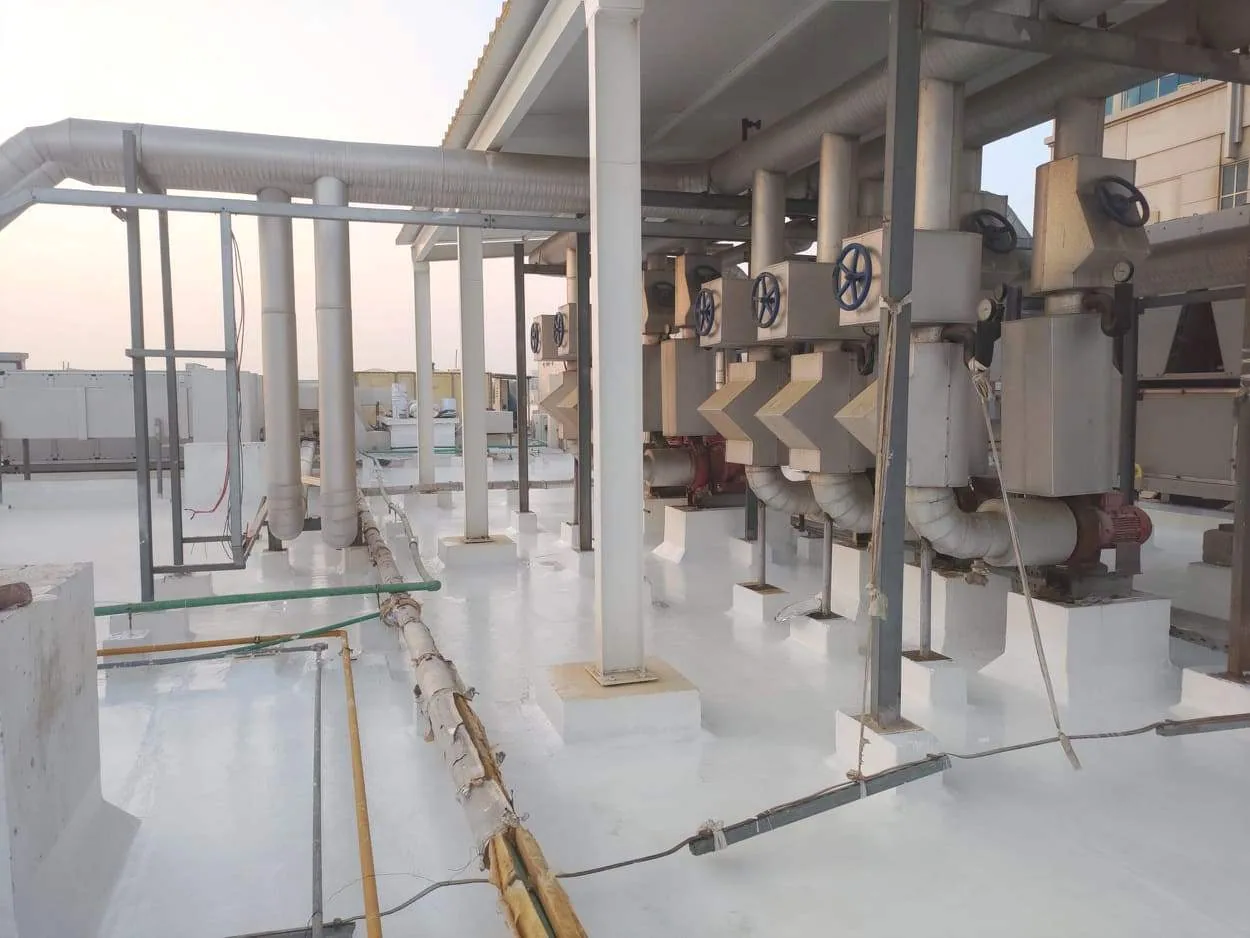
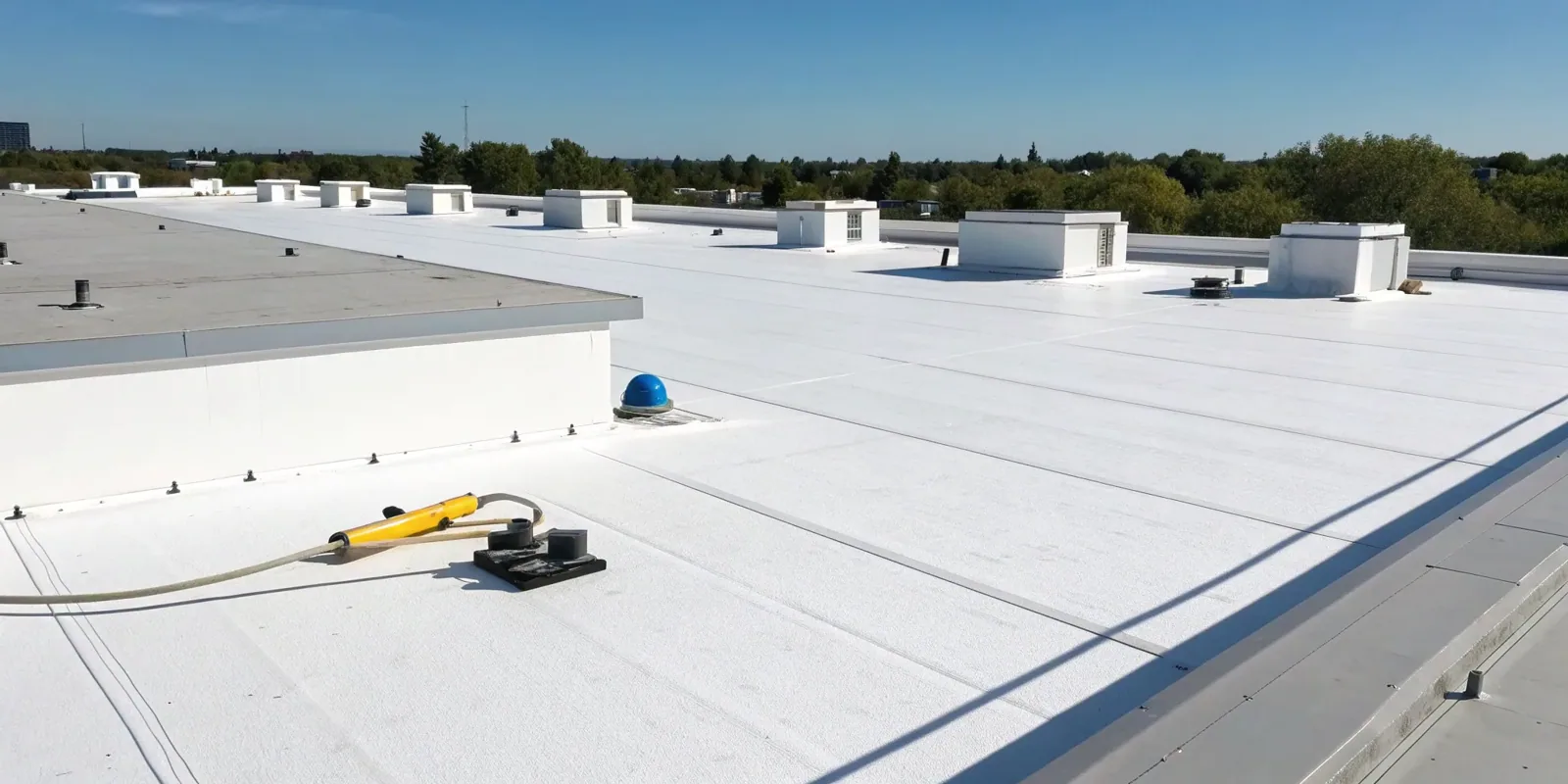
How many layers remain serviceable?
Modified bitumen roofing uses asphalt modified with polymers such as SBS or APP, commonly installed in one or more plies with surfaced or protected finishes. We identify the construction from records and exposed edges where accessible, then inspect laps, end joints, granule loss, coating condition, flashings and patches. A blister or wrinkle is documented by size and location; it is not automatically cut open without approval. If the surface hides the underlying condition, we identify a test area and method before assigning a broader repair quantity.
At drains, curbs and parapets, flashing transitions can fail before the field membrane. We check termination height, cracks, open laps and signs of repeated water. Aurora's freeze-thaw exposure can stress a seam where moisture enters and expands. We inspect the drainage path and nearby low areas, then test suspect insulation if interior reports or surface patterns support it. The record identifies each ply or layer confirmed by a core and notes where the assembly remains unknown.
Which repair method fits the surfacing?
Repair materials must match the existing system and its surface. A granulated cap sheet, smooth surface, mineral coating and built-up asphalt each require different preparation. We remove loose material only within the approved boundary, prepare the substrate and tie the repair into sound roofing with a compatible method. If the membrane is brittle or the repair history shows repeated failure across a section, we compare a larger replacement scope instead of layering another patch over the same defect.
Where wet insulation or deck damage is confirmed, localized removal may restore a defined area. If moisture extends beyond the test points or the assembly cannot support another layer, replacement may be more supportable. A recover assessment checks attachment, moisture, height and code review. The owner can compare modified bitumen with built-up roofing or TPO after the condition is known. The design should state the intended plies, surfacing and tie-in details.
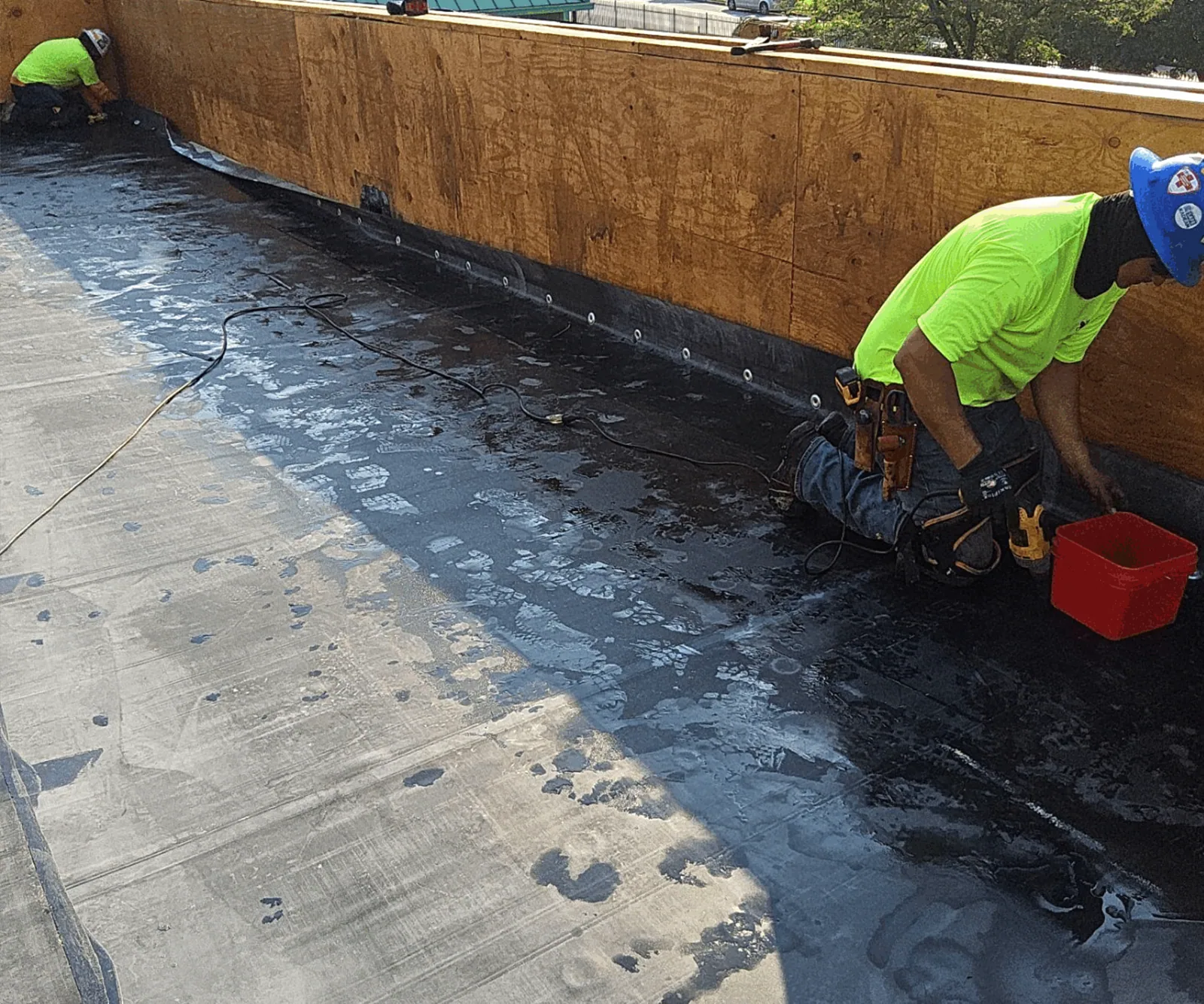
How do drains and rooftop work affect the system?
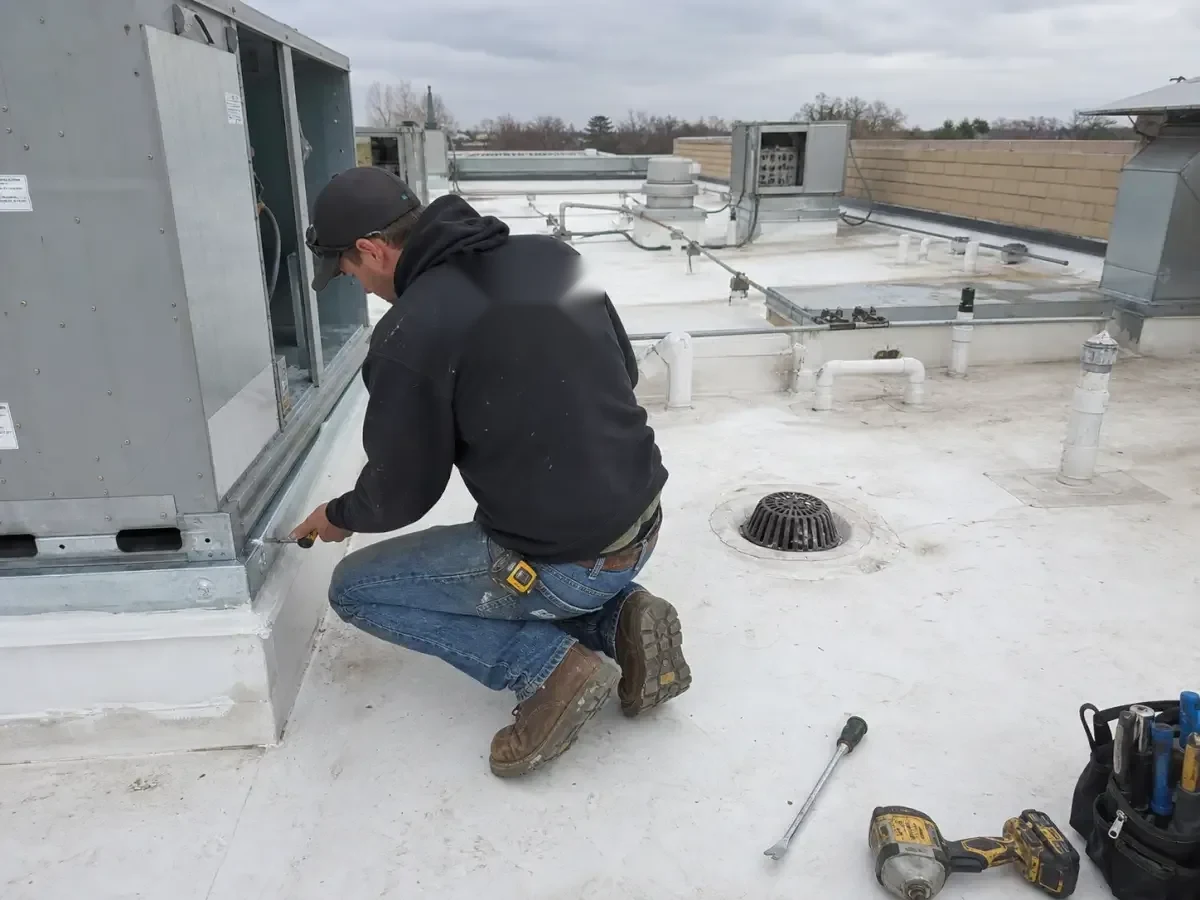
Debris, equipment service and foot traffic can damage the cap sheet or leave residue over an existing patch. We inspect walk paths, equipment curbs and supports, drains and scuppers, then note whether the condition is new or present in earlier records. A drainage review can identify a blocked outlet or ponding area that is separate from a failed lap. If a unit support has cut the membrane, a support assessment can coordinate repair around the equipment.
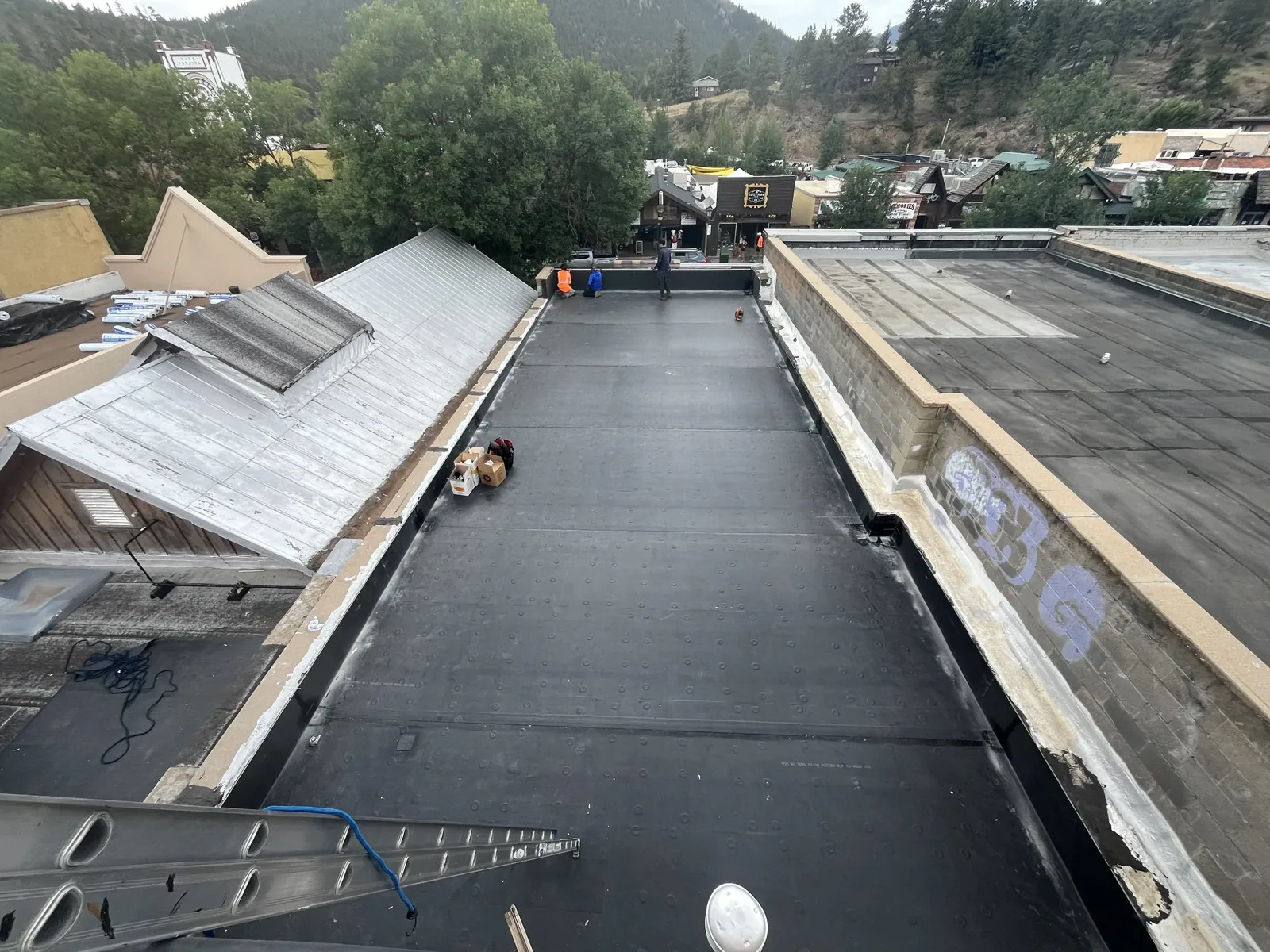
Work method affects safety and site coordination. Modified bitumen systems may be installed using different methods, including torch-applied, hot asphalt, cold adhesive or self-adhered products, depending on the selected system. We state the installation method, fire-safety controls and site protections in the approved sequence before materials arrive.
What changes the modified bitumen allowance?
Cost follows the number of plies, surface preparation, repair area, flashing complexity, insulation removal, deck work, access and installation method. We measure the section, separate field membrane from edge and penetration work, and state where a concealed condition may change the quantity. Hot-work controls, fire watch or restricted staging can affect duration and labor. The estimate records those requirements with the work sequence so the owner can compare options that use different materials or installation methods.
Modified-bitumen replacement details are checked against Aurora's 2024 code series, effective January 1, 2026, and the state energy requirements for covered facilities. The project team confirms which requirements apply to the scope and insulation design. We flag the review before ordering roofing layers. Weather windows also matter: rain can interrupt preparation, while cold conditions affect material application. An occupied-building sequence can show access, protection and daily section boundaries if the facility remains in operation.

What should the assembly file retain?
The file should identify system type, ply count where confirmed, surfacing, attachment or application method, repair materials, test locations and roof plan references. During work, photographs show the exposed layers, substrate preparation, flashing and completed tie-ins. We document any field change and owner approval, including deck or insulation findings. Closeout should preserve installation instructions and maintenance requirements so later work does not combine incompatible asphalt, adhesive or membrane products.
For a portfolio with properties around the Fox Valley, a consistent condition band and portfolio date help compare repair priorities across buildings. Each roof keeps its own confirmed construction and quantity. A roof condition report can retain photos and test findings; a capital plan can carry sections that approach their repair threshold into a later budget cycle. That record supports the next inspection without assuming that a neighboring property shares the same roof layers.
How can you tell whether modified bitumen is SBS or APP?
Records, exposed edges, product labels and manufacturer documentation help identify the system. We compare those sources with field construction and note uncertainty when the roof cannot be verified. Repair materials and installation method should follow the identified product requirements rather than a guess based on surface appearance.
Can a blister in the cap sheet simply be cut and patched?
We measure the blister, check bond and moisture conditions, and inspect the surrounding cap sheet before choosing a repair. Opening it requires an approved scope. If the substrate is wet or the separation extends beyond the visible area, the patch quantity may need to grow or a section may require replacement.
Is torch application required for modified bitumen?
No. Systems may use torch application, hot asphalt, cold adhesive or self-adhered installation, depending on the product and project conditions. The approved submittal and site fire controls determine the method. We state that method and its protection requirements in the scope before work starts.
Can modified bitumen be installed over an existing roof?
Recover eligibility requires acceptable moisture, attachment, existing layers, deck, added height and applicable code review. We inspect and test before approving a new layer. The report shows which sections qualify and which require removal or additional investigation, with quantities kept separate.
What should we check after a major rain?
Inspect drains, scuppers, seams, flashing and interior reports, then photograph any new condition by roof section. If water remains after drainage, we trace the entry path and test suspected insulation before setting a repair boundary.
Request a Roof Assessment
Send the Aurora address, facility contact, assembly documents, roof plan and repair history. We will inspect plies, surfacing, flashing and drainage, then prepare measured repair and replacement options.
Call 555-555-5555 or send the form and we will set a time to walk the roof.