Commercial Cold Storage Roofing in Aurora, IL
Property Types We Roof
Coordinate roof repairs with refrigeration operations
Condensation on a freezer ceiling can come from an envelope detail, a refrigeration condition or a roof leak, so the first inspection separates those paths. We review the roof assembly, vapor-control transitions, curbs and reported interior areas, then map tested conditions by section. Aurora averages about 121 days below freezing annually and 7.7 days below zero, adding seasonal temperature changes to already cold interior environments. The facility team provides operating temperatures and refrigeration records; the roof report states what inspection confirmed.
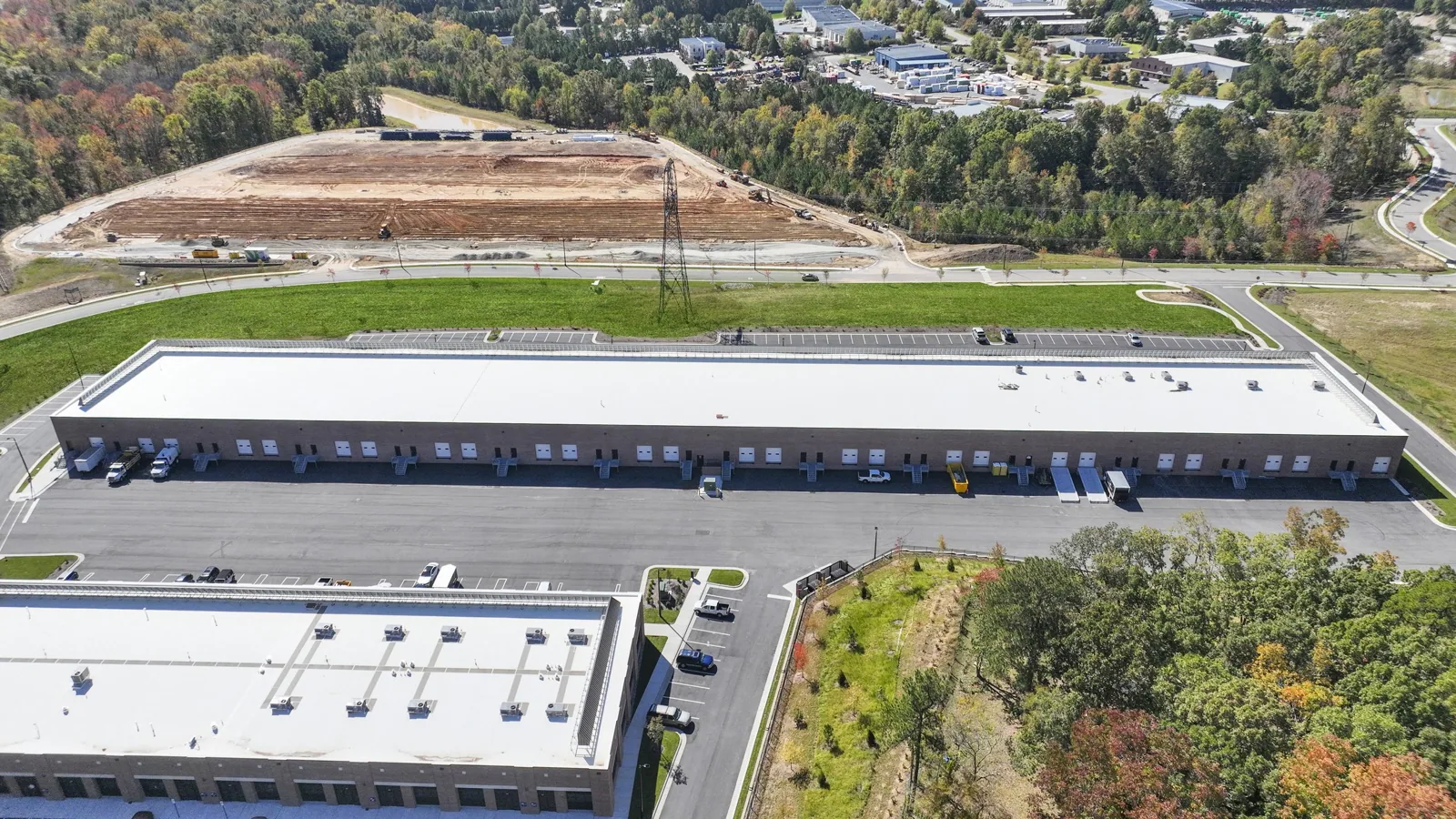
Romeoville Southcreek has a newly completed logistics building, and North Aurora's plan identifies employment areas near Randall Road. Fox Valley Mall is another commercial property in the regional market. The Southcreek logistics area and North Aurora I-88 employment area add regional property context. At the Aurora building, facility staff confirm whether the space is a freezer, cooler or distribution area and identify its roof, equipment and access conditions. A roof inspection establishes the condition boundary before work is planned over temperature-sensitive inventory.
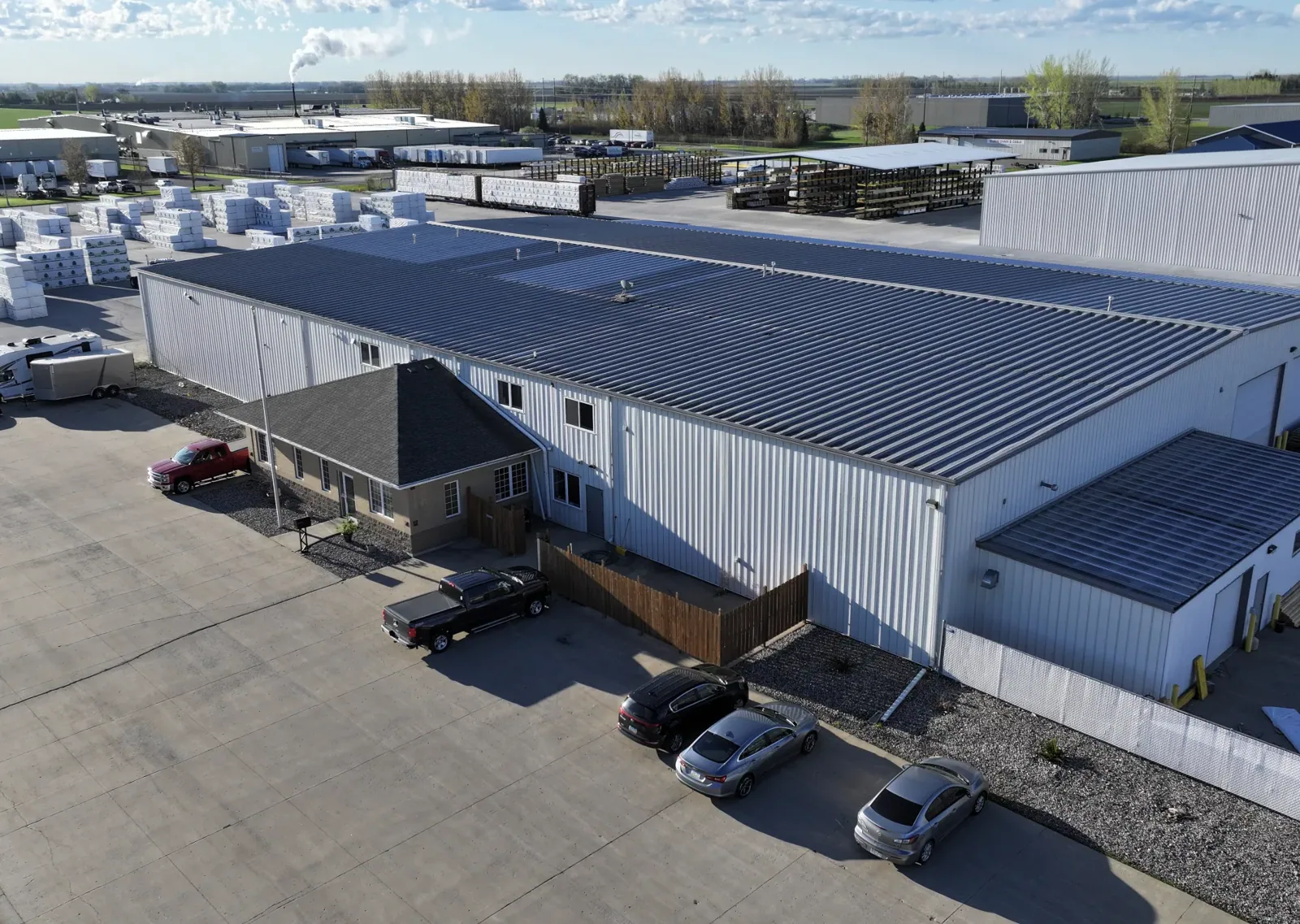
Southcreek and I-55 Logistics District, Romeoville
North Aurora I-88 Corporate Park
Commercial Roof Inspection
Occupied Commercial Building Reroofing
Commercial Roof Recover
Commercial Roof Insulation and Cover Board
Commercial Distribution Center Roofing
Commercial Warehouse Roofing
Commercial Roof Condition Reports
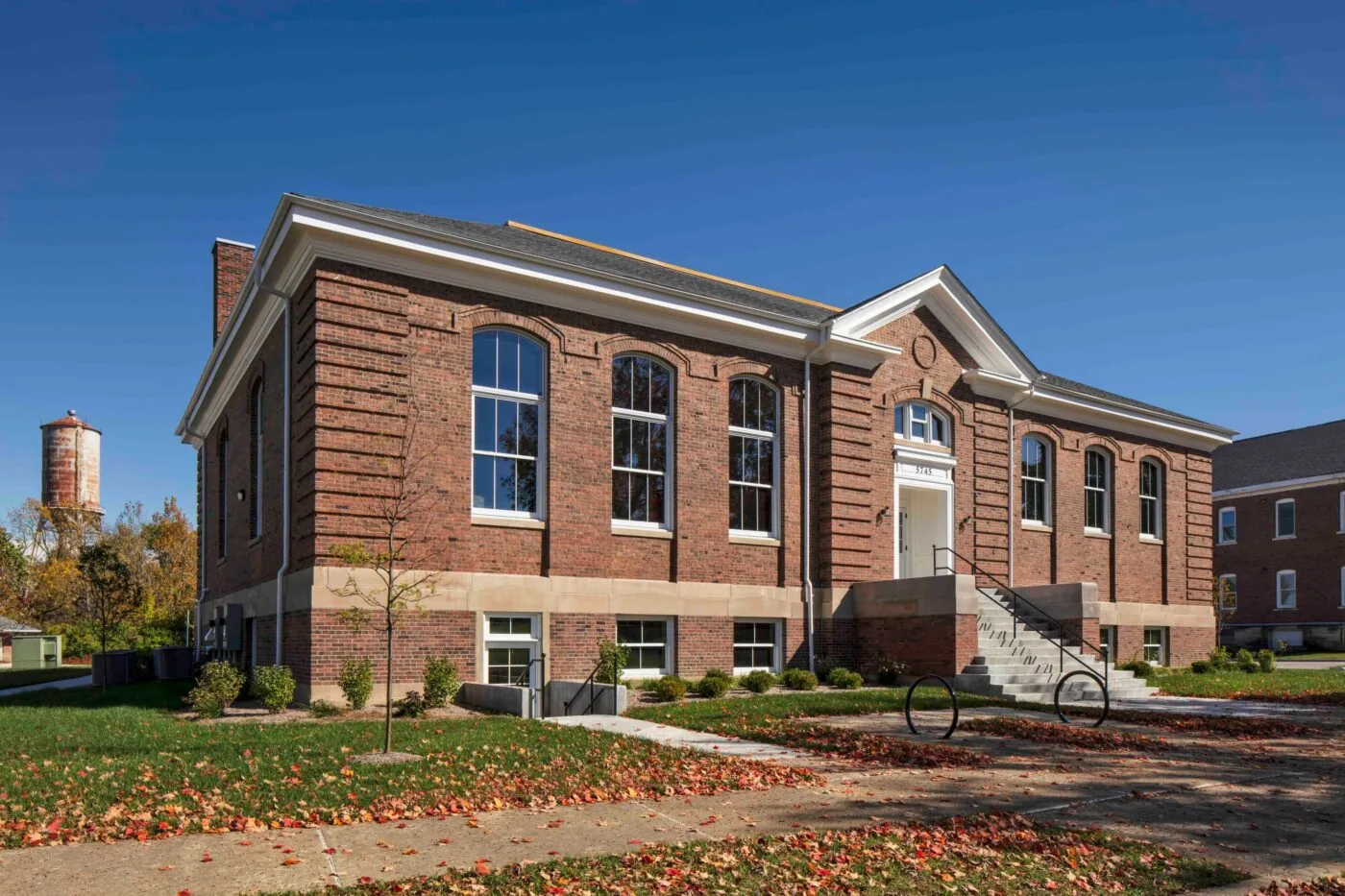
Is moisture entering from the roof or the interior?
We begin with the time and location of condensation or dripping, then compare the interior pattern with drains, seams, penetrations and roof-to-wall transitions above. Warm moist air can condense on cold surfaces when vapor-control details are discontinuous, while rain can enter through a separate roof opening. Those causes require different corrections. We document the roof and interior observations separately, review refrigeration logs where provided and avoid assigning a leak source from a ceiling mark alone.
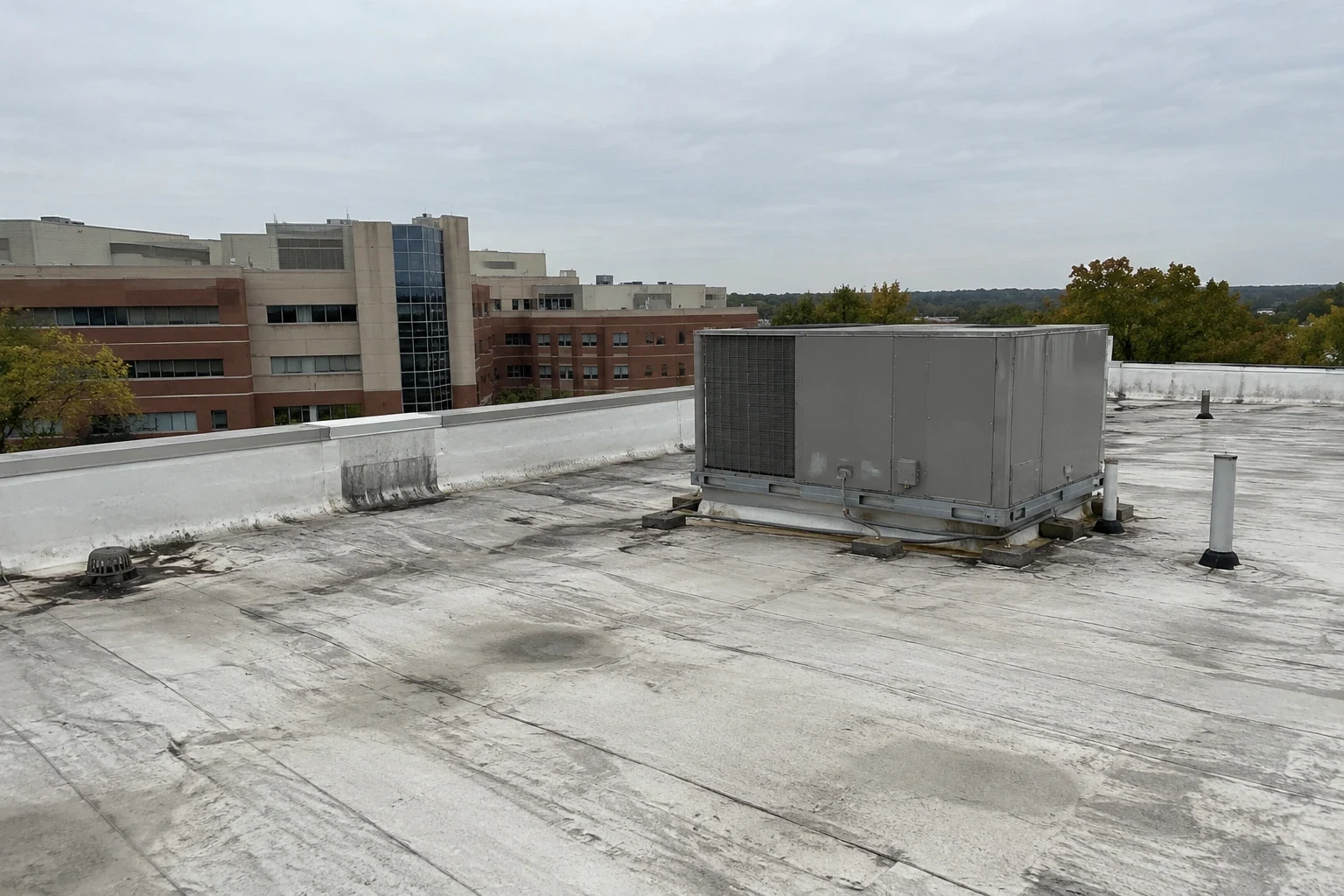
At roof level, we inspect membrane seams, insulation condition, flashing, curb transitions, pipe penetrations and equipment supports. Cold-room exhausts, refrigeration piping and condensate lines need detail review because movement or condensation can affect adjacent materials. Suspected wet insulation is tested and mapped, not estimated from a thermal pattern alone. An infrared survey may help target core locations when conditions support it. The report notes any area we could not inspect while equipment remained active.
What must stay within temperature control?
Before opening a roof section, the facility identifies product zones, temperature limits, alarm systems, backup refrigeration and the person who can authorize a controlled shutdown. The roofing sequence needs a weather-tight boundary that limits exposure to the room below. We coordinate material removal, temporary covering and restoration timing with refrigeration staff. If a panel, line or unit must remain active, the project team agrees on safe access and protection before work begins around its curb or penetration.
The local rain total is roughly 37.7 inches a year, concentrated more heavily in late spring and summer. At refrigerated warehouses, we protect open roof areas and maintain dry-in while crews work. Wet conditions can interrupt an open-roof sequence, so each shift ends with a secure dry-in and drain check. The facility contact receives the active section, expected closeout and any change in the forecast plan. An occupied-building schedule can help coordinate deliveries and interior protection while the cold room remains in operation.
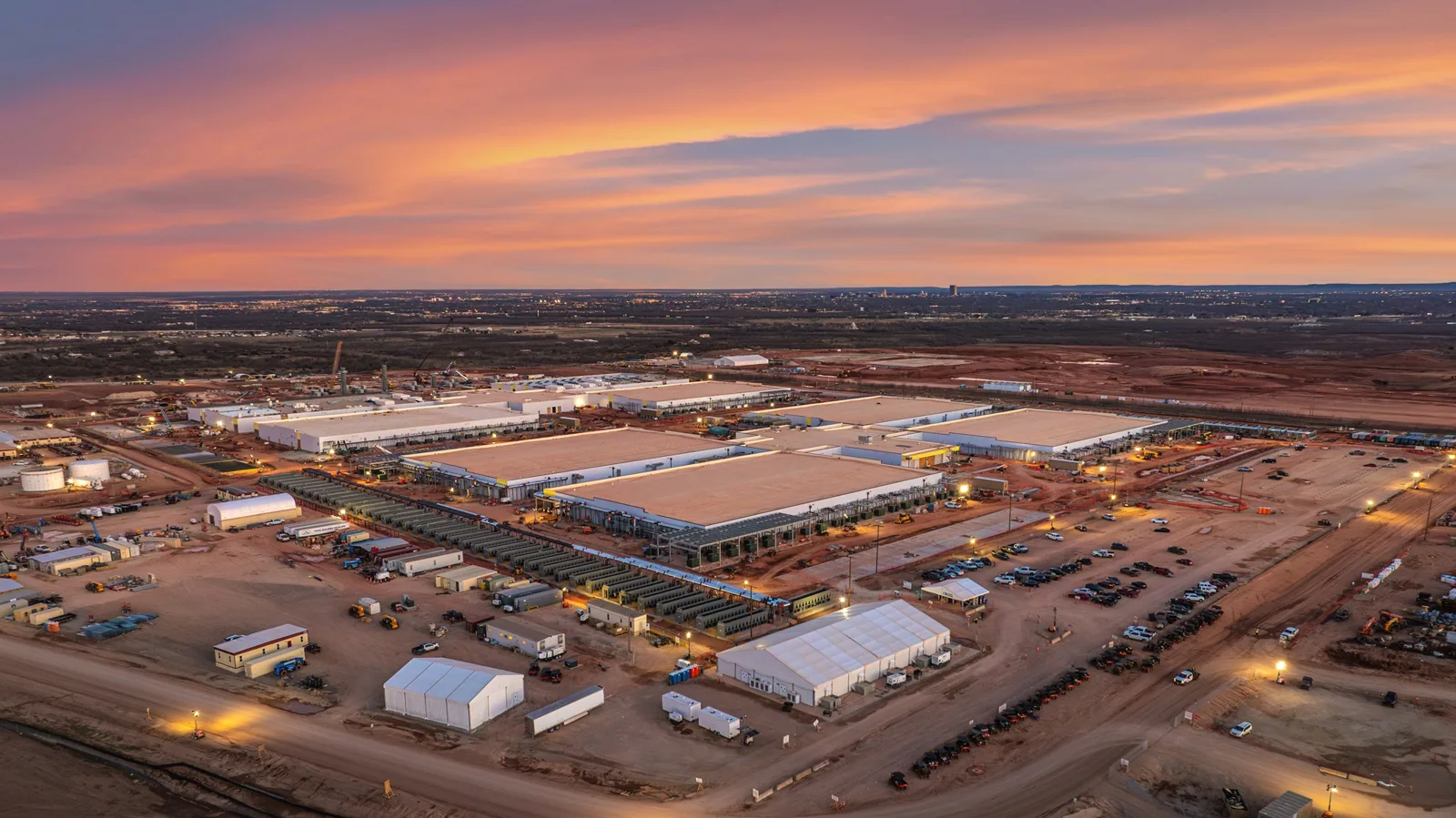
When does the roof assembly need replacement?
A local flashing failure may be repairable when the surrounding membrane and insulation remain sound. Repeated condensation or confirmed wet insulation across a larger area may call for a broader assembly review. We map test points, roof sections, prior repairs and interior observations, then identify what the data can and cannot establish. A moisture source inside the facility may require refrigeration or envelope design input in addition to roof work. The scope keeps those responsibilities distinct.
Recover eligibility depends on moisture, attachment, vapor-control continuity, existing layers and added height at drains or parapets. A recover assessment checks those conditions before another layer is proposed. If insulation or vapor retarder work is needed, assembly planning coordinates transitions with refrigeration equipment. For other commercial building types, a distribution roof review or warehouse assessment follows a different operating record.
What affects the cold storage schedule and cost?
Costs depend on roof section, membrane and insulation removal, vapor-control details, equipment curbs, testing, temporary protection, access and any requirement to maintain interior temperature. We identify where refrigeration coordination, cranes or special material handling add work. If moisture extends beneath a curb or concealed layer, the estimate states the allowance and approval step. The owner can compare a localized repair with section replacement without treating an unknown interior condition as confirmed roof damage.
Work timing follows both weather and facility operating limits. If product transfer or temperature recovery needs lead time, the site team sets the shutdown window before roof work reaches the equipment. Aurora's wet season and freeze-thaw cycles also affect dry-in and material requirements. We list the planned work areas, daily closure points and contingencies for rain or a refrigeration interruption. Those schedule assumptions stay visible so the facility director can review operational impact with the repair quantity.
Which closeout records help the next facility team?
Closeout should identify roof layers, insulation, vapor-control details, refrigeration penetrations, test locations, repair materials and completed sections. Photos document the assembly before it is covered, along with curb and transition details. We record facility approvals, any equipment movement and the final dry-in boundary. If condensation remains under observation, the report identifies the interior location and who monitors temperature or humidity after roofing work concludes.
For a portfolio in the South I-55 supply chain and North Aurora commerce corridor, each building needs its own operating limits, repair log and roof section map. A condition report can preserve that information for the next inspection. A roof asset record can connect repair dates with refrigeration maintenance history, keeping the roof and mechanical records linked without assigning one system's condition to the other.
How can we tell whether condensation is a roof leak?
The inspection compares interior timing and location with roof seams, penetrations, vapor-control details and refrigeration operation. We document the observed path and test suspected wet roof areas. If conditions point to interior humidity or equipment, the facility's mechanical team reviews that system alongside the roofing record.
Can the freezer remain operating while roof repairs are made?
The facility sets temperature limits, product protection and shutdown authority. We plan sections, temporary coverings and access around those requirements, then coordinate equipment work with refrigeration staff. The schedule names any window when a unit or room must be offline and how it will be restored.
What happens if wet insulation is found above a cold room?
We map and measure the confirmed area, photograph the exposed assembly and notify the owner before expanding the work. The repair plan states whether removal can remain local or needs additional testing. The facility also checks any interior temperature or product-protection response required by its operating procedure.
Does a cold storage roof need a vapor retarder?
The assembly design depends on indoor temperature, humidity, exterior climate, insulation placement and the building's construction. We document existing layers and details, then identify design questions for the project team. A universal vapor-retarder answer cannot be applied without the facility's operating conditions and assembly review.
Which records should we provide before inspection?
Roof plans, refrigeration equipment locations, temperature and humidity logs, leak reports, prior repairs and access procedures help establish context. Include the contact who can authorize a shutdown or roof entry. We verify those records in the field and identify discrepancies before assigning repair quantities.
Request a Roof Assessment
Send the Aurora-area address, facility contact, roof plans, refrigeration details and leak or condensation logs. We will map the assembly, test suspect areas and plan dry-in around product and temperature controls.
Call 555-555-5555 or send the form and we will set a time to walk the roof.