Commercial Roof Recover in Aurora, IL
Commercial Roofing Services
Confirm the existing roof before adding a layer
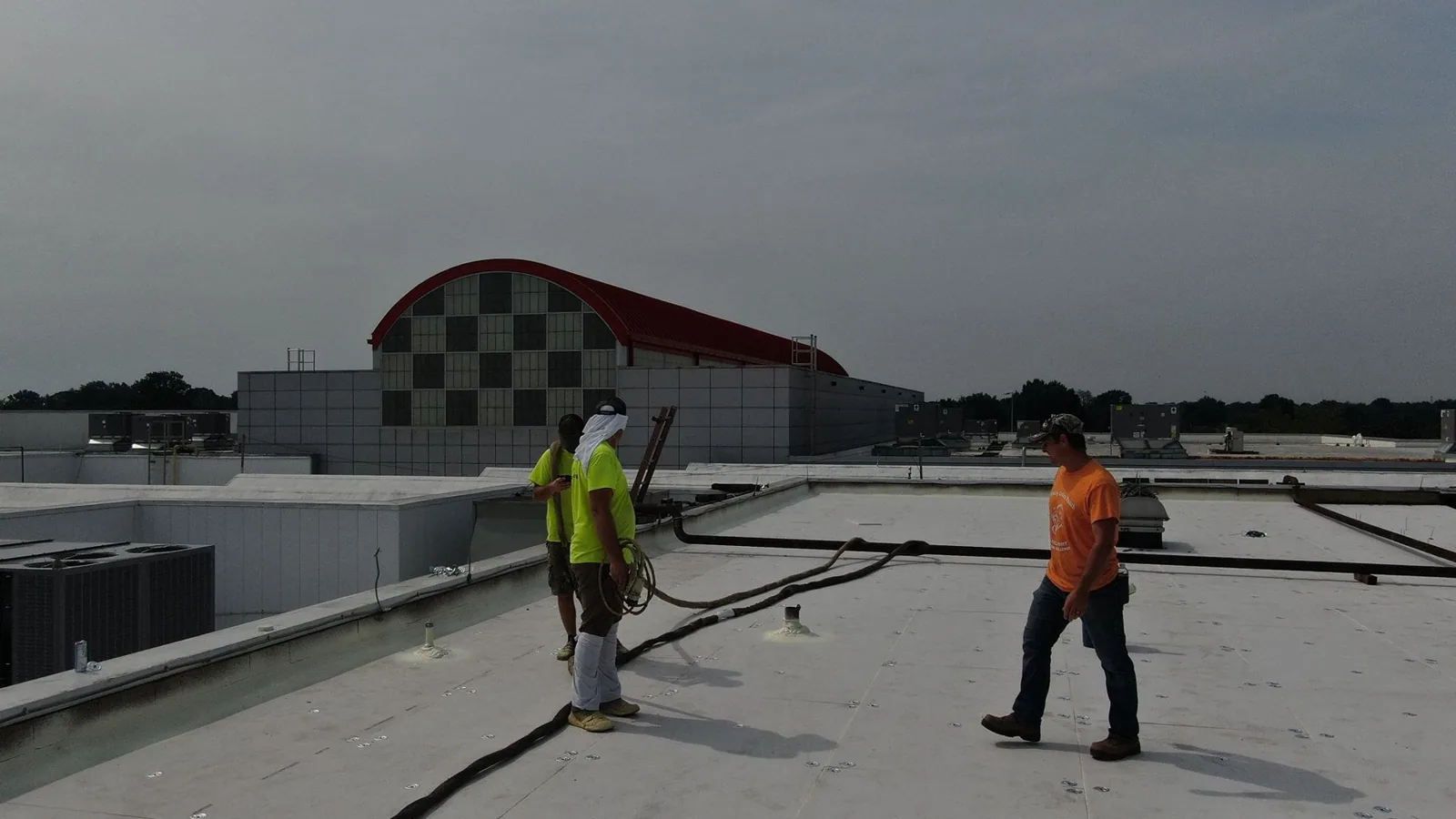
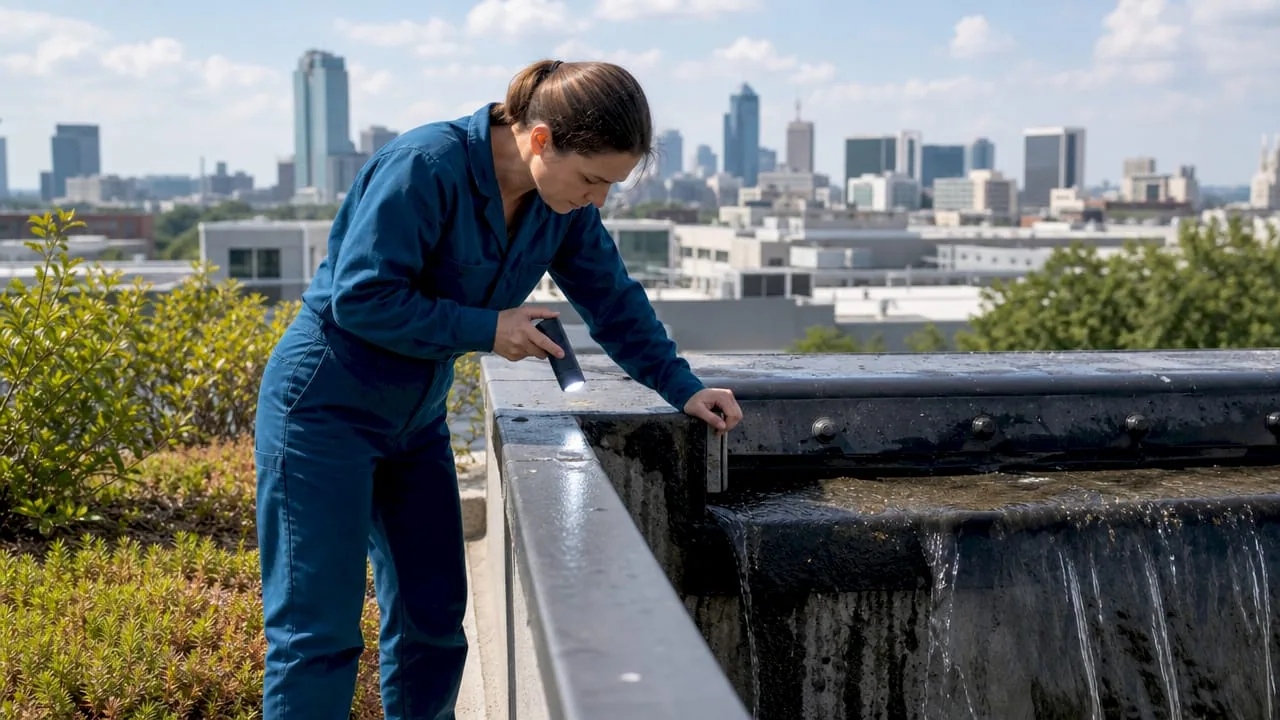
Fastener pullout or a soft area beneath the membrane can rule out a recover before material is selected. We inspect the existing roof, identify its layers and test suspected wet zones, then compare those findings with the proposed attachment and edge details. Aurora's repeated freeze-thaw exposure makes trapped moisture a consequential condition: water in insulation can freeze, expand and affect adjoining material. The first decision is whether the existing assembly can support another layer. A moisture survey can help map suspect areas for confirmation.
Fox Valley Mall and the Route 59 district illustrate the region's mix of retail and connected commercial properties, but each roof needs its own field record. Building use helps set access needs; roof records and field inspection establish the assembly and its condition. Core samples, fastener checks, drain elevations and membrane observations establish whether a recover is technically supportable. The work file separates tested areas from assumptions and assigns a condition band by section. That lets an owner compare a new overlay with tear-off using evidence tied to the actual roof.
What does the existing assembly allow?
A recover keeps existing layers in place, so the condition below the top membrane matters as much as surface appearance. We inspect seams, flashings, penetrations and prior repairs, then test representative suspect areas with approved core cuts. Moisture readings are interpreted with the roof's construction and conditions at the time of testing. A dry sample does not prove every section is dry, and one wet core does not define the whole building. We map each result to its location and recommend added tests when the sample pattern leaves a material gap.
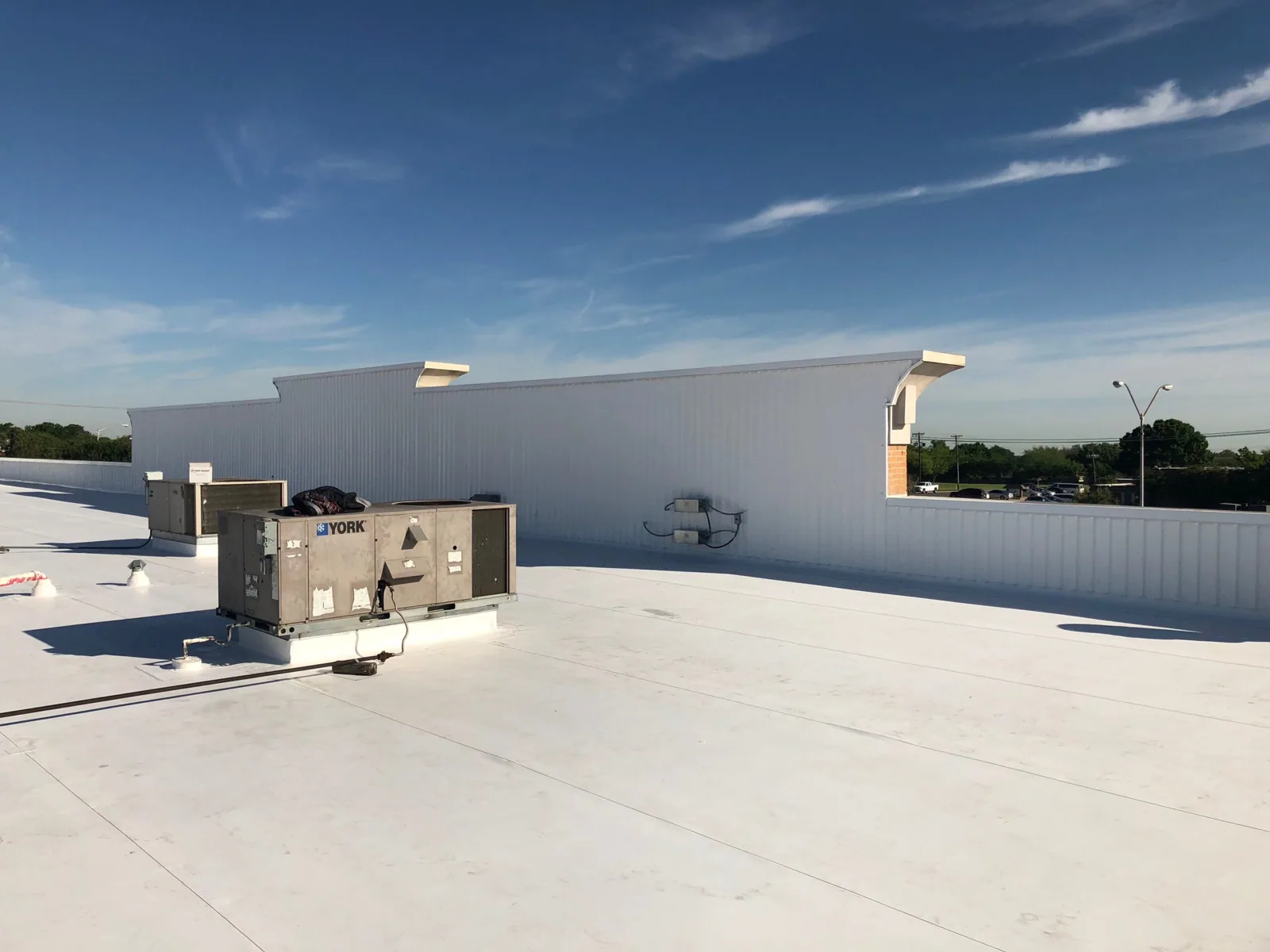
Attachment is another gate. The existing deck, fastener embedment, insulation stability and pullout performance affect how a new system can be secured. Added height can change edge metal, curbs, door thresholds and drain bowls. We record these conditions by roof section before identifying a recover assembly. Where the roof cannot meet the proposed attachment or moisture criteria, we compare a full replacement scope and identify what removal would expose. The decision is based on measured condition, not a preference for one installation method.
Which option carries less uncertainty?
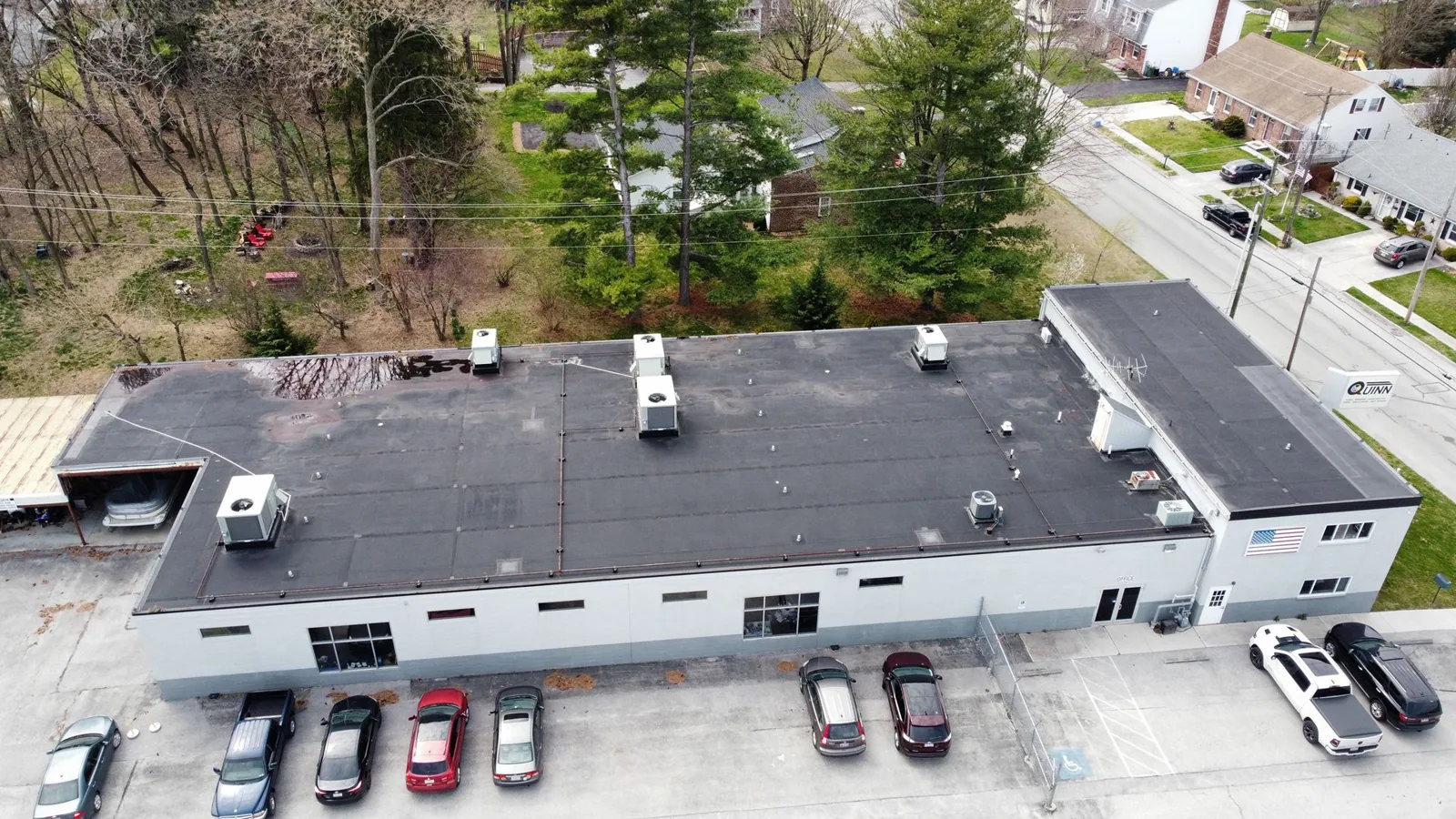
Overlay work can reduce demolition, but it also leaves concealed materials in place. Tear-off exposes the deck and permits direct replacement of wet insulation or damaged components. We compare the tested moisture quantity, condition of the existing membrane, attachment results and projected edge modifications. Those variables should be visible in the recommendation, not buried in a general allowance. If the owner chooses an overlay, the approved quantity names which sections qualify and which exclusions remain. A roof inspection provides the baseline for that choice.
A recover is reviewed against Aurora's 2024 building-code series, which became effective January 1, 2026. Privately funded commercial facilities also follow the Illinois Energy Conservation Code, so added assembly layers and insulation changes need project-specific review. We identify the code and permit questions for the design team rather than assume an overlay is exempt or automatically accepted. A recover that clears the technical review still needs proper transition details at drains, parapets, curbs and equipment supports. The completed detail list links the selected assembly to the building's drainage path.
What belongs in the scope allowance?
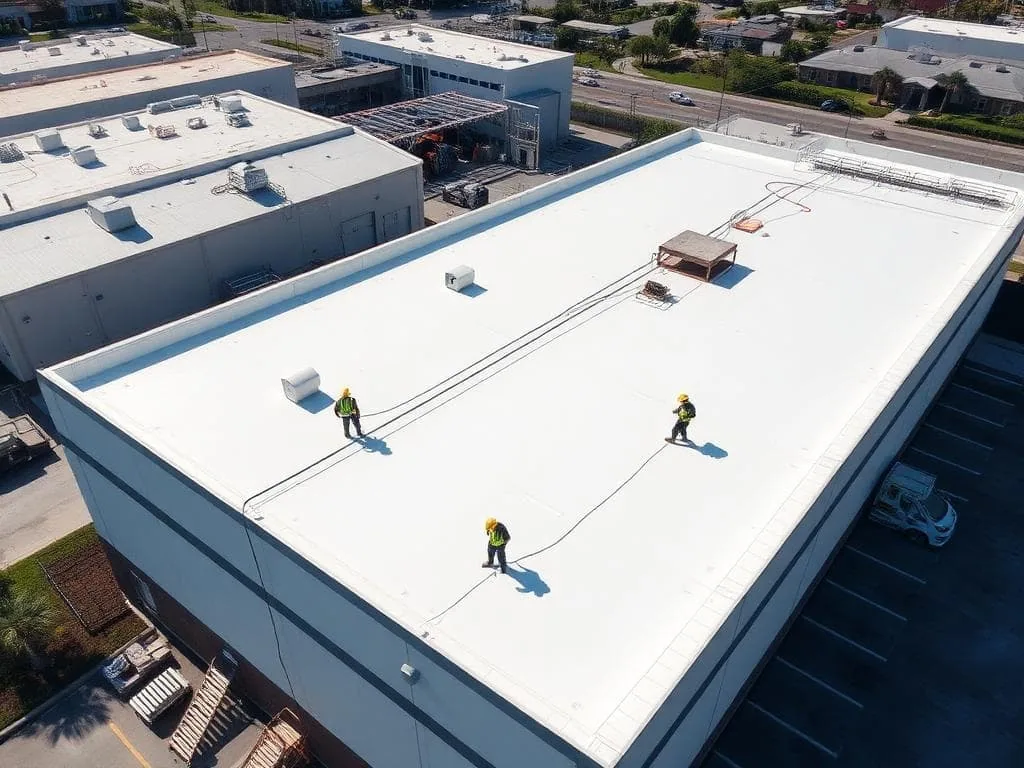
Recover pricing follows tested area, surface preparation, insulation additions, attachment pattern, perimeter work and correction of drainage details. A proposal should distinguish base quantities from options such as additional cores, localized insulation replacement or curb extensions. We note the approved quantities and what field evidence would trigger a change. That protects the comparison with tear-off from relying on an unrealistically clean overlay assumption. A capital plan can hold both options with their distinct exposure until the owner selects a scope.
Schedule also depends on access and weather. In Aurora, annual precipitation is about 37.7 inches, with wetter conditions in late spring and summer. Those conditions can affect surface preparation and create a need to secure materials and daily work areas. We sequence a recover so the exposed surface does not remain vulnerable between shifts. For active retail near Route 59, deliveries and customer access may shape staging hours; the facility contact confirms the building's constraints. Our schedule records those inputs separately from the crew's production assumptions.
How should the decision be preserved?
The inspection record should include roof sections, material layers, core locations, photos, fastener findings, drainage conditions and any areas that were not tested. It should state why each section qualifies or does not qualify for recover, along with open code or design reviews. The owner then has a basis for the approval quantity rather than a single yes-or-no statement. After installation, the closeout should record the new assembly, transition details, field changes and maintenance observations for the next portfolio date.
Industrial properties west of Aurora Municipal Airport connect to US 30, Route 47 and the I-88 network, where operating schedules and freight access may matter to phased work. That local context helps plan access, while roof tests govern the recover decision itself. We can coordinate the overlay with insulation and cover-board work, and compare manufacturer-approved details across TPO assemblies and other specified systems. The final record shows how the roof section was tested, approved and completed.
What finding rules out a recover?
Widespread wet insulation, unstable layers, poor attachment or a deck that cannot support the proposed fasteners can make an overlay unsuitable. We test and map those conditions before pricing the work. Localized wet areas may sometimes be removed and repaired, but the surrounding assembly must still meet the system requirements. The report names the sections that qualify and the evidence behind that boundary.
Does one core sample prove the whole roof is dry?
One sample describes only its location. We use the roof plan, visual signs, infrared indications and construction history to select test points, then recommend additional cores where readings conflict or conditions change. The result is a tested-area map, not an unsupported roof-wide statement. A facility director can see where the evidence is strong and where uncertainty remains.
Can an overlay improve insulation?
Added insulation may be part of a recover if the assembly, drainage height, attachment and code review support it. We calculate how added thickness affects drains, curbs, edges and transitions, then document the specified layers. The Illinois Energy Conservation Code applies to privately funded commercial facilities in Aurora. The design team confirms the current requirement for the particular project before materials are approved.
How does a recover change leak investigation later?
The closeout record becomes especially useful because existing layers remain below the new system. We preserve the tested locations, transition details and any retained materials, then tie future observations to a roof section. If a leak appears, this history helps narrow the inspection area without assuming the original roof is the source. A leak investigation can use that record to distinguish surface and concealed conditions.
What local access details affect work planning?
The facility's delivery rules, operating hours and safe staging locations set the practical boundaries. Retail properties near Fox Valley Mall may have different customer-access windows from industrial facilities near the airport corridor. We confirm those conditions with the site contact and plan material handling and daily securement accordingly. They change the sequence, while tested assembly condition continues to govern whether recover is suitable.
Request a Roof Assessment
Share the Aurora address, roof plans, prior repair notes and facility contact. We will map tested areas, check attachment and drainage, and document whether each section supports a recover.
Call 555-555-5555 or send the form and we will set a time to walk the roof.