Commercial TPO Roofing in Aurora, IL
Roof Systems
Assess the TPO seam before setting a repair quantity
A TPO seam that releases at a corner needs more than a fresh weld if the sheet has pulled from its attachment. We inspect the lap, adjacent field membrane, edge detail and substrate, then map the repair boundary by roof section. With about 121 below-freezing days each year in Aurora, open TPO work must be protected from water that could freeze at a lap or drain transition. The report distinguishes a local weld repair from movement or moisture that may require a broader assembly review.
Commercial properties near Fox Valley Mall and the Sugar Grove airport industrial district may use different roof layouts and operating schedules. We confirm the actual TPO thickness, attachment, cover board, insulation and repair history at each building. A roof inspection sets the tested area and approved quantity before a repair or replacement option is priced. That gives the facility director an assembly-specific record rather than a recommendation based on membrane color.
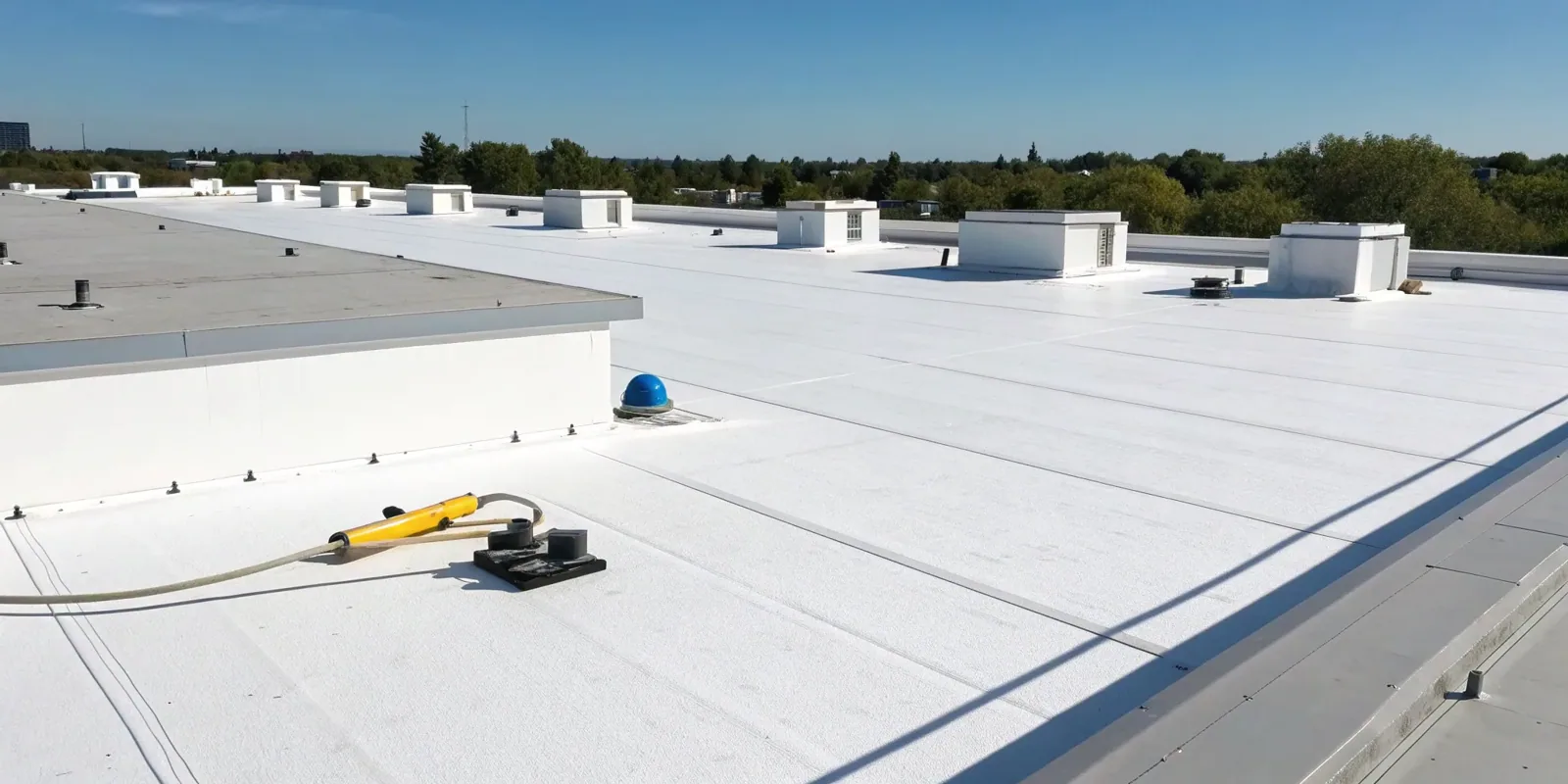
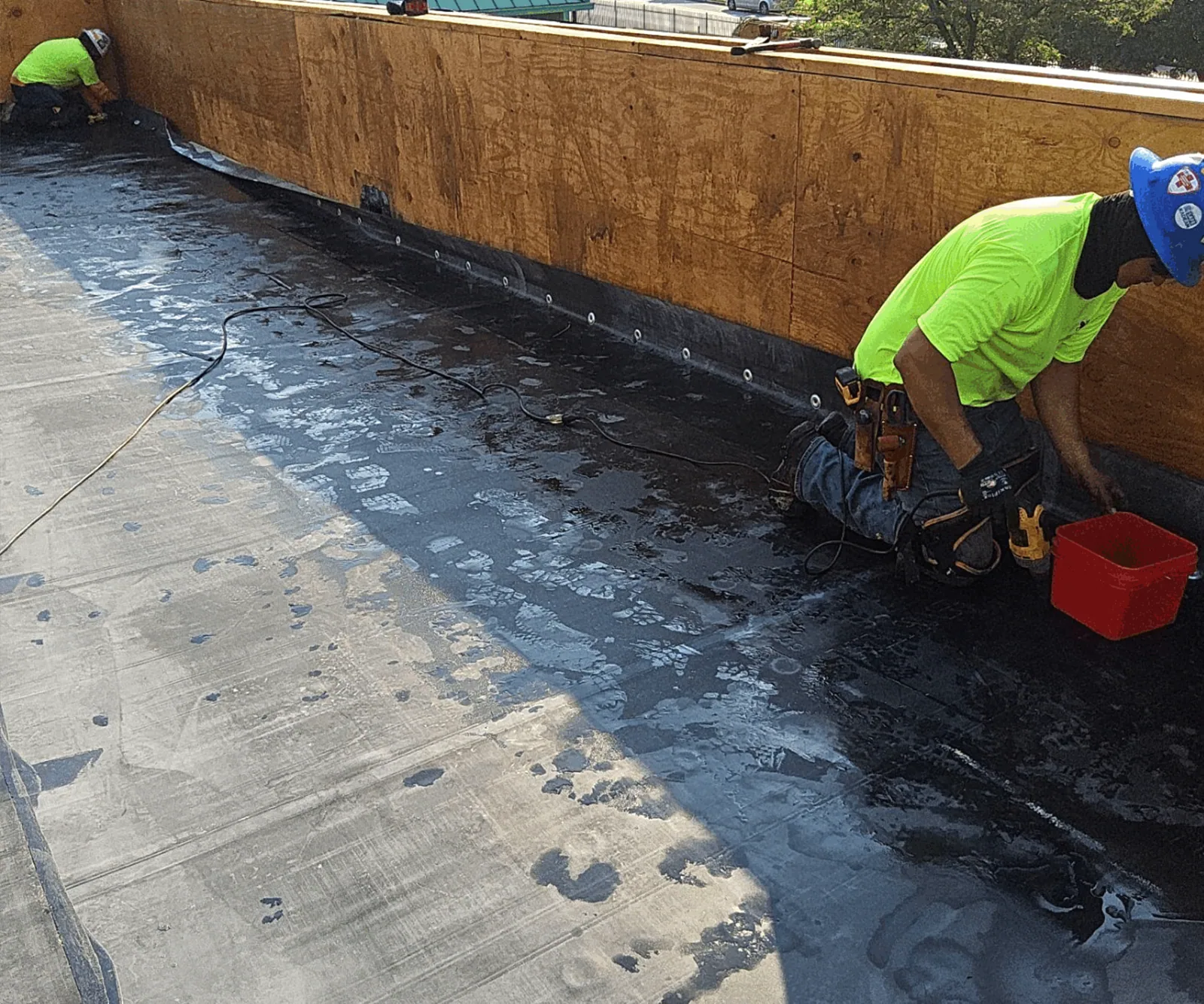
What does the membrane and seam show?
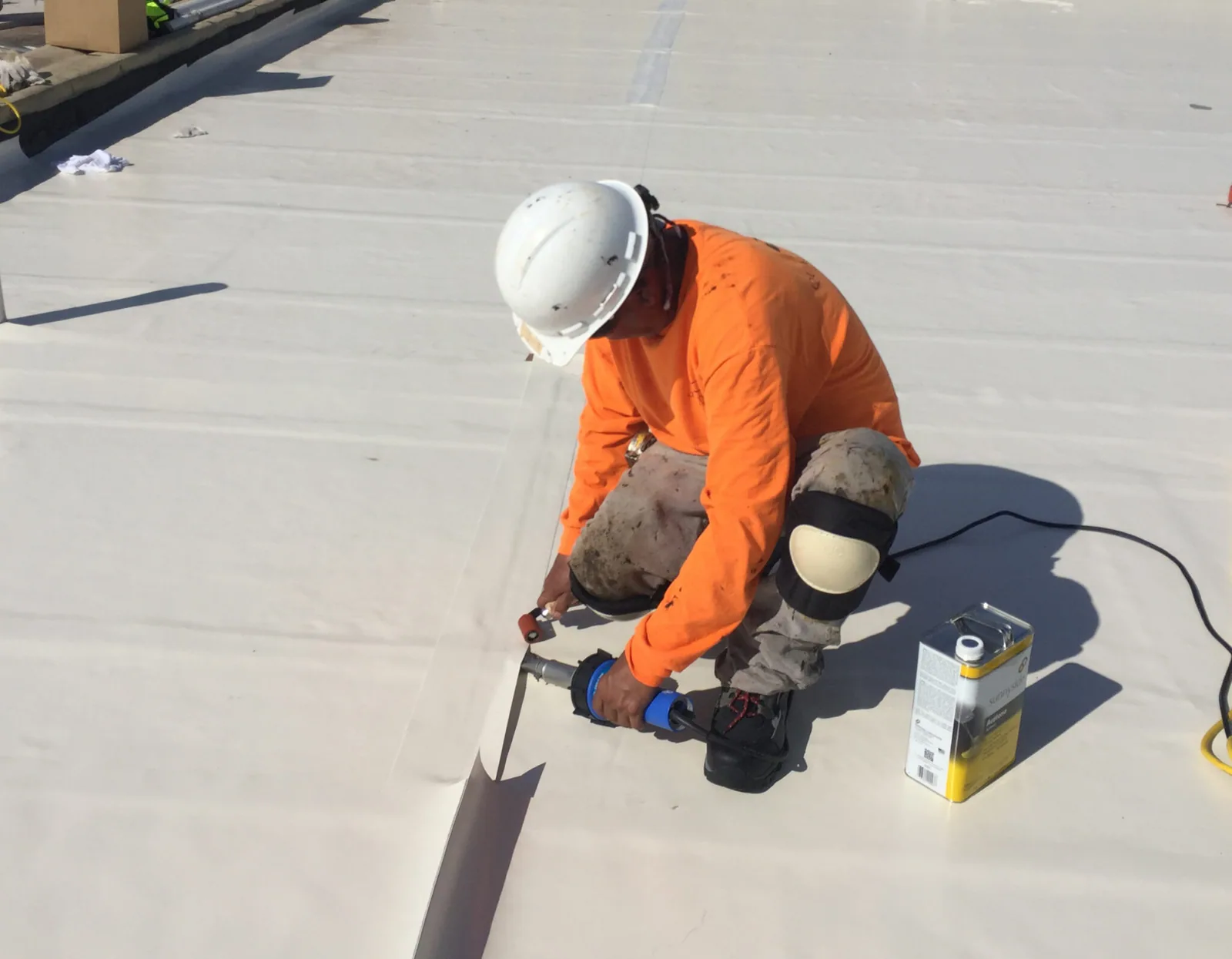
TPO uses heat-welded seams on a thermoplastic single-ply sheet; the weld and aged surface condition should be tested before repair material is selected. We inspect weld width and consistency, probe suspect laps where appropriate, and examine patches, corners, penetrations and terminations for separation. A surface wrinkle is not automatically a leak, but its location and movement can affect the detail. We record punctures and abrasion along service routes, then check whether the damage reaches the membrane or only the surface. Where an old repair obscures the original seam, we identify the uncertainty before setting a quantity.
Attachment may be adhered, mechanically fastened or ballasted depending on the assembly. We review available submittals and field evidence to identify how the sheet is held, including perimeter and corner zones. A lifted edge or repeated seam split can indicate a larger attachment concern that requires design review. We confirm attachment from submittals, field details and approved inspection openings; the membrane face alone cannot establish the fastening method. If the roof plan or core results are missing, we identify which tests or openings would clarify the assembly before material selection.
Can this TPO section be repaired?
A clean weld repair may be practical when the surrounding sheet remains weldable, attachment is stable and the insulation below is sound. A repair can also require a cover patch, flashing replacement or new termination where damage crosses a curb or perimeter. We clean and prepare the substrate using the system requirements, then document the patch boundaries. If the membrane is contaminated, embrittled, badly weathered or repeatedly splitting, we compare repair with a broader recover or replacement scope rather than promise another patch will resolve it.
Aurora's annual precipitation is about 37.7 inches, with wetter months from May through September. A seam opening during that season can admit water beyond the visible repair location. We inspect drainage and nearby penetrations, and test suspected wet insulation before it is covered. A moisture survey may locate patterns for confirmation, while a recover assessment checks whether attachment, moisture and code conditions allow another layer. Each option lists its own tested area and assumptions.

How do heat, weather and rooftop traffic affect TPO?
Summer surface temperatures, rooftop equipment service and foot traffic can contribute to wear, but the observed condition matters more than a general exposure label. The local July normal is 83.9°F, and days above 90 number about twelve per year, so heat exposure belongs in seam-welding plans. We inspect exposed field membrane, welds, walk paths and equipment approaches for changes that can affect watertightness. Hail or dropped tools can produce impact or puncture marks; we check whether each mark compromised the sheet and map the evidence before recommending repair.
Routine maintenance clears drainage paths and checks seams after rooftop work. A maintenance program can record seam observations, completed repairs and the next portfolio date. If a leak appears near a drain or curb, we trace the path rather than assume the nearest TPO lap failed. A drainage review can show whether water is being held against the seam. The service record notes any area that could not be inspected because equipment or access blocked it.
What drives a TPO repair or replacement scope?
Scope and cost follow membrane area, number of seams, substrate preparation, attachment, insulation replacement, perimeter work, penetrations, drainage changes and access. We separate field repairs from curb, edge and deck work, with allowances for concealed conditions stated clearly. If a tested area shows wet material, the approved quantity identifies where removal begins and ends. The owner can compare a defined repair with replacement without carrying untested square footage as confirmed damage.
The TPO specification and any insulation change are reviewed under Aurora's code cycle now in force, with applicable state energy provisions identified for private work. The project team confirms applicable requirements for the scope, including assembly and insulation questions. We identify the review before materials are ordered. Schedule depends on weather, roof access and dry-in limits, especially when buildings remain occupied. A phased work plan can coordinate section handoffs with tenant hours and rooftop equipment service.
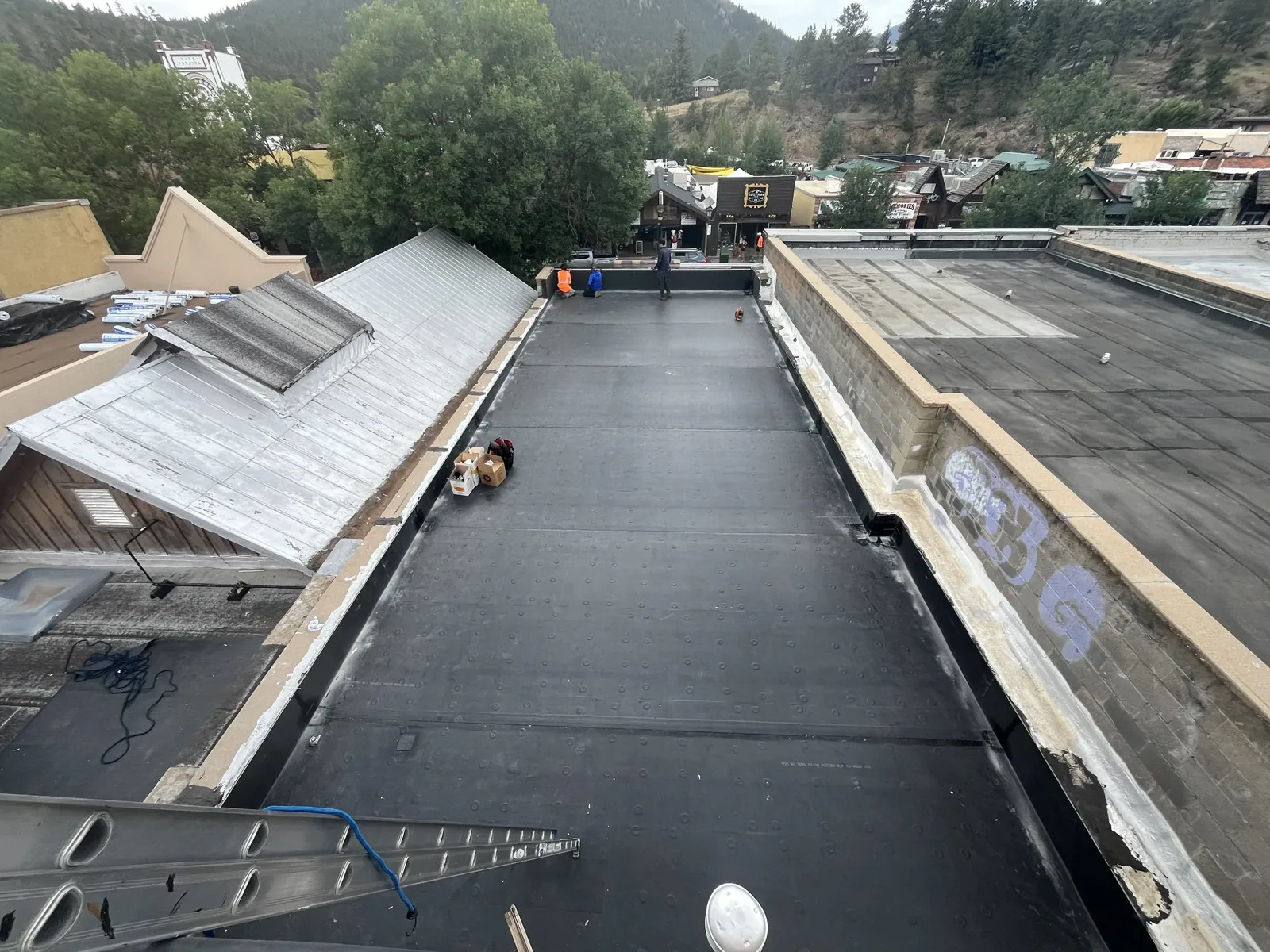
What should the TPO record preserve?
Keep the manufacturer and membrane data, thickness, attachment, insulation, cover board, seam layout, repair locations and photographs with the roof plan. During installation, the work log identifies substrate preparation, seam checks, weather interruptions and concealed findings. Closeout records the completed membrane and details, any approved changes and remaining maintenance items. If the owner later requests an inspection, those records make it easier to compare a new seam condition with the original repair and avoid repeating tests without a reason.
For a facility director tracking buildings across Route 59 and I-88, a consistent condition band can help sequence work, but the TPO assembly must remain tied to its own roof section. A condition report records tested areas and next review date. If the roof needs a new layer, compare TPO with PVC or EPDM using the site's exposure, use and maintenance requirements. The product decision should follow evidence and project specifications.
Can a split TPO seam be welded back together?
A repair may be possible when the membrane remains suitable for welding and the surrounding attachment and substrate are stable. We inspect the seam, prepare a test area if needed and define a patch that extends onto sound material. If the split reflects movement, contamination or wet insulation, the scope may need additional work beyond a new weld.
How do you check a TPO seam?
We inspect the weld visually and probe suspect locations using methods appropriate to the system and site conditions. The report marks failed or uncertain sections, photos the findings and distinguishes a confirmed opening from surface variation. A repair quantity follows the mapped seam length and adjoining detail, not an assumed percentage of the roof.
Does white TPO eliminate summer heat problems?
A reflective surface can alter absorbed solar energy, but insulation, air leakage, HVAC condition and occupancy also affect indoor loads. We can document product properties and roof assembly conditions, but a savings forecast requires building-specific energy analysis. The roof recommendation remains tied to membrane condition and the approved assembly.
Can TPO be installed over the existing roof?
A recover depends on moisture, attachment, deck capacity, added height and code review. We test suspect areas and compare the proposed assembly with curbs, drains and edges. If wet insulation or unstable layers prevent a recover, we identify the required removal scope. The roof plan separates sections that qualify from those that do not.
What TPO records should we keep after a repair?
Retain the membrane data, repair location, seam photographs, material, date, tested area and any maintenance instructions. If the roof plan marks curbs or drains near the repair, keep those references together. The next inspection can compare current seam condition with the repair record and document any new change.
Request a Roof Assessment
Send the Aurora address, facility contact, roof plan, TPO submittals and repair history. We will inspect seams, attachment and drainage, test suspect areas and document section-level repair or replacement options.
Call 555-555-5555 or send the form and we will set a time to walk the roof.