Big-Box Retail Roofing in Aurora, IL
Property Types We Roof
Set the next roof decision by section
A leak over receiving can interrupt deliveries before it reaches a sales floor. The first decision is whether water comes through a failed roof detail, travels from another section, or follows a mechanical curb. We inspect the reported area and surrounding drainage, then mark confirmed openings separately from suspected wet insulation. That record lets the facility team approve a repair quantity without turning one interior stain into a replacement scope.
Big-box stores combine broad roof fields with loading docks, signs, rooftop units and public entrances. Near Fox Valley Mall, Route 59 and I-88 connect major retail properties, while the store's own delivery schedule controls access. We map roof sections to the areas below, identify lift and staging limits, and sequence work around receiving and customer traffic. Aurora's freeze-thaw cycles and summer heat also affect when a repair can be prepared and closed.
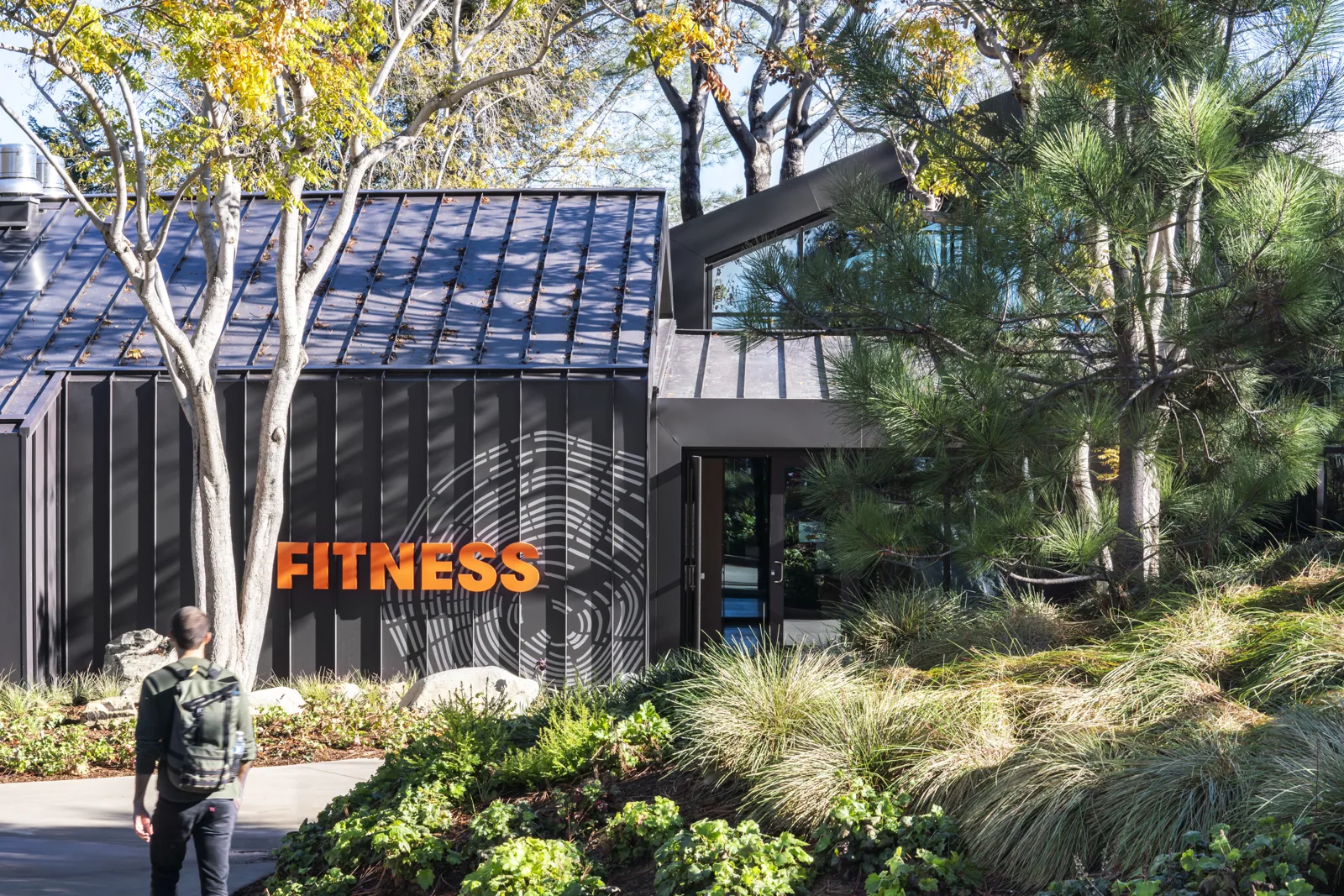
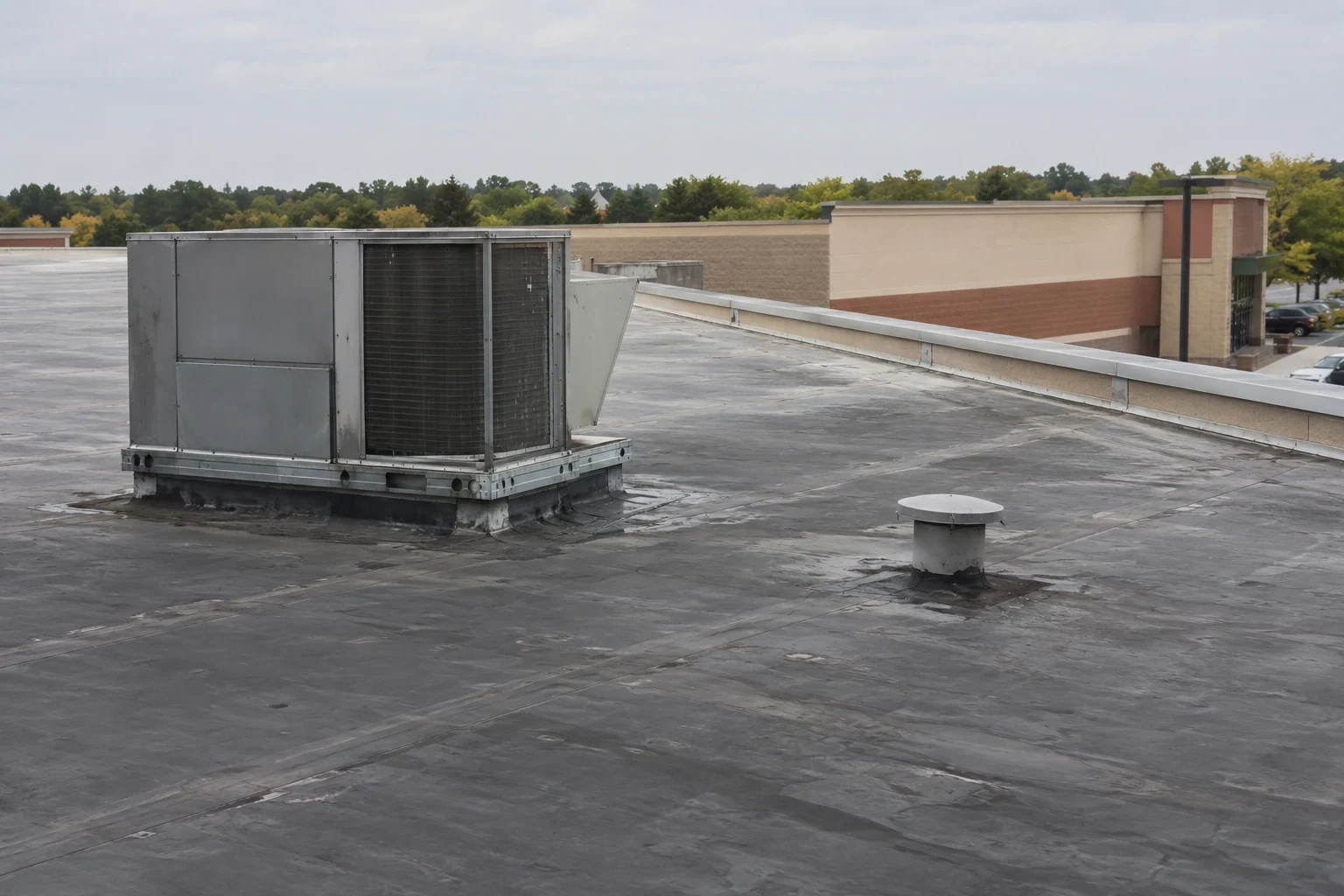
Which roof section is causing the interruption?
A wet ceiling tile does not define the repair boundary. We compare the reported time and location with the roof plan, then inspect seams, penetrations, drains and prior patches above and upslope. Water can move through insulation or along a deck before becoming visible inside. Where access allows, we photograph the interior symptom and corresponding roof detail. The report names any inaccessible bay and distinguishes observed damage from an area that still needs testing.
Long roof runs can cross several departments even when the leak appears local. We note changes in membrane, slope, attachment and previous repair work so a facility director can see where conditions change. Infrared scanning may help identify a moisture pattern, but selected core tests confirm the tested area before insulation quantities are approved. An inspection record can then support a defined repair, further testing or a separate capital review.
What changes when the store stays open?
Receiving doors, fire lanes, customer entrances and rooftop equipment all affect the sequence. Before a section opens, the site contact confirms store hours, delivery peaks, lift access, roof access controls and any shutdown authority. We identify where materials can be staged and whether work above an entrance needs a temporary barrier. The plan should state the active roof section and expected handoff, so operations staff can route people and deliveries without guessing.
Daily precipitation in Aurora is spread through the warmer months, with monthly totals near four inches from May through September. A forecast therefore matters to tear-off limits, temporary dry-in and end-of-shift checks. We protect open edges and verify tie-ins before leaving a section. A store with weekend promotions or overnight stocking may need a different work window than a nearby distribution facility. The approved plan records that schedule and keeps an occupied-building reroofing sequence tied to real site conditions.
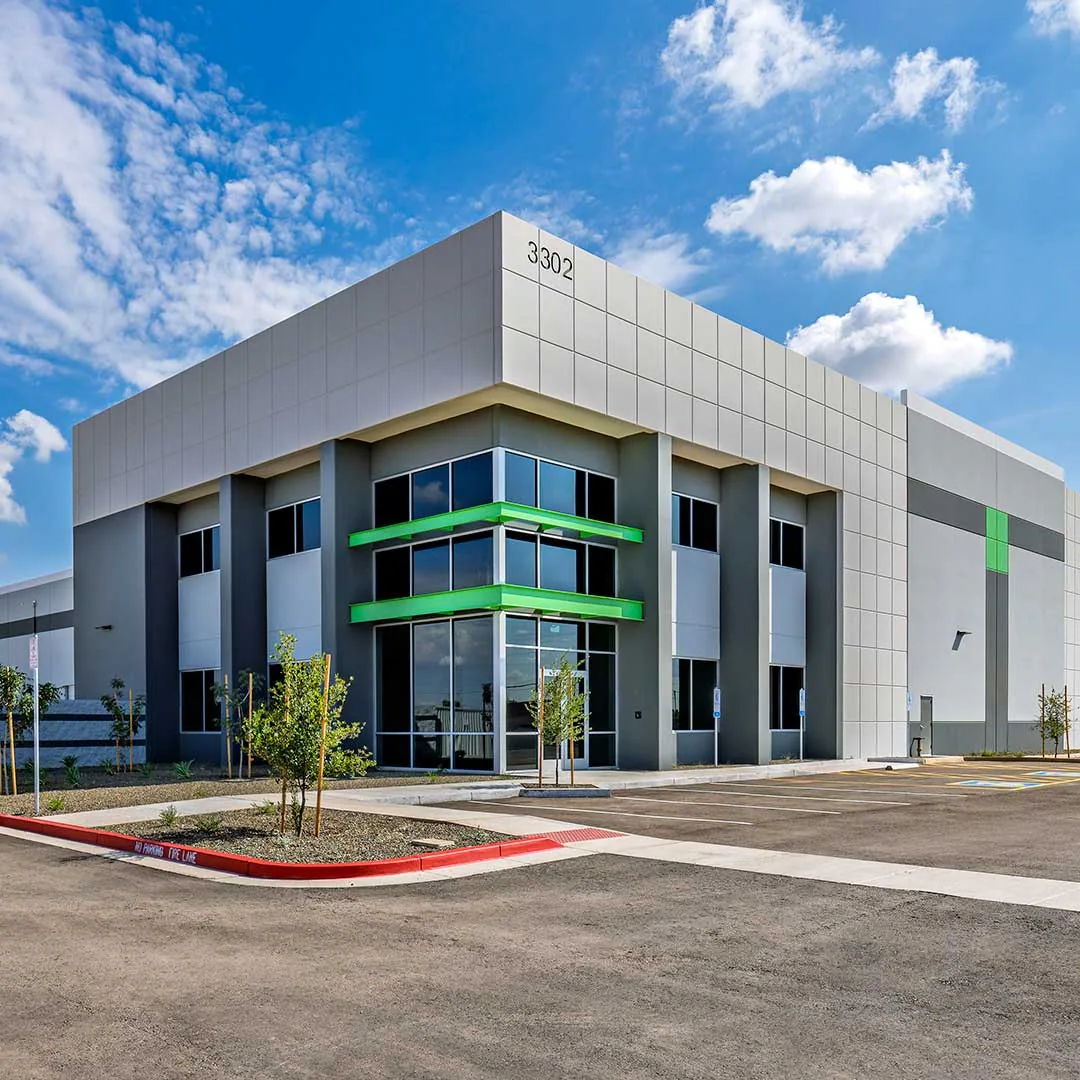
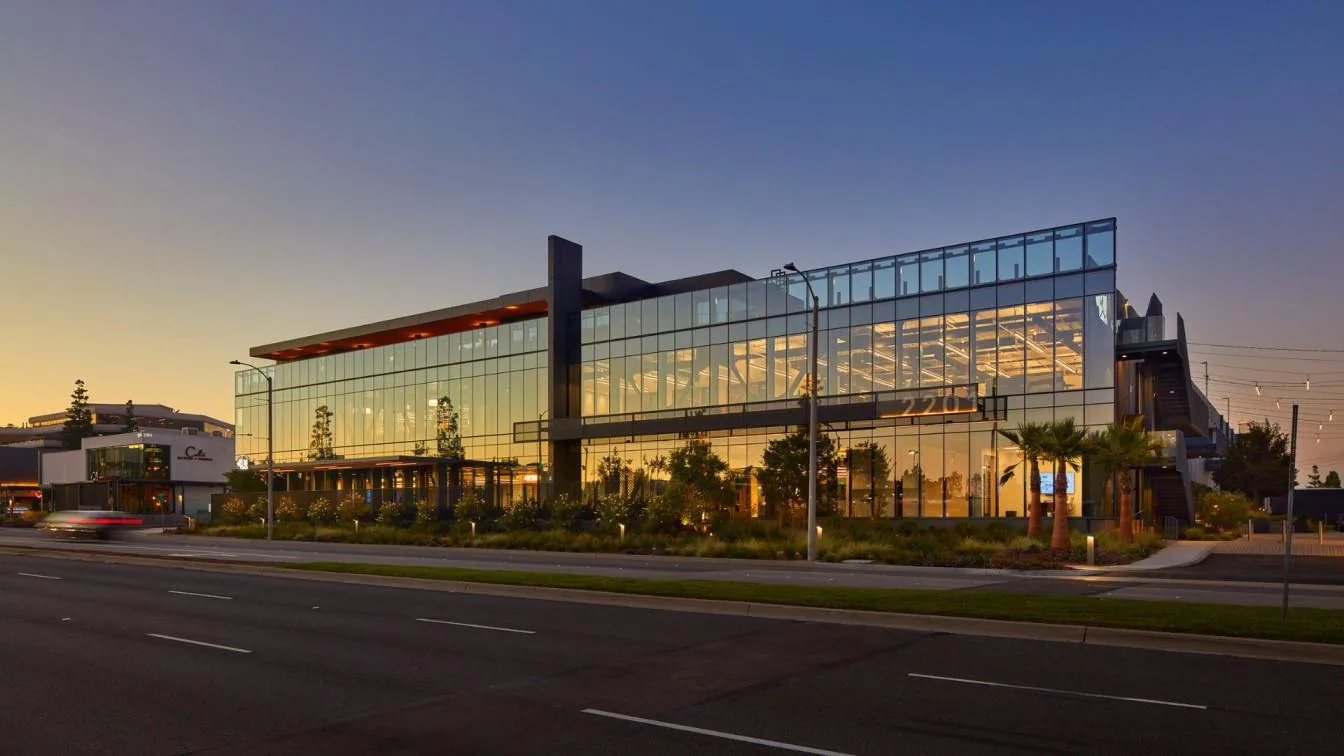
Repair, recover or replace the store roof?
A repair is a strong candidate when the opening is isolated and nearby membrane, insulation and attachment remain serviceable. Repeated leaks, widespread seam separation or confirmed wet insulation can move the decision toward broader work. We compare test results, repair history, drainage, curb height and edge conditions before setting quantities. A repair scope identifies the section to correct; a replacement plan separates verified work from allowances that still need testing.
A recover can reduce removal, but only when the existing assembly, attachment and drainage can support another layer. We review the roof build-up, deck condition and transition heights before recommending an overlay. A recover assessment can expose constraints at drains and perimeters that a surface-only review misses. For a large store near Route 59, equipment service access and delivery timing may weigh as heavily as material choice. The condition band should explain both the selected work and what would change that decision.
What drives the approved quantity and schedule?
Cost and duration follow the amount of confirmed work, roof access and the number of details that need careful tie-in. Multiple membrane types, rooftop units, signs, skylights, occupied entrances and active receiving areas add separate steps. Tear-off can reveal deck or insulation conditions that were not visible during the survey. We identify those limits before work and document concealed conditions if they change the approved quantity. The estimate should separate known scope from items that require authorization after exposure.
Aurora averages about 121 days below freezing each year, so freeze-thaw exposure can affect sealant, surface preparation and the season window for some repairs. Summer heat also changes crew timing on exposed roofs. We match work to material requirements and forecast conditions, then show the facility contact which sections can be completed within the approved window. If delivery routes or customer areas need protection, those controls belong in the sequence rather than in a last-minute field decision.
How should roof history follow the building?
Keep the roof plan, leak log, test map, equipment inventory, repair invoices and closeout photographs under one portfolio date. A work record should identify the section, product, approved quantity, concealed conditions and date of service. That lets the next facility review distinguish a repaired seam from an untested area and compare later reports with the same roof map. We note deferred items with a review trigger, such as a new leak, a drain obstruction or a planned equipment replacement.
For stores in the Fox Valley retail district, the Route 59 corridor plan describes connected commercial redevelopment around the mall area. That context can help an owner track changing access and adjoining work, but it does not establish another property's roof condition. A condition report preserves section-level findings, while a shopping-center roof plan addresses shared tenant operations. The facility team can use both records to set the next maintenance date and budget window. A grocery roof review considers refrigeration and loading demands.
Can one leak justify replacing an entire big-box roof?
A single leak does not establish the condition of every section. We trace the water path, inspect adjoining details and test selected areas when moisture is suspected. If findings remain localized, the scope can stay limited to that approved repair quantity. Repeated failures or confirmed wet areas may support broader work, but each roof section is evaluated against its own test results and repair history.
How do you protect receiving and customer access during repairs?
The site contact identifies delivery peaks, customer entrances, fire lanes and lift restrictions before work starts. We schedule roof access and material staging against those operating windows, then state which entrance or dock needs temporary control. The work plan also records the dry-in boundary and daily handoff, so the facility team can coordinate the active section with store operations.
Does Aurora winter weather change when retail roof work can happen?
Temperature and moisture conditions affect preparation, adhesion and cure requirements for many repair materials. Aurora's repeated below-freezing days also expose roof details to freeze-thaw movement. We check forecast conditions against the selected system instructions and set a season window for the work. Emergency response remains available around the clock, while permanent repair timing follows safe and suitable conditions.
What records should a retail facility keep after a roof repair?
Keep the marked roof plan, photographs, approved quantity, product information, concealed-condition notes and completion date with the leak history. Record the tenant or department below each affected section when that information is available. The next inspection can then compare the same roof area and identify whether the repair held, adjacent conditions changed or another test is needed.
Request a Roof Assessment
Send the Aurora store address, facility contact and available roof records. We can inspect the reported area, identify the approved quantity and plan work around receiving and customer access.
Call 555-555-5555 or send the form and we will set a time to walk the roof.