Commercial Roof Condition Reports in Aurora, IL
Roofing Capabilities
Get a report that supports a roof decision
A roof report is useful when a facility director can point from the finding to the same detail on the building. We mark each roof section, photograph seams and penetrations, record test limits and separate observed damage from suspected moisture. Aurora averages about 121 days below freezing each year, so flashing and drainage findings also need to show where seasonal movement may affect the next repair decision.
Commercial properties near Fox Valley Mall and Route 59 differ from industrial buildings around US 30 or older structures in Downtown Aurora. The report identifies the property and roof assembly rather than extrapolating from a nearby building. A condition band, approved quantity and review date give owners a consistent summary, while photographs and notes preserve the evidence behind each recommendation.
What should the report show on the roof map?
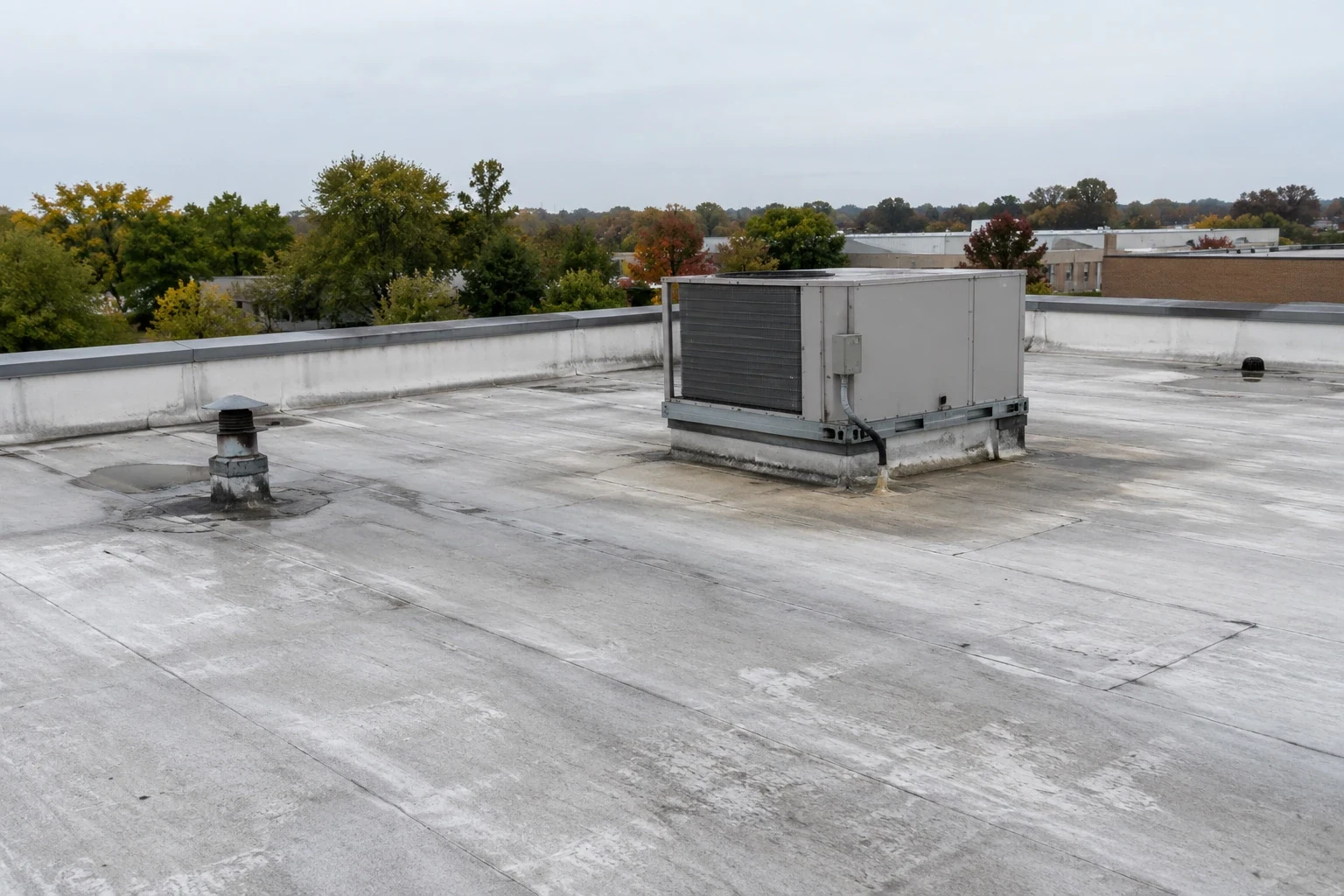
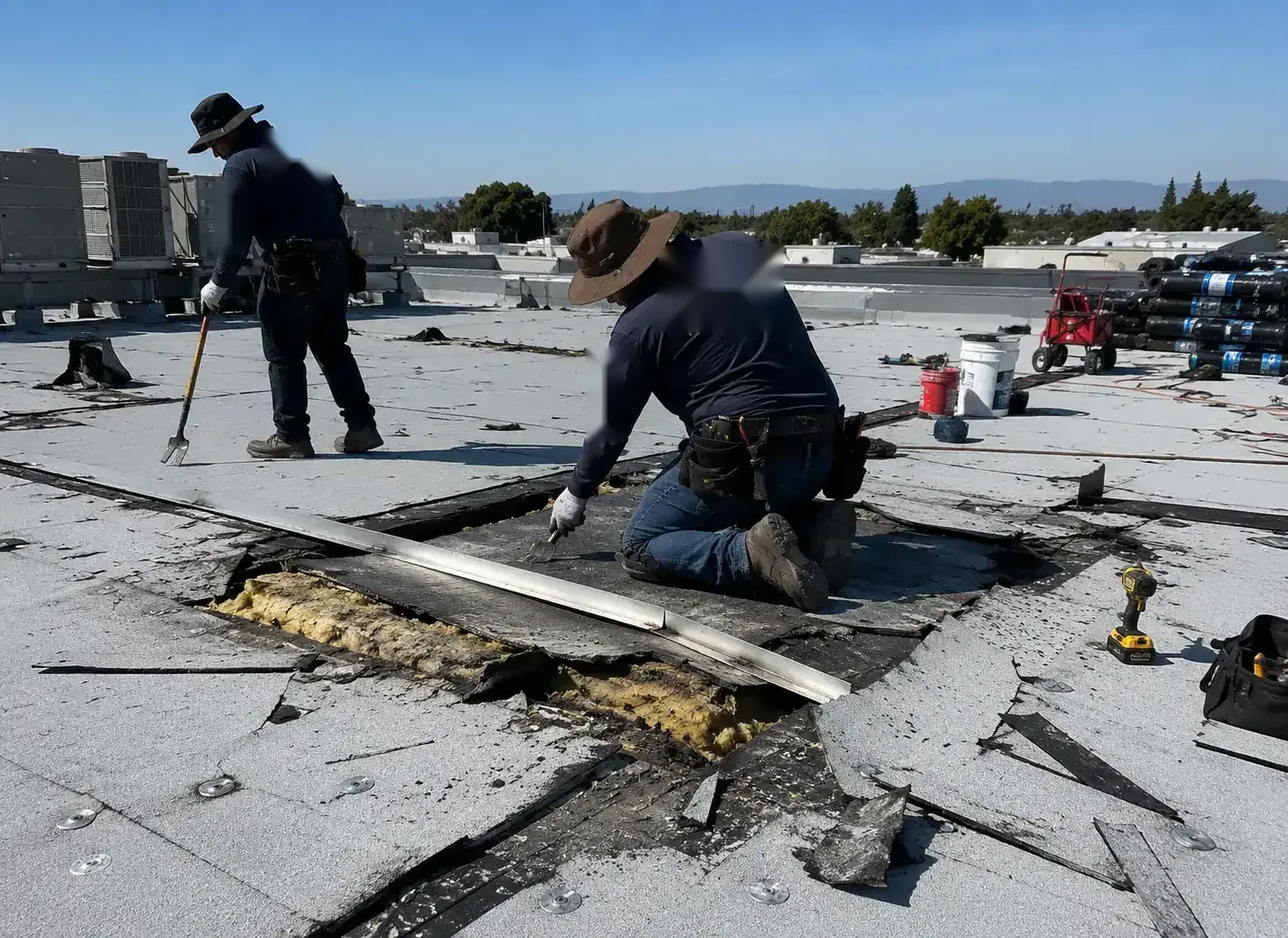
Start with property, building, date, access conditions, roof plan and assembly information available at the site. Mark section boundaries, drains, curbs, penetrations, edges, prior patches, active leaks and any areas not inspected. Each photograph should have a location and detail caption. If roof drawings are incomplete, the report should identify the map as field-created so future users know which measurements need confirmation. Add the weather and surface conditions observed during the visit, the inspection method used at each section and any access equipment that limited viewing. That context helps a later reviewer understand why one edge was photographed at close range while another remained outside the survey. Include the responsible contact and the date the findings were delivered.
We document visible surface condition, water path and repair history, then note whether moisture testing is recommended. Infrared patterns can guide core locations; samples confirm only the areas opened. The report records test points and results separately from untested roof. Note whether the sample was taken at the leak path, a representative roof section or a suspected low area; do not extend one result beyond its location. Include any restriction on destructive testing that affects confidence in the conclusion. A commercial roof inspection provides the observations; a moisture survey can add selected test locations where concealed conditions may affect scope.
How should findings lead to an action?
Each finding should state the roof section, observed condition, evidence, next action, approved quantity and priority. A localized opening may call for repair; repeated failure or test-confirmed moisture may require a broader review. Conditions still awaiting access or tests remain open questions. This format helps a manager separate immediate work, further investigation and planned capital scope without turning an uncertain surface pattern into a confirmed replacement area.
A roof asset record can carry the report through maintenance cycles, and capital planning can align confirmed quantities with funding. For a portfolio, a multi-site program tracks reporting dates and closeouts. Every recommendation still points back to its own photo, test result or observed detail so a reviewer can check why it was assigned. Use a concise action label such as repair, sample, monitor or capital review, then state the evidence and approval needed before work proceeds. If the finding affects a tenant or critical operation, identify the area below without making an unsupported claim about the entire property.
What is the difference between observation and diagnosis?
A photograph records what was visible on inspection day. It does not prove the cause of every interior stain or the condition under every roof layer. The report distinguishes direct observation, owner-provided history, test results and professional recommendation. We list blocked access and weather limits, identify untested sections and avoid assigning a leak source where evidence does not support it.
When roof sections are opened, concealed deck or insulation conditions can change the quantity. The report should not present a pre-removal condition as a final material inventory. A follow-up record adds the exposed finding, measurement, authorization and repair closeout. The original report should remain unchanged and link to the approved change, so the owner can distinguish the inspection recommendation from conditions found during demolition. This is especially useful when replacement proceeds in phases or when another contractor works on the same roof between surveys. The later scope change remains traceable to the section that required it.
Which details make a report usable next year?
Use stable building and section names, retain the inspection date, list approved quantities and give each deferred item a review trigger. Include roof-system notes, prior work, test boundaries, photos and owner contacts. If equipment or tenants change, update the map and access details. Retain the report version, reviewer and distribution date with the property file. When a later inspection uses a new section name or plan, cross-reference the former label so historical work orders can still be located. A later reviewer should be able to find the original condition and determine whether it was repaired, retested or left outside the approved scope. Deliver photographs at a usable resolution and use filenames or captions that connect each view to the map. Keep the original images, not only a compressed report export, when facility policy allows. Clear labels reduce time spent locating a detail during follow-up.
Aurora's property records include a connected redevelopment district near Fox Valley Mall and historic commercial buildings in Downtown; a condition report still stays attached to its own address. These locations may affect access and staging, but they do not establish a roof's condition. The Fox Valley Mall district and Downtown Aurora can identify service visits. Keep the roof map attached to the specific address and add a new portfolio date after any inspection or repair.
What is included in a commercial roof condition report?
The report can include the roof plan, assembly notes, photos, section conditions, leak history, test locations, approved quantities, access limits and next action. Findings distinguish what was observed from untested areas. The facility can use the document to scope repairs and plan future inspections.
Does an infrared image confirm that insulation is wet?
An infrared pattern can guide where to sample, but does not by itself confirm a removal boundary. Core testing verifies only the locations opened. We map those points and label surrounding areas as untested unless further sampling confirms their condition.
Can a report be used to compare several properties?
Yes. Consistent section identifiers, condition bands, dates and quantities make portfolio summaries easier to read. Each property report still needs its own photos, assembly, access limits and test boundaries. The summary helps rank follow-up but does not replace the building-level evidence.
How should a report change after the roof is repaired?
Add the approved work, material, completed section, photographs, quantity and date while retaining the original inspection. Note any remaining test or deferred item. The next review can then distinguish the condition found before repair from the current roof record.
Request a Roof Assessment
Share the Aurora address, roof plans, leak reports and records of prior work. We can inspect accessible sections, map testing and deliver a condition record with clear next actions.
Call 555-555-5555 or send the form and we will set a time to walk the roof.