Commercial Roof Asset Management in Aurora, IL
Roofing Capabilities
Put each roof decision in the asset record
A portfolio spreadsheet can show repair spend without explaining which roof section still needs attention. We build a property record around building, assembly, test boundary, condition band, approved quantity and next review date. The manager can compare assets while each roof retains its own inspection evidence. That makes the next maintenance or capital decision traceable to the specific property.
Aurora's assets span retail near Fox Valley Mall, industrial properties west of Aurora Municipal Airport and mixed commercial buildings in Downtown Aurora. The local economy includes healthcare, education, manufacturing and hospitality, creating different access and operating demands. A portfolio does not have one roof condition. We assess each address and keep its system, repair history and operating limits distinct in the shared asset record.
What information should a roof record contain?
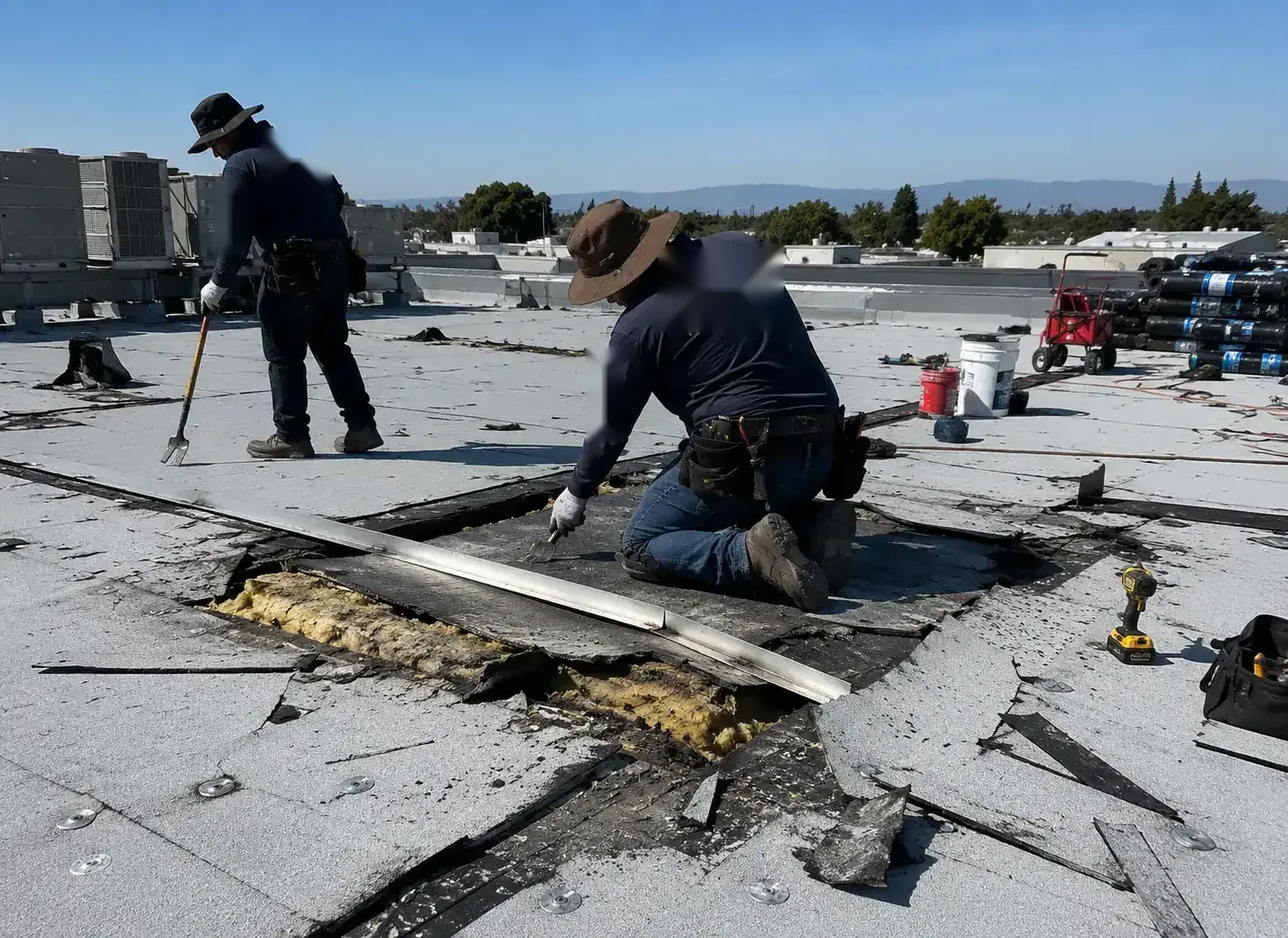
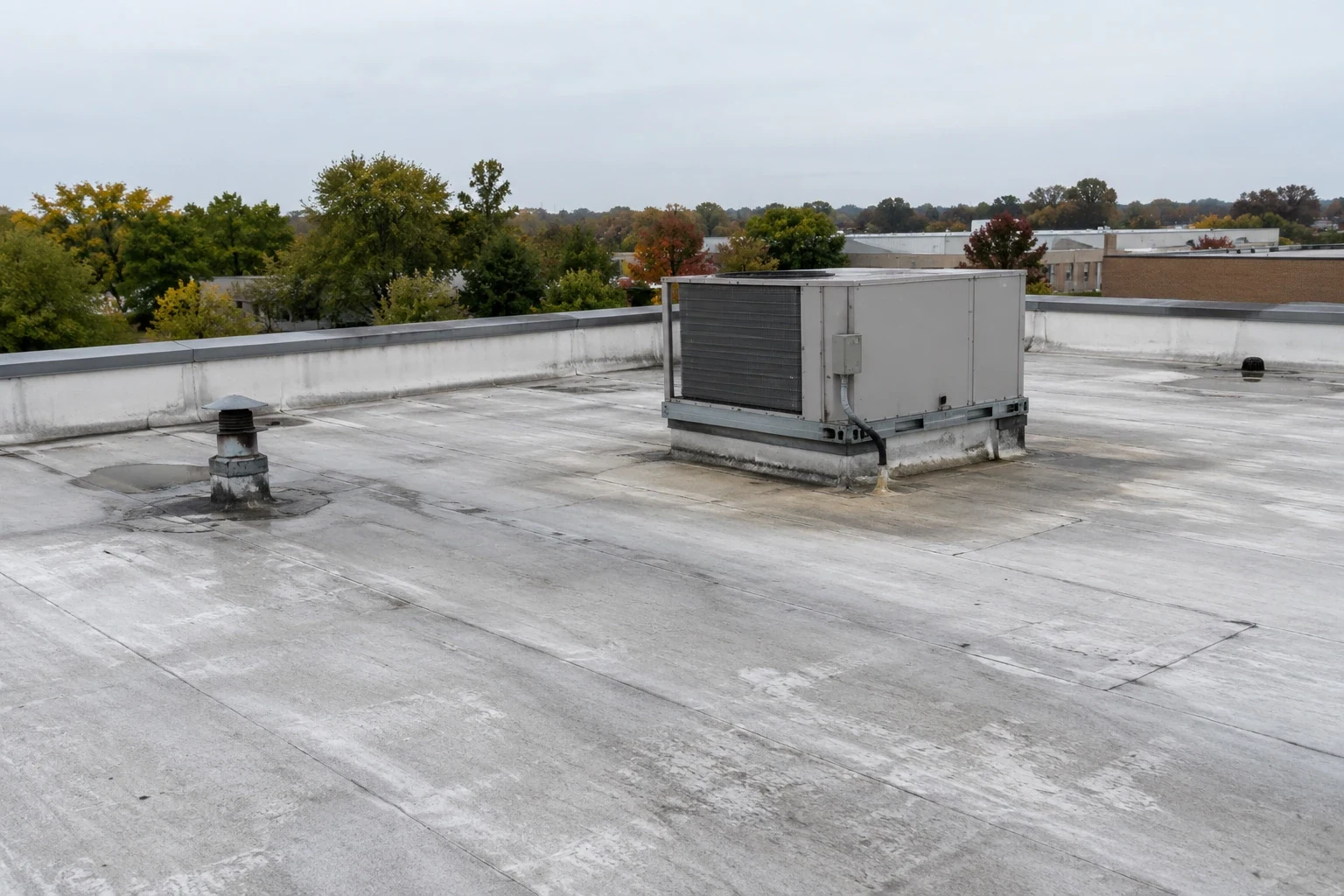
Start with the address, building identifier, roof section, system, available drawings, leak log and known repair history. During inspection we add visible conditions, photographs, test locations, access limits and approved quantities. The record distinguishes observed damage from suspected moisture and untested areas. If drawings or system information are missing, we note that gap so the asset team can obtain documents or authorize further testing.
A written condition report can hold inspection findings, while a due-diligence survey organizes roof information for a transaction. The asset file should include a portfolio date and identify who owns each follow-up. Consistent fields let the next reviewer compare one building with another without treating different assemblies or access rules as interchangeable. Keep source drawings, inspection photos and approvals under stable names, and note who changed the record. If a measurement is revised after a field visit, preserve the earlier quantity and reason for change rather than silently replacing the original value.
How can a manager rank roof needs?
Rank active water entry, operational consequence, confirmed moisture, repeat failures and remaining test questions separately. A condition band can identify what needs repair now, what needs a sample and what can be revisited at a scheduled walk. We link each recommendation to a section and photo rather than a building-wide label. The manager can then weigh urgency against access, season window and funding availability.
A capital plan can align confirmed quantities with budget cycles, while a multi-site program tracks projects and closeouts across addresses. A localized leak at a healthcare property may affect a different operation than a retail perimeter repair. Use distinct status values for “inspected,” “testing required,” “repair approved,” “work complete” and “deferred.” Include the approval date and responsible contact at each transition. That prevents open recommendations from appearing as completed work in the portfolio dashboard. The portfolio view can rank timing, but facility contacts confirm the access window and business impact for each job.
How should ownership and facility teams share records?
Assign one asset owner for portfolio decisions and a site contact for roof access, tenant notice and equipment coordination. The inspection record should show who received the finding, who approved the quantity and when the repair closed. If a tenant reports water, connect the ticket to the roof section and update the record after inspection. This keeps an operational complaint from becoming an unverified capital line.
Aurora's monthly precipitation approaches four inches from May through September, and winter brings repeated freeze-thaw exposure. Portfolio maintenance should include drains, flashing and repaired seams ahead of periods that stress those details. A roof walk records current conditions; emergency service handles active entry. The next planned review should be set by section condition and previous findings, not by one reminder date copied across every property.
Can one management plan cover mixed roof systems?
One process can standardize identifiers, condition bands and approvals, but each roof system still needs its own inspection method and maintenance notes. Membrane seams, metal panels and coatings age differently and have different repair details. We keep the system and observed condition in every asset record. A portfolio dashboard can compare status without assuming the same treatment fits all buildings.
For a small repair, a section-based repair scope records approved work and closeout. Maintenance schedules can track follow-up around drains and penetrations, while broader replacements move into capital planning after tests support the quantity. The file should preserve exclusions and unknown conditions so a new manager understands where the evidence ends and where another survey is required.
What should the portfolio date represent?
Use the portfolio date to show when the current roof status was reviewed, and update it when inspections, repairs, tests or equipment changes add new information. Keep prior versions so the owner can see when a condition changed and why. Each revision identifies its source record, approved quantity and deferred items. Keep the original survey and later closeout together so staff can trace a condition from observation to repair. If the property changes ownership or management, transfer the map, photo archive and unresolved tasks as part of the asset file rather than carrying over a summary without its evidence. This prevents an old survey from being presented as the current building condition.
Fox Valley Mall is part of a redevelopment plan for connected commercial properties, while Downtown Aurora combines historic commercial buildings with adaptive reuse. Those contexts may change access and building use over time. The Fox Valley Mall district and Downtown Aurora can locate portfolio assets. A roof asset record still follows the property's own plan and inspection date, not a district description. Review the asset file after a tenant change, major rooftop equipment replacement or reroof so the map and access contact reflect the current building.
How often should a commercial roof asset record be updated?
Update it after inspection, repair, testing, equipment change or a new leak report. The review interval can reflect the condition and operating plan for each roof section. We identify the last inspection date and next trigger so the portfolio does not rely on a single schedule for unlike buildings.
Can you manage roof information across different buildings?
Yes. We use consistent building and section identifiers while retaining each system, access limit, test boundary and repair history. The portfolio view can compare status, and the underlying property records preserve photographs and quantities for individual decisions.
What happens when roof plans are missing?
We note the missing information and can create a working map during inspection, marking sections, drains, penetrations and observed repairs. The asset manager can then request prior drawings or authorize additional testing. The record makes the information gap visible instead of assuming an assembly or quantity.
Does asset management include roof repairs?
The management record tracks inspection findings, approved scopes, scheduled work and closeout. Repair work is separately scoped and authorized. Keeping both together shows which condition led to the repair and what remains deferred or untested.
Request a Roof Assessment
Share the Aurora property list, roof plans, leak reports and available repair files. We can inspect by address, document section conditions and organize follow-up for your portfolio.
Call 555-555-5555 or send the form and we will set a time to walk the roof.