Occupied Commercial Building Reroofing in Aurora, IL
Commercial Roofing Services
Build the roof sequence around building operations
A delivery entrance that must stay open can determine which roof section gets replaced first. We map access, work areas and weather protection with the facility contact before setting the sequence. Aurora averages about 37.7 inches of annual precipitation, and wetter months run from May through September, so each open area needs a defined dry-in point. The schedule records where work starts, how operations continue below and who receives updates. That makes a phased reroof a building plan as well as a membrane installation.
Aurora's mix includes healthcare near Aurora, education at Aurora University, Fox Valley retail and industrial properties near the airport. Those uses illustrate why operating constraints vary; the actual site team defines its own hours, sensitive spaces and critical entrances. We record the contact tree and access rules, then divide the roof into manageable sections. A replacement assessment establishes quantities and tie-in details before the sequence is approved.
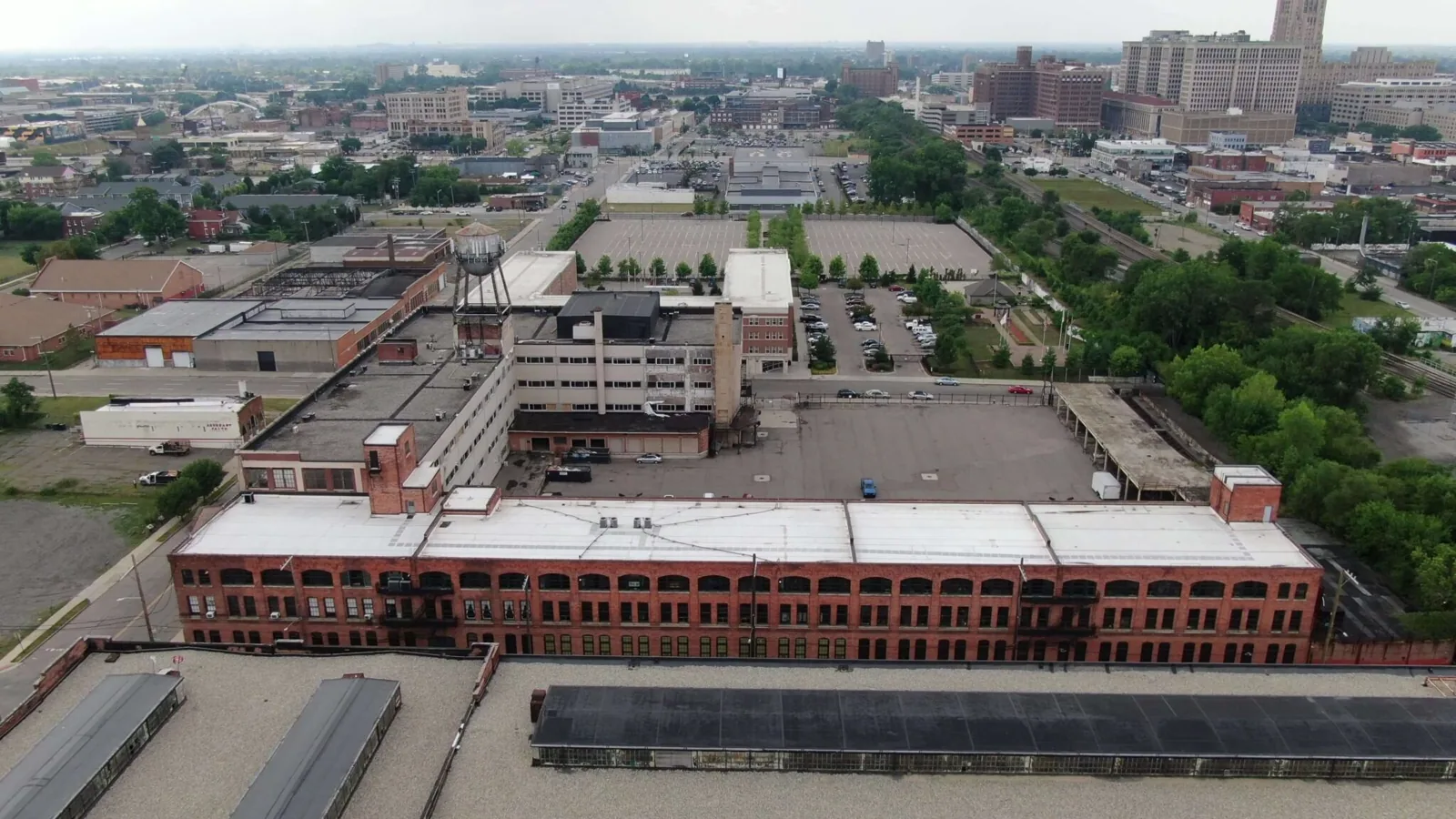
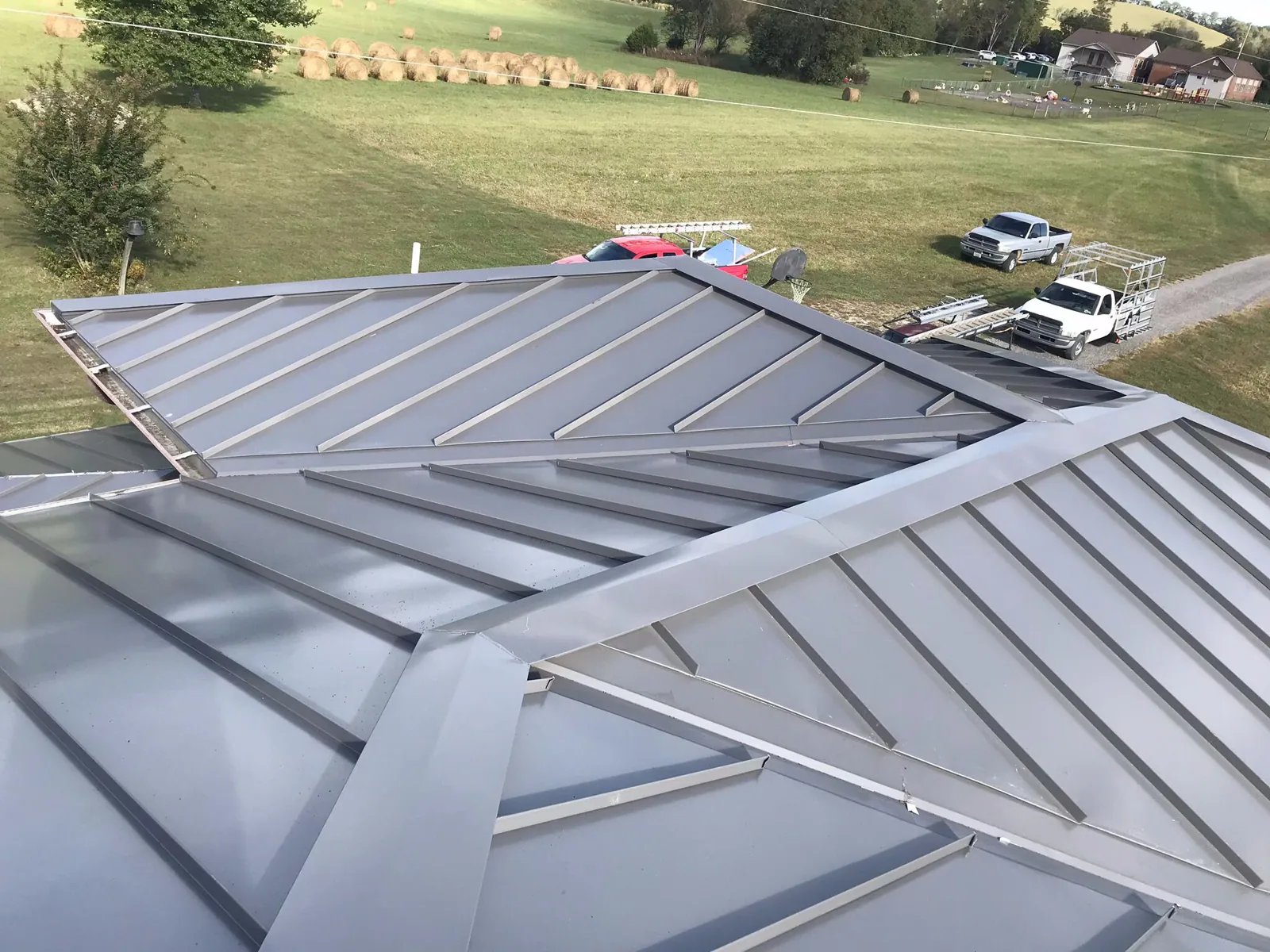
Which operations need protection first?
The facility contact identifies occupied rooms, patient or customer entrances, loading routes, air intakes, outdoor gathering areas and equipment that cannot be interrupted. We verify where lifts can stage, how materials move and whether roof access crosses controlled spaces. The plan states the notice required before noisy work, temporary closures or equipment shutdowns. The site representative marks the rooms and functions that must remain available, and the sequence assigns protection and notice by area.
Interior protection is coordinated with the roof area scheduled for removal. We identify the section boundary, covering method, debris route and person who can respond if water enters or an unexpected deck condition appears. If an open area cannot be made watertight before a weather change, the sequence adjusts. Aurora's precipitation cycle makes that decision part of daily planning. The facility director receives the shift's work area, expected handoff and contact for any change that affects occupied space.
How should roof sections be sequenced?
We divide the building into sections that can be removed, inspected, insulated, membrane-installed and secured within a manageable weather window. Section boundaries follow roof geometry, drains, equipment, access and the approved quantity, not only square footage. The sequence identifies where crews will transition each day and how existing membrane will be tied into completed work. If tear-off exposes wet insulation or damaged deck, the crew records the location and pauses for owner direction before the affected boundary expands.
Entries, loading zones and rooftop equipment may set the daily work order. Along the Eola Road corridor, traffic and access rules may influence delivery timing, while a campus can require coordination around class or service schedules. Those considerations come from the facility contact and are written into the site plan. A roof assembly scope can align insulation and taper work with section limits, and a drainage plan keeps outlets protected during each phase.
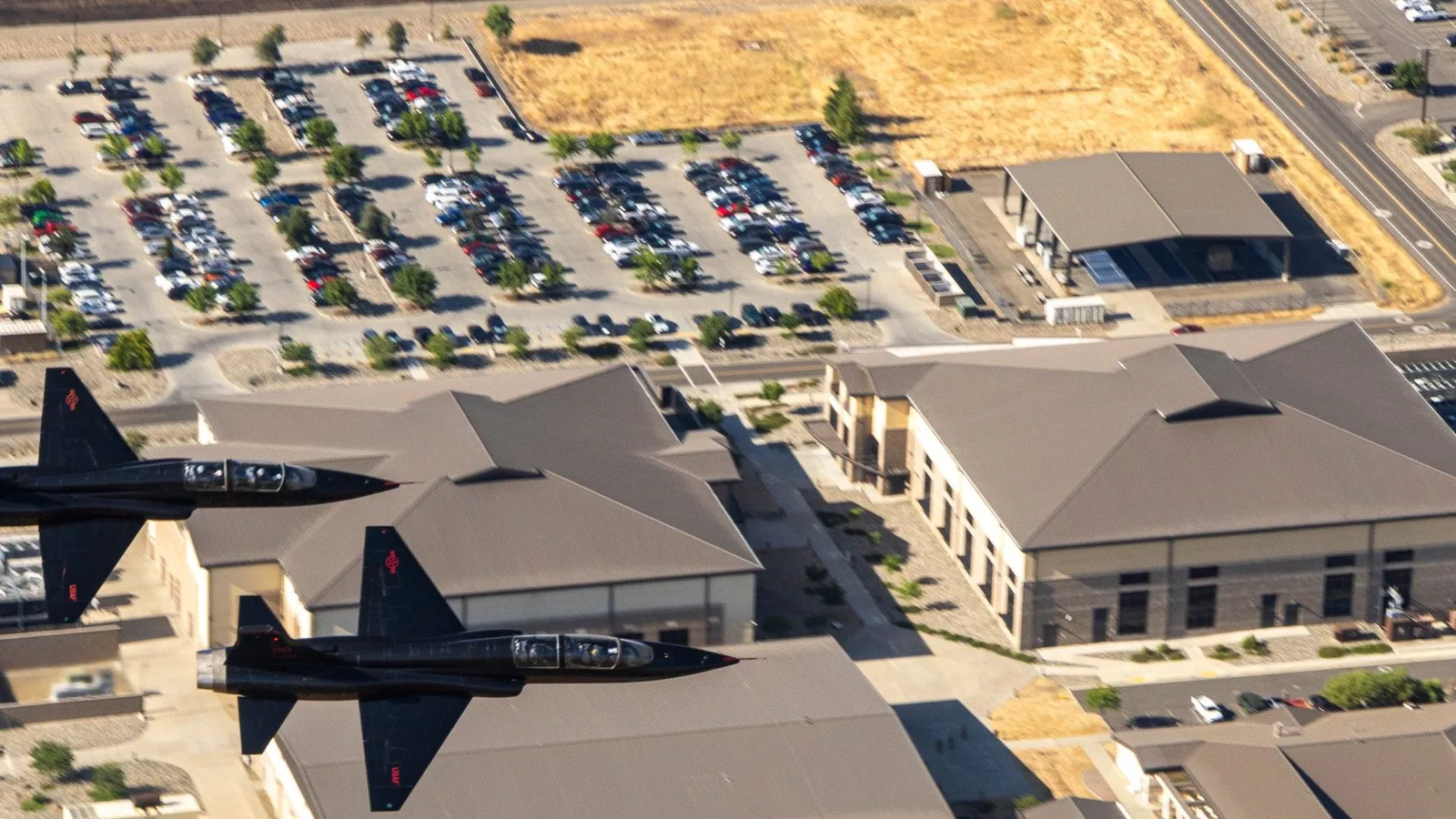
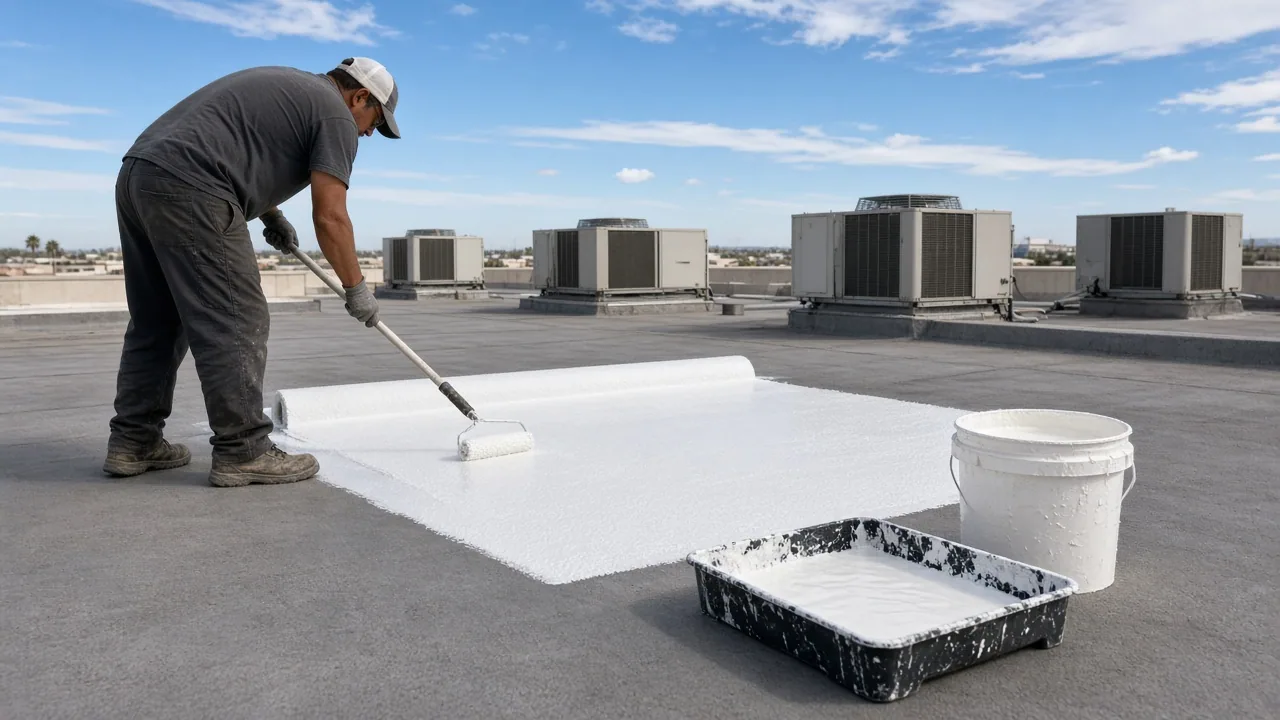
How do temporary protections work?
Each shift ends with a defined secure condition. We inspect tie-ins, cover materials, temporary membranes and drains, and note who confirms the area is closed. The protection method depends on the roof system, forecast, open area and building use. If the facility has air intakes or sensitive interior processes, the contact identifies controls needed during removal or adhesive work. These requirements are confirmed before mobilization and checked again when a phase changes.
Weather can interrupt work, so the schedule includes a response for rain, wind or material limits. Aurora averages about 121 days below freezing each year; cold periods affect product handling and installation requirements. We plan work windows around manufacturer instructions and current conditions, then secure each active section before leaving. If an emergency arises after hours, response is available around the clock, including weekends and holidays. The facility contact knows how to reach the designated person and what information to provide.
What changes the occupied-work budget?
Phasing can add mobilization, protection, lifts, interior coverings, traffic control, off-hour labor or temporary access measures. We show those items separately from membrane, insulation, edge and drain quantities. If only some building zones can close at a time, the sequence can extend the calendar and affect how materials are delivered. The estimate identifies the assumptions about operating hours and access so the owner can compare a standard sequence with a more restrictive plan.
Scope changes should follow documented conditions. If tear-off uncovers wet material or deck damage, we photograph and measure the area, identify its roof section and request approval before proceeding beyond the allowance. A capital plan can track alternate sections or deferred work without losing the tested quantity. We keep tenant coordination separate from the technical assembly recommendation, then connect both in the work schedule so the facility understands cost and operational effect together.
What should each daily handoff include?
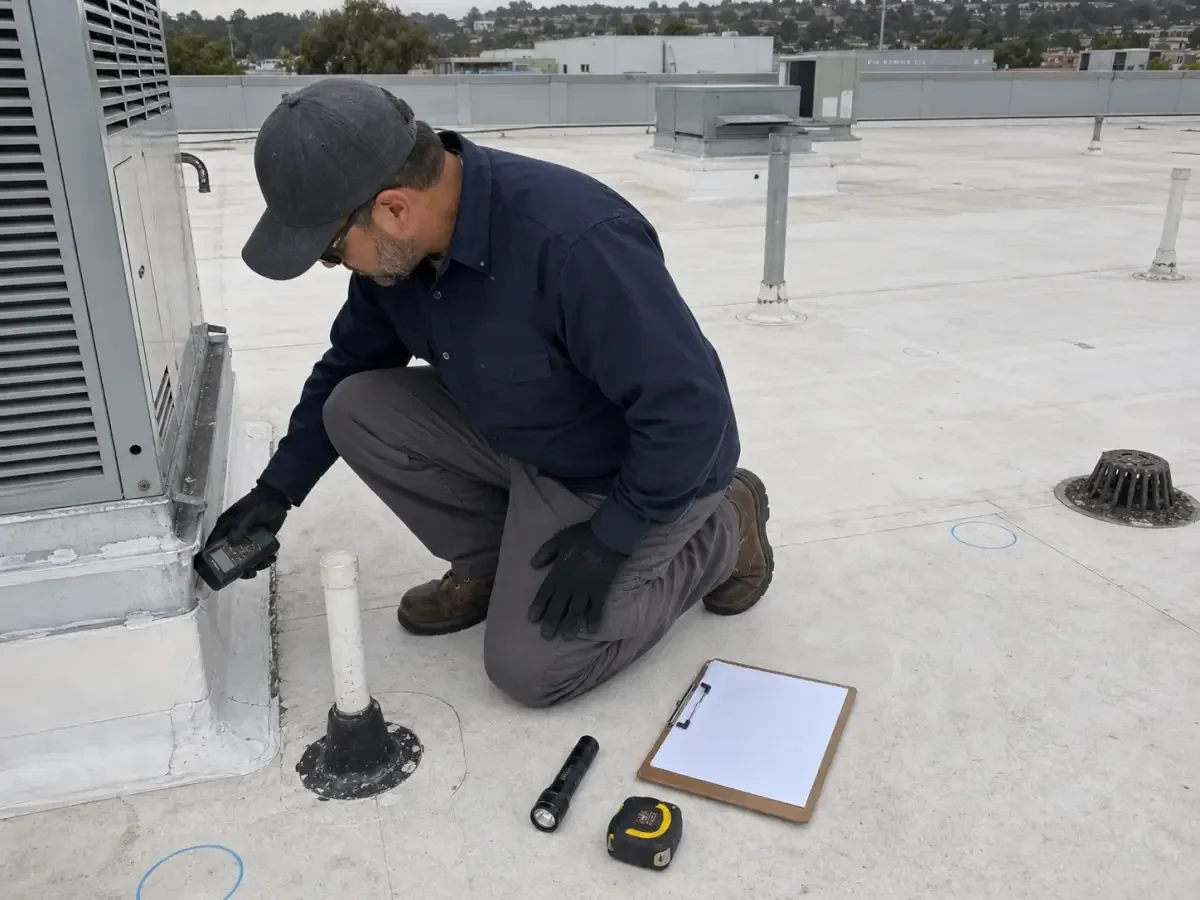
The handoff identifies the completed section, temporary protection, outstanding repairs, forecast concerns and next day's access. Photos show seams, terminations, drains and the conditions beneath removed material. The facility contact receives notice if entrances, equipment or interior protection will change. At project closeout, we provide the completed roof plan, materials, warranties and remaining maintenance items. A condition report ties those records to roof sections and sets a follow-up date.
Buildings that remain occupied need a record of both roofing work and operational constraints. We note which entrances stayed open, any agreed closures, special access periods and the person who accepted each handoff. For a portfolio spanning Downtown Aurora and industrial sites on the US 30 route, consistent daily reporting helps compare progress while preserving site-specific instructions. The closeout file gives the next facility manager a clear sequence history rather than an informal list of interruptions.
Can occupants stay in the building during reroofing?
Often they can, provided the work zone, access, noise, debris and interior protection are planned for that facility. The site contact identifies sensitive areas and operating limits, and the sequence isolates manageable roof sections. Some work may require temporary closures or equipment coordination, which we identify before it is scheduled.
How will staff know which entrances are affected?
The phasing plan identifies lift areas, material routes, work zones and any entrance closure before mobilization. Daily updates confirm whether the plan changed and when access returns. We coordinate the notice with the facility's designated contact so staff can share accurate information with tenants, patients, students or visitors.
What happens if it rains after a section is opened?
The crew follows the documented dry-in plan for the active section and protects drains and tie-ins at shift boundaries. If forecast or roof conditions change, the sequence may pause before more membrane is removed. We record the protected area, contact the facility representative and identify any remaining condition that needs inspection.
Can work be scheduled outside normal hours?
Off-hour work can be considered when access, noise, safety, delivery and product requirements allow it. The estimate identifies any added staffing or lift cost, and the facility contact confirms security and building coverage. Material installation limits and weather still govern which tasks can move to a night or weekend window.
How do you handle hidden deck damage during phased work?
We photograph the exposed condition, identify its section and measure the affected quantity before requesting owner direction. The work boundary remains protected while the facility reviews the proposed change. The daily record connects the finding to the original allowance and shows whether it changed the next phase or its schedule.
Request a Roof Assessment
Share the Aurora address, facility contact, roof plan, operating hours and sensitive access requirements. We will map sections, protection points and daily handoffs before setting the reroof schedule.
Call 555-555-5555 or send the form and we will set a time to walk the roof.