Commercial Roof Drains and Scuppers in Aurora, IL
Commercial Roofing Services
Map the drainage path before approving correction
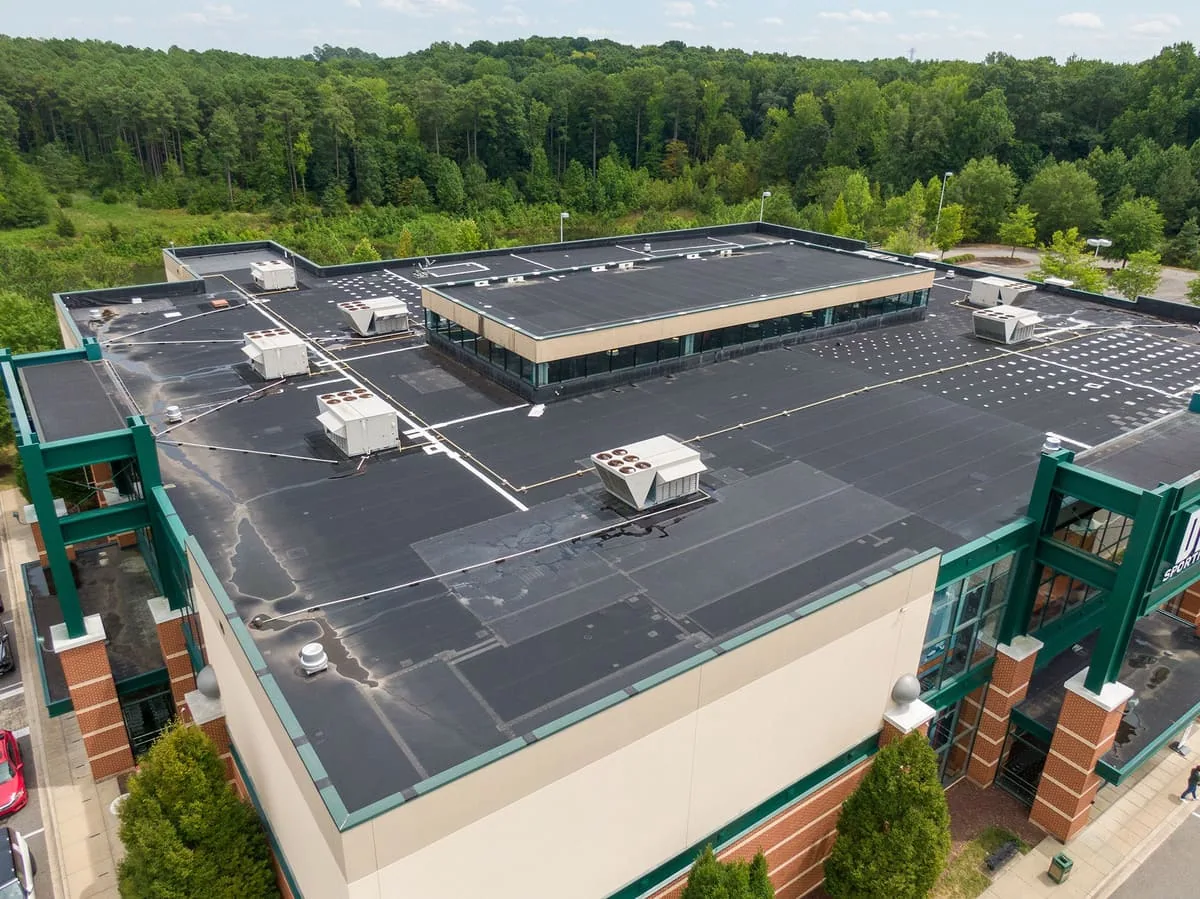
A drain that clears at the bowl but leaves water in the same low area points to a broader drainage question. We trace the flow path, inspect nearby membrane and note whether the outlet, slope or roof geometry is limiting discharge. Aurora receives about 37.7 inches of precipitation each year, with higher monthly totals from May through September. That seasonal volume makes persistent ponding worth documenting by roof section. A roof inspection identifies the outlet condition and whether correction should stay within maintenance or enter a capital scope.
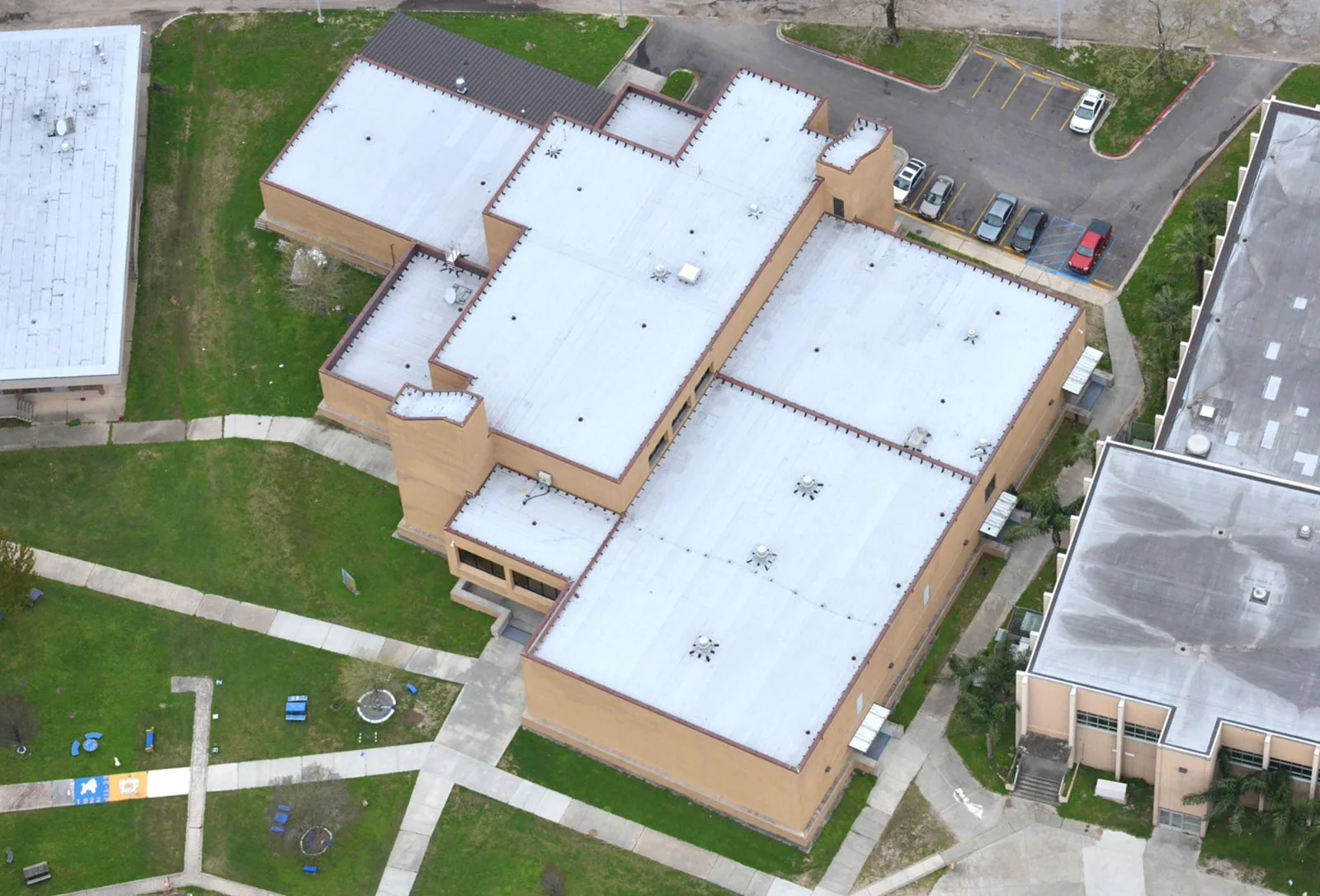
Facilities near Fox Valley Mall and the airport industrial area sit in different operating contexts, but both need roof-specific drainage records. We note drain and scupper locations, flow direction, obstructions and water remaining after weather has passed. The map does not assume the roof was designed with a particular slope or outlet capacity. It records what we see and what needs measurement. The facility director can then compare a cleaning visit, local correction or engineered drainage change against the same condition record.
Where does water stop moving?
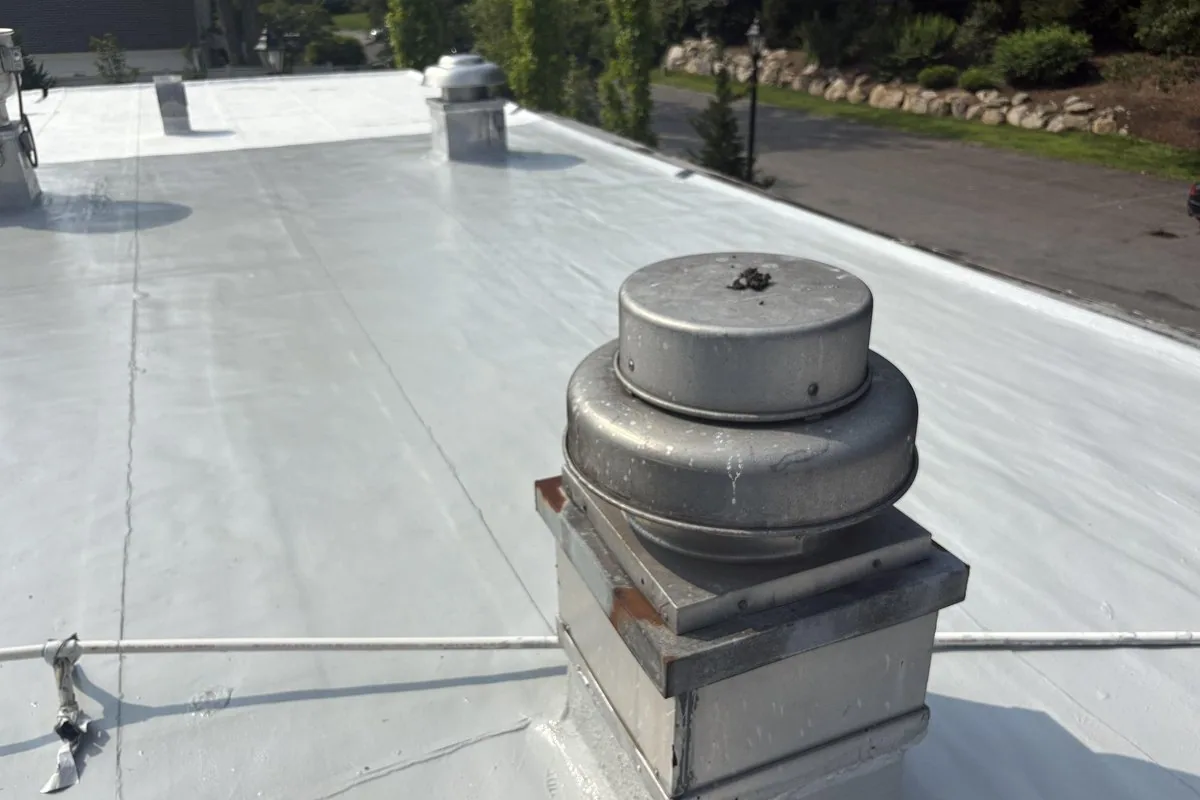
We inspect drain bowls, strainers, sumps, scuppers and downspout transitions for debris, corrosion, loose attachment or blockage. At each outlet, we look for membrane separation, cracked sealant, damaged clamping rings and staining that suggests recurring water. A clear bowl does not confirm that the surrounding roof falls toward it. We photograph the detail and identify the section, then note whether a controlled water test or additional measurement is appropriate. Drain access and safe conditions govern what can be checked during the visit.
Crickets and saddles direct flow around curbs, equipment and raised obstructions. A damaged or poorly positioned cricket can divide drainage and create water pockets behind the obstacle. We inspect the roof plane on both sides, trace where runoff can exit and check the adjacent flashing. If a drain is below the surrounding surface or a section has settled, we map the boundary instead of calling the entire roof ponded. That location-level record guides any tapered insulation, drain reset or local membrane correction.
Is cleaning enough to restore the path?
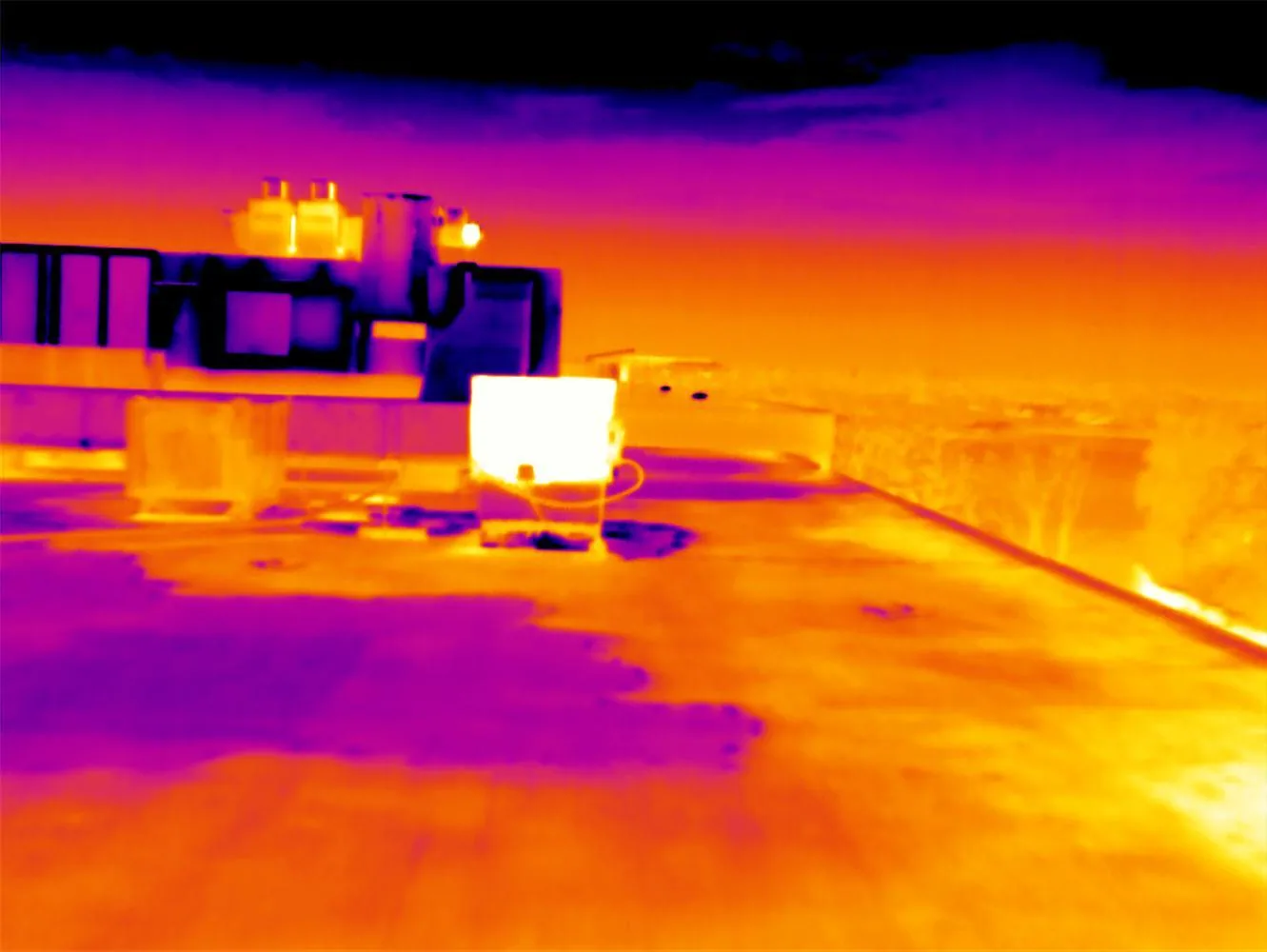
Debris removal is appropriate when the outlet is obstructed and the roof drains as intended after the obstruction is cleared. If water remains because of slope, outlet height or settlement, another cleaning will not change the underlying geometry. We measure the affected area, verify outlet elevations where needed and record the time allowed for drainage before classifying persistent ponding. Photographs from repeat visits can show whether the same section continues to hold water. A ponding-water review distinguishes surface maintenance from a correction that changes the roof assembly.
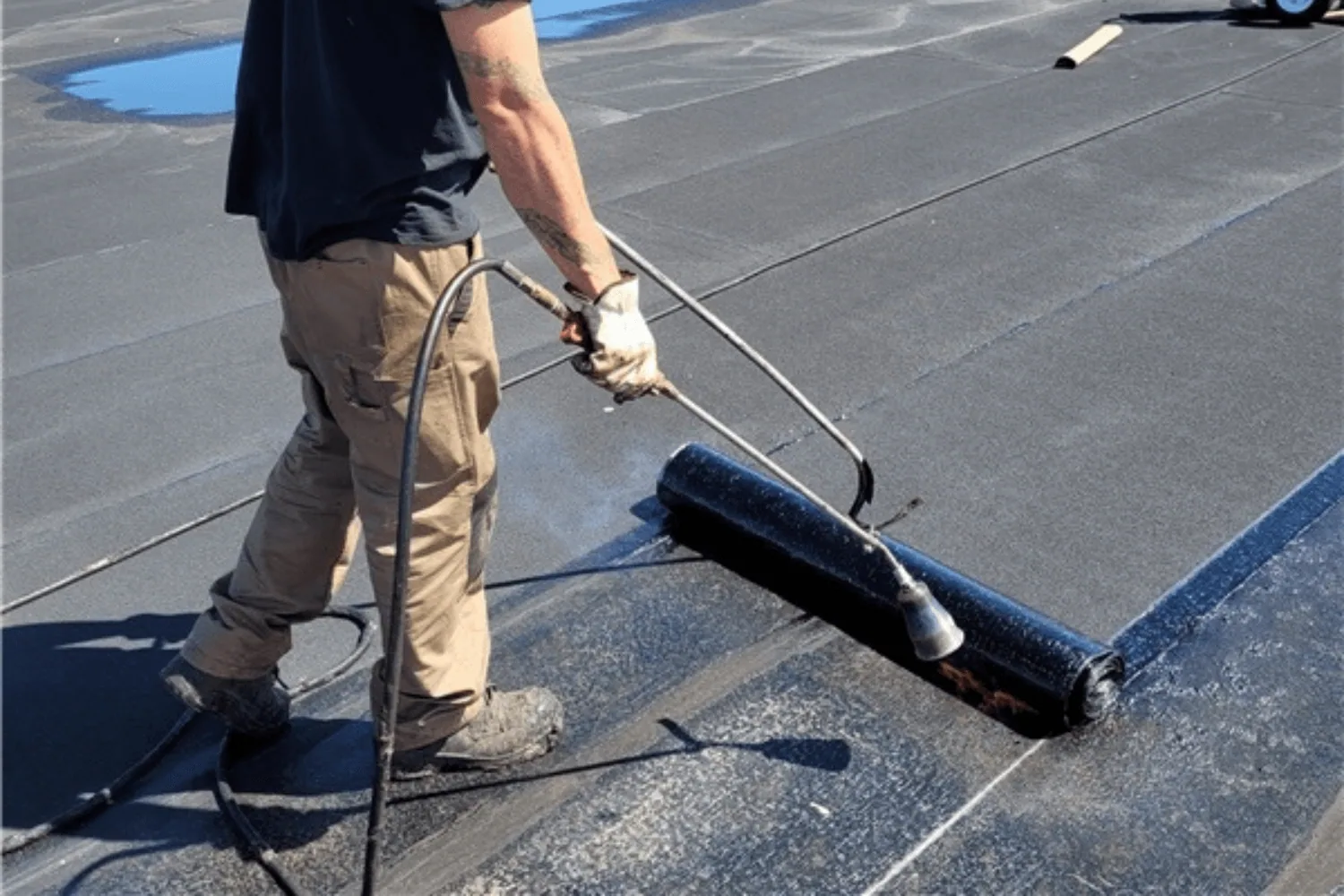
Correction options depend on the existing layers, membrane, drain connection and available elevation. Localized tapered insulation may redirect flow, while a drain reset or added outlet may require design review and tie-in work. We identify how each option affects parapets, equipment curbs and edge conditions before assigning a quantity. Where concealed moisture is suspected, testing comes before new materials cover the area. The owner receives separate line items for cleaning, testing, membrane repair and drainage work, so the approved scope tracks the actual condition.
What makes a drainage correction larger?
Quantity follows the ponding boundary, drain count, access, tie-in detail, membrane compatibility and whether insulation or deck must be removed. A correction that reaches a curb or parapet may need revised flashing or termination height. If the drain body is sound but its elevation is wrong, that scope differs from replacing a failed bowl or damaged leader. We label assumptions such as hidden deck condition and state how they will be measured if exposed. A tapered insulation scope can be priced alongside a localized repair when the survey confirms a feasible flow path.
Installation timing should allow substrate preparation and water protection at each shift boundary. Aurora's freeze-thaw exposure can stress wet details as temperatures move below freezing, so a drainage change must leave outlets and terminations sealed. Spring and summer precipitation can narrow the dry work window. We sequence preparation, insulation placement, membrane tie-ins and final outlet checks, then verify that water can move along the intended path. If operations occupy the building below, we coordinate drain work and any interior access with the facility representative.
How do we verify completed drainage work?
Closeout should show the original condition, approved correction, materials, roof section and final outlet detail. We photograph drain rings, scupper transitions, cricket edges and membrane tie-ins, then note any limitation that remains. A visual review confirms the details; a controlled flow check may be used when suitable and approved. It does not replace design calculations where additional capacity or major regrading is proposed. We update the roof plan and report so future maintenance staff know where to inspect and what path was corrected.
For an owner with buildings along the Route 59 corridor or at the Sugar Grove airport industrial district, consistent records make drainage issues comparable across sites without assuming identical roof geometry. Each location retains its own plan, drain labels and test results. A roof condition report carries the approved quantity and unresolved observations into the next portfolio review. If ponding recurs, the next inspection can compare its boundary with the closeout images rather than start from an unlabeled roof photograph.
Who needs to be involved before work?
Drain changes can affect interior plumbing, overflow provisions, roof access and building operations. We confirm whether the facility has plans showing leaders, overflow drains and discharge points, and note where a design professional should review a change. The property contact identifies sensitive rooms below the work area, required notifications and any roof-entry rules. A simple strainer replacement may need only maintenance coordination; adding outlets or changing drainage geometry can call for a broader review. We record that distinction before ordering materials.
A drainage redesign can alter the permitted roof work, so the reviewer applies Aurora's code cycle that began January 1, 2026 to the documented project. Drainage changes should be assessed with the roof assembly and applicable code path, particularly when insulation or outlet configuration changes. We surface the review item early and keep it separate from confirmed repair quantities. The facility director can then align the decision with the owner, engineer and project schedule. Work proceeds against an approved detail rather than a field assumption about where water should go.
How long should ponding remain before we investigate it?
The roof plan and drainage design set the expected path and timing. We inspect after precipitation has passed and record the area that remains wet, the outlet condition and any nearby low point. Recurring ponding or water against seams deserves a mapped review. The finding alone does not establish whether cleaning, regrading or a drain change is needed.
Can you add a drain where the roof holds water?
An additional outlet may be an option, but the connection, overflow path, structure and applicable code need review first. We document the low area and existing drainage, then coordinate design questions before setting a construction quantity. The approved plan should identify discharge routing and the work needed to tie the new outlet into the roof system.
Will a cricket solve water behind rooftop equipment?
A cricket can redirect flow when its height, slope and outlet path fit the roof geometry. We inspect the membrane and equipment curb, map where water collects and determine whether the cricket is damaged or insufficient. If insulation beneath the area is wet, that material may require removal before a new tapered section is installed.
Should we clear roof drains ourselves?
Only staff trained and authorized for roof access should perform that work, using the facility's safety procedures. A blocked strainer can be a maintenance issue, while access near edges, wet surfaces or equipment introduces fall and electrical hazards. We can document the outlet and include authorized cleaning in the scope if the site requests it.
What information helps estimate drainage work?
Roof plans, drain and overflow locations, leak logs, prior repairs and photographs after rain help define the review. The facility address and contact let us confirm access and interior constraints. We still verify elevations and roof conditions in the field; plans guide the inspection but do not prove that an outlet or flow path remains unchanged.
Request a Roof Assessment
Send the Aurora address, facility contact, roof plan and recent ponding observations. We will inspect outlets and low areas, document the affected roof sections and price confirmed correction quantities with open design items identified.
Call 555-555-5555 or send the form and we will set a time to walk the roof.