Infrared Roof Moisture Survey in Aurora, IL
Commercial Roofing Services
Turn thermal indications into tested quantities
A warm patch on an infrared image is a location to investigate, not a measured quantity of wet insulation. We scan the roof under suitable conditions, map thermal patterns and compare them with membrane type, drainage, equipment and recent weather. Suspect zones can then be checked with approved core cuts or other direct testing. Aurora's repeated freeze-thaw exposure makes moisture at seams and penetrations important to track, but each indication must be confirmed before removal is included in a replacement scope.
For a facility near Aurora Municipal Airport's industrial area or the Fox Valley Mall district, site access and roof geometry may influence survey setup. The image does not tell us what insulation lies beneath the surface; roof records and field samples do. We identify the roof sections scanned, conditions at the time and any obstructed or unsuitable areas. The owner receives a map that distinguishes thermal indication, tested area and confirmed moisture so the next repair or capital decision has a clear evidentiary basis.
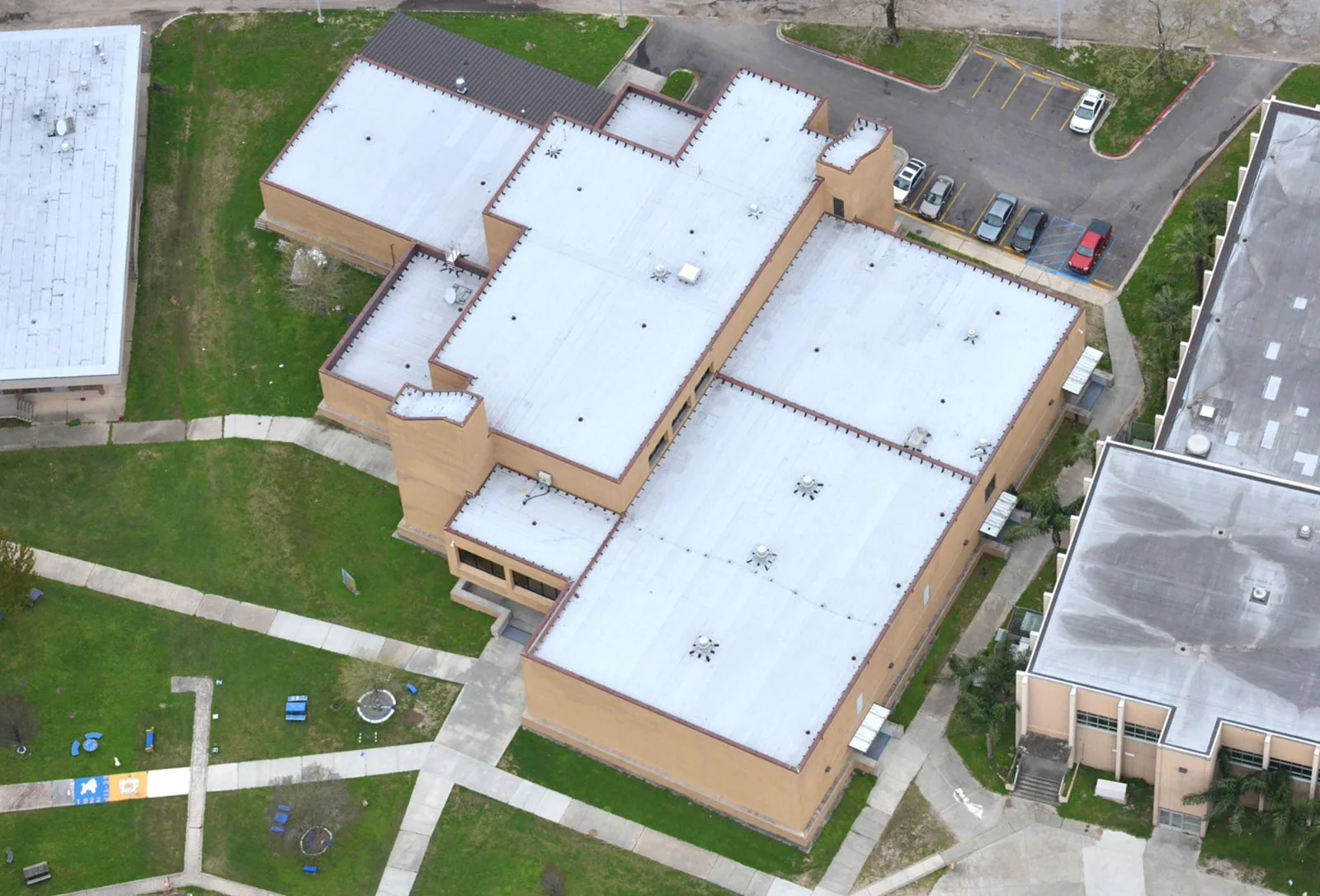
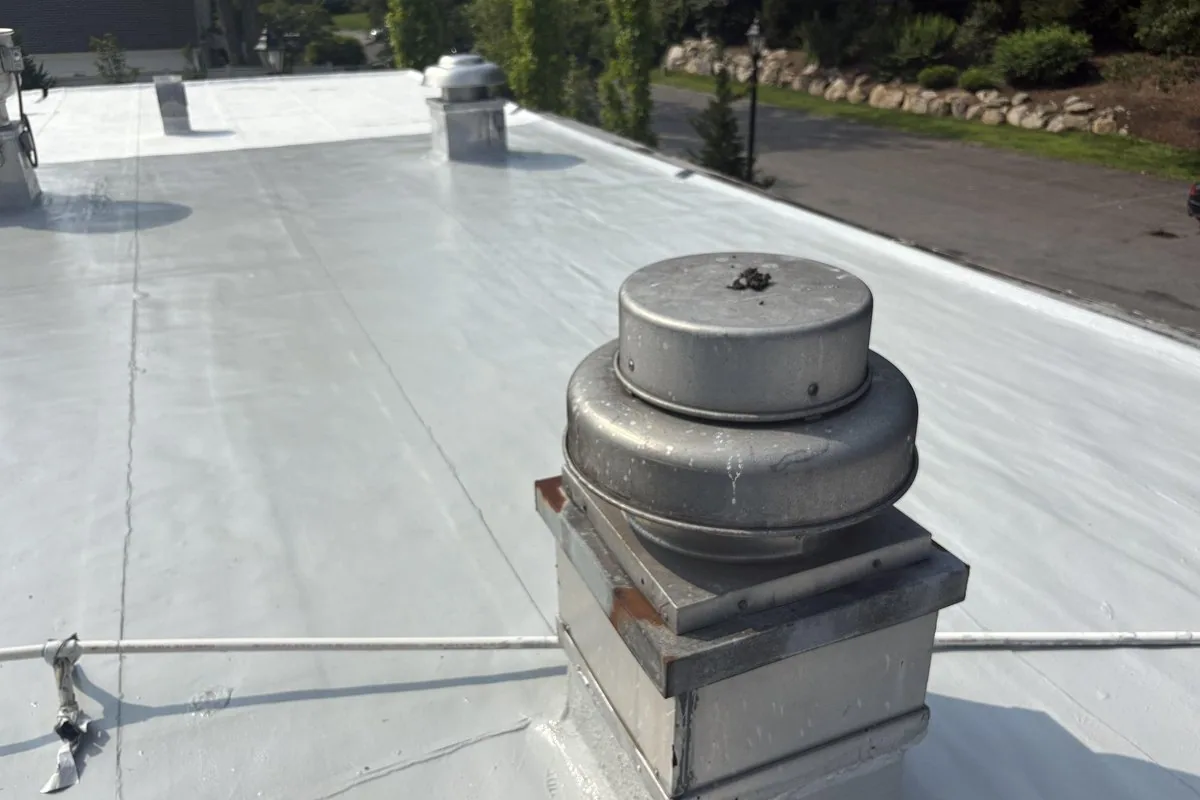
How is a survey interpreted?
Infrared equipment records surface temperature patterns that can correspond with differences in heat retention. Moisture is one possible cause, but shading, equipment, ballast, repairs, insulation transitions and recent heating or cooling can also affect readings. We review the image in the context of the assembly and weather, then select test points that answer a specific question. Core cuts, when authorized, reveal the actual layers and moisture at that location. We label the two types of evidence separately rather than converting a color boundary directly into a removal quantity.
Aurora's annual precipitation is about 37.7 inches, with higher monthly normals from May through September. A survey plan accounts for recent rain and drying time because surface and assembly conditions influence the thermal pattern. We document timing, roof surface, scan boundaries and restrictions, then note locations where readings could not be interpreted reliably. A hands-on inspection adds detail checks at drains, seams and penetrations. If the question concerns an active leak, leak tracing follows the water path separately.
Where should testing be placed?
Test locations are selected to cover distinct patterns, roof construction changes and reported leak areas. We mark a representative point within a suspect zone and may include a comparison area with a different thermal response. That pairing helps distinguish a local anomaly from a broader roof condition. The owner approves core locations and access before we cut the membrane. Each opening is closed with a compatible repair, and its photo, layer description and moisture observation are connected to the map.
Large properties need a sampling plan that respects variation across roof sections. Changes in insulation, deck, age or prior repair history can create different thermal behavior, so a handful of tests may not support a single conclusion for the entire building. We describe the coverage and its limits in plain terms. For a property portfolio near Route 59 and Fox Valley, comparative records may help prioritize additional testing across facilities, but each roof's result stands on its own. A recover evaluation can use confirmed moisture quantities to decide whether existing layers can remain.
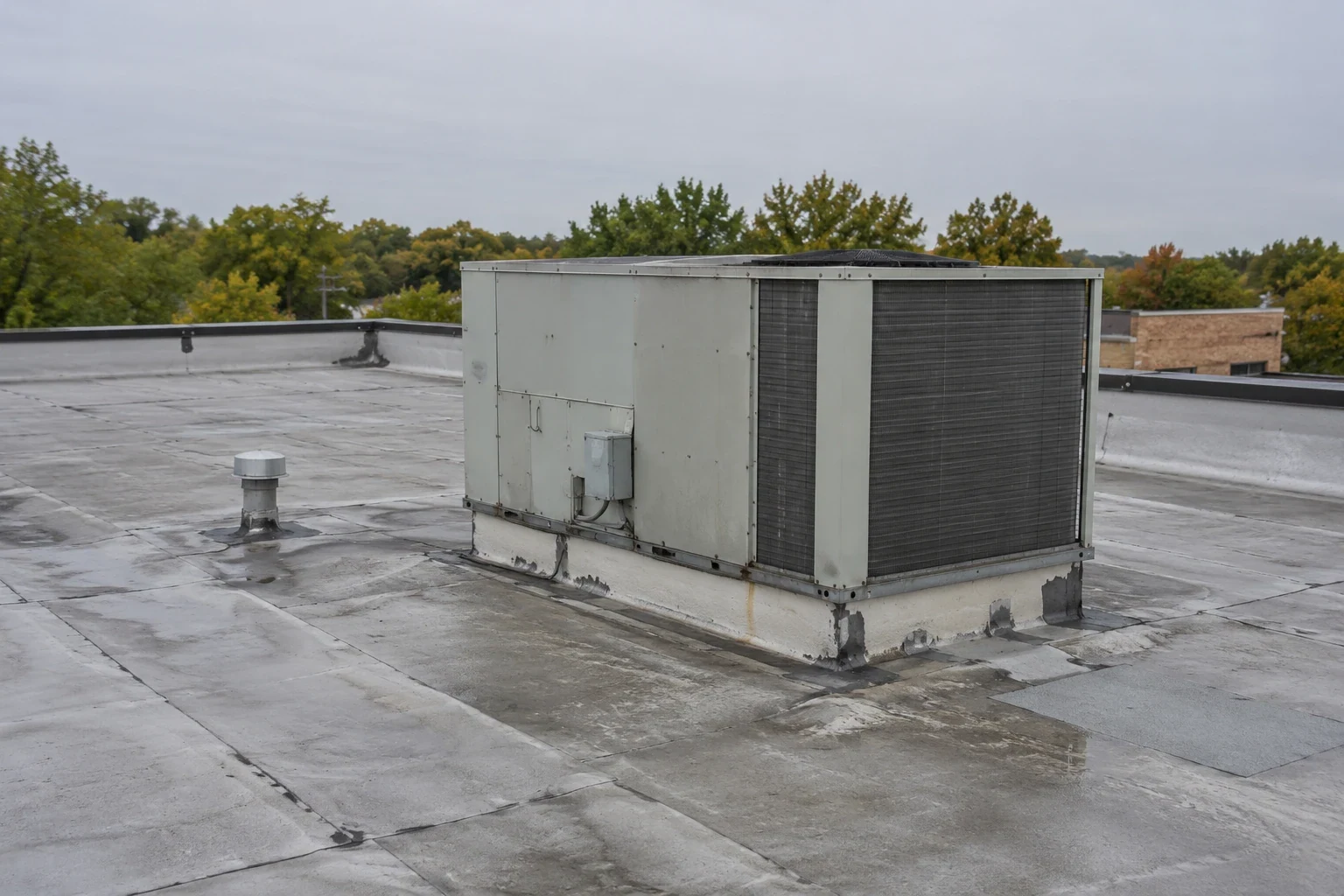
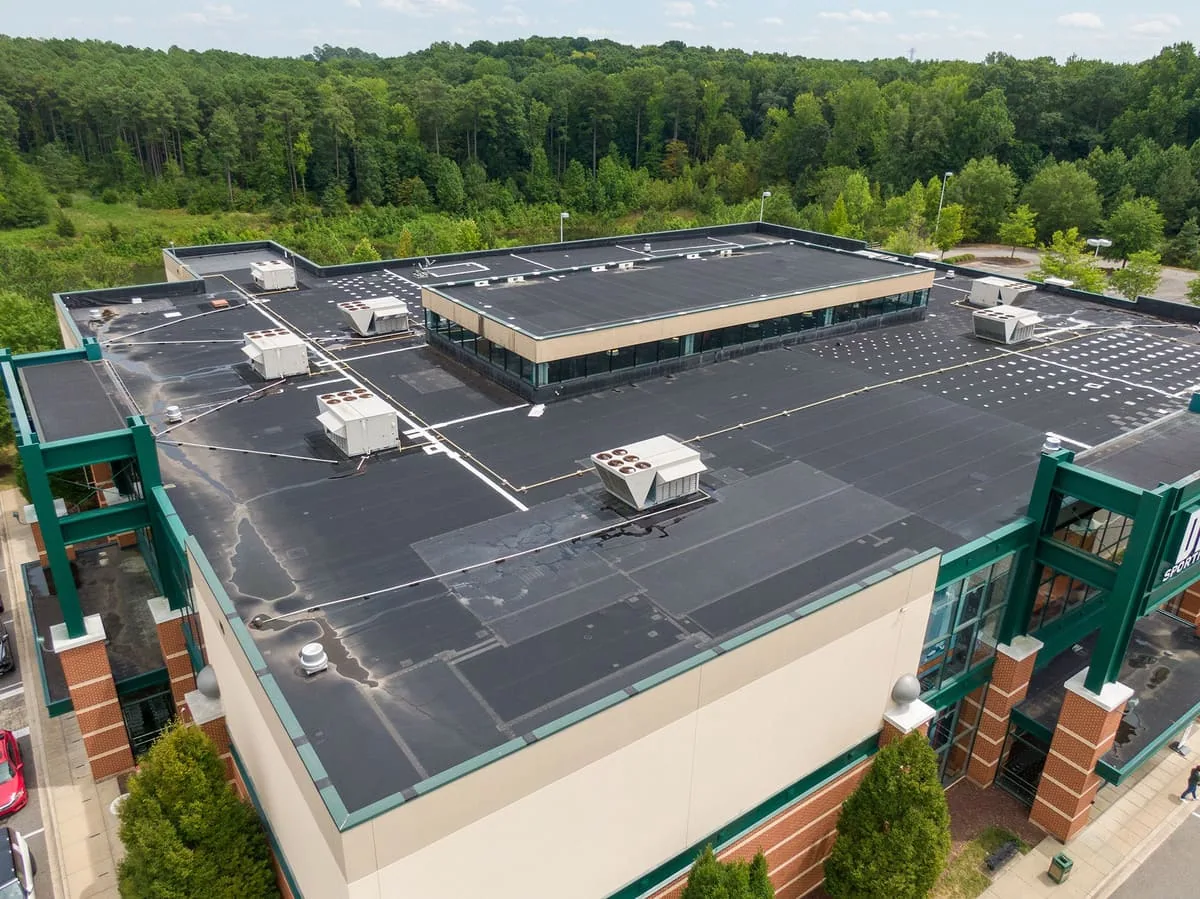
What decision can the survey support?
The map can guide localized insulation removal, repair boundaries, recover eligibility or replacement quantity after suspect areas are confirmed. We report the measured test results separately from the larger infrared indication. If the samples show dry layers in parts of a zone, those areas are not automatically added to a wet-material allowance. Where tests show moisture, we map the confirmed boundary as far as the agreed sampling supports and identify whether more cores are needed. The owner can approve additional testing before authorizing broad removal.
A survey informs design review; Aurora's code cycle effective January 1, 2026 and applicable Illinois energy provisions are considered when the findings lead to assembly changes. When survey findings lead to insulation or assembly changes, the project team confirms applicable requirements. We can connect test locations to a replacement assessment or capital plan, with a clear allowance for verified quantity and unresolved areas. That record supports comparison without treating thermal images as a substitute for design or code review.
What should the survey deliver?
The report should include scan date and conditions, roof plan, image references, suspect zones, test locations, core observations, repaired openings and limitations. We note which areas were not scanned or could not be interpreted. A facility director can trace each recommendation from the image to a field check rather than accept a total area with no supporting sample list. The approved quantity is based on confirmed findings and names any additional work that depends on owner authorization.
Freeze-thaw exposure and seasonal rainfall make the date part of the technical record. We preserve it with the roof section and next review window so a later survey can be compared with similar conditions. Properties near Rush Copley Medical Center or downtown employers may have active interior operations, making accurate work boundaries useful to both facilities and finance teams. A condition report can hold the map alongside repair history, and maintenance visits can revisit the tested areas after repairs.
Does infrared scanning prove the roof has wet insulation?
No. It identifies thermal patterns that may justify direct testing. We consider the roof construction, recent weather and visible conditions, then confirm selected points with core cuts when authorized. The report keeps indications and confirmed moisture in separate categories. Only tested and documented quantities support a removal recommendation.
Why do you need core cuts after scanning?
A core exposes the layers at a chosen point and lets us observe material condition directly. We use samples to test whether a thermal pattern corresponds to moisture and to understand assembly thickness. Each cut is approved and repaired after inspection. The map shows exactly which areas were sampled and where the conclusion remains limited.
Can the survey tell us whether to recover or replace?
It contributes moisture evidence to that decision, but it does not evaluate every factor alone. We also review attachment, membrane condition, deck, edge height, drainage and applicable code requirements. Confirmed wet areas may need removal before a recover, while broader assembly conditions can support replacement. The recommendation shows how test results affect each roof section.
What weather is suitable for infrared work?
The survey needs conditions that produce interpretable temperature differences, and recent rain or changing surface conditions can affect readings. We review the forecast and roof exposure before setting the scan window. If conditions undermine the result, we reschedule or explain the limitation. The report preserves the actual scan conditions for any later comparison.
How do you choose the number of test cuts?
The sampling plan follows roof sections, distinct thermal patterns, reported leaks and changes in assembly. We may recommend more samples when one result does not represent a varied area. The facility owner approves locations before any cuts are made. We explain what the selected sample set can support and what would require additional testing.
Request a Roof Assessment
Send the Aurora address, roof plans, leak history and facility contact. We will plan the scan, identify test locations, repair approved core openings and deliver a map of indications and confirmed moisture.
Call 555-555-5555 or send the form and we will set a time to walk the roof.