Commercial Roofing on Route 30 and Fifth Street, Montgomery, IL
Service Areas
Review the Montgomery roof from its own plan and service history
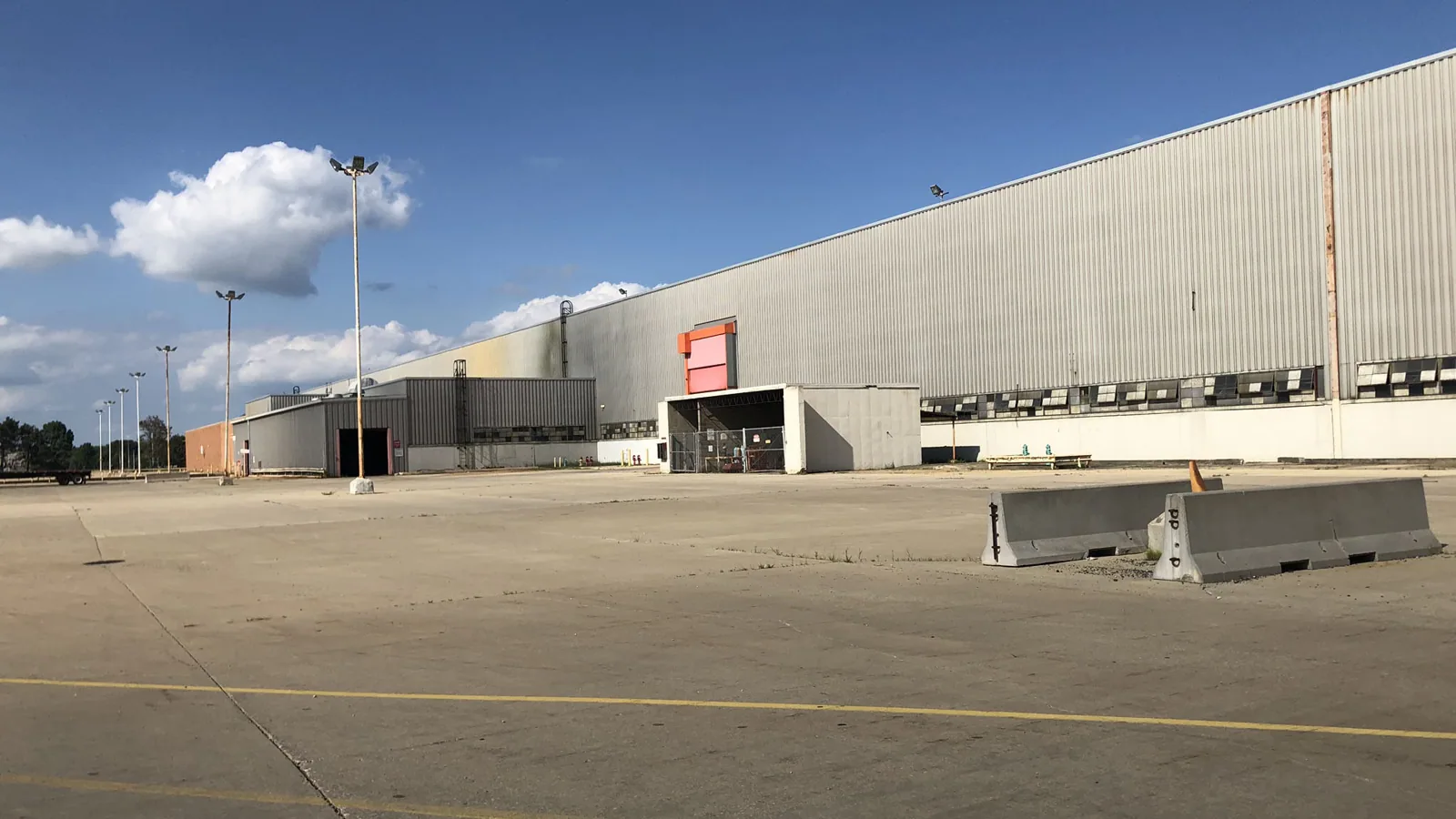
Roof planning in Montgomery's Route 30 and Fifth Street district starts with the property and its maintenance record, not the redevelopment label. The village identifies the intersection as a redevelopment district and lists Route 30 between Ogden Avenue and Fifth Avenue among commercial and industrial priorities. Ravago Americas opened a 500,000-square-foot polymer distribution facility in Montgomery in 2025. That project gives the local market an industrial reference point, but it does not describe the roof assembly at another address.
We inspect the building's own roof section, access points, drainage and transition details before setting repair quantities. For this corridor, the useful starting point is the property's own inspection history: dates, prior repairs, drainage notes and any areas still awaiting a test. We compare those records with the current roof condition before setting a repair or capital quantity. A marked inspection report keeps observed damage and suspected moisture separate for the owner.
What should a Montgomery roof assessment establish?
We review the roof plan, service tickets and available system information, then confirm the reported location in the field. The walk checks seams, flashings, drains, penetrations, perimeter conditions and prior patches. A roof inspection records what is visible and identifies surfaces that could not be reached. A land-use priority does not confirm a property's roof type, age or condition; those details need building records or field evidence. We also compare the elevation of drains and overflow points with the visible low areas. A backed-up outlet can leave water against a seam even when the membrane itself is intact. The report records both conditions, since clearing a drain and repairing a failed detail are separate work items with different maintenance ownership and approval paths.
If staining or a repeat leak suggests a concealed problem, an infrared moisture survey can help choose test points. A scan does not by itself establish a wet quantity. Each approved core represents the opened location and is mapped separately from untested areas. We compare the findings with existing repairs and note whether the water path may involve a drain, wall transition or penetration rather than the nearest visible seam.
What justifies moving from repair to replacement planning?
A limited seam or curb issue may be repairable when the surrounding membrane remains sound and moisture is not confirmed below it. Repeated failures, broad attachment concerns or wet insulation can support a larger review. We define the confirmed quantity and list any item dependent on removal as provisional. A repair scope tells the facility what is included, where the work stops and which condition needs further testing.
For a broader project, we review existing layers, deck condition, insulation, drainage elevations, roof height and perimeter tie-ins. A recover evaluation checks whether the current assembly can remain, while a replacement plan lays out tear-off and concealed-condition steps. The owner can compare the alternatives using the same site map. No estimated quantity should include an untested area without showing the assumption and approval needed.
How should roof work fit redevelopment and facility activity?
Route 30 and Fifth Street are redevelopment references, but they do not establish a contractor's entry point, truck route or loading window at a specific property. We confirm staging, delivery, roof access, tenant notice and equipment restrictions with the facility contact. If roof work is part of a larger property project, the schedule should identify which trade controls access and which protection remains in place while roof details are open.
For active leakage, we can arrange temporary protection without waiting for the full replacement decision. The dry-in work, permanent repair and later testing are listed as separate tasks. If removal reveals damaged insulation or a deck concern, the area is measured and photographed before additional work is proposed. The contact can then review the change against the original boundary before the crew proceeds beyond the approved scope.
How can the owner compare a new facility with older roof records?
Track each roof section by system, condition, repair history, access requirement and next review date. A newly opened distribution facility in Montgomery does not tell a manager how an existing neighboring roof was built. We keep records separate by address and do not transfer a known product or quantity from one building to another. A capital plan can still sort the portfolio by repair threshold, funding date and operational priority. When several sections are under review, we list the inspection date and test status beside each condition. That makes it possible to compare one urgent leak with a larger replacement candidate without presenting both as the same level of risk. The manager can also see which decision needs a new sample and which can move directly to a priced repair.
Assembly changes may need review under municipal building provisions and the Illinois energy standard. We identify insulation or drainage decisions for review from the selected scope and project drawings. A condition report retains photographs, test boundaries, open questions and measured quantities. The owner may also schedule a separate road-corridor property review or another industrial-site inspection, with each result attached to its own property record.
Which roof details should remain after the work is done?
Keep the roof drawing, system identification, inspection photos, testing notes, approvals, repair materials and completion date with the property file. The closeout should identify the exact section and quantity completed, any temporary work, and what remains for monitoring. If an issued warranty applies, retain its document and reporting instructions. A roof record should make it clear whether a location was repaired, tested, viewed only or left inaccessible.
Route 30's commercial and industrial priorities make a dated record useful as redevelopment moves forward, but a plan should still be specific to the building. When a new service ticket arrives, the facility team can compare its room location with the prior roof map and determine whether the same seam or drain is involved. This reduces reliance on an old note and helps the next inspection begin from a known boundary.
Does Montgomery's redevelopment designation tell us the roof age?
No. The designation describes planning priorities, not the installation date or condition of a particular roof. We review available building records and inspect the assembly before comparing repair, recover and replacement options.
How should a roofing contractor handle an active leak during a larger project?
We document the affected section, establish temporary protection when needed and keep that action separate from permanent work. If removal uncovers additional conditions, the area is photographed and measured, then presented for approval before added quantities are included.
Does Ravago's new distribution facility determine requirements at nearby buildings?
The facility is a local industrial development fact, not evidence about adjacent roofs. Each property needs its own system identification, access plan and scope. We do not carry product details or roof quantities from one address into another file.
What belongs in a Route 30 facility roof budget?
Include measured repairs, testing, access and staging assumptions, temporary protection and any replacement option. Keep provisional amounts visible until concealed conditions are confirmed. The building's roof map and project documents support the final work decision.
Request a Roof Assessment
Send the Route 30 property address, roof drawings, leak records and facility contact. We can inspect the roof, mark test limits and prepare a measured repair or replacement comparison.
Call 555-555-5555 or send the form and we will set a time to walk the roof.