Commercial Roofing at Pheasant Run Industrial Park, St. Charles, IL
Service Areas
Set a building-specific roof review at Pheasant Run
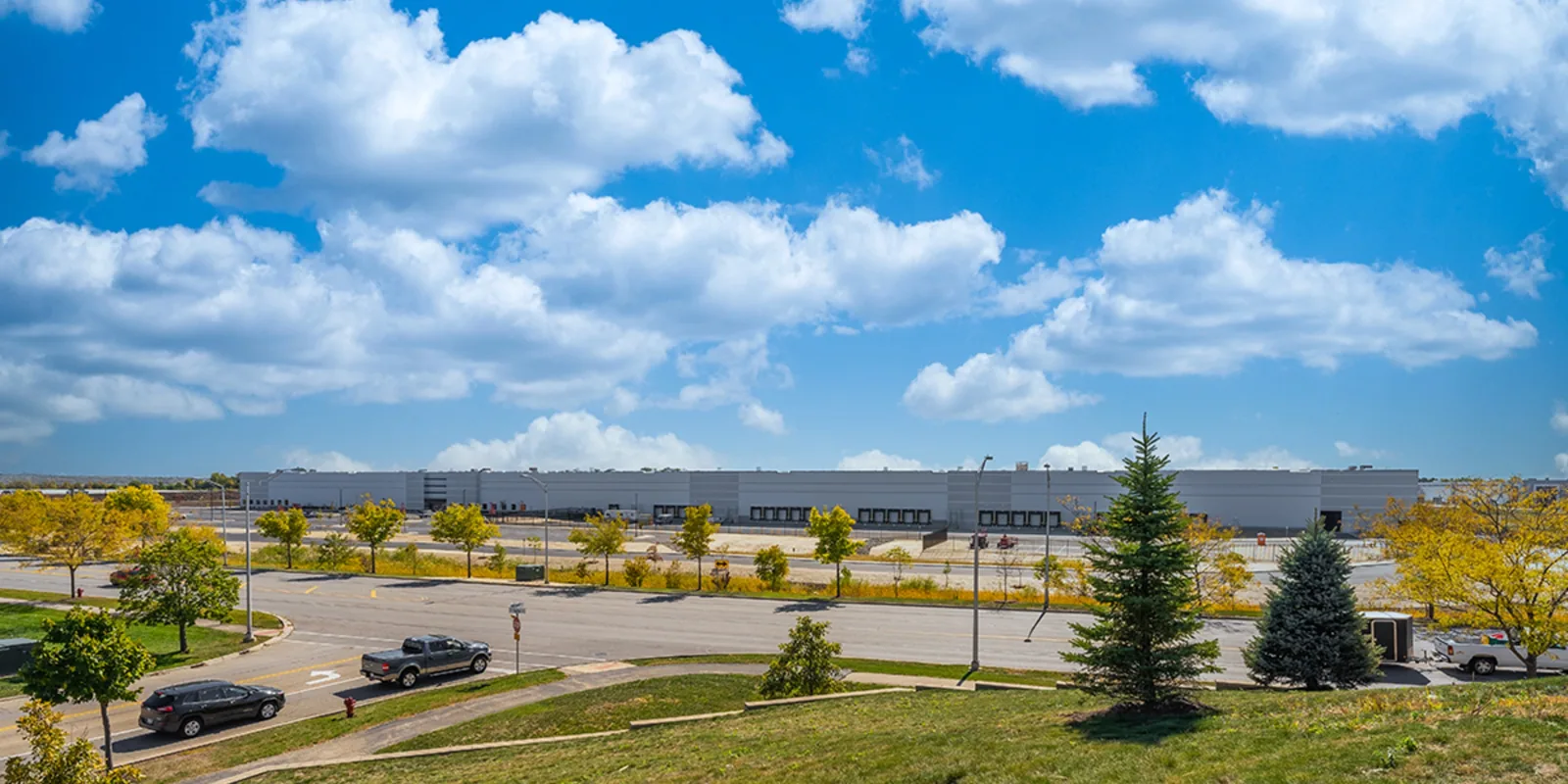
A roof decision at Pheasant Run starts with the specific building and its service history. St. Charles planning materials identify the park as an industrial and business-park redevelopment area near Main Street and Kautz Road. Its designation supports light assembly, storage, distribution and low-intensity fabrication, and the property lies near the St. Charles-West Chicago boundary and IL 64 corridor. Those land-use details help frame coordination, but do not establish the roof system or condition at any address.
We inspect the assembly, drainage, seams and perimeter details, then mark each finding by section. Aurora averages about 121 days below freezing each year, and monthly precipitation is near four inches from May through September. We inspect the Pheasant Run roof itself for drainage, seam and flashing conditions before sizing work. A measured report distinguishes visible wear, tested moisture and surfaces that remain untested, giving the facility a basis for repair or replacement planning.
What should be checked before a Pheasant Run repair is scoped?
We match the reported room or work order to the roof plan, review prior repairs and confirm approved access. The walk checks membrane identification, seams, penetrations, curbs, drains, edge metal and visible patches. A roof inspection records what can be seen and notes any section blocked by equipment or operating restrictions. The park's allowed uses do not tell us whether a building has a particular membrane, insulation layer or previous overlay.
If concealed moisture could change the proposed quantity, an infrared survey can guide approved sample locations. A thermal reading is not proof that the full roof area is wet. Each core confirms the material at its own opening. We mark the tests and the areas left untested, then compare those findings with invoices and project drawings before extending a repair boundary past the visible defect.
When does a repair plan need a section-level alternative?
A contained seam or flashing opening can fit a repair when surrounding material remains stable and dry. Recurring leaks, seam separation in several locations or moisture confirmed beneath the membrane may call for a broader condition assessment. We follow the reported symptom, examine adjacent field and edge details, and record which areas show verified damage. A repair scope lists the included details and which work remains conditional on further testing.
For a recover or replacement comparison, we check the existing layers, attachment, deck, insulation, roof height, drainage and perimeter transition. A recover assessment evaluates whether another layer can be installed over the current assembly. A replacement review outlines tear-off limits and how concealed material will be measured. The owner can compare options from the same marked plan, with provisional quantities kept separate from what inspection supports.

What work planning matters for assembly and storage uses?
The property contact confirms delivery route, staging space, loading hours, roof entrance and any process that must remain in service. The planning description includes light assembly, storage and distribution, but the exact work rules come from the facility. We document which entry or route needs to stay clear, what area below requires protection and who can approve roof access. The crew schedule reflects those instructions rather than assuming a uniform park-wide operating pattern.
When water is entering an occupied area, temporary protection can be put in place while a permanent repair is measured. We record the first measure separately and identify any open detail that requires follow-up. If work opens the assembly and finds additional damage, the area is photographed and measured before added quantities are offered for approval. A schedule change can be coordinated without treating logistics as evidence of a larger roof failure.
How should a manager budget roof work in a redevelopment area?
Separate active leak response, maintenance, confirmed repair and replacement candidates by building. Each line should include the roof section, test result, access needs, measured quantity and next review date. A capital plan can place those needs against a funding period while preserving a clear difference between approved repairs and allowances for concealed conditions.
If an assembly change affects insulation or drainage, St. Charles and state project requirements may need review based on the selected scope. We note that design question beside the roof findings rather than treating it as proof of damage. A condition report retains photos, test points and open items. For properties in West Chicago industrial parks or Yorkville Business Center, keep the access plan and inspection findings attached to that building's address.
Which closeout details will help the next visit?
Keep the roof map, product identification, service record, testing notes, approvals, repair material, approved quantity and completion photographs together. Identify which areas were inspected, opened, repaired or left untested. If an issued warranty applies, preserve its exact terms and issuer contact. Record later work by other trades when it changes a penetration, support or drain detail.
Main Street, Kautz Road, IL 64 and the St. Charles-West Chicago boundary are useful location markers for Pheasant Run. The technical file still needs a building address and section reference. On a later inspection, we compare the same seam or drain with its last images, note any movement or water retention and identify whether the prior repair needs attention. That provides a specific basis for the next capital decision.
Before work is scheduled, confirm access windows, equipment routes, staging limits and any operating areas that must stay available. Light assembly, storage, distribution and low-intensity fabrication describe permitted or planned uses in the redevelopment area, not the activity in every building. The facility contact can identify loading periods, sensitive inventory and interior processes that affect protection or sequencing. We then define where tear-off, material handling and debris removal can occur, whether temporary weather protection is needed, and how the crew will keep work separated from occupied space. These decisions belong in the scope because they influence duration and coordination even when the repair area is modest. A written sequence also makes clear when the owner should expect progress updates and what conditions could require a pause for additional inspection.
Does Pheasant Run's redevelopment status identify its roof system?
No. The designation describes land use, not membrane, attachment or roof age. We review building records and field details to confirm the assembly and keep unknown areas separate before selecting a repair option.
Can roof work proceed while a building is used for storage or assembly?
We confirm current operations, loading routes, access, staging and protection needs with the property contact. The sequence identifies the areas that must remain clear. Any change in scope after opening the roof is measured and presented before added work is authorized.
How do you decide where to test suspected moisture?
We review visible roof conditions and any scan pattern to choose sample locations with approval. Each core confirms only the point opened. We map tested and untested surfaces separately, then use the results to support a measured repair boundary.
What should be included in the park's roof closeout?
Include the marked plan, photos, repair material, approved quantity, date, test results and access limits. Show any temporary protection and any condition left for follow-up. The next reviewer can then compare the same roof section with its prior state.
Request a Roof Assessment
Share the St. Charles property address, roof drawings, service history and operating contact. We can inspect the affected sections, document test limits and prepare a repair or replacement scope.
Call 555-555-5555 or send the form and we will set a time to walk the roof.