Commercial Roofing in the Sugar Grove Airport Industrial District, IL
Service Areas
Inspect the Sugar Grove facility before setting a quantity
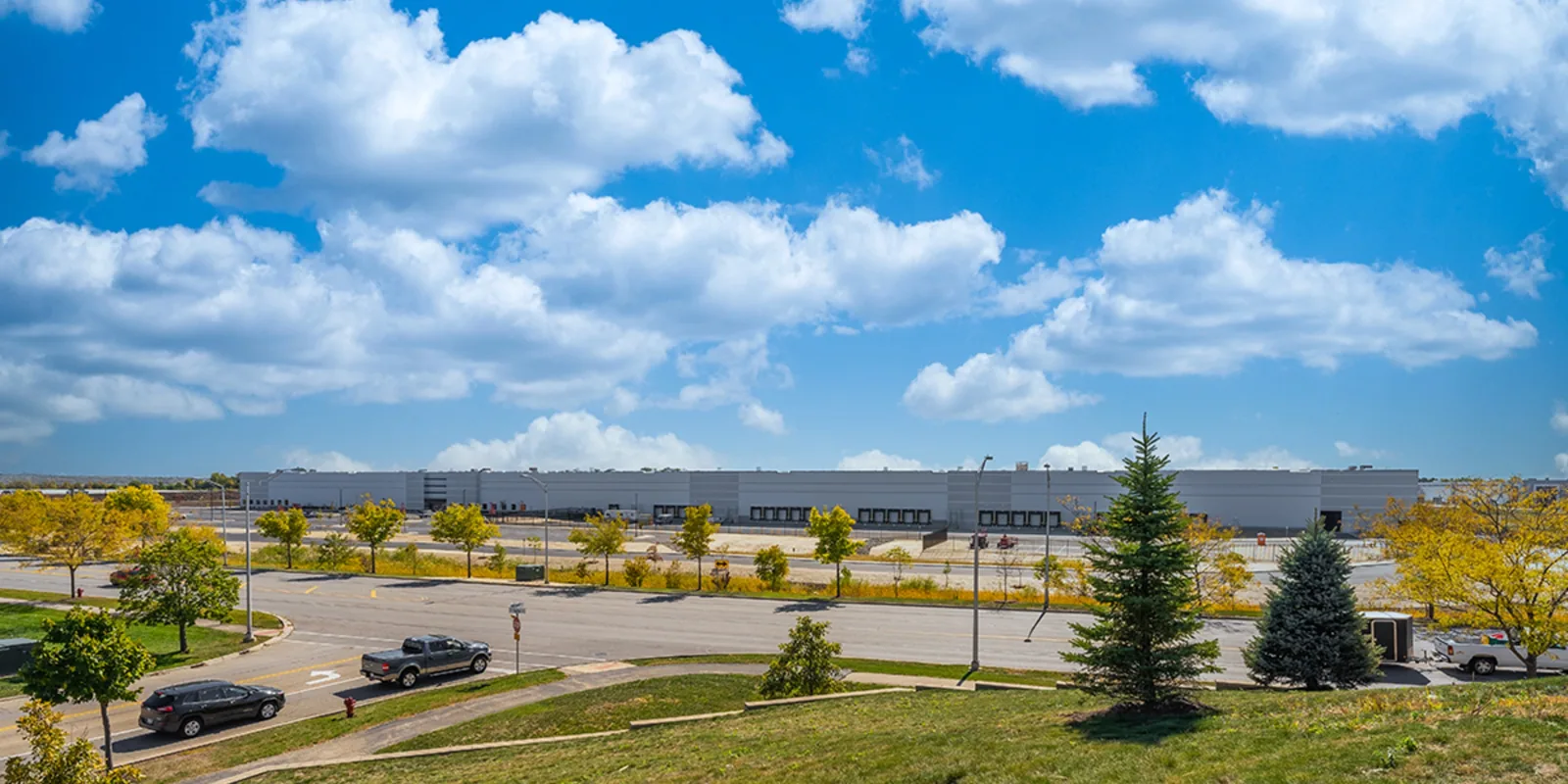
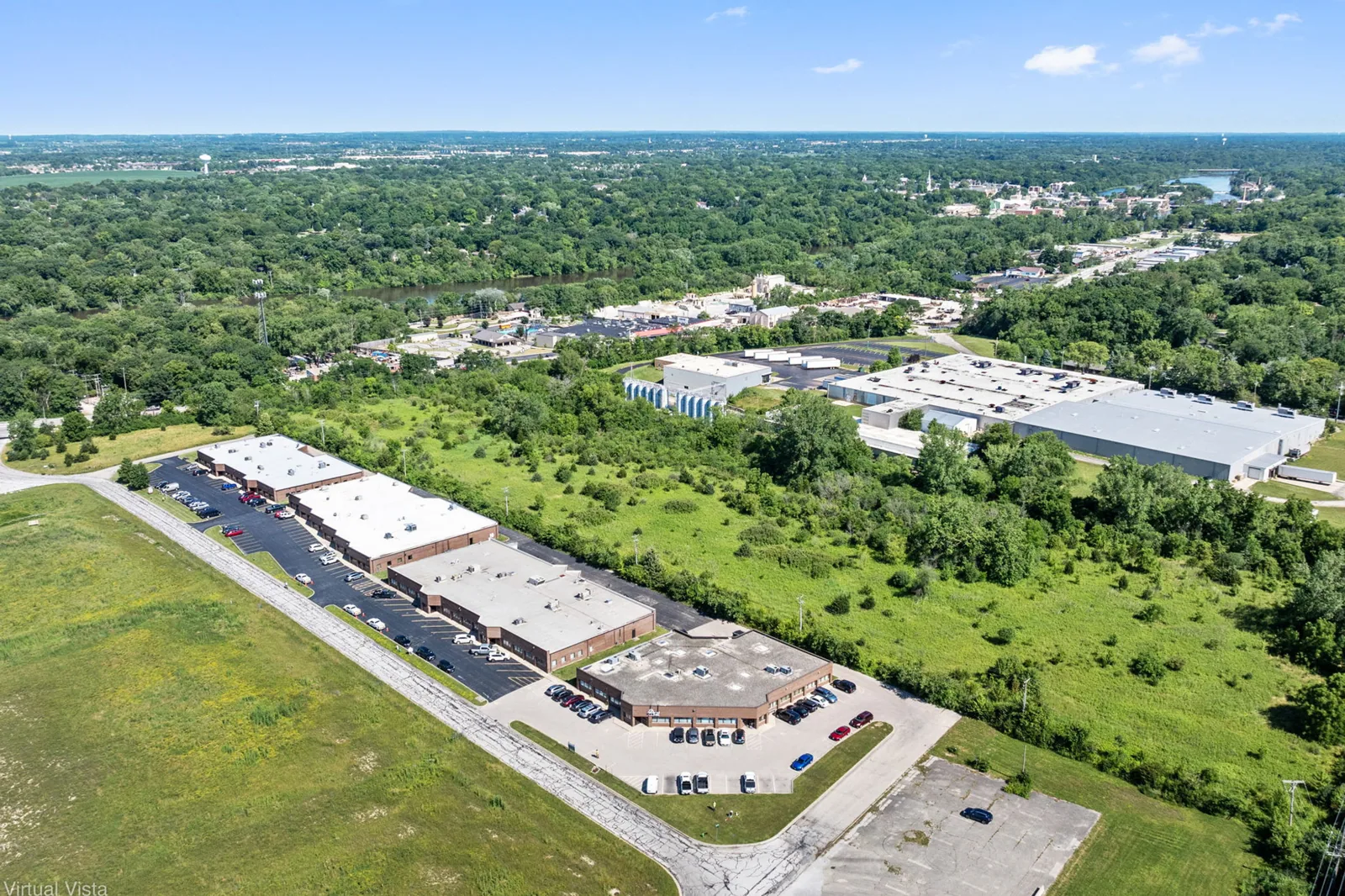
A repair request in the Sugar Grove airport industrial district needs a property address and roof section before a quantity can be set. The Industrial TIF covers commercial and industrial property at Dugan Road and US 30, west of Aurora Municipal Airport. The district is largely developed and has continuing infrastructure needs. Scot Industries and Producers Chemicals expanded facilities there. Those facts describe the industrial area; they do not establish the roof type, access route or maintenance condition at another address.
We inspect the facility records and the roof itself, tracing water paths and noting seams, penetrations and edge details. Aurora's market weather includes repeated winter freezing and seasonal storms, so maintenance records can compare drains and repairs across seasons. Those regional patterns do not prove damage at a specific site. We record what inspection and approved testing confirm, then set the scope from that property file.
What should a site-level roof inspection include?
We review the roof plan, service history and any known equipment changes before confirming roof access. The walk records membrane and attachment clues, seam condition, curbs, penetrations, drainage, edge metal and previous repairs. A commercial inspection maps each observation and identifies where equipment or restricted access blocked a complete view. Dugan Road and US 30 locate the district, but the property contact confirms its gate, staging area and safe route to the roof.
If concealed moisture may affect a repair boundary, an infrared moisture survey can help place approved samples. Thermal patterns are not equivalent to a confirmed wet area. Each core describes its opened location only. We mark the tests and the surfaces left untested, compare the result with prior work and keep any allowance for concealed conditions separate from the measured repair quantity.
How can a facility decide between repair and replacement?
A small seam separation or puncture may be a contained repair when the surrounding material remains compatible and dry. If similar openings recur, attachment loosens across a section or testing confirms wet insulation, a broader evaluation may be justified. We trace the water path and inspect adjoining details before setting quantities. A repair scope identifies the approved area and which item still needs testing or removal.
Replacement planning compares roof layers, deck, insulation, attachment, roof height, drains and perimeter transitions. A recover assessment checks whether the current roof can remain under a new layer. A replacement review defines removal limits and documents how any hidden material will be measured for approval. An owner can compare the smaller repair with a section project using the same map and test evidence.
How should industrial operations be accommodated?
The site representative confirms delivery hours, equipment restrictions, vehicle paths, loading and who can release roof access. An industrial operation can have active processes or secured areas that affect staging, but we do not infer those details from the district name. The work plan identifies the material path and any area that needs protection. If infrastructure work changes an approved route or entrance, the sequence is updated with the facility contact before the crew arrives.
When a leak is active, a temporary protective visit can cover the affected area while the permanent repair is defined. The initial measure is recorded apart from the final repair quantity. If work opens the assembly and reveals additional damage, the crew photographs and measures it, then requests approval for any expansion. Changes to operations can affect timing, while new findings affect scope only after they are documented and accepted.
What belongs in the industrial roof capital review?
Compare each roof section by active water entry, condition band, test result, repair history, access requirement and next review date. We separate immediate protection, maintenance, repair and replacement, then identify amounts still subject to testing. A capital plan can sequence work around a facility's funding calendar without turning an unknown layer into a confirmed replacement area. Where several structures share a maintenance contact, the portfolio file can list each address, system and work date without combining their measurements. A quarterly or seasonal review can revisit open items, note access changes and confirm whether prior temporary protection remains in place. The priority list should state which decision is ready for approval and which still needs testing.
For an assembly change, Aurora municipal building requirements and Illinois energy standards may affect insulation, drainage and other design decisions. The project drawing and selected system establish what needs review. A condition report retains photographs, test boundaries and open items. A manager can coordinate a separate airport-area roof review or another industrial property inspection, keeping each address's condition record independent.
Which site documents should be kept together?
Keep the roof plan, product information, service tickets, test locations, repair approval, material used and completion images in the facility file. Mark which sections were inspected, sampled, repaired or left open. If an issued warranty applies, retain its terms and issuer instructions. Add later equipment and penetration work as it occurs so a future leak review can identify changes made after the earlier inspection. If materials or access rules change after closeout, update the site file before the next work order. The service contact should be able to distinguish an emergency cover from a final repair, and see whether the owner approved any concealed-condition work. A dated map makes that responsibility easier to transfer when the facility contact changes.
Dugan Road, US 30 and Aurora Municipal Airport identify the surrounding district, while the building's own record identifies its roof. Scot Industries and Producers Chemicals are local examples of facility expansion, not evidence about roofing work at a named employer. The next review should use dated images and measurements to compare the same seam, drain or curb and note any change requiring follow-up.
Does the Sugar Grove industrial district's development status confirm a roof problem?
No. District development and infrastructure facts do not describe the condition of a particular roof. We inspect the property, review its service history and test concealed areas when those results could change the repair scope.
How do industrial access rules affect a roofing visit?
The facility contact confirms the entry, vehicle path, staging, work hours and any secured areas. We record those limits in the sequence before mobilization. They may affect timing but do not replace roof measurements or condition findings.
Can one infrared scan define the repair area?
A scan can help select test points, but the thermal pattern alone does not confirm the material below it. Each approved sample supports its own location. We keep untested surfaces separate and extend the work boundary only when inspection or testing supports it.
What should the owner receive after an industrial roof repair?
The closeout should show the marked section, photographs, material used, approved quantity, test results, completion date and access limits. Temporary protection is listed separately from permanent work. That record helps the next reviewer assess the same detail.
Request a Roof Assessment
Provide the Dugan Road or US 30 property address, roof plan, repair history and site contact. We can map the affected sections, document sampling limits and prepare a measured work scope.
Call 555-555-5555 or send the form and we will set a time to walk the roof.