Wind Damage Roof Repair in Aurora, IL
Roof Damage Repair
Map the wind finding before setting scope
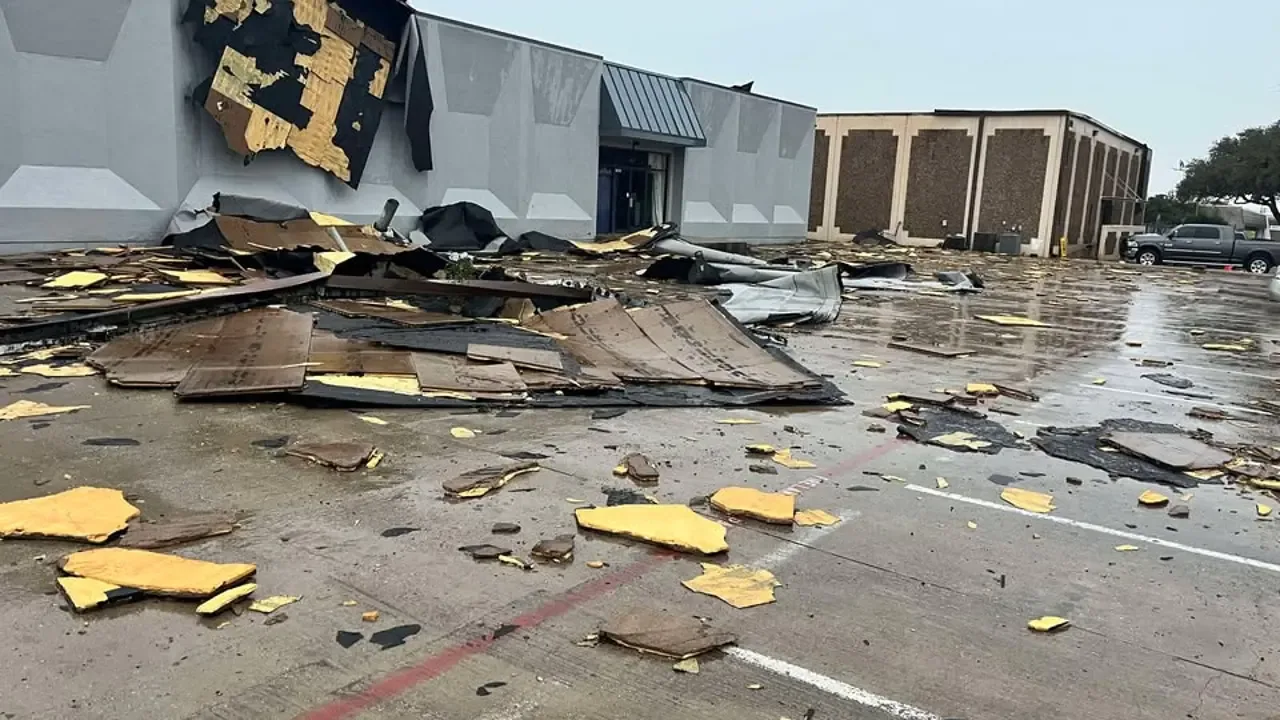
A lifted edge metal section can expose the roof before a ceiling leak appears. We inspect the perimeter, seams and rooftop details, then map displaced or split material to the affected roof section. The report distinguishes observed wind-related conditions from older repairs, wear and areas that need testing. That gives the owner a defined repair quantity and a record for deciding what must be stabilized now.
Northern Illinois severe-storm records include damaging hail and tornadoes, and Aurora's roof assemblies also face repeated freeze-thaw cycles. Near Fox Valley Mall, Route 59 and I-88 connect major commercial areas. We review the reported date, site photographs and roof history, then separate observed wind displacement from pre-existing wear.
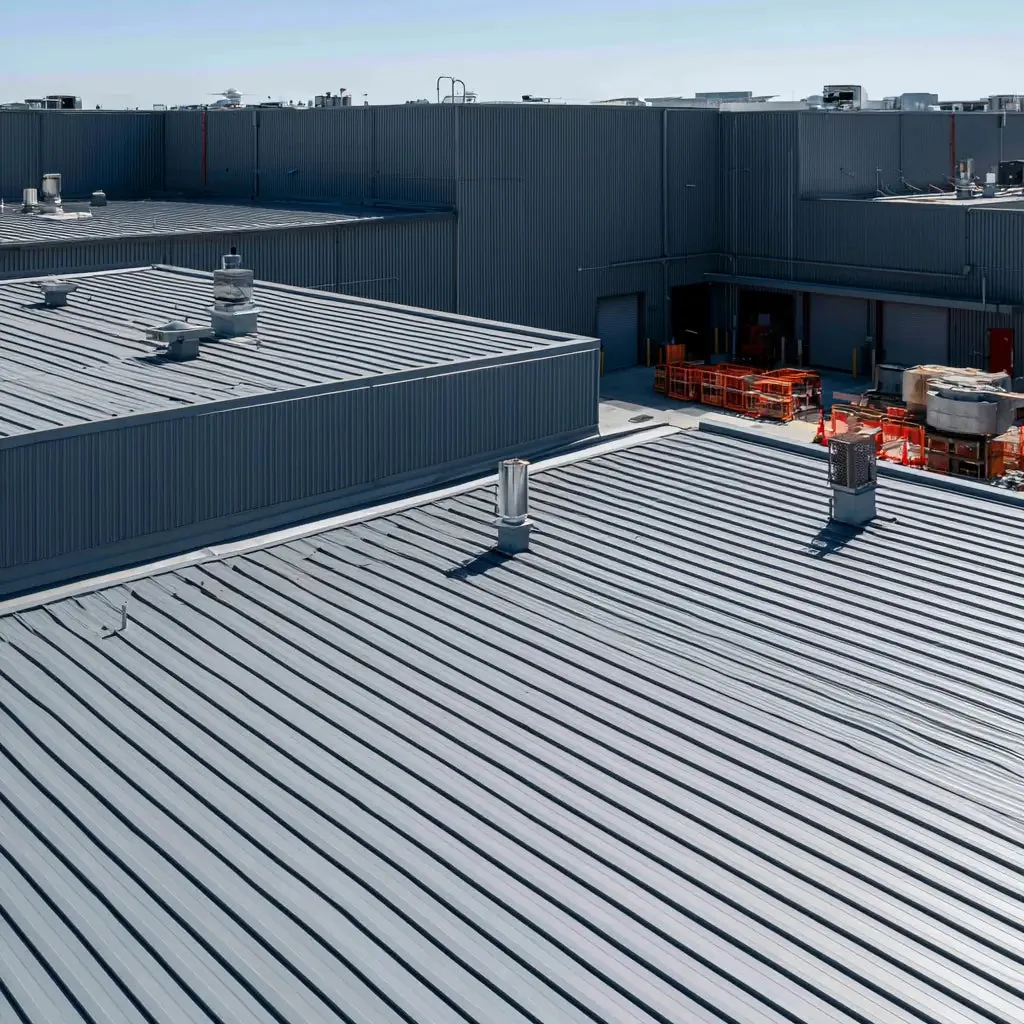
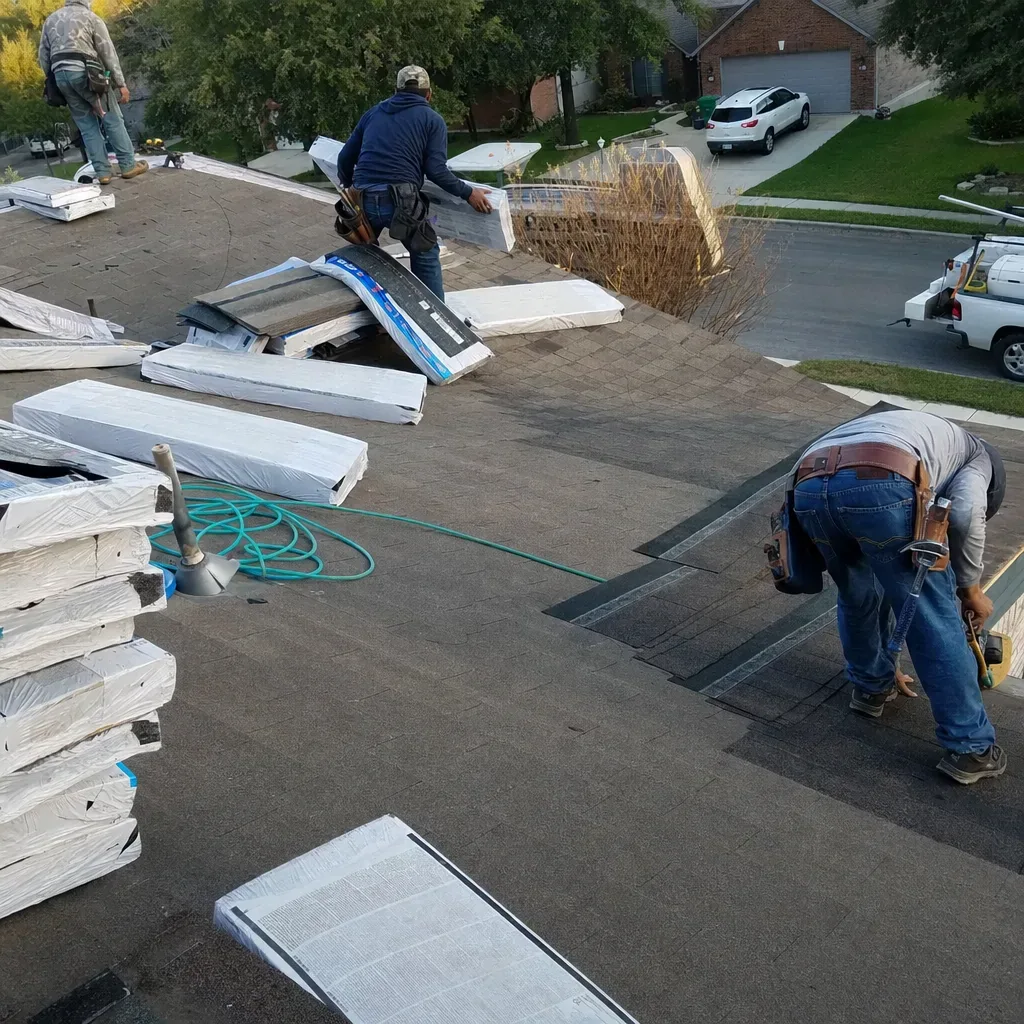
Which roof details should be checked after high wind?
We examine edge metal, coping, flashing, membrane seams, rooftop equipment attachments and any area where material appears lifted or displaced. A roof edge that looks intact from the ground may still have loose fasteners or a separated termination. We photograph the condition and identify its position on the roof plan. Interior reports, if present, are matched with the likely water path rather than treated as proof of a specific roof opening.
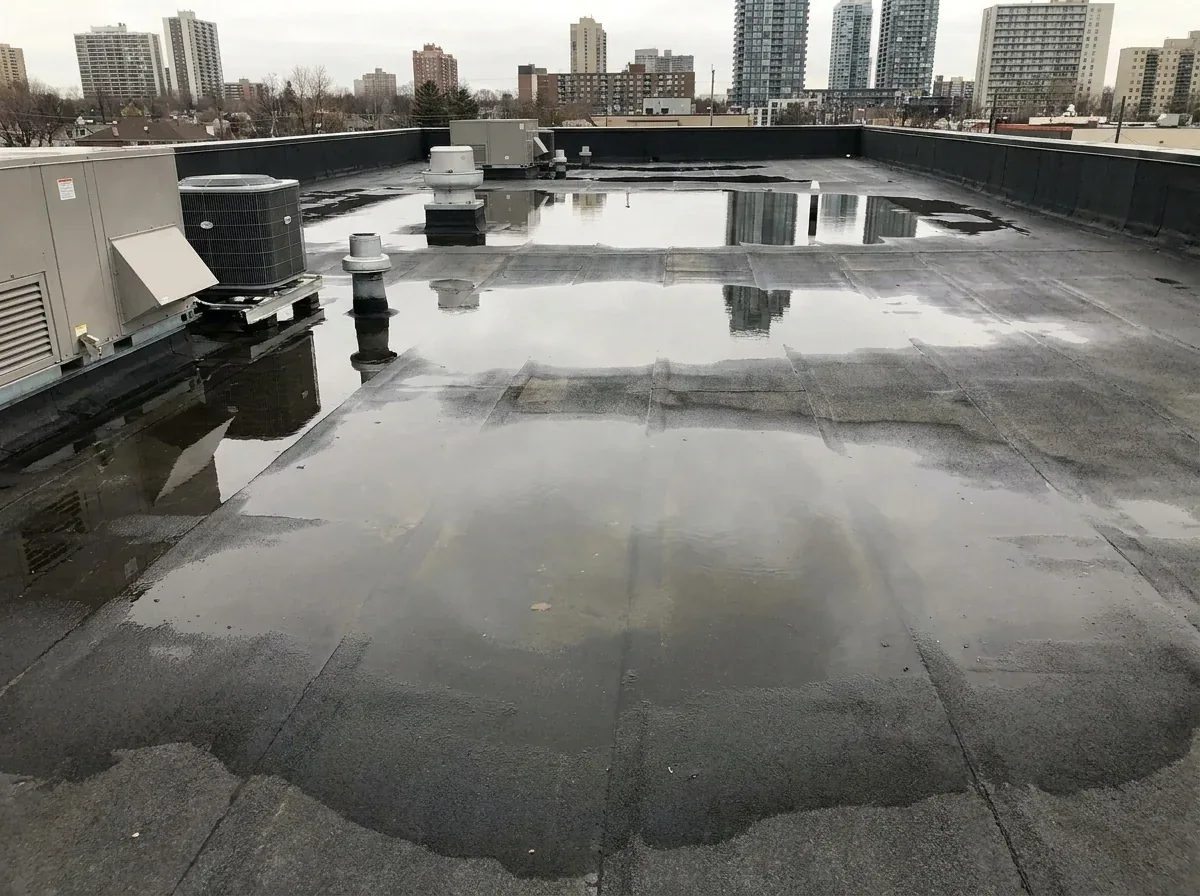
Wind can move debris onto the roof or expose an existing weak point. We note punctures and impact marks separately from membrane separation, and document any condition that requires a closer test. Infrared patterns may guide sampling if insulation could be wet after entry; core tests confirm only the area opened. A storm-damage inspection can preserve those observations for repair planning, with untested areas kept outside the approved quantity. At the perimeter, record how far lifted material extends, the attachment condition and whether a coping joint or wall transition is involved. At field seams, identify each separation and its nearest drain or curb. Those measurements help restore the termination without extending scope into a section that tested sound.
What should happen before the permanent repair?
Where material is loose or water is entering, the first action is to secure the affected area and protect the interior under the owner's safety procedures. We document temporary measures, date, material and roof section separately from the permanent scope. The facility contact identifies access, rooftop equipment status, pedestrian routes and any area below that needs protection. A follow-up inspection confirms which attachment, seam or edge details require permanent correction.
Warm-season rain averages close to four inches monthly in Aurora from May to September; after wind damage, crews should verify each temporary edge and drain before leaving the roof. Drains need to remain clear, and any opened edge needs a secure dry-in boundary. Emergency response is available around the clock, including holidays. Permanent repair follows when the roof can be accessed safely and materials can be prepared and closed within their installation conditions.
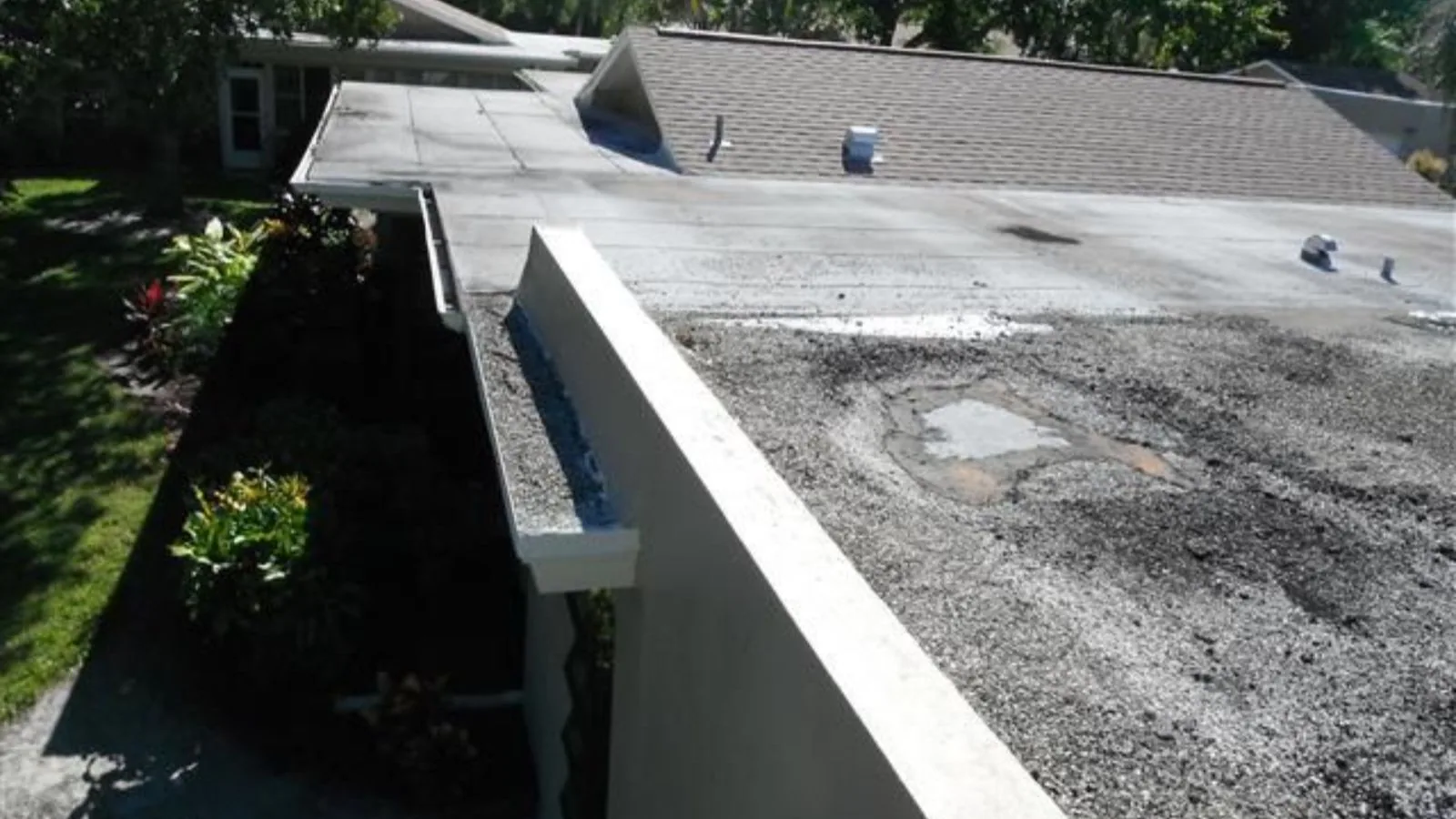
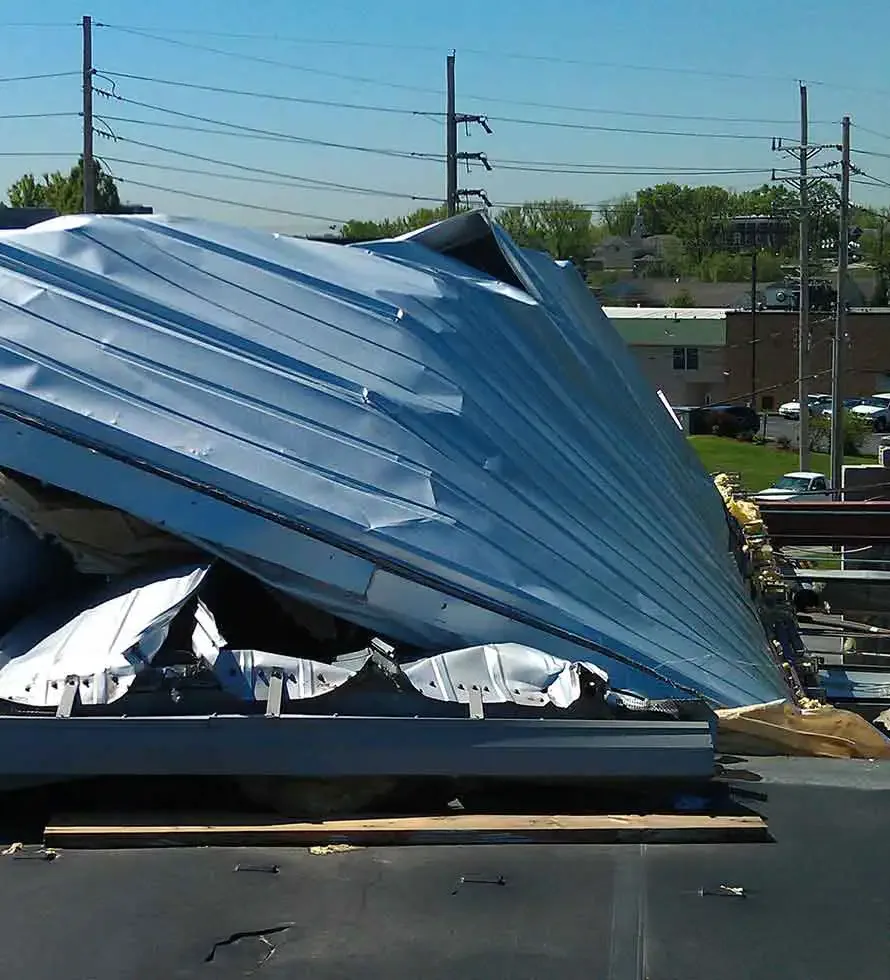
Can the edge be repaired without replacing the field?
A localized edge repair may be appropriate if the membrane termination, adjacent seams and attachment remain sound. Lifted material in several sections, repeated fastener pullout or confirmed moisture can point to a larger scope. We inspect field seams and perimeters separately, compare prior repair notes and map any test boundary. A condition band states whether the current finding is limited, requires more testing or supports broader replacement planning.
Wind concerns can overlap with hail impact or tornado debris, but each condition needs its own evidence. A hail-damage review records surface impacts, while a tornado damage survey documents broader debris and opening concerns. A perimeter repair scope can address coping and edge details. The chosen method follows the observed attachment and substrate, not the weather label alone.
What changes the wind repair quantity?
Cost follows the amount of displaced material, length of affected edge, fastener and seam repairs, access equipment and protection below. Matching an older roof assembly or rebuilding a transition may require additional preparation. If concealed insulation or deck damage appears after opening, we photograph and measure it before submitting a quantity change. The estimate separates confirmed work from allowances that require access or testing.
Aurora's average winter includes about 121 days below freezing, so a repair must account for surface and material conditions throughout the season. Summer heat and recurring rain can also constrain work hours and open area. We identify the approved section and schedule a dry-in point for each shift. If service vehicles, tenants or public entrances are below the work, those controls are listed before crews mobilize. The work log also records temporary protection, fastener replacement, material compatibility and the person who accepted the completed edge. If the repair returns for inspection after the next storm, the same photo angles and roof-plan locations make changes easier to distinguish from the original condition.
What evidence supports a wind damage file?
Keep the reported weather date, site photographs, interior reports, marked roof plan, maintenance history, temporary repairs, tests and closeout quantity together. Each photo should identify the roof section and detail. Note whether a condition was displaced, punctured, split or merely surface-worn. That record helps a facilities team compare a later leak with the current repair and keeps work authorization tied to actual findings. Photograph the perimeter in a wide view and each fastener or split close up, with the roof-plan location and date attached to both.
Fox Valley Mall lies near Route 59 and I-88; the US 30 corridor connects industrial areas west of Aurora Municipal Airport to regional truck and air routes. A condition report preserves findings by section. For a property in the Fox Valley Mall area or airport industrial area, the marked roof plan ties observed wind damage to the correct building and repair boundary.
Should a wind inspection happen if there is no interior leak?
Yes, a roof detail can be displaced without immediate water entry. We check visible edges, seams, penetrations and attachments, then record any condition requiring a closer look. An absence of interior staining does not establish that all roof sections are intact, and a storm report alone does not establish damage.
Can you temporarily secure a lifted roof edge after hours?
Emergency response is available around the clock. We assess site access and safety, document the affected section and apply temporary protection where conditions allow. A permanent edge repair follows after the substrate, attachment and material requirements can be reviewed and the final quantity approved.
Does wind damage require a full roof replacement?
Not automatically. A limited edge or seam repair may fit if adjacent materials remain sound. Widespread displacement, repeated failure or confirmed wet insulation can support a broader review. We identify the evidence, test limits and approved quantity for each section before recommending a larger scope.
What should be included in a wind damage estimate?
Include a marked roof plan, dated photographs, affected details, repair measurements, temporary work and any test boundary. State assumptions and concealed conditions separately. Each estimate line should identify its section so the owner can compare the work with site observations and prior repairs.
Request a Roof Assessment
Share the Aurora address, reported date, roof plan and site photographs. We can inspect edges and penetrations, document temporary measures and define an approved repair quantity by section.
Call 555-555-5555 or send the form and we will set a time to walk the roof.