Duro-Last Commercial Roofing in Aurora, IL
Roofing Manufacturers
Map Duro-Last seams and details before repair
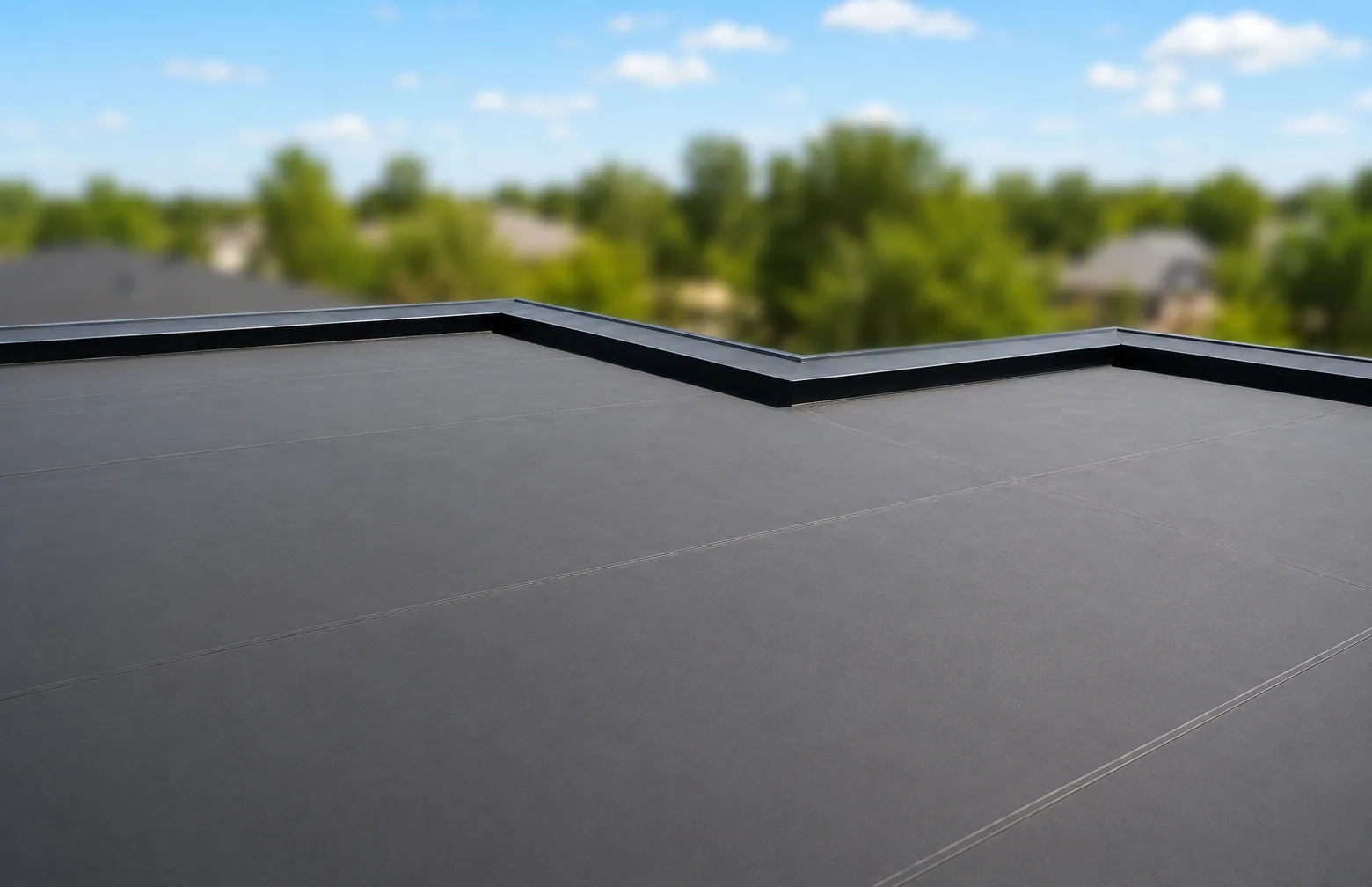
A seam at a rooftop curb needs inspection at the field sheet and at the prefabricated flashing detail. We identify the Duro-Last assembly, examine welds and drainage, then set the repair boundary from what the roof shows. Duro-Last manufactures PVC commercial roofing systems with custom-fabricated membrane panels and components. The prefabricated details can reduce some field fabrication, but the building's actual seams, tie-ins and later repairs still require inspection.
Aurora averages about 37.7 inches of annual precipitation and approximately 121 days below freezing. Water management and cold-weather movement make drains, penetrations and perimeter transitions useful details to compare over time. Fox Valley Mall is near Route 59 and I-88; Downtown Aurora includes historic commercial properties and adaptive reuse. These locations help organize work across a portfolio, while the property records and observed roof condition establish the scope.
What should an inspection confirm on a Duro-Last roof?
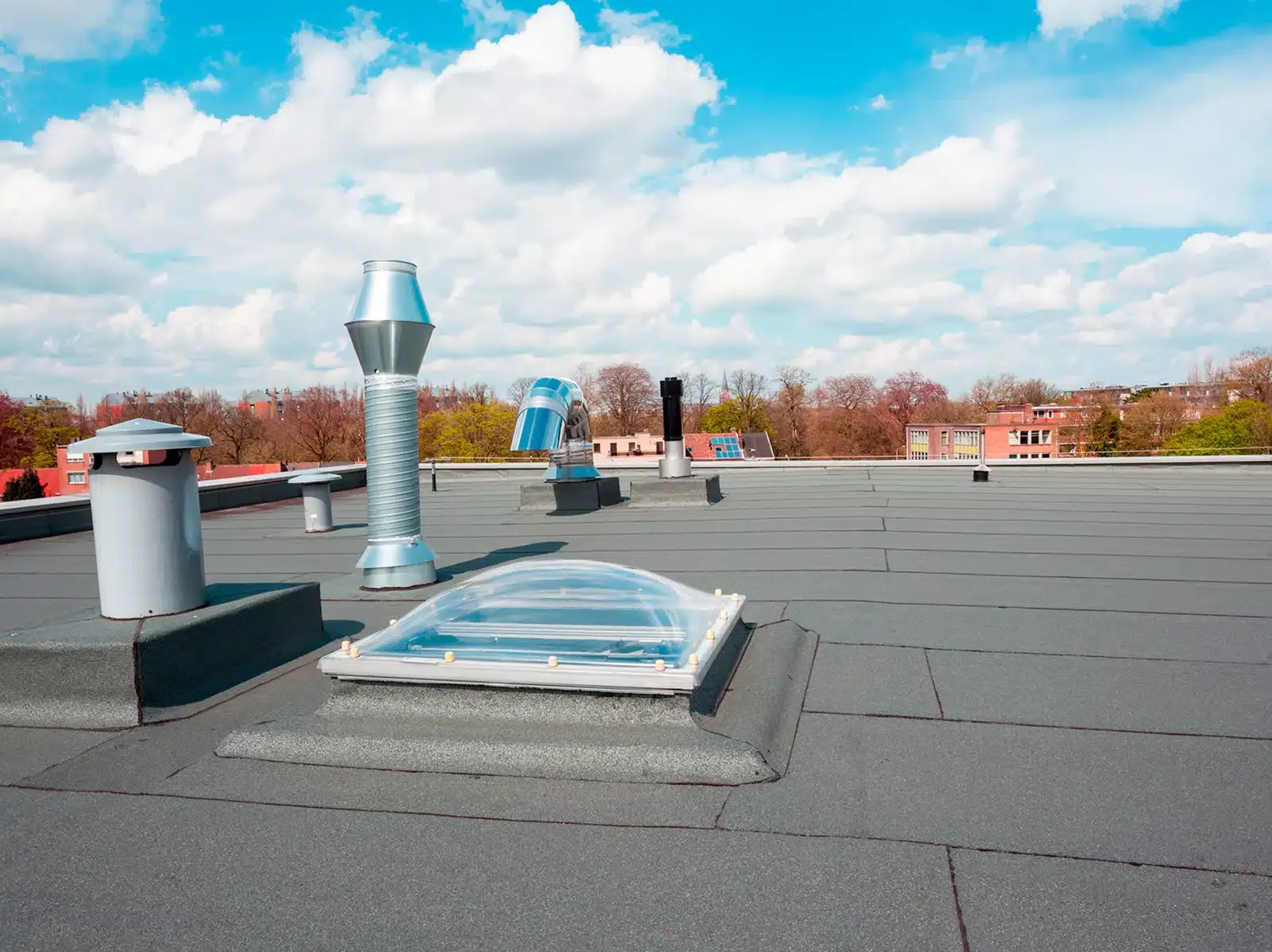
We review available shop drawings, project submittals, warranty papers and prior service records, then inspect visible membrane markings, field seams, prefabricated accessories, edge details and drains. A factory-made flashing component does not confirm that its field tie-in remains sound. We check the welds and transitions where components meet the roof, along with any penetrations added after installation. The report identifies what was confirmed and where records do not match field conditions. Where a panel layout is available, we compare the drawing with field seams and accessories to see whether later work altered the original pattern. Rooftop unit replacements, new conduit and added supports can create new transitions that are absent from the original details. We mark those changes separately and note whether the adjoining PVC remains continuous and properly terminated.
A commercial roof inspection maps visible seams and details by section. If concealed moisture is a concern, an infrared moisture survey can help select test locations. Thermal patterns do not confirm wet insulation without sampling; each core represents its own opening. We record tested areas, untested portions, rooftop equipment and access limits so the owner can see what supports the repair quantity and what still needs review.
Can a Duro-Last PVC seam or flashing be repaired?
A short weld separation or damaged accessory may be repairable when the surrounding PVC remains suitable for a compatible tie-in. We inspect beyond the visible defect for contamination, prior patches, movement and moisture. Repeated openings at several seams or confirmed wet cover board can support a broader roof-section review. If removal reveals a hidden issue, it is measured and photographed before an additional quantity is proposed for approval. The owner can also compare the proposed patch with the original field panel and nearby accessories. We identify whether the scope includes seam work, curb flashing, edge metal or substrate correction, then list the quantity for each. When different issues meet at one location, photos show how they connect so a repair proposal does not conceal separate work items inside a single lump quantity.
A repair scope identifies each detail and material. A replacement review compares repair with a broader assembly when the findings extend beyond isolated points. PVC repair methods depend on surface preparation, membrane condition and weld quality. Other manufacturer systems such as Johns Manville membranes or Carlisle SynTec products have their own materials and joining details; we keep any transition between them on its own line in the inspection record.
How does drainage affect Duro-Last maintenance?
Prefabricated accessories do not move water to a drain if the drainage path is obstructed. We check roof drains, scuppers, overflow points and low areas, then note where debris or ponding can hold moisture near a seam. Aurora's warm-season precipitation is near four inches per month from May through September. A recurring water mark after those months deserves comparison with the roof map, but the symptom alone does not establish whether a seam, drain or concealed layer is responsible. A maintenance walk should also record whether roof drains can be reached safely and whether rooftop traffic leaves debris near the outlet. We note a clear drainage path separately from the condition of the membrane, since each can need a different response. Repeat photographs taken from a consistent location make it easier to tell whether ponding or an open detail has changed between service dates.
When water enters the building, around-the-clock emergency response can protect interior operations while the permanent work is assessed. We document temporary dry-in separately, identify the protected boundary and schedule follow-up testing or repair as conditions allow. The roof file should say whether the detail was permanently closed or remains open for monitoring. That distinction helps facilities staff plan the next visit and prevents emergency protection from being mistaken for a completed membrane repair.
Which documents help manage the Duro-Last roof?
Retain the approved system drawings, panel and accessory records, roof plan, service history, moisture tests, approvals, material used and completion photos. Mark each repaired seam, curb and drain by section and include the approved quantity. If an issued warranty is in force, keep its terms and issuer contact with the roof file. The record should also show any area that was not tested or could not be reached, since those conditions affect the next decision.
Route 59 and I-88 connect the Fox Valley retail district, while Downtown Aurora presents a different access and tenant setting. A location reference can help a portfolio manager coordinate visits without assuming that nearby buildings share the same roof. The Fox Valley Mall service area and Downtown Aurora service area can identify scheduled properties. A condition report preserves the inspection map and helps compare future findings at the same seam or penetration.
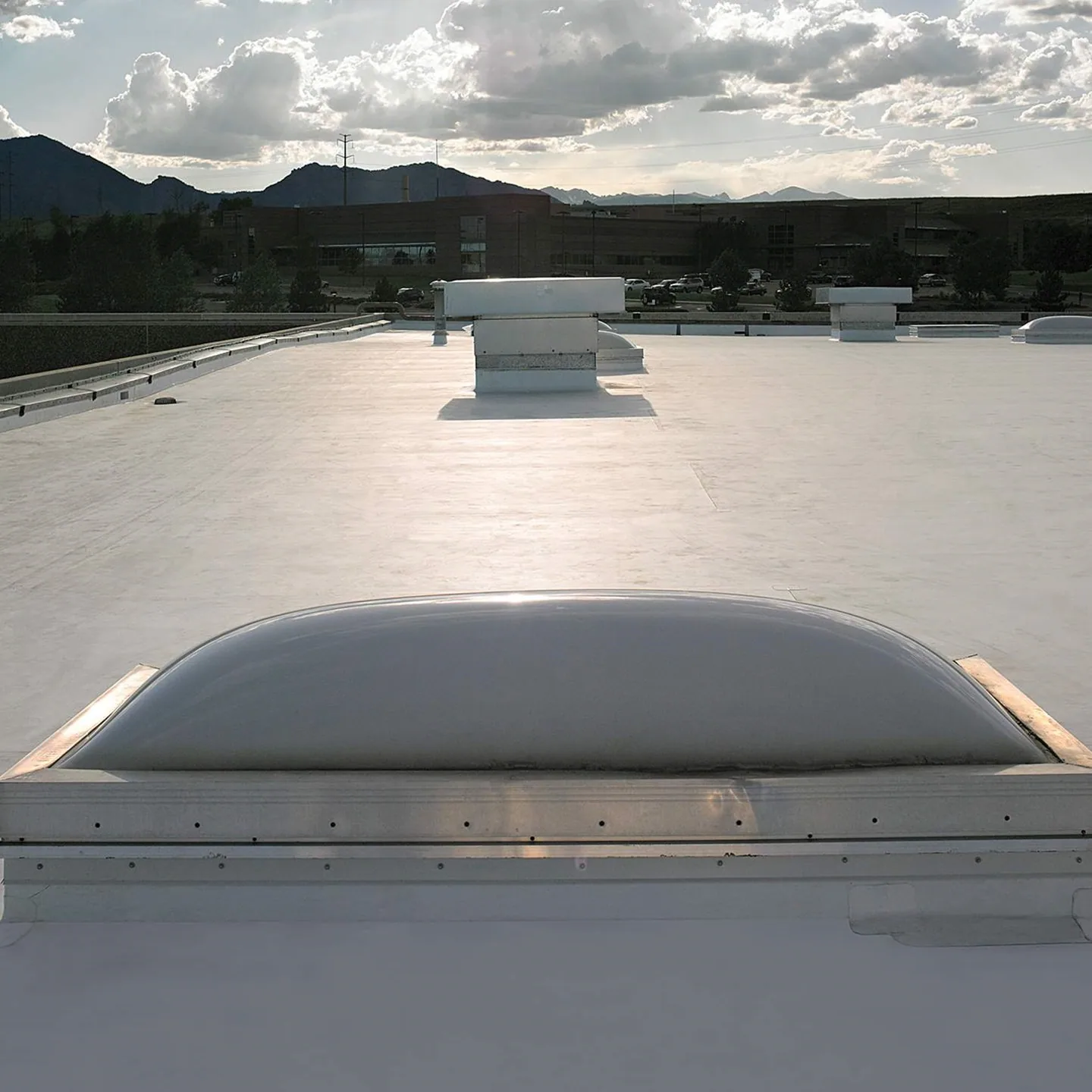
Does a prefabricated Duro-Last flashing mean the curb is leak-free?
The accessory and its field tie-in both need inspection. We check the weld, adjacent sheet, curb condition and any later equipment work. The record identifies visible damage and the tested area rather than inferring performance from the component's factory origin.
Can a puncture in Duro-Last PVC be patched?
A compatible patch may be appropriate when the surrounding sheet is sound and can accept the specified preparation and weld. We check for moisture, contamination and earlier repairs, then mark the measured boundary. Broad deterioration or wet material can require a separate assembly review.
What does an infrared survey show on a Duro-Last roof?
It can identify temperature patterns that help target confirmatory tests. It cannot establish the moisture condition of every roof area by itself. We document the scan and any sample locations separately, including untested areas beyond the openings.
Which Duro-Last records should be kept after a repair?
Keep panel and accessory information, the marked roof plan, repair material, approved quantity, photos, test results and work date. Include any issued warranty papers and contact details. A clear closeout can help the next inspection compare the same weld and adjacent flashing.
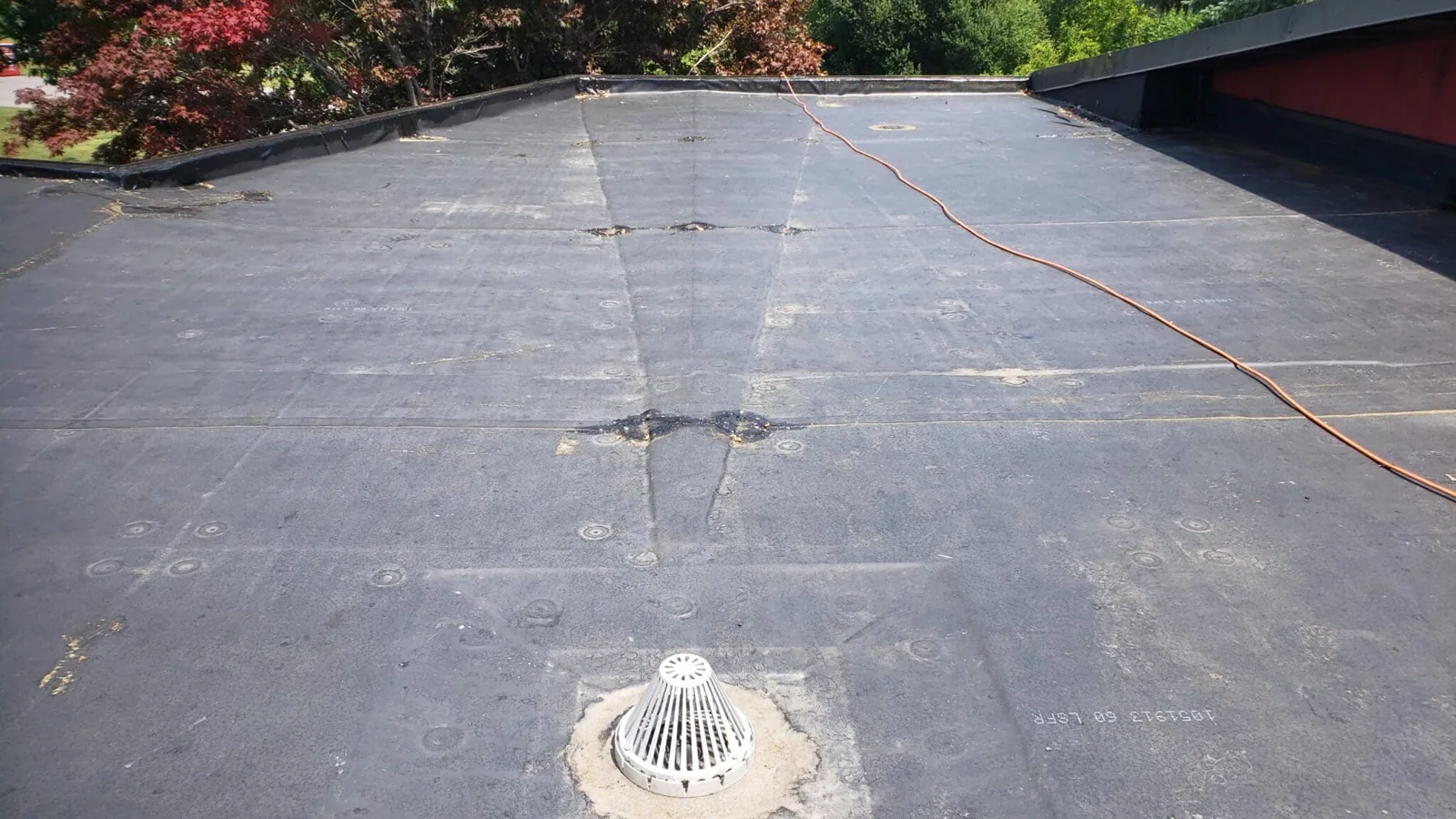
Request a Roof Assessment
Share the Aurora address, Duro-Last drawings, roof plan and recent repair records. We can inspect the field seams and prefabricated details, document test limits and prepare a repair or replacement scope by section.
Call 555-555-5555 or send the form and we will set a time to walk the roof.