Johns Manville Commercial Roofing in Aurora, IL
Roofing Manufacturers
Map the installed Johns Manville assembly
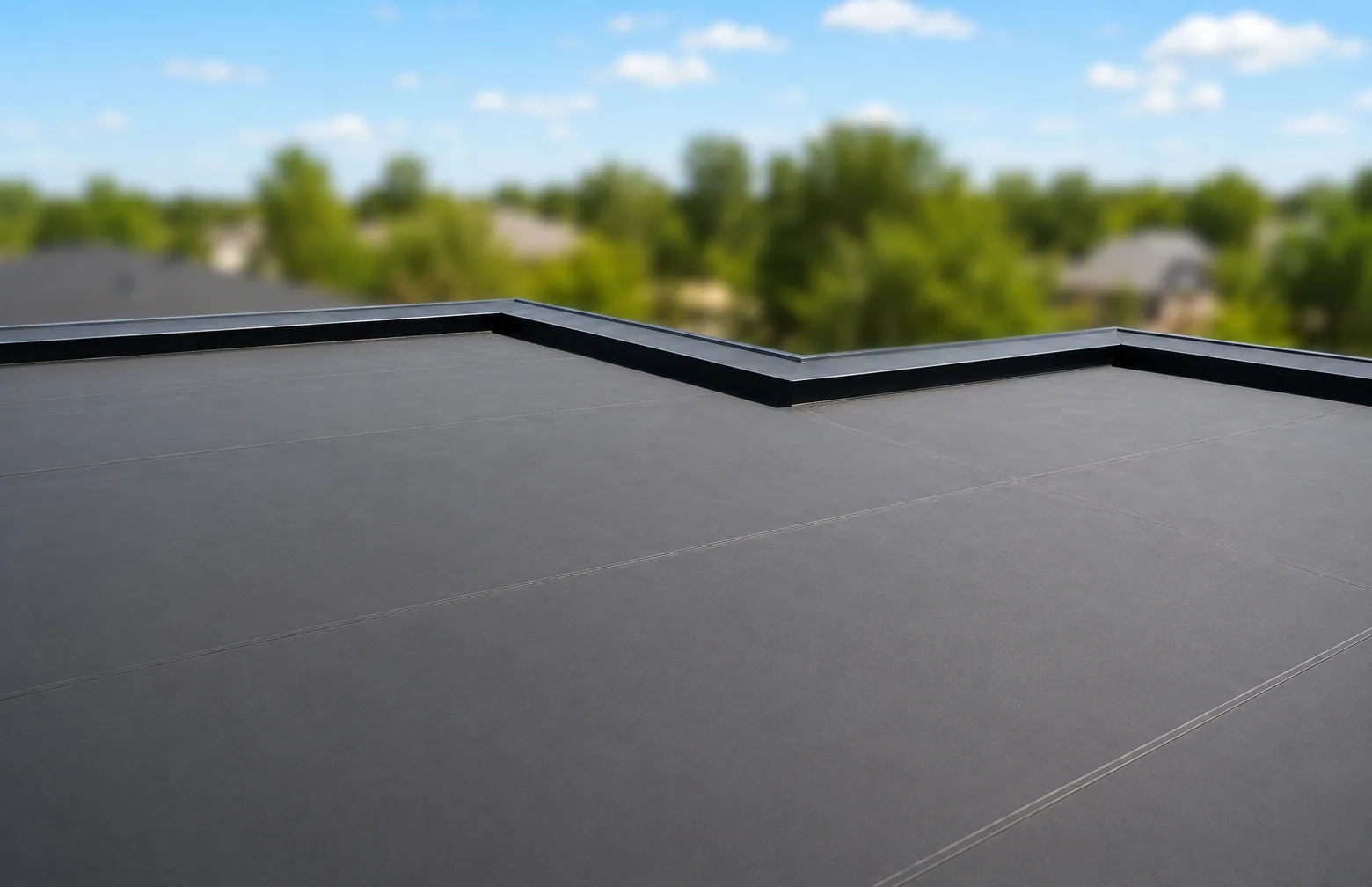
A split beside a rooftop unit can look like a membrane failure, but the repair quantity depends on the surrounding roof section. We identify the installed Johns Manville assembly, inspect seams and flashings, and separate visible damage from conditions that need testing. Its commercial portfolio includes TPO, PVC and EPDM roofing systems, alongside insulation and accessories. The product family helps frame the inspection; field condition and installation details set the scope.
Aurora averages about 121 days below freezing each year, and monthly precipitation runs near four inches from May through September. Freeze-thaw movement and seasonal rain make drains, curbs and transitions useful points to document. Fox Valley Mall sits near Route 59 and I-88, while commercial and industrial property also extends toward the US 30 corridor. We use those places for scheduling context, then base the recommendation on the building itself.
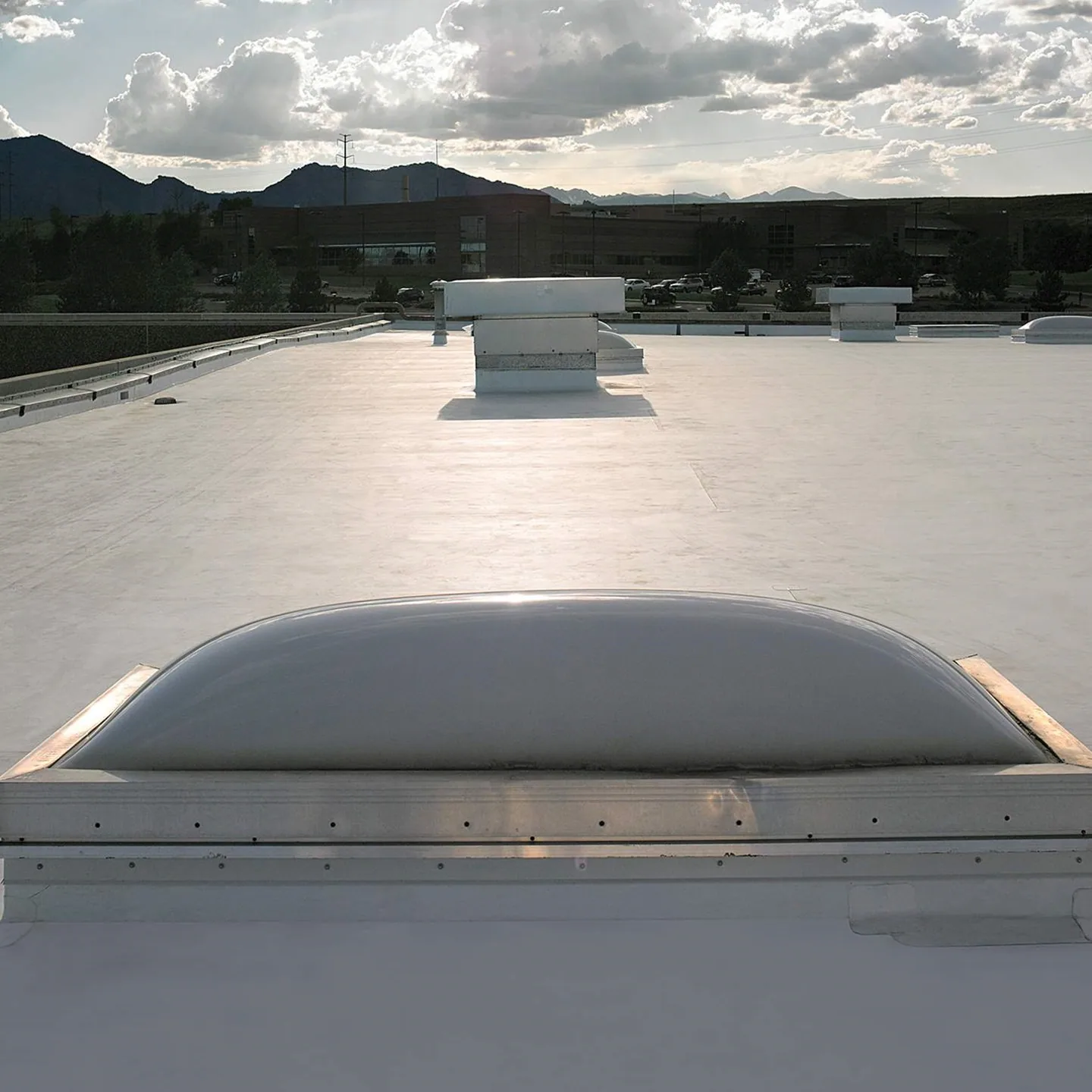

Which Johns Manville assembly is on the roof?
We begin with available submittals, invoices, roof plans and warranty documents, then compare them with membrane markings and visible details. TPO and PVC seams are heat-welded, while EPDM uses different lap and flashing methods. Attachment may be adhered or mechanical, and an insulation or cover-board layer can affect a proposed repair. We record what the field confirms and keep uncertain areas separate rather than assigning a product from color alone.
Johns Manville’s commercial range includes TPO, PVC and EPDM systems, each with product-specific installation details. A commercial roof inspection can map the visible assembly and note access limits. If concealed moisture may change the repair threshold, an infrared survey can help identify locations for confirmatory cores. Each sample represents the tested area only. The resulting roof map shows findings, open questions and the records needed before pricing a larger scope.
When does a Johns Manville roof need broader work?
A localized seam or flashing defect can support a contained repair when adjacent membrane remains sound and the insulation is dry. Recurring leaks, separated laps in several roof sections, or confirmed wet material can change the decision. We inspect the drainage path, attachment, penetrations and earlier patches, then define the quantity supported by those observations. If removal exposes hidden conditions, the owner receives measurements and photographs before any added work is priced or approved. Where a roof has several penetrations, we note each curb and pipe boot separately because repair count and access time can change the schedule. We also record whether water reaches a drain by an unobstructed path or crosses a low area first. A marked plan helps facilities staff compare the same locations during later service visits, while keeping each proposed quantity tied to the observed condition.
Johns Manville's commercial offerings include thermoplastic membranes and EPDM, so a repair method must match the installed material and detail. A repair scope identifies the confirmed work area. A replacement plan can compare tear-off and assembly options when localized repairs no longer address the observed failures. For another manufacturer's systems, Carlisle SynTec membranes and Holcim Elevate products are evaluated from their own product documents. Compatibility is confirmed at the actual transition rather than assumed across brands.
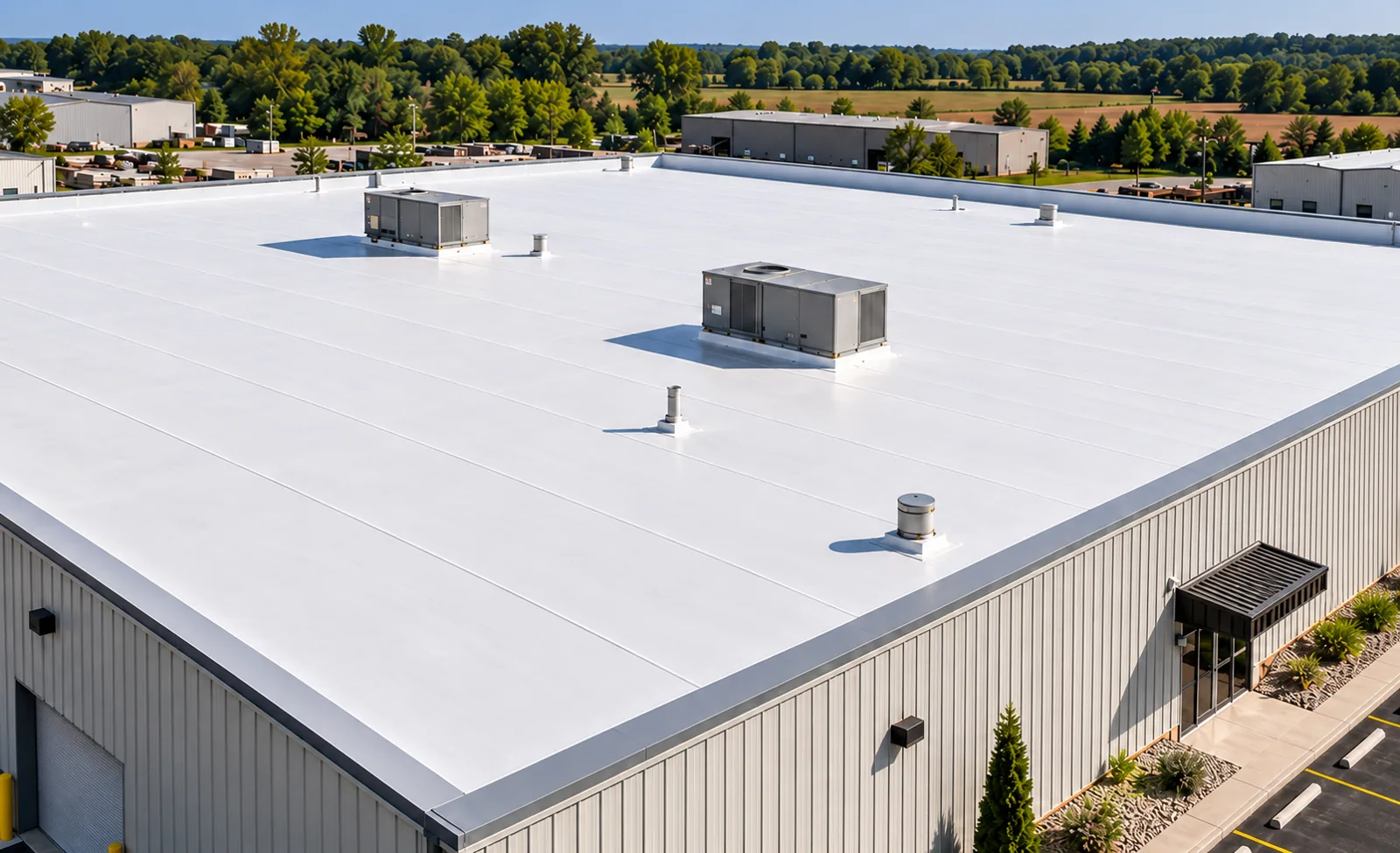
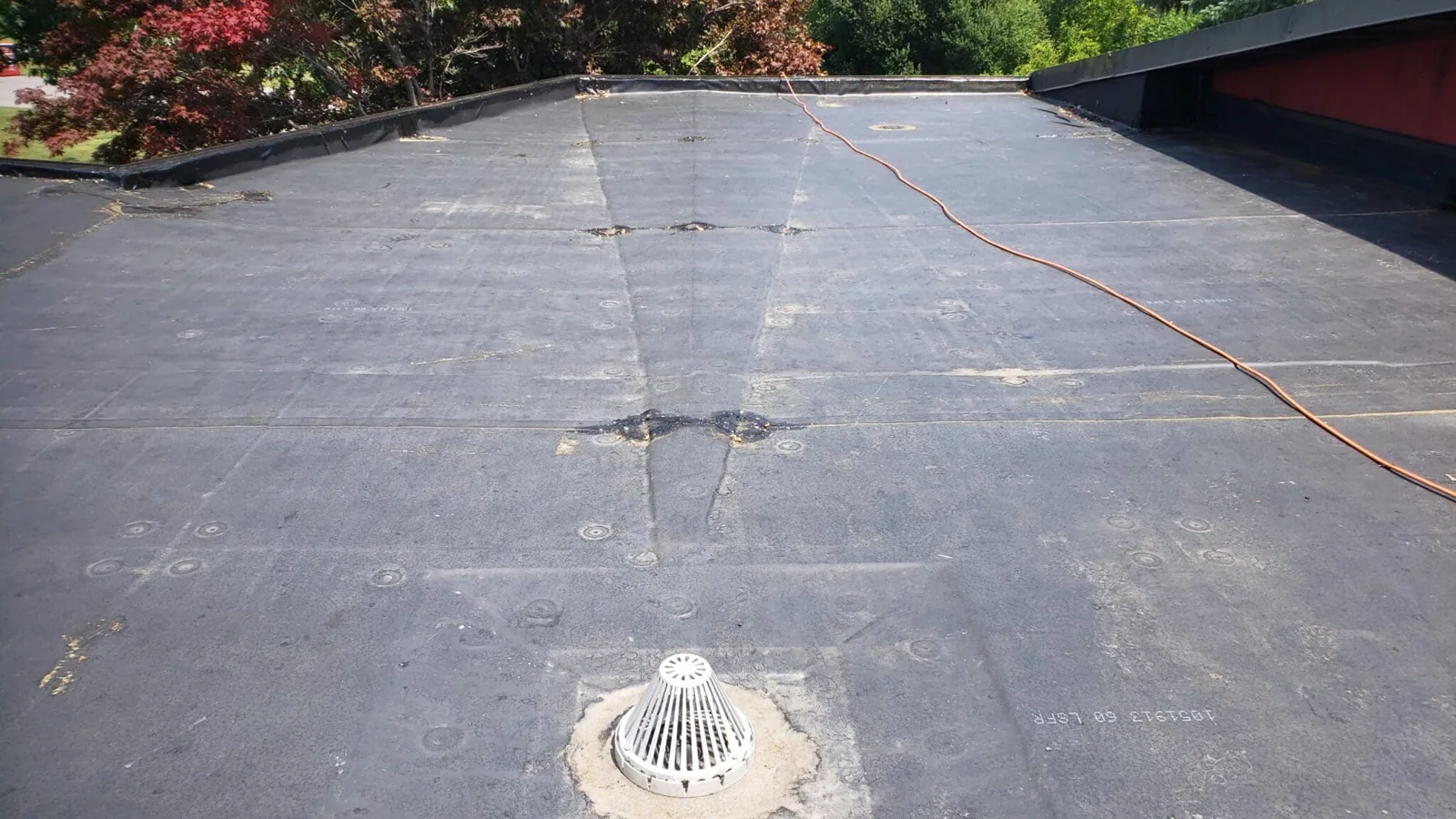
What should seasonal inspections record?
Water at a drain, a lifted edge or a damaged curb should be mapped before the next weather cycle changes the evidence. Aurora's warm-season rainfall makes clear outlets and overflow paths a practical maintenance item. Winter cold can stress a detail that has already lost adhesion or movement capacity. We photograph each condition, identify the roof section and note whether the membrane, flashing or substrate is affected. A condition band can help compare sections without turning one finding into a building-wide conclusion.
When water is entering occupied space, around-the-clock emergency response can protect the interior while the permanent scope is defined. Temporary dry-in and permanent repair are listed separately, with the boundary and any remaining access limits recorded. A roof condition report preserves the photo record and test map for the next review. The facility contact can also keep service invoices and equipment-work dates beside those findings. That history helps trace whether a new opening coincides with a prior roof visit, without treating timing alone as proof of cause.
How should the system file support a capital decision?
A useful roof file links the installed membrane, attachment, roof plan, moisture tests, approved quantity and closeout photographs. It should distinguish the tested area from surfaces that were viewed but not opened. Where an issued Johns Manville warranty exists, retain its actual language and the issuer contact; a product name does not establish coverage. A capital plan can group needs by condition and portfolio date, with repairs and replacement candidates kept separate. When replacement is being considered, the scope should show the proposed assembly, tear-off boundary, cover board, insulation changes and edge work as separate decisions. For a planned replacement, the record should also identify assembly depth, insulation changes, edge transitions and drainage adjustments that need design review. We list those items before construction documents are finalized, so the facility can coordinate its roof scope with the building project and keep field assumptions separate from specified work.
The Fox Valley Mall planning district lies by Route 59 and I-88, while Downtown Aurora's commercial inventory includes historic buildings and adaptive reuse projects. Those settings may affect tenant coordination and work windows, but not the roof assembly. The Fox Valley Mall service area and Downtown Aurora area can identify the property's location in a work schedule. We use the building records, approved access and observed condition to set the next roof review.
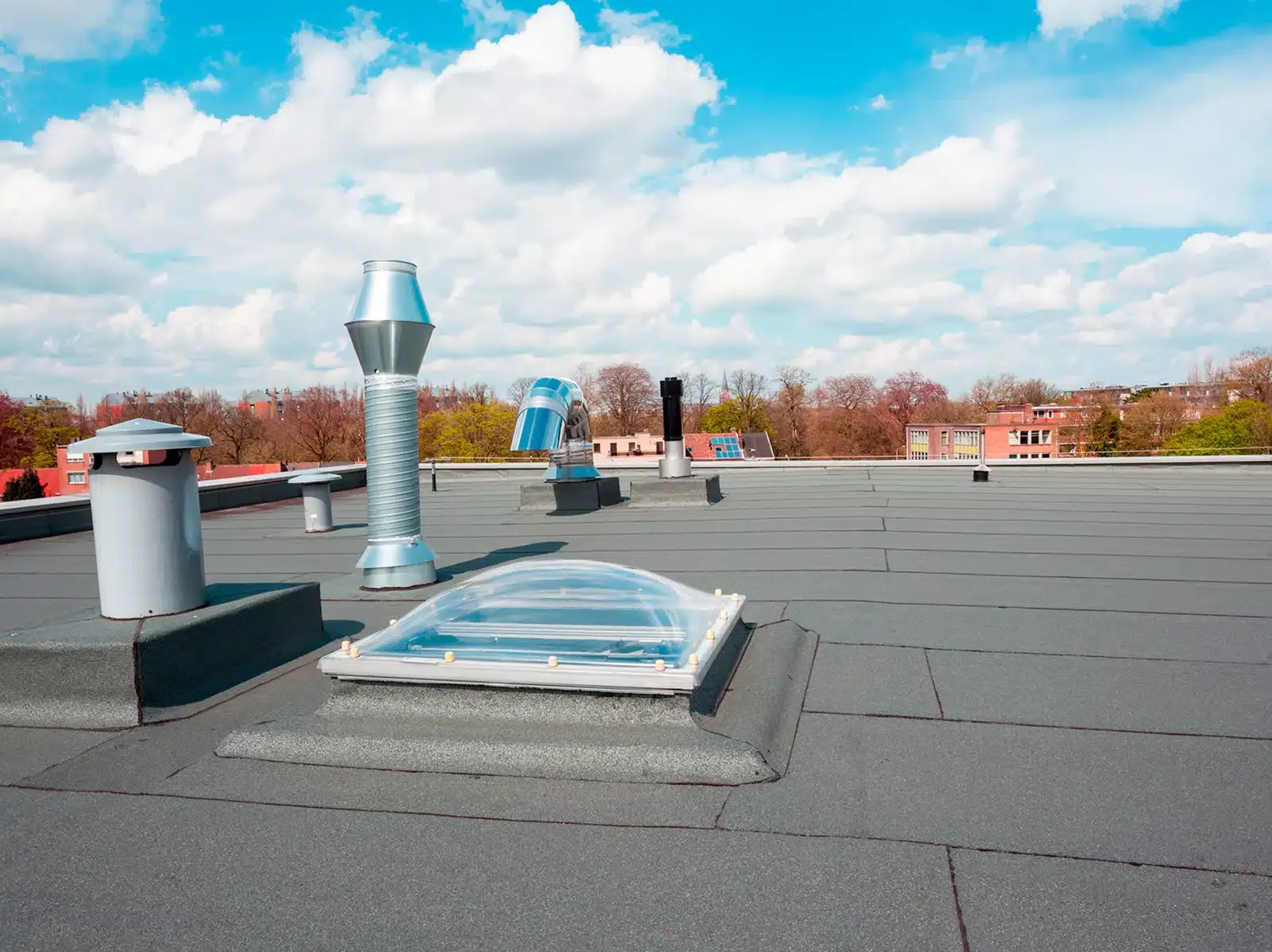
Can you repair a Johns Manville roof without replacing the full section?
The surrounding membrane, attachment and moisture condition determine whether a limited repair is supportable. We inspect beyond the visible opening, test suspected wet areas where appropriate and mark the confirmed quantity. Repeated defects or unstable material can require broader planning, but the recommendation follows the roof evidence.
Do Johns Manville TPO and EPDM use the same seam repair?
They use different joining methods and repair materials. We identify the membrane and review its installation requirements before preparing the surface or setting a patch. When product records are incomplete, field markings and seam details help narrow the identification, and unresolved questions stay in the report.
What should be included in a Johns Manville roof inspection?
The record should show membrane type, attachment, seam and flashing conditions, drains, prior patches, tested locations and limits on access. Photos should connect each finding to a roof section. We also list immediate protection separately from permanent repair so the owner can track what remains open.
Does an inspection confirm a Johns Manville warranty claim?
An inspection documents visible and tested roof conditions; the warranty issuer applies its issued terms. We can preserve the location, photos, test boundaries and repair history for the owner's file. The actual document and reporting requirements should remain with the building record.
Request a Roof Assessment
Send the Aurora building address, roof plan, available product records and leak history. We can inspect the sections, document test limits and prepare a repair or capital scope from observed conditions.
Call 555-555-5555 or send the form and we will set a time to walk the roof.