Holcim Elevate Commercial Roofing in Aurora, IL
Roofing Manufacturers
Confirm the installed system before setting a scope
A lifted edge on a Holcim Elevate roof changes the repair scope only after the membrane, attachment and adjoining flashing have been checked. We identify the system from records and field details, then mark the affected section and any limits on access. Holcim Elevate's commercial portfolio includes RubberGard EPDM, UltraPly TPO and PVC roofing systems. That product range is a starting point for inspection, not a substitute for confirming what is installed on the building.
Aurora records about 121 days below freezing in a normal year, while July averages a high of 83.9°F and roughly 12 days above 90°F each year. Cold movement, summer heat and ultraviolet exposure can affect different roof details over time. Fox Valley Mall is near Route 59 and I-88; west of Aurora, the Sugar Grove industrial area lies around Dugan Road and US 30. Those distinct settings inform access planning, while the roof file and observed condition guide the work.
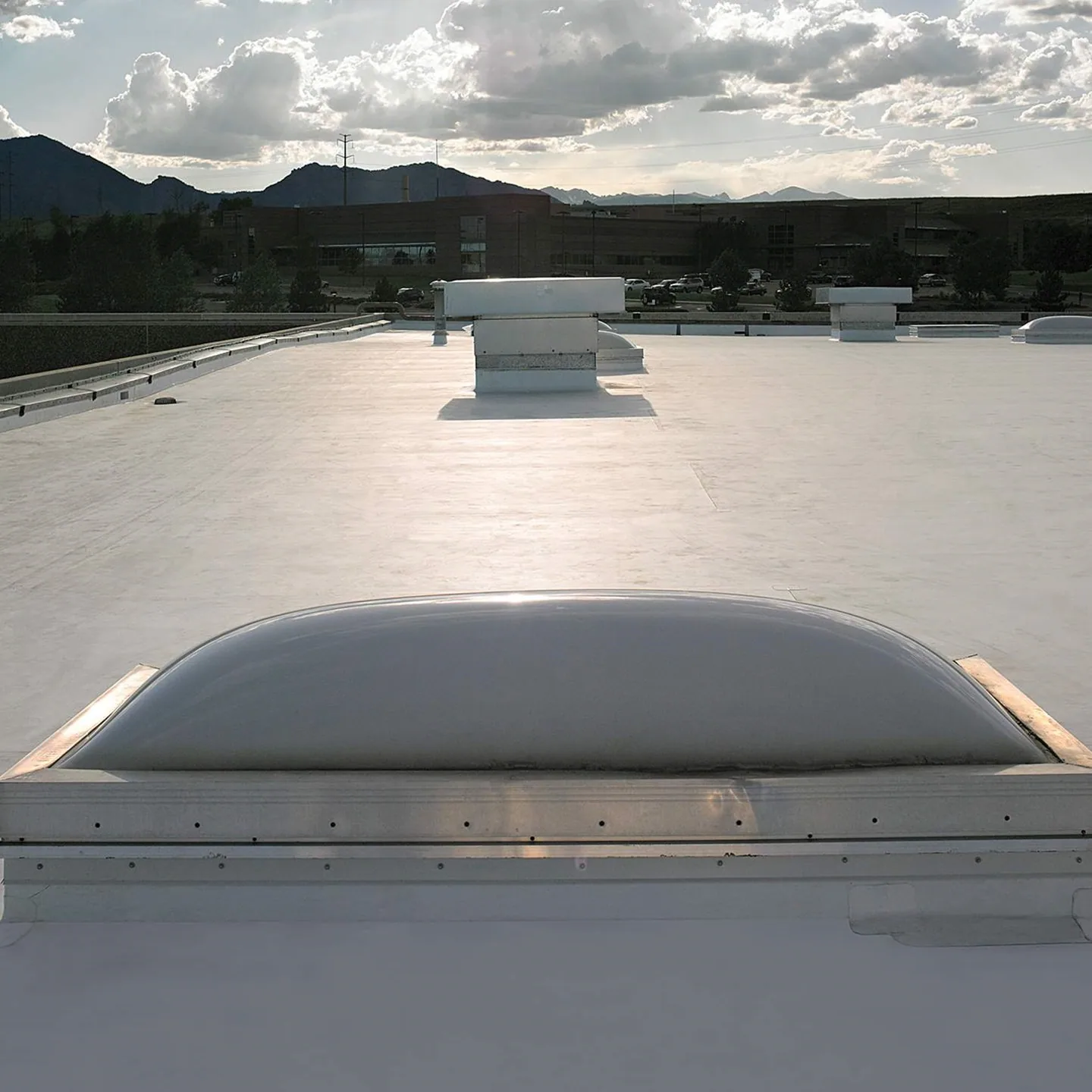

Which membrane and attachment are present?
We review submittals, service records and issued warranty documents, then inspect the membrane surface, seams, penetrations, edge metal, drains and past patches. RubberGard EPDM uses lap and flashing details that differ from welded UltraPly TPO or PVC seams. The attachment method, cover board and insulation also affect how a repair can be prepared. We record the evidence for each roof section and flag any product identification that still needs confirmation. When checking a welded lap, we look for a continuous bond, a clean tie-in and any contamination or prior patch that could affect preparation. At a perimeter, we inspect the termination and metal together, since an edge defect can expose the membrane without starting in the field seam. We note whether access to the full detail was available, and keep any blocked section outside the confirmed repair quantity.
A commercial roof inspection can map visible conditions and create a photo record. Where trapped moisture may change the repair threshold, an infrared moisture survey can help target sample locations. The scan is not a substitute for a core; each opening confirms the material at its own location. The resulting map distinguishes tested areas from surfaces that remain untested and notes any access constraint that limited the inspection.
Can the roof stay in service with a repair?
A single curb flashing or seam defect may support a local repair when surrounding material remains firmly attached and dry. Several failed laps, repeated leak reports or confirmed wet insulation can make a larger review appropriate. We compare the locations, drainage path, surface condition and prior repair history. If removal reveals concealed deterioration, the crew records the opening and measures the added area before requesting approval for work outside the original quantity. A repeat repair at the same location also warrants checking what failed in the previous work: the membrane, a termination, a drain transition or an underlying wet layer. We photograph the old repair and its boundary before removal. The owner can then see whether the proposed action corrects a localized defect or addresses a condition that crosses into another roof section.
Material selection follows the identified system and manufacturer requirements. A repair scope lists each confirmed detail and approved quantity. A replacement evaluation can compare assembly options when the condition extends beyond isolated failures. EPDM and thermoplastic membrane methods are not interchangeable. The same applies at transitions to another product family, such as Johns Manville systems or Sika Sarnafil roofing; the detail is reviewed at the seam where materials meet.
What changes repair cost and timing?
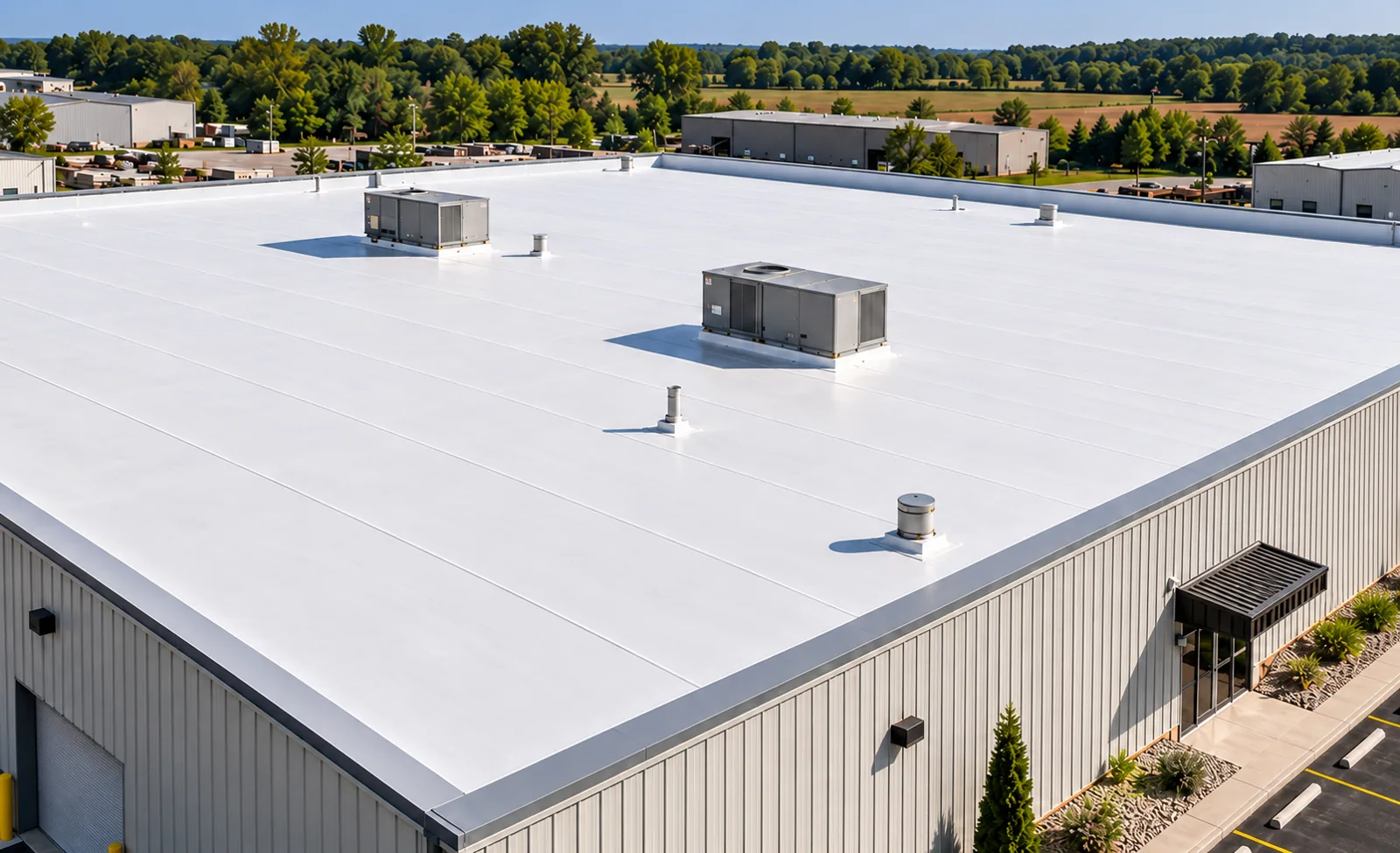
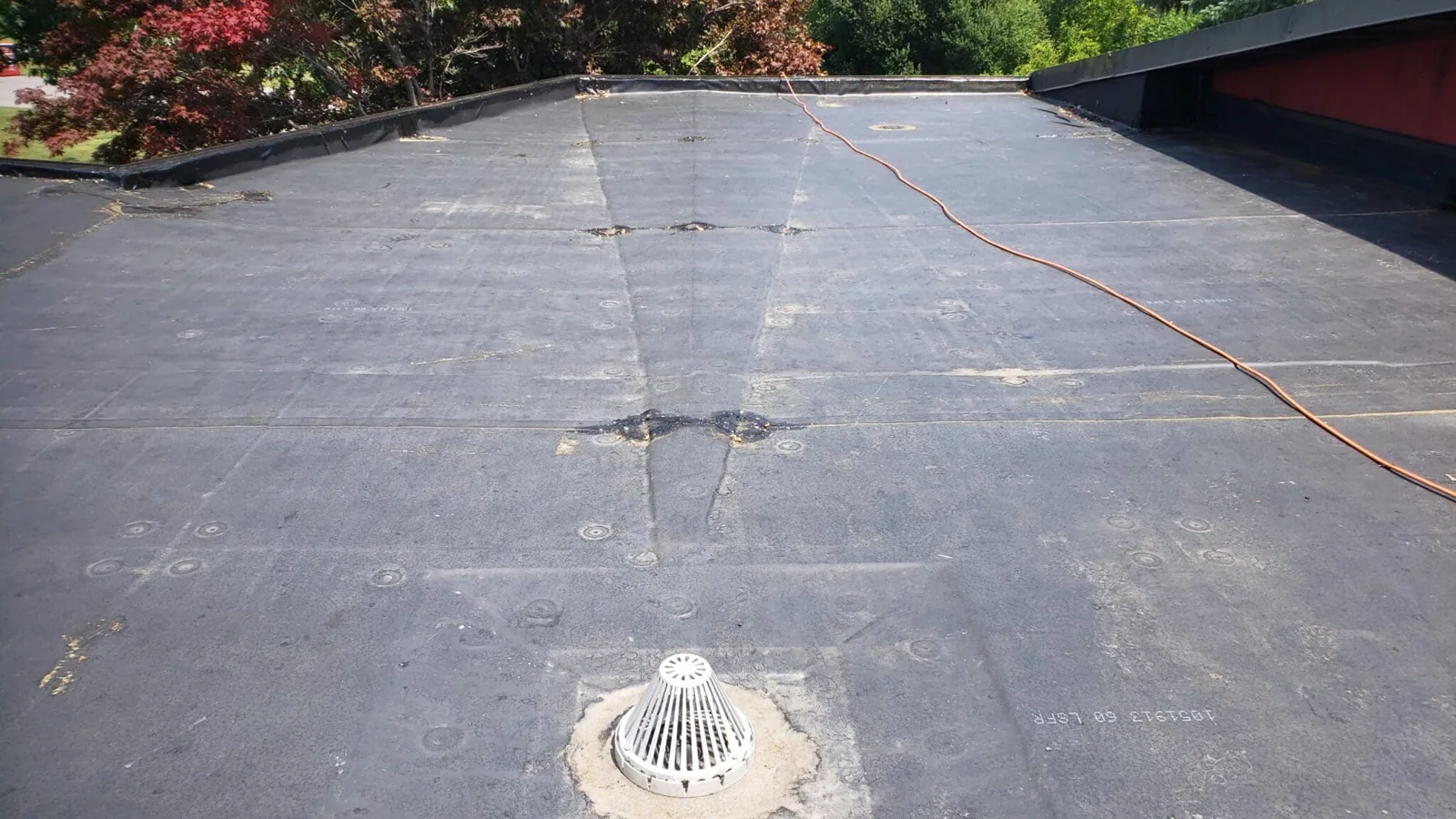
Repair cost follows the measured area, access, preparation, material and number of details rather than the product name alone. A clear roof map can shorten the time spent confirming locations, while blocked access or a wet insulation layer may change work sequence. We identify whether the proposed quantity includes membrane, flashing, cover board or insulation. Any allowance for concealed conditions is stated separately, so an owner can compare the base scope with the potential change before approving the work. A second visit can compare measurements and photographs from the same access points.
For replacement, tear-off depth, deck condition, edge transitions, rooftop equipment and staging can affect both budget and the season window. When a replacement changes insulation depth or roof height, we identify the project review items for that assembly and coordinate required documents before construction proceeds. The facility can compare staging needs, sequencing, and operational disruption against the budget window before approving the work. The capital plan can place repair and replacement candidates against the facility's funding calendar without treating an inspection note as a bid.
How should the roof record be maintained?
Keep the roof plan, system and attachment information, test locations, service invoices, approvals and completion photos together. Label the affected roof section and note the actual material used, repair date and quantity. If the owner holds an issued manufacturer's warranty, include its terms and contact details; coverage depends on that document and its issuer. A condition record can preserve the findings and show which surfaces were not opened or could not be reached.
The Fox Valley commercial district near I-88 and Route 59 has different access conditions from the industrial properties around Sugar Grove's Dugan Road and US 30. Both can involve tenant, delivery or equipment coordination, but they do not establish the membrane on any particular building. The Fox Valley Mall area and the Sugar Grove industrial area identify two service locations for scheduling. The site contact and current roof file should define the inspection sequence.
How do you tell whether the roof is EPDM or TPO?
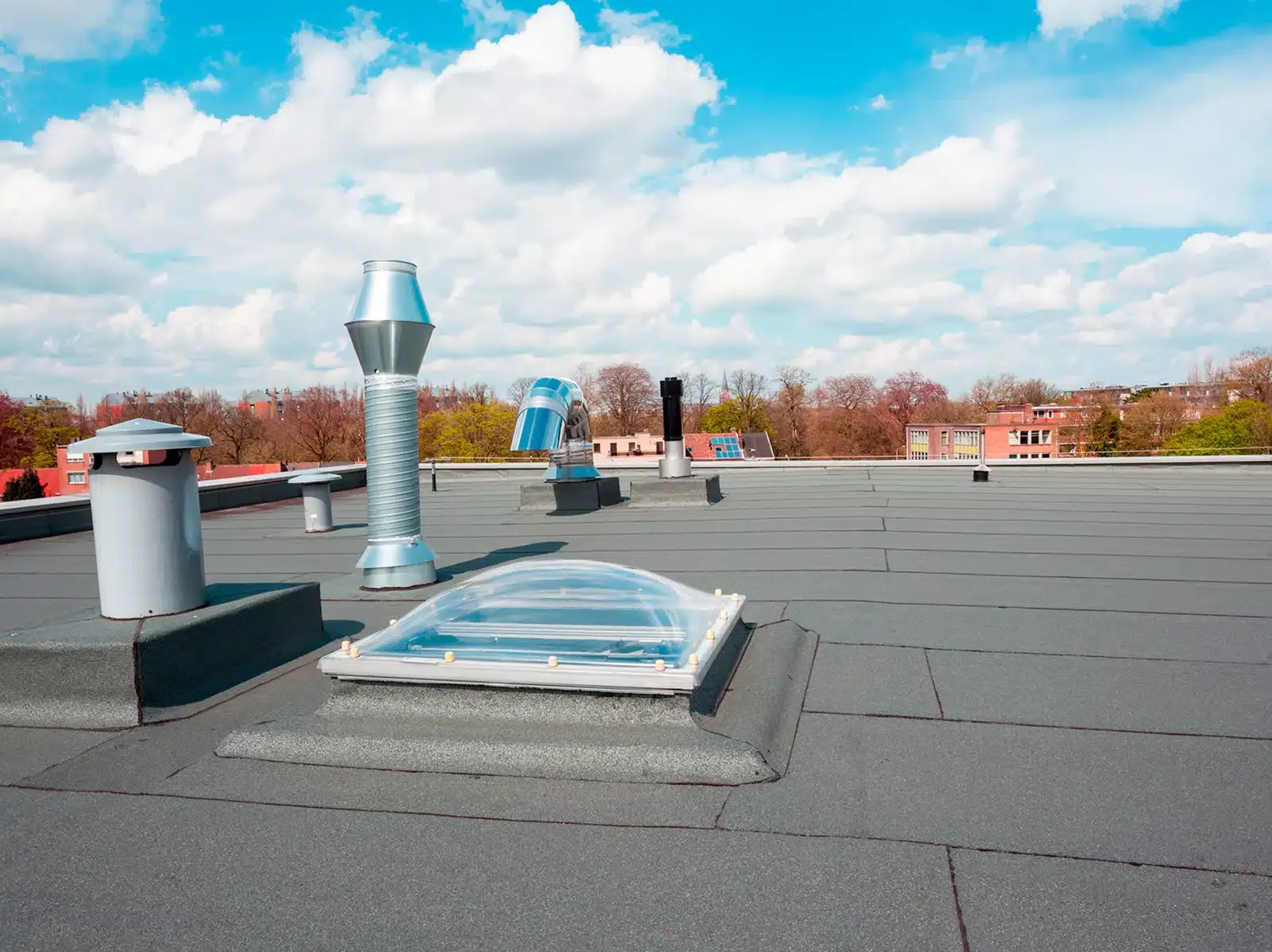
We compare available submittals and product records with visible markings, seam construction, flashings and attachment details. RubberGard EPDM and UltraPly TPO require different repair methods. When the field evidence does not confirm the system, we state the open question before selecting a product or pricing the work.
Can a lifted membrane edge be repaired locally?
A local repair may fit when the membrane, fasteners or adhesive, and adjoining metal remain suitable beyond the visible opening. We inspect the full perimeter and check for moisture or movement that could extend the affected area. The repair boundary follows confirmed conditions and approved quantity.
Will an infrared survey confirm moisture under the membrane?
An infrared scan can identify thermal patterns that help select test points, but a core or other approved test is needed to confirm conditions below the surface. We mark the tested area and leave the rest identified as untested. That distinction keeps a scan result from expanding the replacement quantity by itself.
What records matter after a roof repair?
Retain the roof section map, before-and-after photos, repair material, approved quantity, work date and any test results. Add the issued warranty document if one applies, along with the issuer's contact and actual terms. Those records make later condition comparisons more useful.
Request a Roof Assessment
Share the Aurora address, available manufacturer submittals, roof plan and leak history. We can inspect the roof section, identify test limits and prepare a repair or replacement quantity from documented conditions.
Call 555-555-5555 or send the form and we will set a time to walk the roof.