Soprema Commercial Roofing in Aurora, IL
Roofing Manufacturers
Identify the Soprema materials before pricing work
A lap that opens beside a Soprema flashing detail needs more than a product name before it can be priced. We identify the installed assembly, inspect the adjacent surface and map the confirmed roof section. Soprema's commercial range includes SBS-modified bitumen, synthetic PVC single-ply membranes and liquid-applied flashing materials. Those families use different preparation and repair methods, so the field review records the material before setting a quantity.
Aurora's normal July high is 83.9°F, and the city averages about 12 days above 90°F annually. Summer heat can affect access and surface preparation, while repeated freeze-thaw conditions put attention on laps and transitions. Downtown Aurora includes historic commercial buildings and adaptive reuse; Fox Valley Mall and adjacent commercial properties occupy a roughly 195-acre subarea guided toward connected redevelopment. We use these locations as portfolio context, not as a claim about any specific roof assembly.
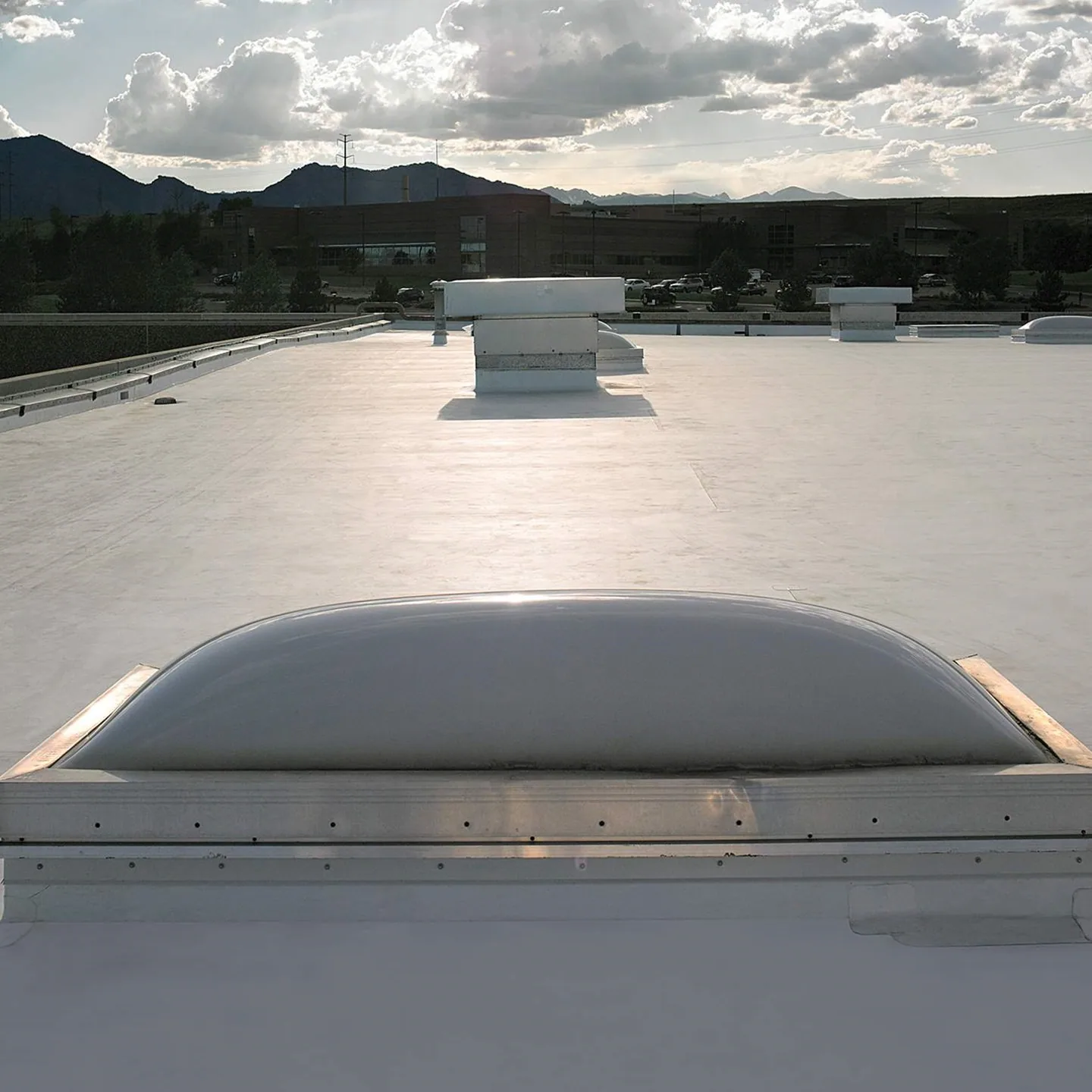
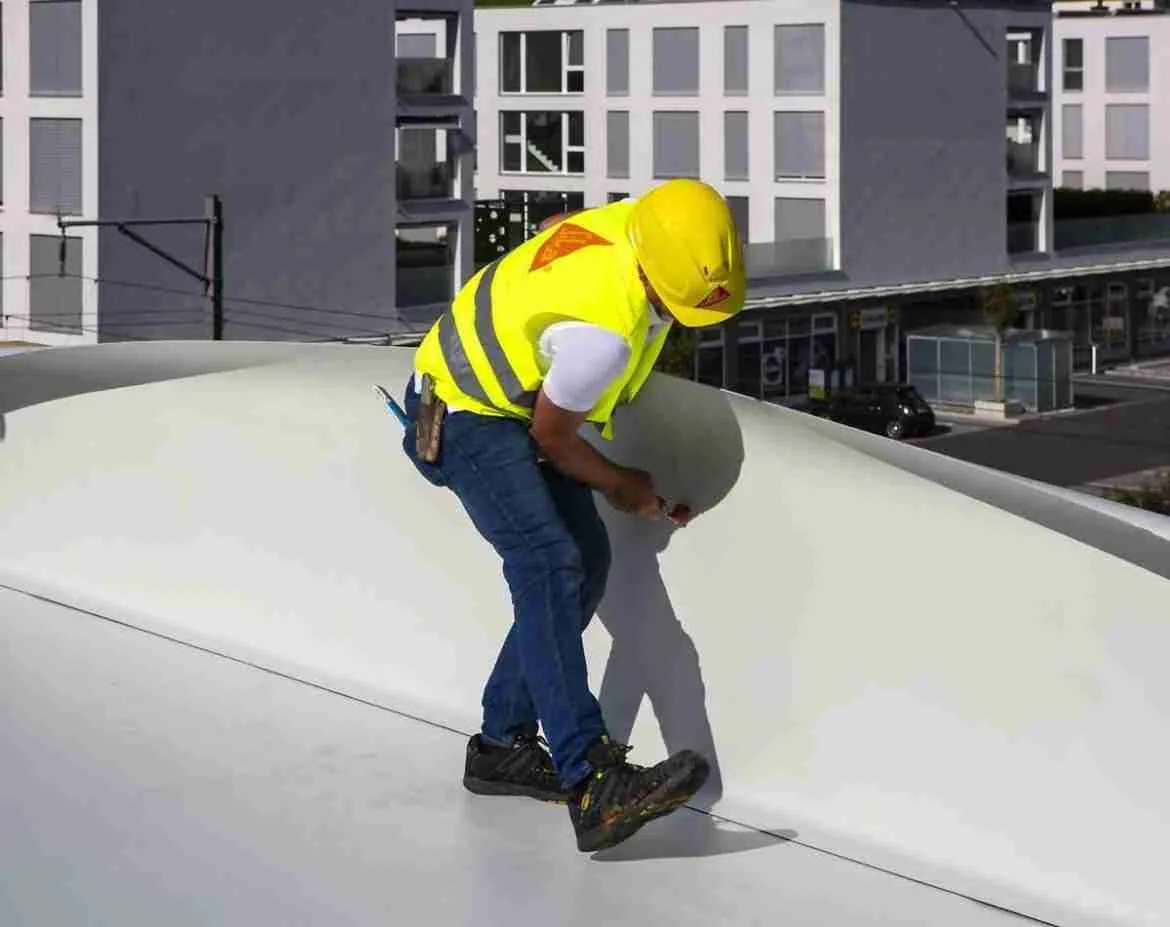
Which Soprema roof system should the inspection identify?
We review submittals and service records, then compare them with visible roll markings, lap construction, membrane seams, flashings and roof transitions. Modified bitumen requires a different repair review from PVC single-ply, while liquid-applied materials depend on their underlying substrate and preparation. The condition report notes the installed layer where identifiable and keeps unconfirmed materials separate. It also shows roof access limits and whether old repairs cross into another roof section. A membrane change, surface coating or prior overlay can hide the original layer at a repair edge, so we compare the exposed profile with the building file before assigning a product. We inspect fasteners, laps, terminations and nearby mechanical work that could have disturbed the roof. If the system cannot be identified from visible evidence, we list the missing information and avoid extending the repair boundary by assumption.
A commercial inspection records visible conditions and prior patch boundaries. If moisture below the roof may change the repair threshold, an infrared survey can help select test locations. A scan indicates patterns, not a confirmed wet quantity; each approved core represents only its sample point. The marked report distinguishes tested, viewed and inaccessible areas so an owner can connect the proposed work to the evidence.
Can the Soprema roof be repaired or restored?
A small opening can support a limited repair when material around the detail remains sound and moisture testing does not show a broader issue. Repeated lap failures, deteriorated flashing or wet insulation may justify a larger review. We inspect the adjoining field, edge conditions, drains and prior work before extending the quantity. If tear-off exposes hidden damage, photographs and measurements are captured before additional work is proposed for approval. Where the same leak has returned, we map the previous patch and examine the material beyond its perimeter. A new opening may reveal an unbonded edge, a substrate that no longer holds repair material, or moisture extending past the visible mark. Those observations affect whether the recommendation stays limited to a detail or moves to a roof-section evaluation. Measurements and photographs provide the basis for any proposed expansion.
Repair preparation must match the identified Soprema system. A repair scope lists the confirmed detail, quantity and material. A restoration review checks substrate condition and compatibility before a coating or liquid-applied layer is considered. SBS-modified bitumen and PVC do not receive the same repair detail. At a transition where different membrane systems meet, we inspect the joint and document which assembly continues across the roof. A Versico membrane or Sika Sarnafil PVC system is identified from field evidence before we specify a tie-in detail.
What changes restoration cost and sequence?
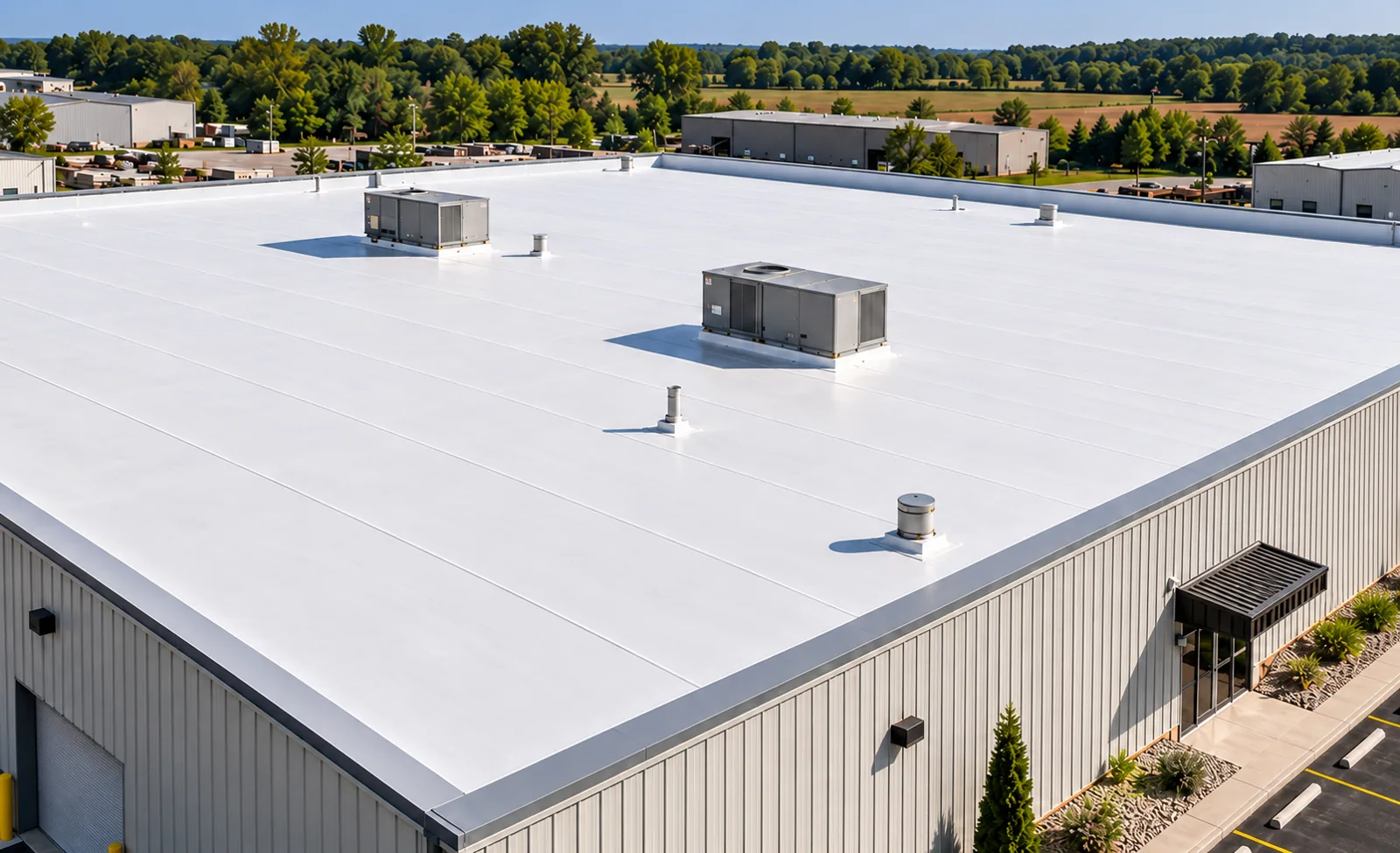
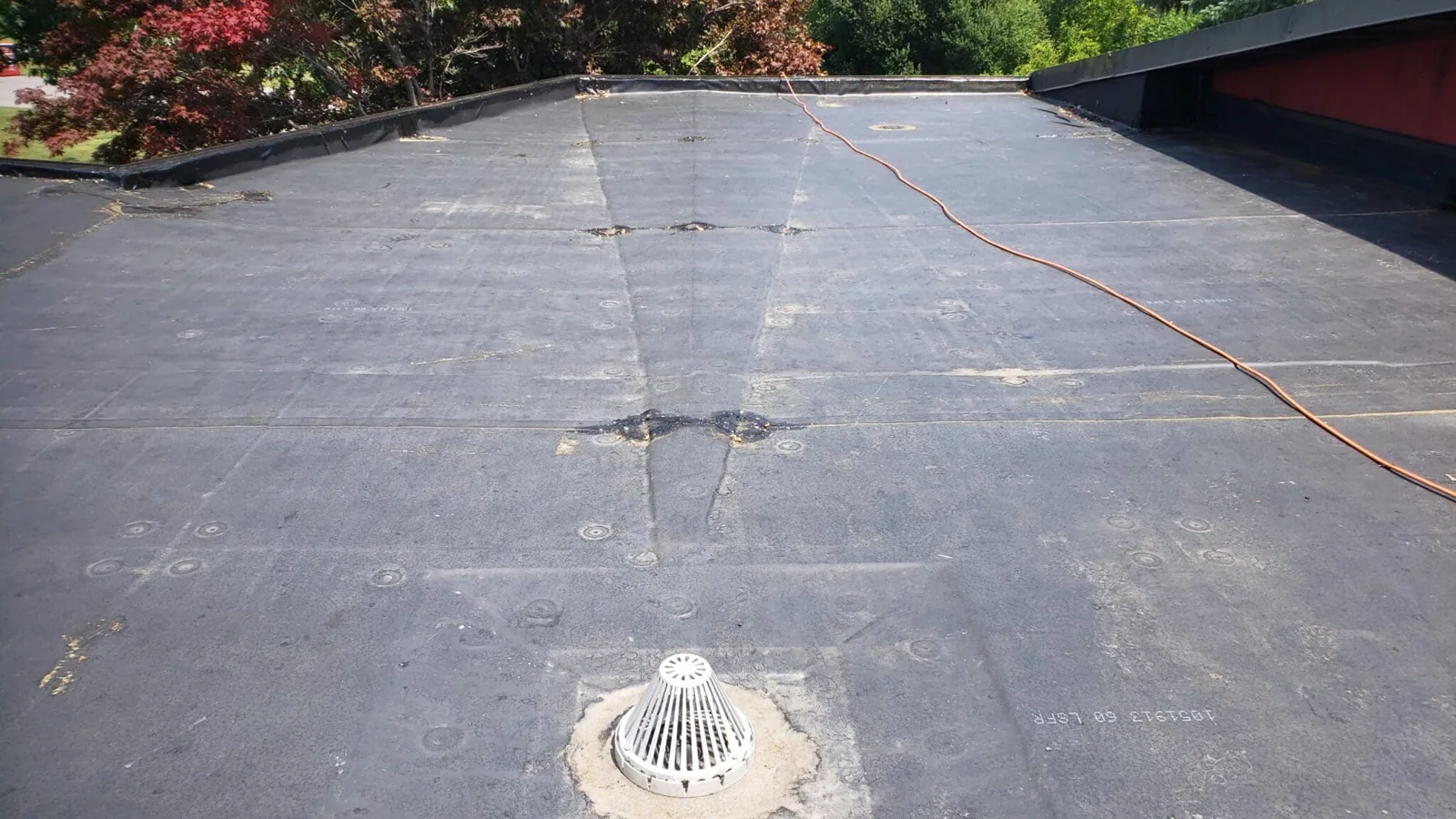
The affected area, substrate, number of penetrations, edge treatment, access and preparation time drive the repair quantity and schedule. A liquid-applied detail may require a dry substrate and controlled application conditions; a membrane repair requires material-specific seam or lap preparation. We separate these work items so the facility contact can compare labor, material and testing rather than receive one allowance that hides the source of the cost.
For an overlay or replacement, existing layers, wet insulation, roof height, drain elevations and tie-ins affect what can remain. The Illinois amendment to the 2024 Energy Conservation Code applies to covered commercial work from November 30, 2025; the permit team confirms scope applicability. The city's 2024 I-Series codes took effect January 1, 2026. We identify project review questions for the building and scope before work documents are finalized, and keep code considerations separate from a membrane-condition finding.
How should Soprema roof work be recorded?
Keep the roof plan, product and layer information, prior repairs, test map, approvals, repair quantities and closeout photographs together. Record whether the work addressed PVC, modified bitumen or a liquid-applied detail, then mark each roof section as repaired, monitored or untested. If an issued warranty exists, preserve its actual terms and issuer contact. A material label cannot determine coverage or replace the inspection history. Closeout also records what was not included. A test boundary, inaccessible curb or area left for monitoring should be visible on the roof plan, with a date for review where one is appropriate. This prevents a future work order from treating an unresolved condition as repaired and gives facilities staff a consistent baseline for comparing later service notes.
Route 59 and I-88 connect Aurora's Fox Valley retail area with the western suburbs, while Downtown Aurora has a distinct commercial and adaptive-reuse setting. The Fox Valley Mall district is a roughly 195-acre subarea designated for connected development nodes and mixed uses. Downtown Aurora combines historic commercial buildings with adaptive reuse. This is portfolio context; the building file sets the repair sequence. A condition report carries findings forward so the next visit can compare the same lap, drain and flashing.
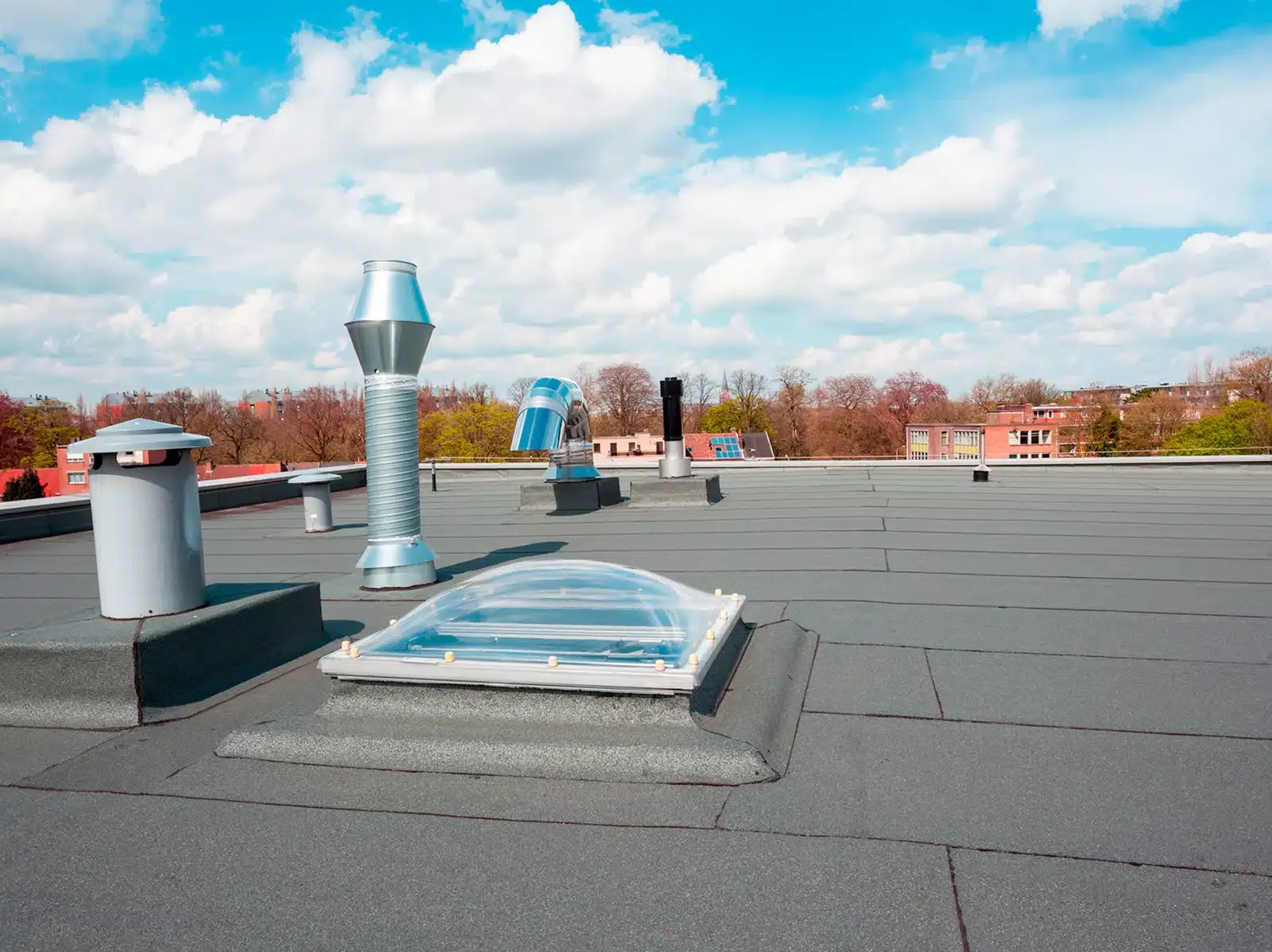
Which Soprema commercial roofing materials can you inspect?
We can inspect the installed assembly when it is identified in records or visible details. Soprema's range includes SBS-modified bitumen, PVC single-ply and liquid-applied flashing materials. Their seams, surfaces and repair methods differ, so we confirm the specific material before preparing a work scope.
Can a Soprema liquid-applied flashing repair cover a larger area?
The proposed area should follow the detail condition, substrate and application requirements. We inspect where the flashing terminates, whether the substrate is sound and whether moisture is present. Any broader treatment is separately measured and approved rather than extended from a small opening without review.
Does an infrared scan confirm a wet Soprema roof?
A scan can help direct additional testing, but it does not confirm wet insulation by itself. We identify the thermal pattern, select sample locations where appropriate and mark the area actually tested. Roof sections outside those test points remain identified as unconfirmed.
What should go in the file after Soprema roof work?
Save product identification, the roof plan, repair method, measured quantity, before-and-after photographs, test results and completion date. Keep issued warranty papers and any issuer correspondence with the same record. The next inspection can then compare the same detail with its prior condition.
Request a Roof Assessment
Send the Aurora address, available Soprema records, roof plan and repair history. We can inspect the assembly, map test boundaries and document a compatible repair, restoration or replacement scope.
Call 555-555-5555 or send the form and we will set a time to walk the roof.