Commercial Roof Coating Restoration in Aurora, IL
Commercial Roofing Services
Test the roof before choosing restoration
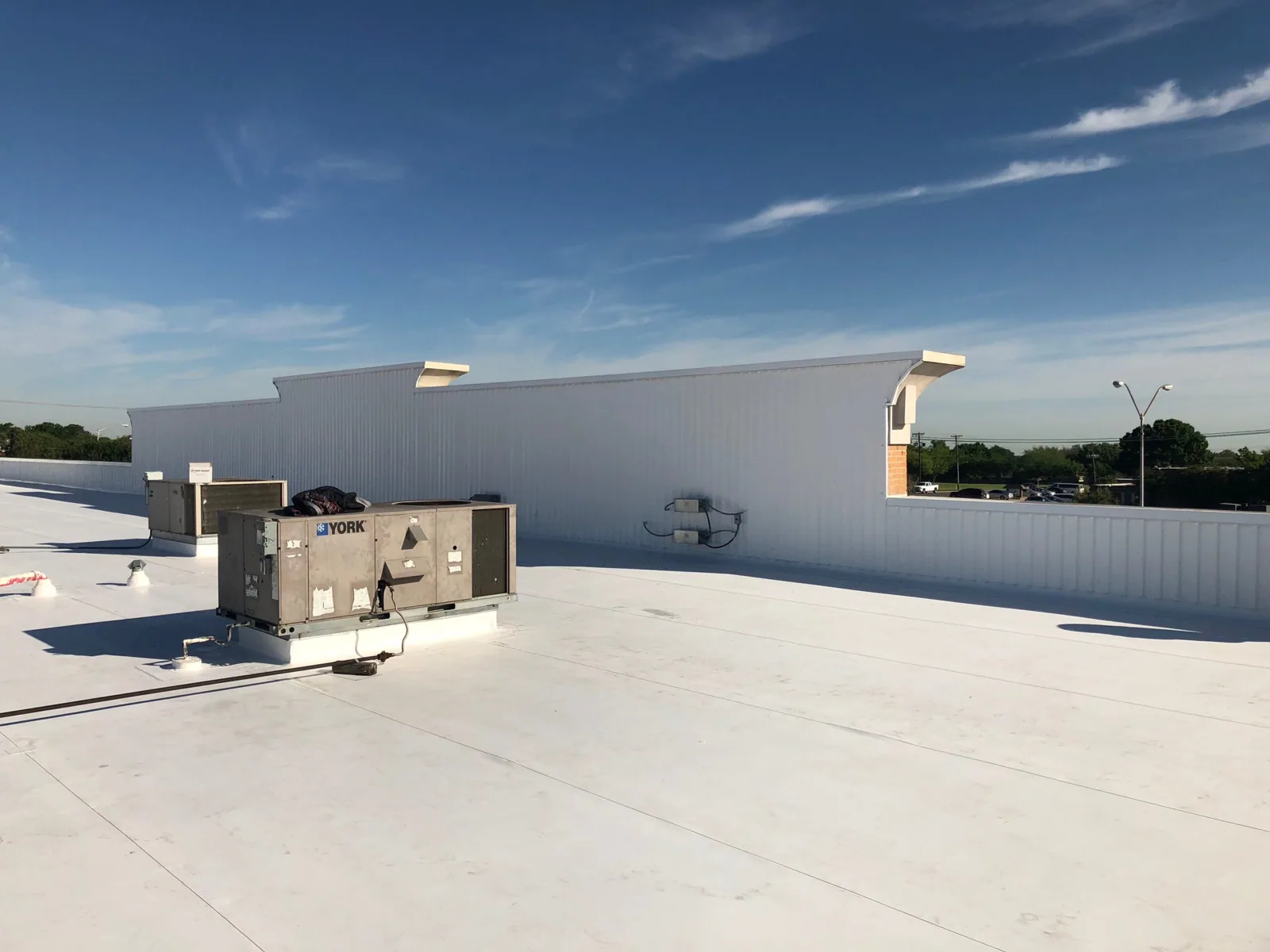
Chalk that wipes from a coating is a surface clue, not proof that the roof can accept another layer. We check adhesion, membrane condition, seams, flashings and drainage before comparing a restoration system with repair or replacement. The existing roof must be stable, dry enough for the specified assembly and compatible with the proposed coating. Aurora's summer heat and average of about 12 days above 90 degrees each year put added exposure on roof surfaces. A roof inspection establishes what needs testing before material is selected.
Near Route 59 or the Naperville I-88 corridor, work staging may involve occupied retail, office or research properties. Those districts provide portfolio context, not evidence about a particular roof's coating history. We document the actual substrate, prior applications, repairs and wet areas by roof section. The resulting record separates confirmed defects from assumptions and sets a repair threshold for coating. That evidence tells the facility director whether restoration has a credible path or only delays a needed replacement.
Commercial Roof Inspection
Route 59 and 75th Street Corridor
Naperville I-88 Business Corridor
Commercial Roof Drains and Scuppers
Commercial Silicone Roof Coatings
Commercial Acrylic Roof Coatings
Occupied Commercial Building Reroofing
Commercial Roof Condition Reports
Commercial Roof Capital Planning
What condition must the coating cover?
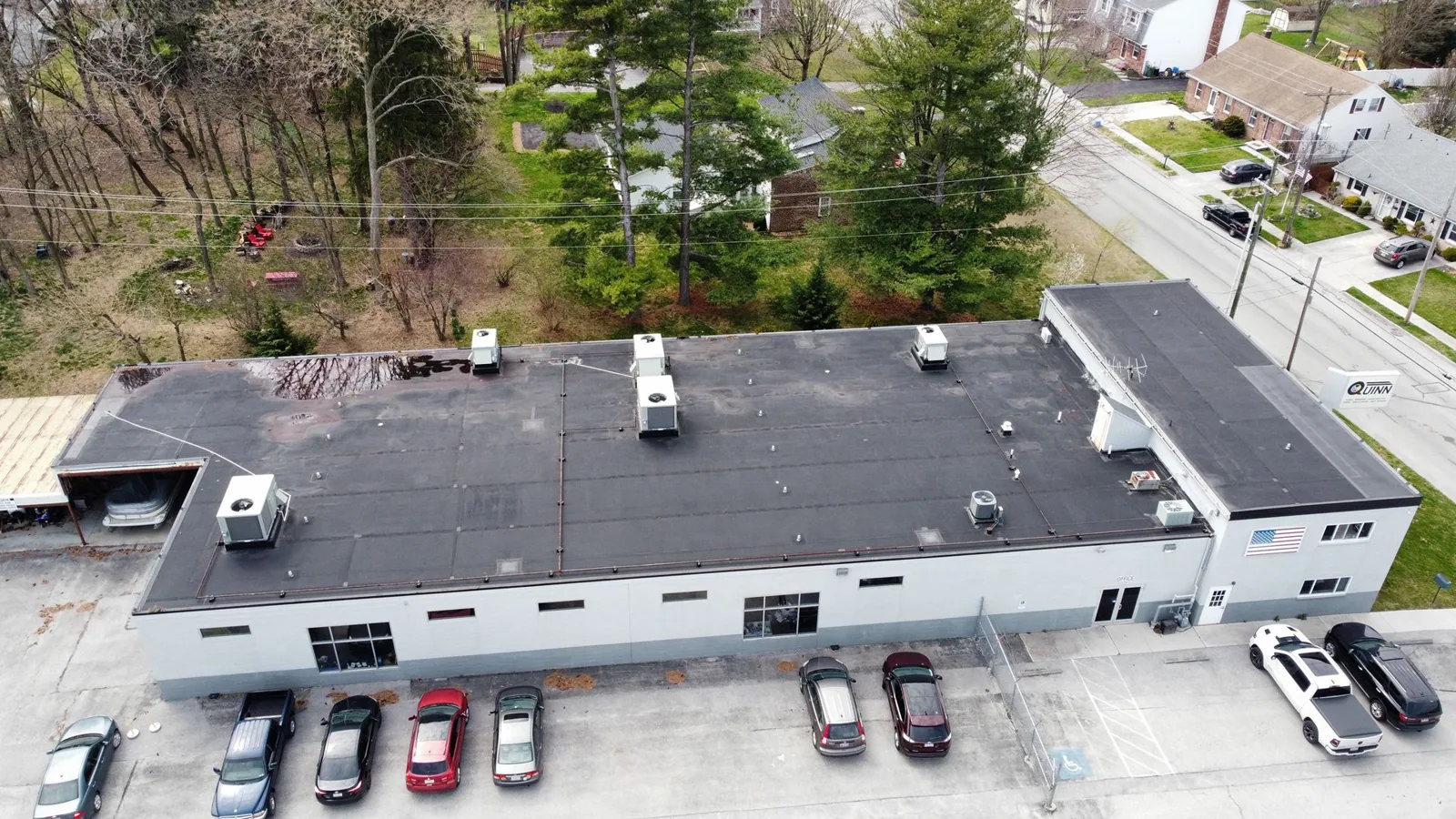
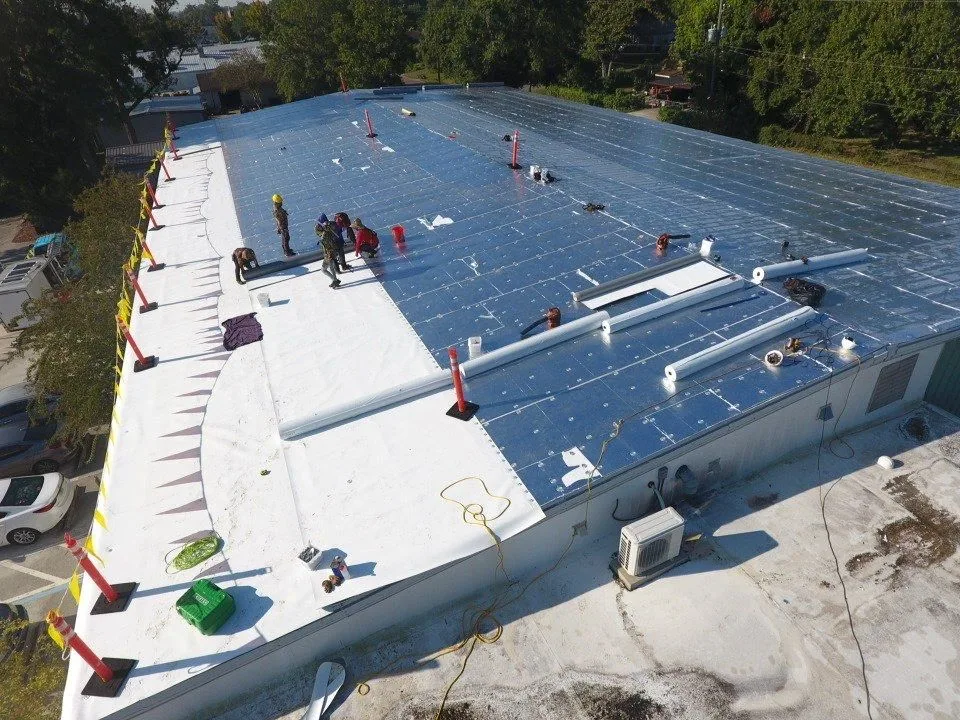
A coating cannot stabilize a roof assembly that is already failing underneath it. We check for open seams, loose membrane, blisters, punctures, wet insulation and deteriorated flashing, then map each finding to its section. Suspected moisture needs testing before it is sealed in. Existing coating layers also need identification because adhesion and compatibility vary by chemistry and condition. We use a test patch or manufacturer-directed adhesion method where appropriate, and record the result rather than infer bond from appearance alone.
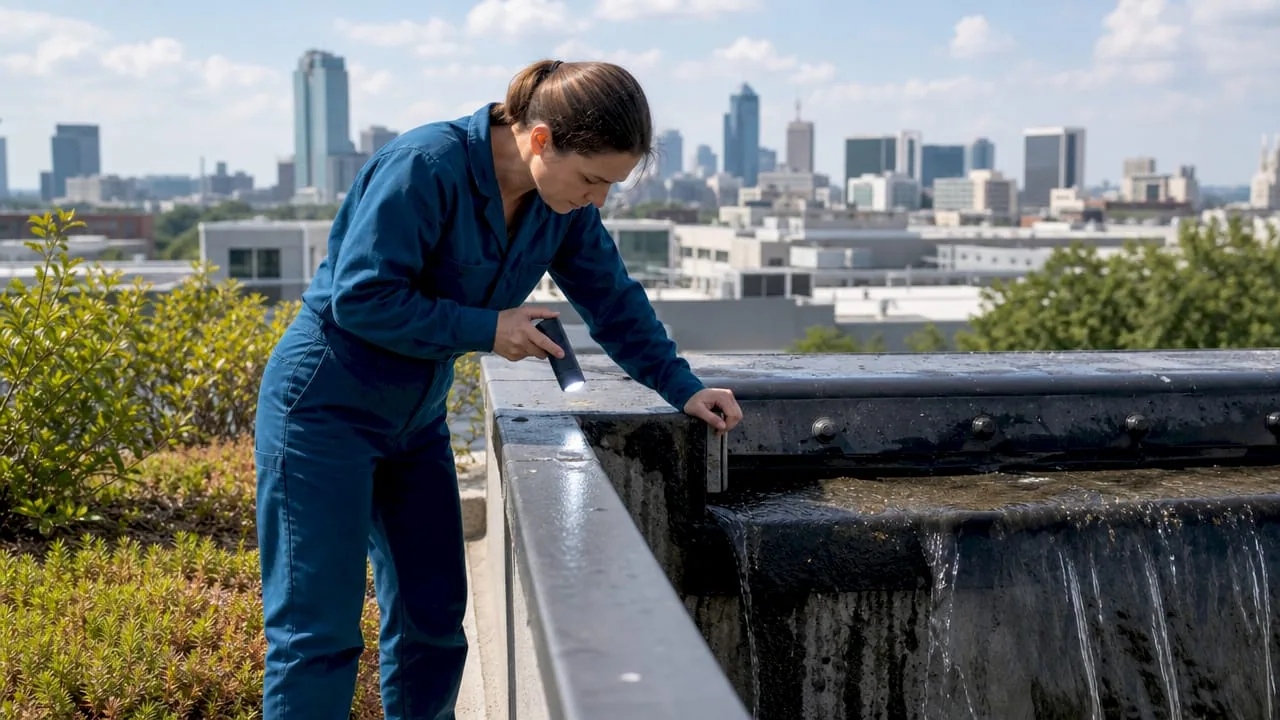
The roof also needs workable drainage. Ponding can keep water against seams and details, while debris can hide defects near drains and scuppers. We clear or note obstructions, inspect low areas and trace outlets before deciding whether a coating scope includes drainage corrections. A drain and scupper review can identify work that should precede application. The approved scope corrects confirmed leak paths and compromised insulation before coating, and separates preparation, substrate repairs and coated area.
Which restoration system fits the roof?
Silicone and acrylic systems respond differently to water exposure, substrate, slope, expected maintenance and installation conditions. We compare product requirements with the roof's measured condition and the owner's goals, then identify primer, reinforcement and coating thickness as specified by the manufacturer. A high-solids silicone system may be considered where water exposure is part of the design evaluation; acrylic choices require attention to drainage and application conditions. The recommendation names the system and its limits instead of presenting all coatings as interchangeable.
Details drive performance as much as field coverage. We inspect seams, penetrations, curbs, edge metal and transitions, then show how each will be prepared and reinforced. A facility with active equipment service should coordinate access so later work does not damage the finished surface. Aurora's repeated freeze-thaw exposure can stress repairs at transitions where water enters and expands. We use a silicone coating specification or an acrylic coating assembly only when the tested roof and manufacturer instructions support it.
What sets the approved coating quantity?
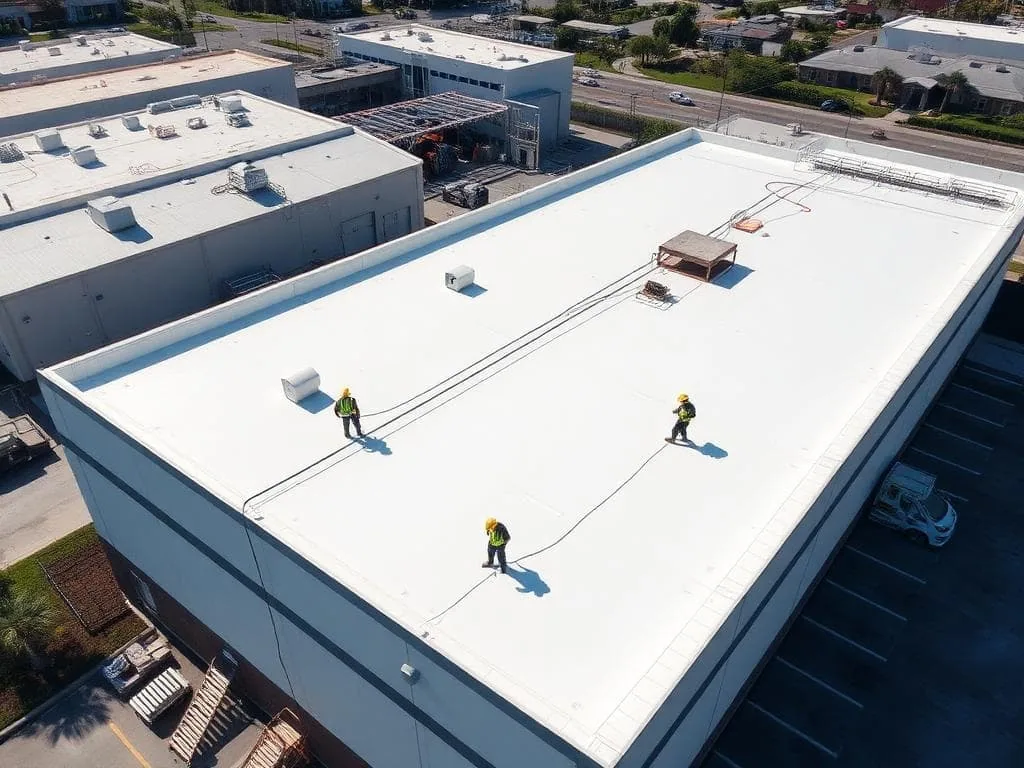
Budget depends on preparation, repairs, test areas, primer, reinforcement, application rate, access and the number of details that need treatment. We mark the measured roof area and list each repair allowance separately, with its basis. If moisture testing or adhesion results change the plan, the owner can compare the revised quantity with the initial scope. This record also makes coating easier to compare with a replacement or recover assessment.
Schedule follows surface readiness and weather limits in the system specification. Aurora receives about 37.7 inches of precipitation annually, with higher monthly totals from May through September. Rain, dew, surface temperature and cure time can affect when each area is coated and protected. We sequence the work to avoid leaving prepared sections exposed and identify how operations will continue during access restrictions. If the building is occupied, an occupied-roof work plan can align deliveries, odor considerations and equipment access with the facility contact's calendar.
How do we know the work is complete?
The scope should state preparation steps, repair quantities, selected product, number of coats, target coverage and inspection points. During installation, daily records identify weather, areas completed, surface preparation and any condition that differs from the approved plan. We photograph representative details and repair locations, note wet-film or dry-film checks when required by the specification, and keep exceptions attached to their roof sections. That evidence provides a closeout record the owner can use for future maintenance and warranty documentation, without implying a result that was not measured.
At closeout, we review seams, edges, penetrations, drains and terminations, then list maintenance items and the next portfolio date. A coating may extend a roof's service period when the assembly qualifies, but it does not remove the need for inspections or future repairs. Northern Illinois severe storms include damaging hail and tornadoes, so post-event review can be appropriate if the facility lies in an affected area. Our condition report distinguishes visible coating damage from suspected concealed moisture and gives the maintenance team a traceable record.
How can restoration fit a capital cycle?
Coating can be a capital choice when the roof remains a sound candidate and the scope can be clearly measured. We compare preparation and repair cost drivers with the expected work sequence, remaining unknowns and the facility's target season window. A tested section should not be generalized to untested areas. If the roof contains wet insulation, widespread bond failure or deck concerns, we show that evidence and compare removal or replacement instead. The facility director can then decide whether to approve a defined restoration quantity or fund additional investigation first.
If restoration changes the roof assembly, confirm review under Aurora's 2024 building series, in force since January 1, 2026, and the commercial energy code. Project-specific review determines how proposed insulation or assembly changes affect compliance and permits. We identify those open items before procurement and coordinate required design decisions with the project team. A roof capital plan can carry the tested condition, approved quantity and unresolved questions into the budget calendar. The same record helps compare coating at Fox Valley properties with work at separate buildings along I-88.
Can a coating go over any existing commercial roof?
No. The assembly needs to meet the chosen system's substrate, moisture, adhesion and drainage requirements. We inspect and test the existing layers, repair confirmed defects, and list sections that do not qualify. The report distinguishes the coating area from preparation and repair quantities, so approval does not extend beyond the evidence.
How do you decide between silicone and acrylic?
Water exposure, roof slope, substrate, application conditions and maintenance goals shape the comparison. We match those conditions to the manufacturer's written requirements and document the selected primer, reinforcement and application rate. The product name alone does not establish suitability; the roof section and test results do.
Will coating fix ponding water?
A coating protects a compatible surface but does not correct a low area by itself. We check drains, scuppers and slope, then price feasible drainage work separately from field coating. If water remains because of a settled section, that condition should be addressed or clearly retained as a limitation in the approved plan.
What testing happens before restoration?
We inspect the membrane and details, identify prior coatings, and test adhesion where the substrate requires it. Suspected wet insulation may need infrared screening followed by approved cores. Each result is mapped to a roof section, with tested and untested areas kept distinct. That record supports the coating quantity and flags any need for more investigation.
How should a coated roof be maintained afterward?
The closeout file should identify the product, application areas, repairs, inspection points and care requirements. Later visits check for punctures, peeling, open details, drainage blockage and changes from equipment work. Aurora's hail and tornado exposure also makes a condition review useful after a local event that affects the site. The next review date belongs in the asset record.
Request a Roof Assessment
Send the Aurora address, facility contact, roof records and any prior coating information. We will map the sections, document adhesion and drainage findings, and prepare a restoration quantity with its open conditions.
Call 555-555-5555 or send the form and we will set a time to walk the roof.