Aircraft Hangar Roofing in Aurora, IL
Property Types We Roof
Coordinate the roof scope with hangar access
A wet patch near a hangar door can come from the roof edge, door track transition or an interior condensation issue. We inspect the perimeter and adjacent roof field, trace the drainage path and compare the report with the door and equipment details. The finding is recorded by section, with visible damage separated from any moisture that still needs testing. That lets the operator plan a defined repair without assuming the full hangar roof has failed.
Aurora Municipal Airport sits beside commercial and industrial areas linked by US 30, Route 47 and I-88. That regional access can matter for equipment and material delivery; the hangar operator's airside rules, aircraft movement plan and escort requirements set the site sequence. Large doors, rooftop exhaust and long membrane runs each need inspection at their own transitions. Aurora's summer storms and repeated winter freeze-thaw cycles make secure drainage and durable edge details part of the maintenance record.
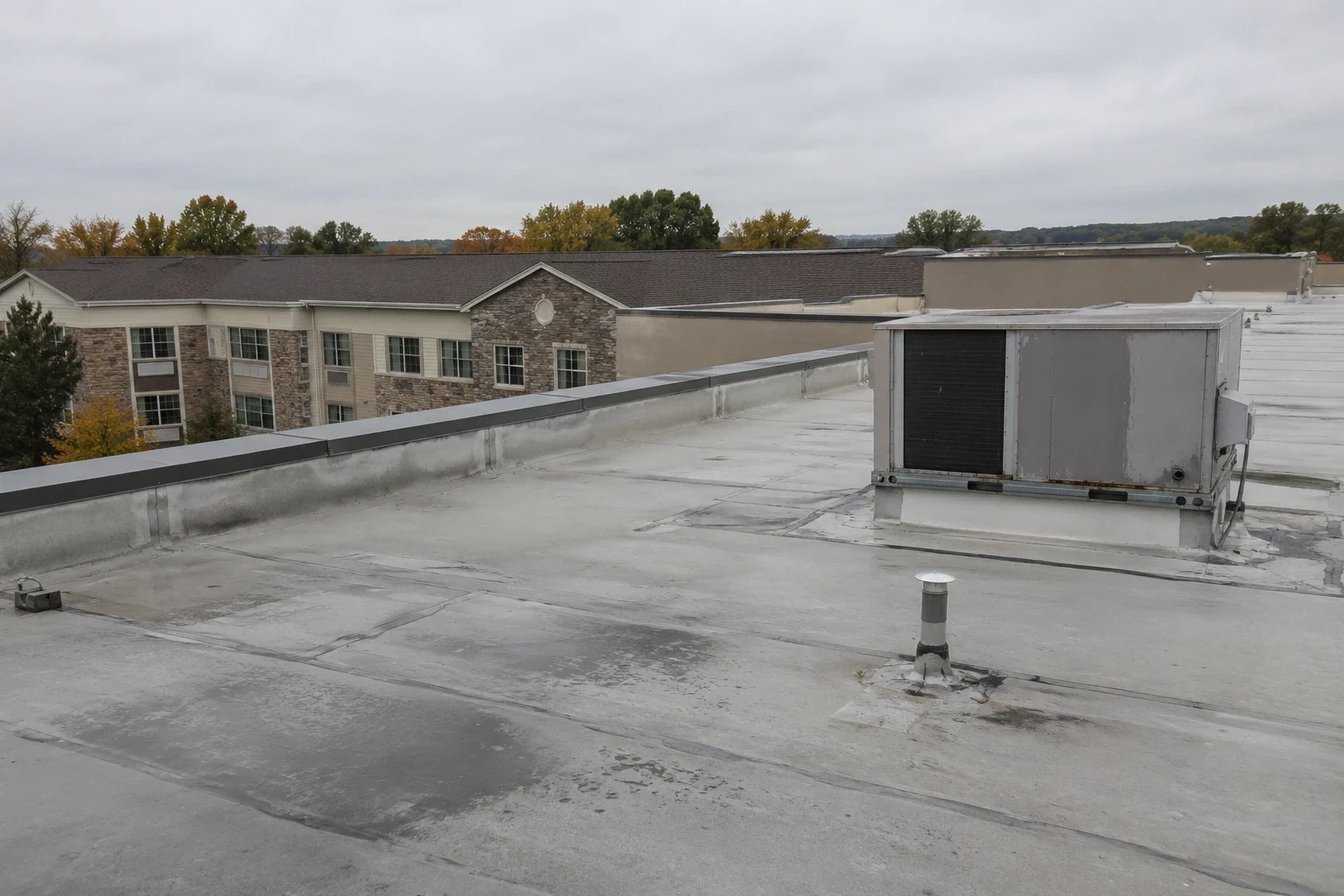
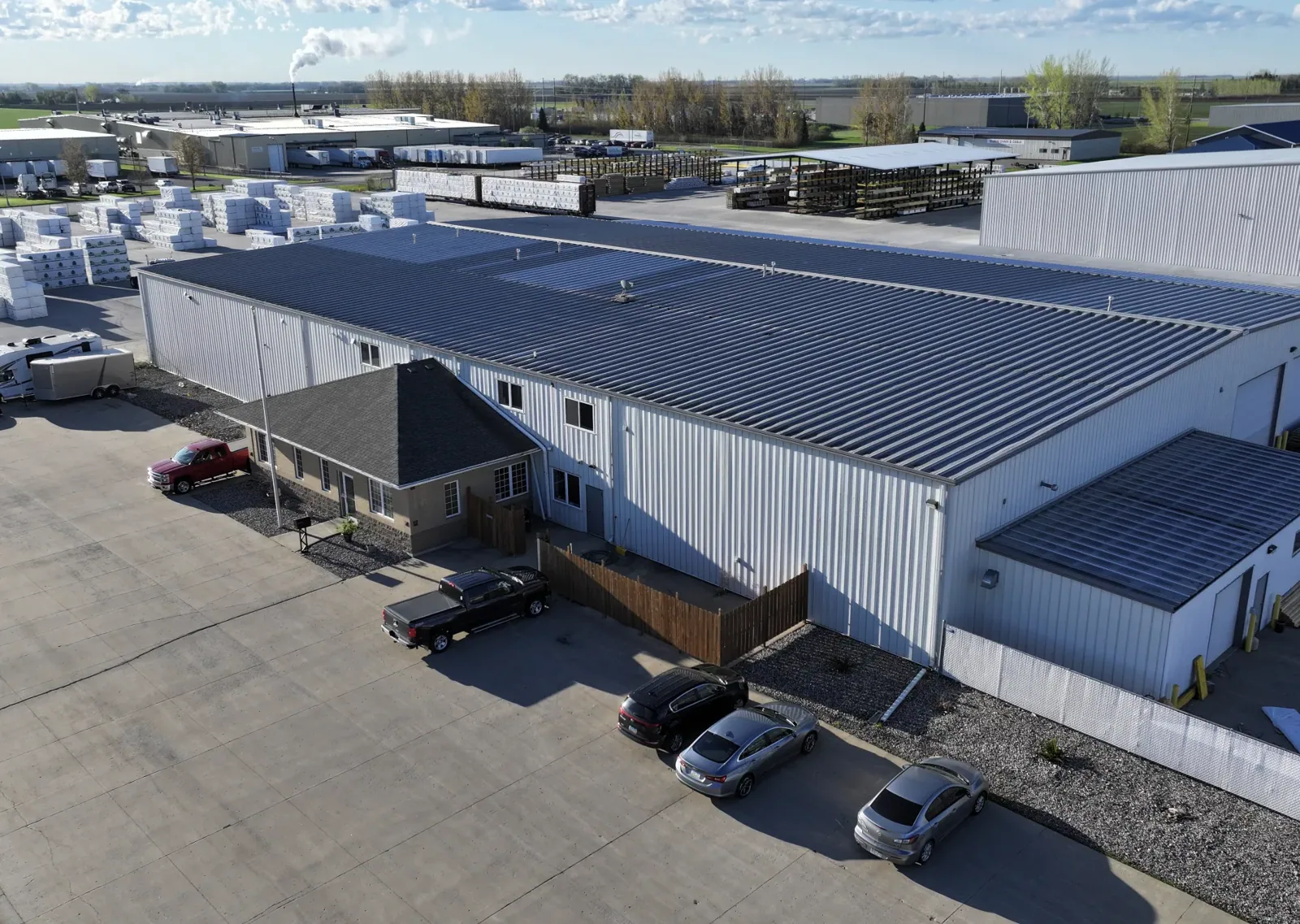
Does water enter at the door or roof field?
We inspect the hangar door perimeter, flashing, fasteners, roof seams, drains and previous patches, then compare those details with the reported interior location. Wind-driven rain near an opening may follow the door assembly, while a roof leak can travel along the deck before reaching the floor. We note which transition was observed and what requires access from the door contractor. The report keeps building-envelope and roof findings distinct so the repair can be assigned correctly.
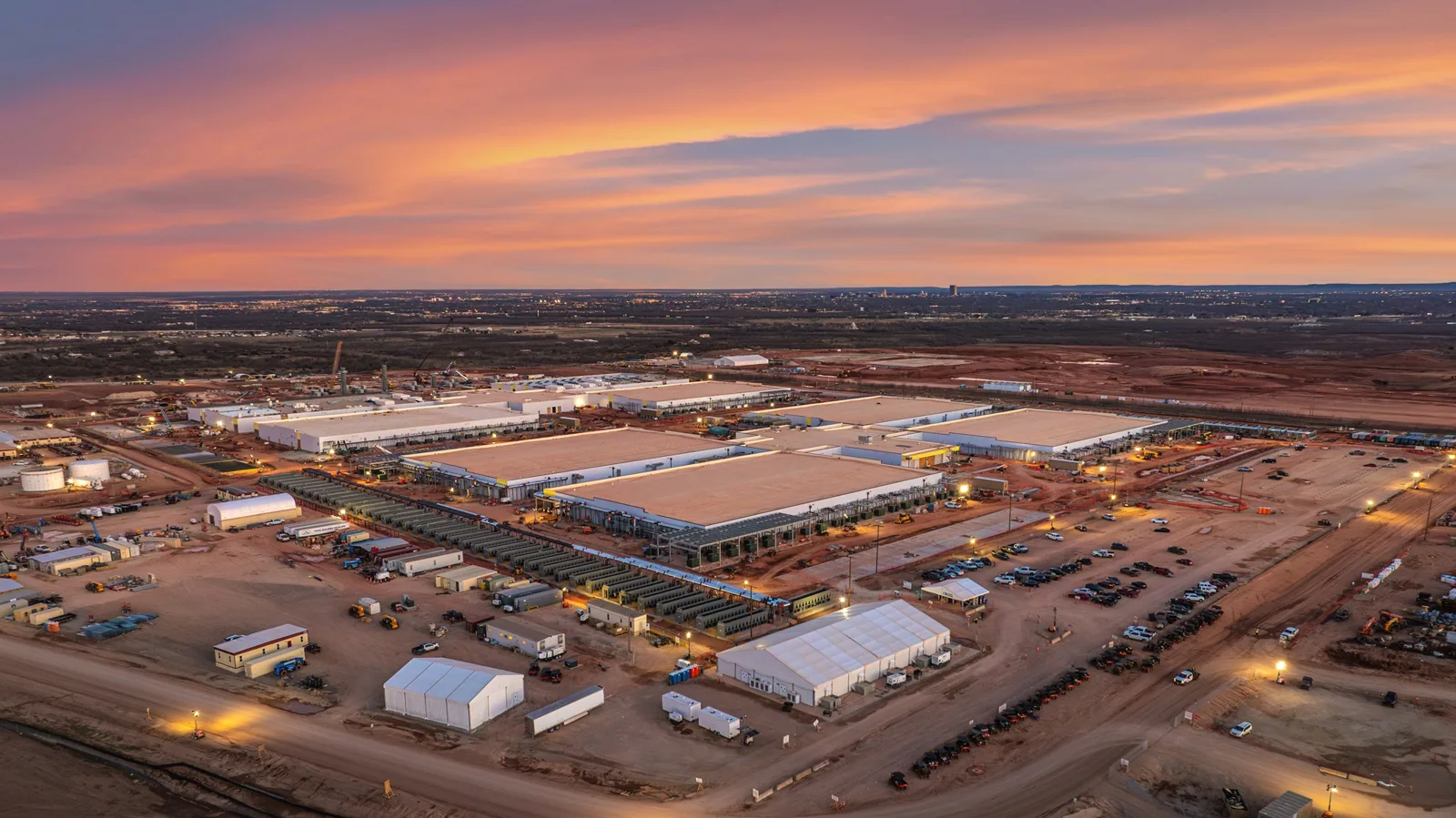
A wide roof field can contain multiple slopes, drains or material transitions. Where moisture may be trapped below the membrane, infrared readings can guide selected core tests but cannot confirm the entire field. We map tested locations and separate the result from untested sections. A drone inspection can document broad or difficult-to-reach surfaces, followed by hands-on review of seams, edges and penetrations that need close examination.
What access limits apply around aircraft?
The operator identifies hangar occupancy, aircraft parking, door cycles, fueling or maintenance restrictions, airside access rules and escort contacts before the work plan is approved. We define the active roof area and material staging point, then coordinate lifts and deliveries around aircraft movement. If a door must remain closed during work or a bay has to be cleared, the schedule names the responsible contact and expected duration. These controls belong in the work sequence before materials are moved.
Aurora averages about 37.7 inches of annual precipitation. Monthly totals near four inches from May through September make a verified dry-in boundary important when roofing work opens a section. We protect drains from debris, secure materials and check all tie-ins before pausing. Winter cold also affects preparation and cure for many products. A daily handoff records which section is closed, what remains open under protection and whether another access window is needed.
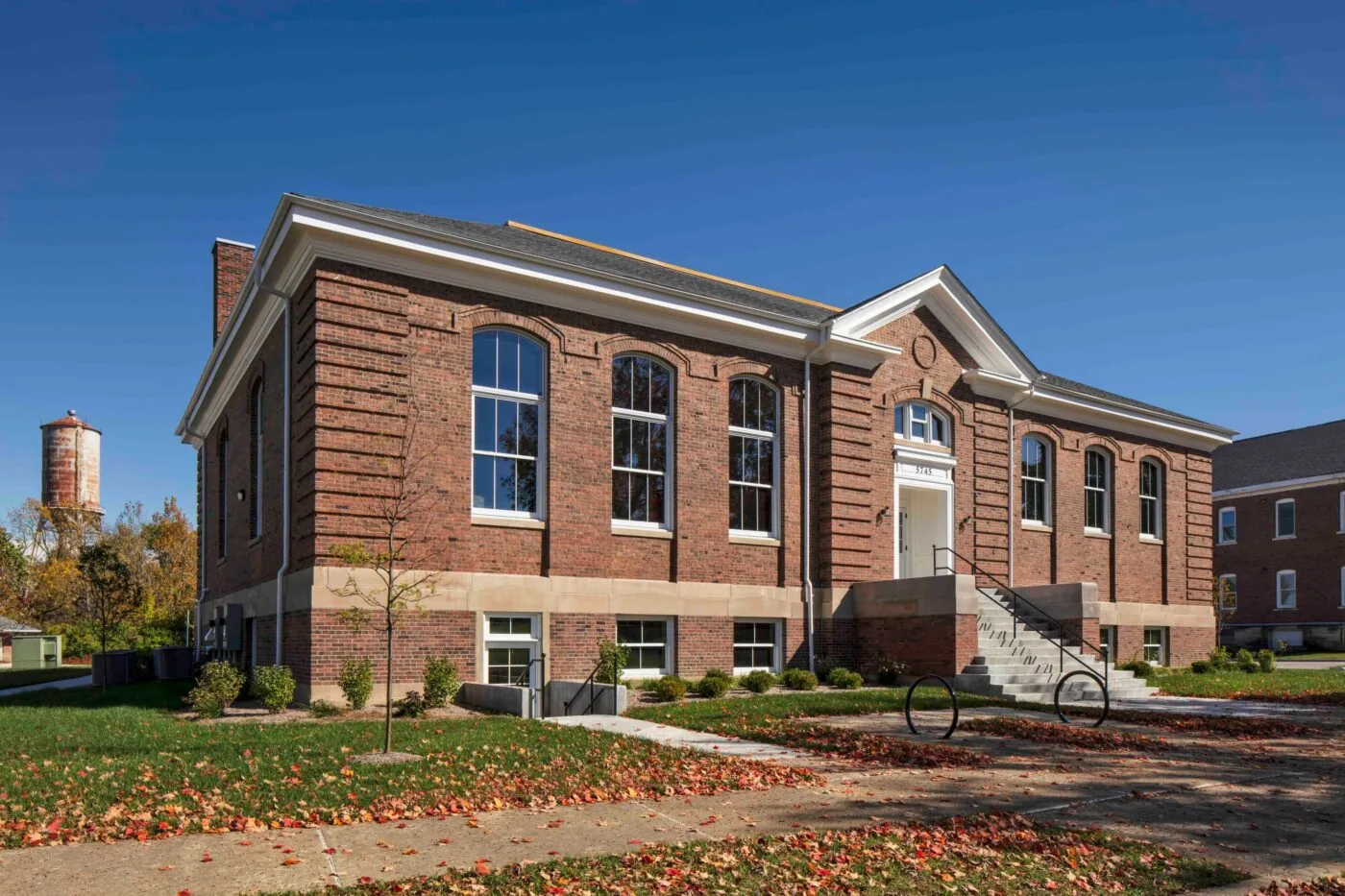
Which repair path fits the existing assembly?
A local flashing repair can be appropriate when the adjacent membrane and attachment remain sound. Repeated seam failures, confirmed wet insulation or deteriorated substrate may justify a broader replacement scope. We review the test map, repair history, drainage, edge details and roof assembly before setting approved quantities. If an emergency patch is needed to control water entry, it remains a separate step from the permanent work plan.
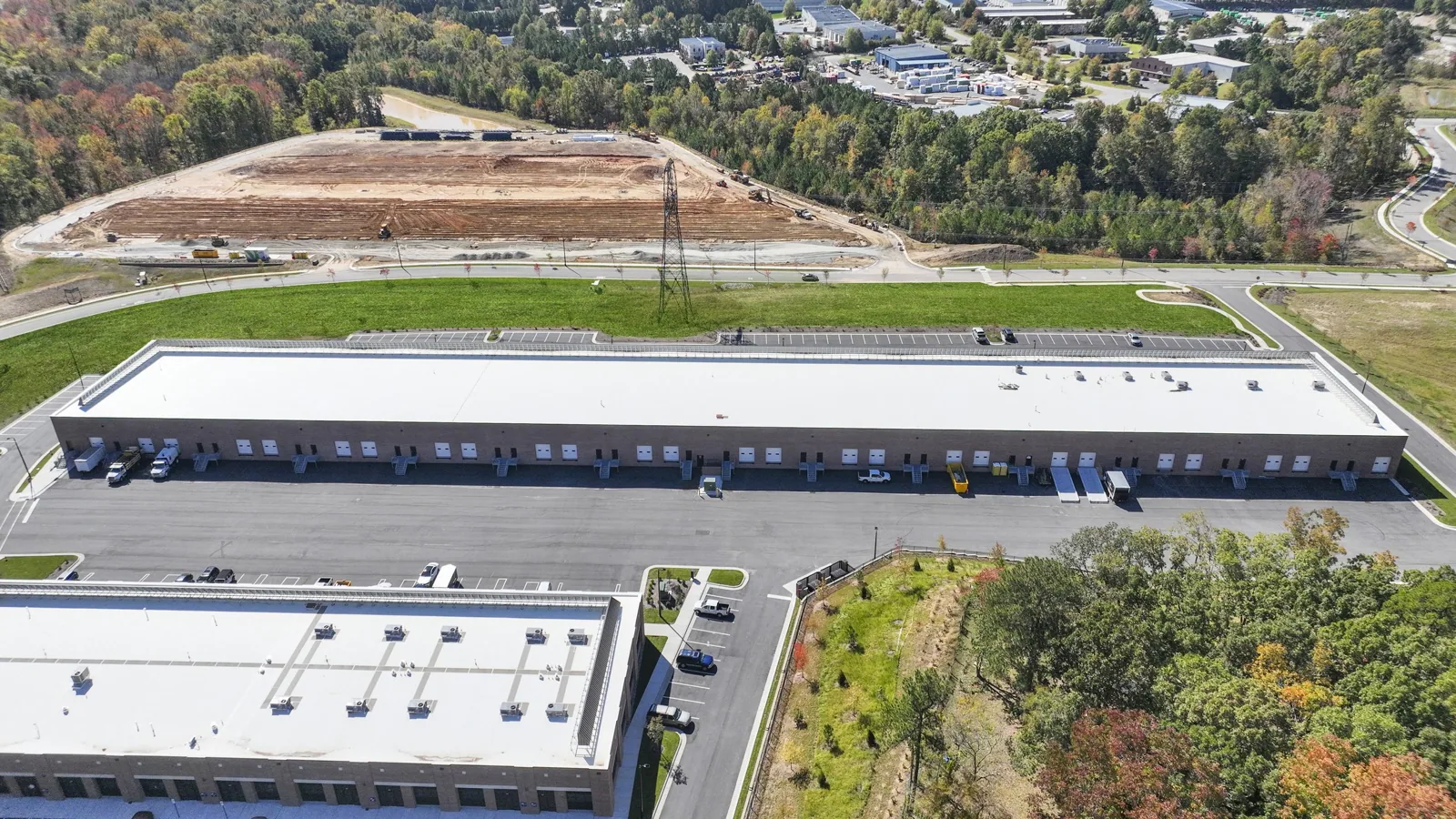
Recover may be considered if the roof is dry, stable and suitable for added weight and height. Door transitions, edge metal and drain elevations need review before another layer is specified. A recover assessment records those constraints; edge-metal repair can address a defined perimeter condition. A flex-industrial roof plan shares some wide-field coordination, while a multi-building storage roof review faces different access and occupancy questions.
What controls hangar roofing cost and duration?
Cost and duration follow the confirmed area, roof height, door details, access equipment, material handling, staging rules and work hours. A large opening or restricted airside route may require specialized sequencing. If tear-off reveals deck damage, the crew documents the location and proposed additional quantity before proceeding under the owner's change process. The estimate separates verified scope from test areas or concealed conditions that remain unresolved.
Aurora records about 121 days below freezing each year and a normal July high of 83.9°F. Cold may constrain preparation and cure, while high summer temperatures can affect safe working hours. We match the product's requirements to the season window and the hangar's operating calendar. Emergency response is available around the clock, but long-term repair work needs safe access, authorized aircraft movement controls and a roof surface that can be prepared and closed correctly.
How should the operator track roof and door work?
Keep the roof plan, door service records, leak locations, inspection photographs, test map, approved quantity and closeout date together. Each entry should identify the hangar bay and roof section, product, edge or curb detail repaired and any access restriction. If moisture or staining returns, the operator can check whether it is near the same perimeter or another part of the roof. Deferred items should include a condition or date that triggers review.
The industrial area west of Aurora Municipal Airport includes properties around Dugan Road and US 30. Aurora's airport also connects with Route 47 and I-88 for regional movement. Those transportation facts support delivery and access planning, not an assumption about any one hangar's roof. A condition report preserves findings by section; the airport industrial area provides a location reference for site coordination. The operator's own access rules and roof map govern the work record.
Can a hangar roof be repaired without moving the aircraft?
That depends on the active roof area, lift placement, debris control and the operator's aircraft movement rules. We identify the proposed work zone and staging route, then coordinate with the authorized site contact before mobilization. The sequence records when a bay needs to be clear and what protection is required below the repair.
Could a hangar door be the source of a roof leak?
The door perimeter and the roof field are inspected as separate but adjacent systems. Water may enter at a door transition or at flashing above it, so we check the membrane, track perimeter and interior path. If the door assembly needs adjustment or repair, that is identified for coordination with its service provider.
How do you inspect a large hangar roof safely?
We review access, edge protection, equipment and operator rules before the survey. Drone imagery can document broad surfaces, while hands-on inspection is needed at seams, curbs and roof edges. Any moisture concern is mapped to selected test points so the report does not extend a visual pattern beyond evidence.
What records should follow a hangar roof repair?
Keep the marked roof plan, bay, door or equipment identifiers, photographs, approved quantity, product, access notes and completion date. Include any tests and areas not opened. Those records help the next inspection distinguish roof conditions from door service findings and preserve the facility's portfolio date.
Request a Roof Assessment
Share the Aurora facility address, authorized site contact, hangar access requirements and roof records. We can inspect the reported section, map the approved quantity and sequence work with aircraft operations.
Call 555-555-5555 or send the form and we will set a time to walk the roof.