Commercial Spray Foam Roofing in Aurora, IL
Roof Systems
Test the foam before renewing the protective coating
A narrow worn strip in a foam roof can expose the substrate, but the repair depends on the foam below and the protective coating above. We inspect coating thickness and adhesion, foam condition, drainage and penetrations, then map any exposed or damaged section. Aurora's average of about 121 days below freezing each year brings repeated temperature changes to roof details, while summer heat affects exposed surfaces. The first decision is whether the foam remains dry and stable enough for restoration.
Properties near Cantera's business and research district or North Aurora's employment area vary in roof access and operating use. Those locations do not determine which foam system is installed. We verify the assembly from records and field inspection, check prior coatings and repairs, and separate tested moisture from visual suspicion. A roof inspection sets the condition band before coating or foam replacement is proposed.
Cantera District, Warrenville
North Aurora I-88 Corporate Park
Commercial Roof Inspection
Commercial Roof Drains and Scuppers
Commercial Silicone Roof Coatings
Commercial Acrylic Roof Coatings
Commercial Rooftop Equipment Curbs and Supports
Commercial Hail Damage Roof Repair
Occupied Commercial Building Reroofing
Is the foam dry and firmly bonded?
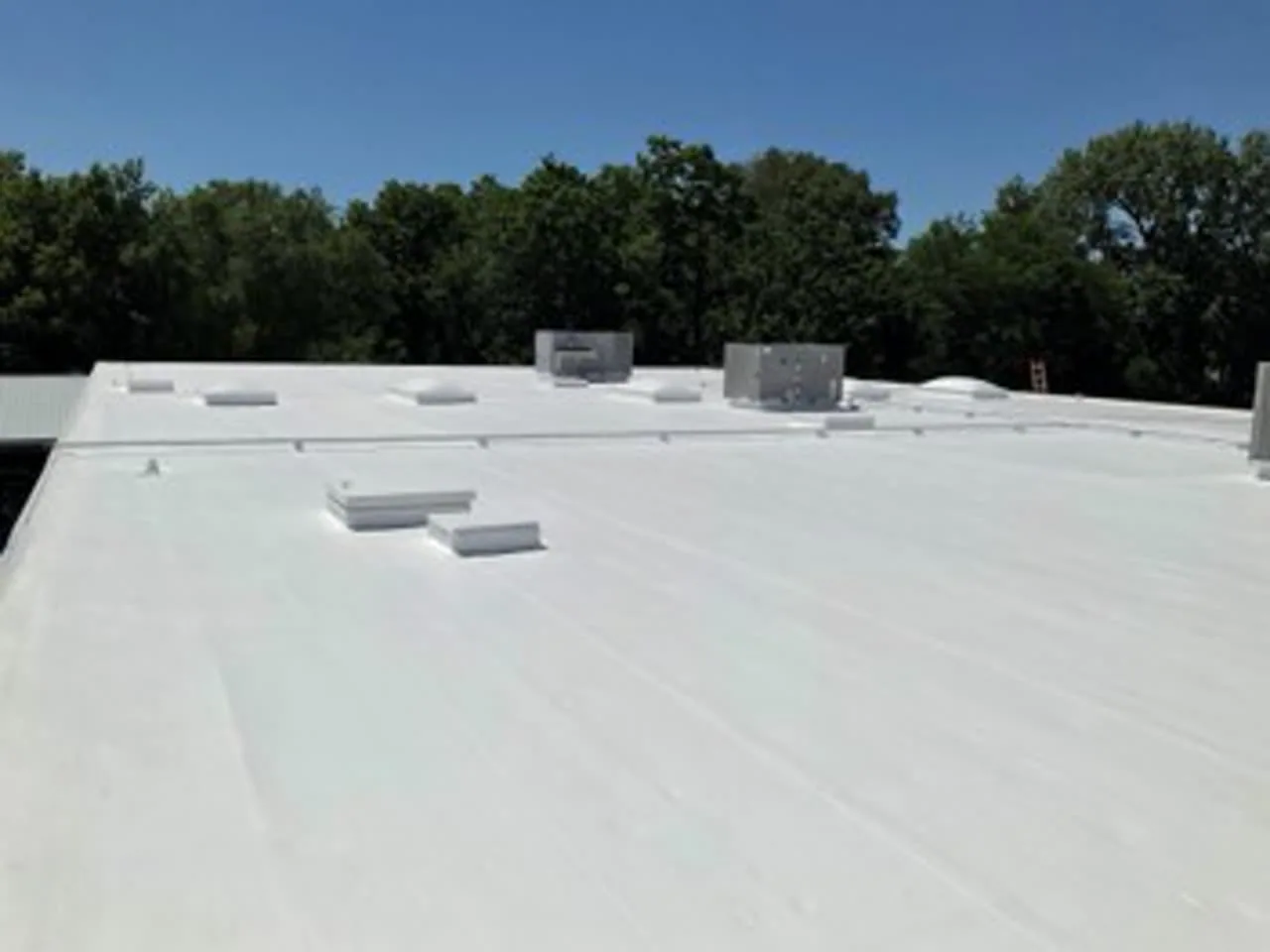
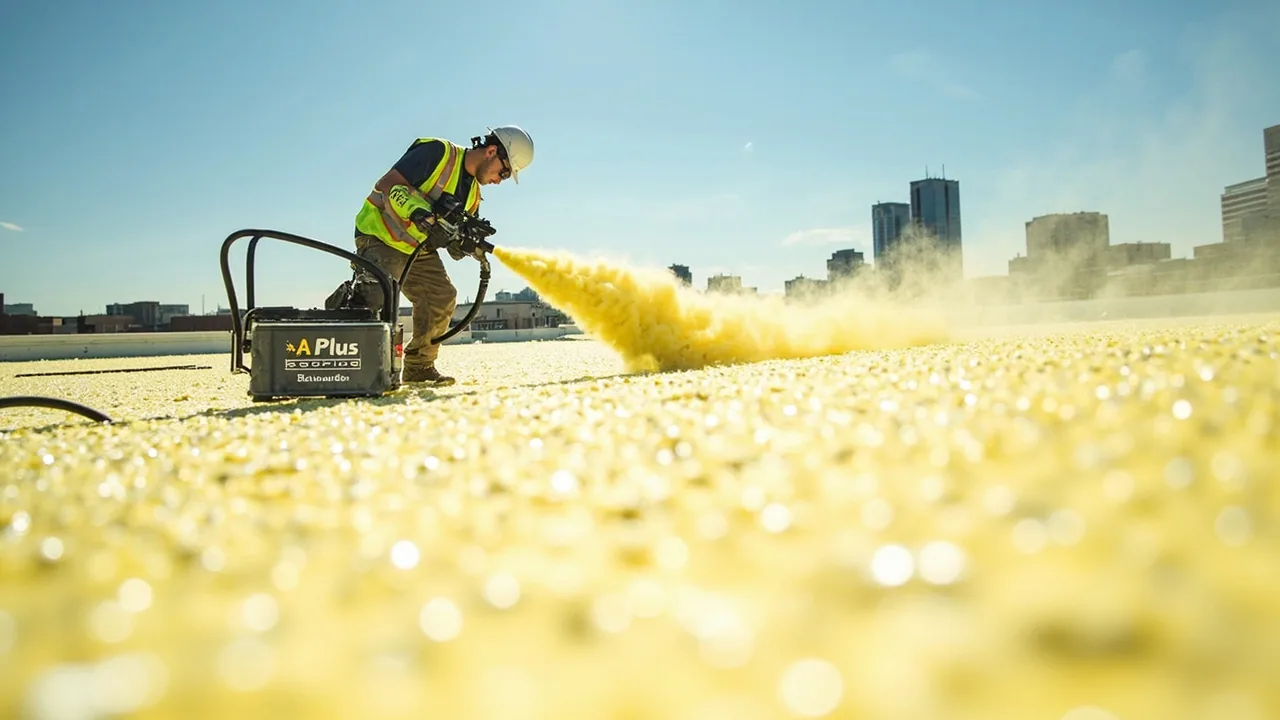
Spray polyurethane foam roofing forms a continuous layer that is protected by a coating or other specified surfacing. We inspect for exposed foam, gouges, blisters, soft areas, cracking, coating loss and separation from the substrate. Damaged foam can retain moisture or break down if left unprotected. We map each defect and check its surrounding boundary, then test suspect areas where needed. If foam is loose or wet, recoating the top alone may conceal a condition that needs removal and replacement.
Transitions at curbs, drains, skylights and parapets receive separate attention because the foam and coating must remain continuous. We inspect slope and thickness changes around those details and note areas where water concentrates. Foam roof inspections in Aurora should track roughly 37.7 inches of annual precipitation and heavier late-spring and summer rain, which can find cracks in the protective coating. That makes drainage and coating continuity relevant at the same time. A drainage review can identify whether a recurring wet area comes from outlet blockage, foam profile or another condition.
Does the existing foam support restoration?
Restoration may be appropriate when the foam remains dry, adherent and structurally sound, and the coating can be prepared for a compatible renewal layer. We check existing coating type, adhesion, surface contamination and the quantity of exposed foam. Test areas establish whether cleaning, primer and coating will bond as specified. We map the preparation and repair zones rather than price an undifferentiated coating over the full roof. If foam has separated or moisture is confirmed, those areas need a different scope.
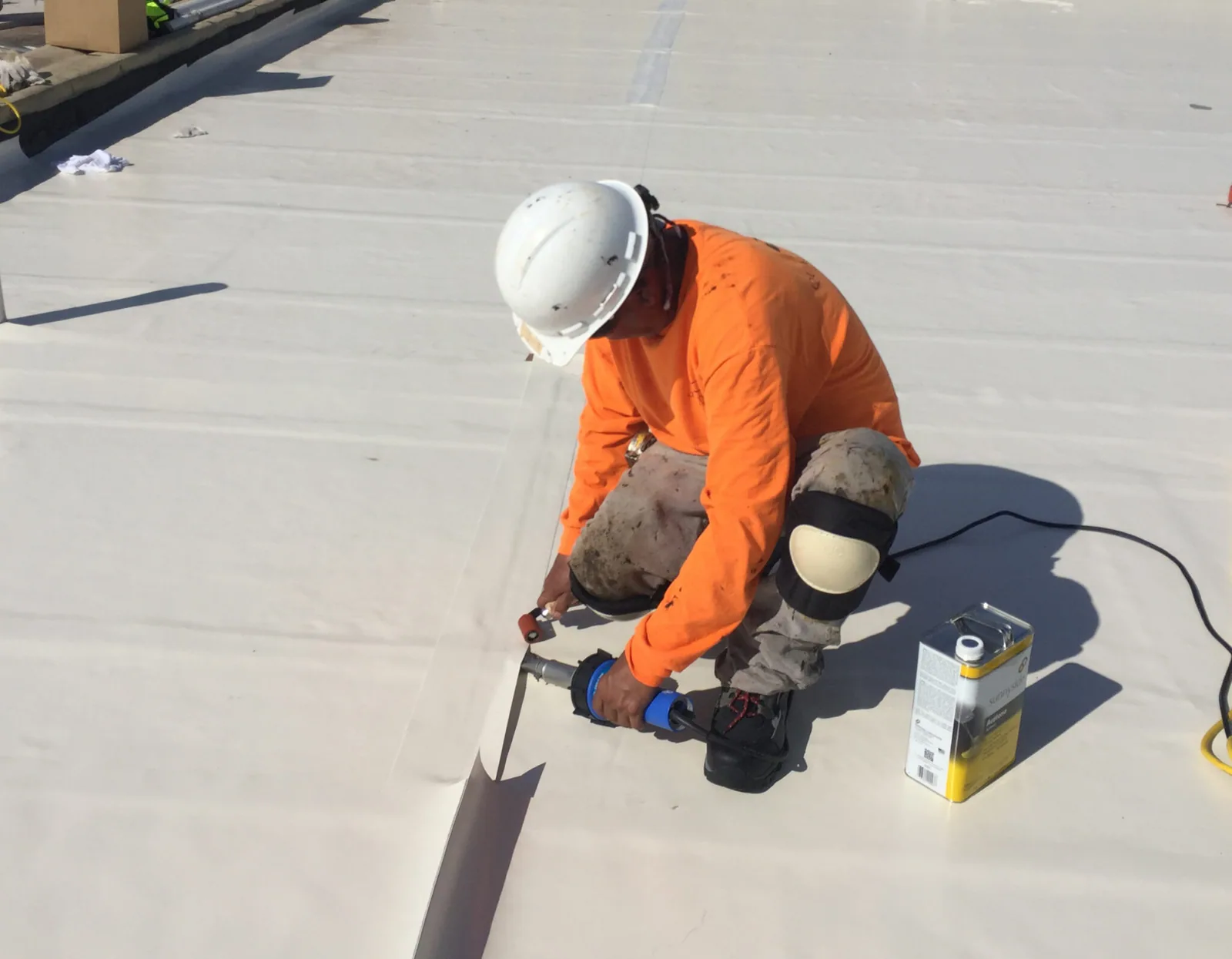
Silicone and acrylic coatings have different requirements for water exposure, surface preparation and application conditions. A silicone coating or acrylic system should be selected from the product instructions and tested substrate. If localized foam replacement is needed, we remove damaged material to a sound boundary and restore the protective coating. The report shows repair quantity, test result and the coating system proposed for each roof section.
What can damage a foam roof after restoration?
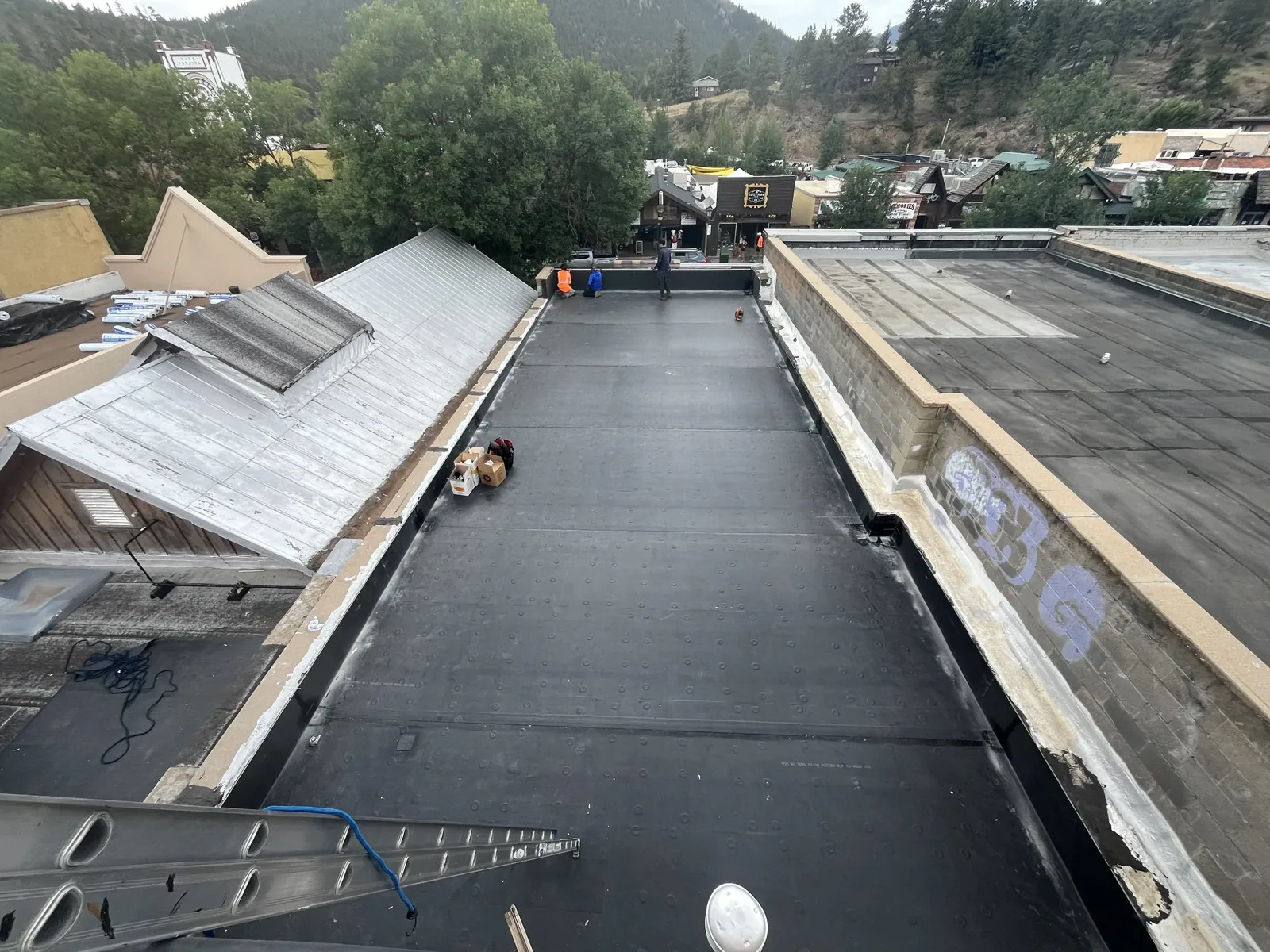
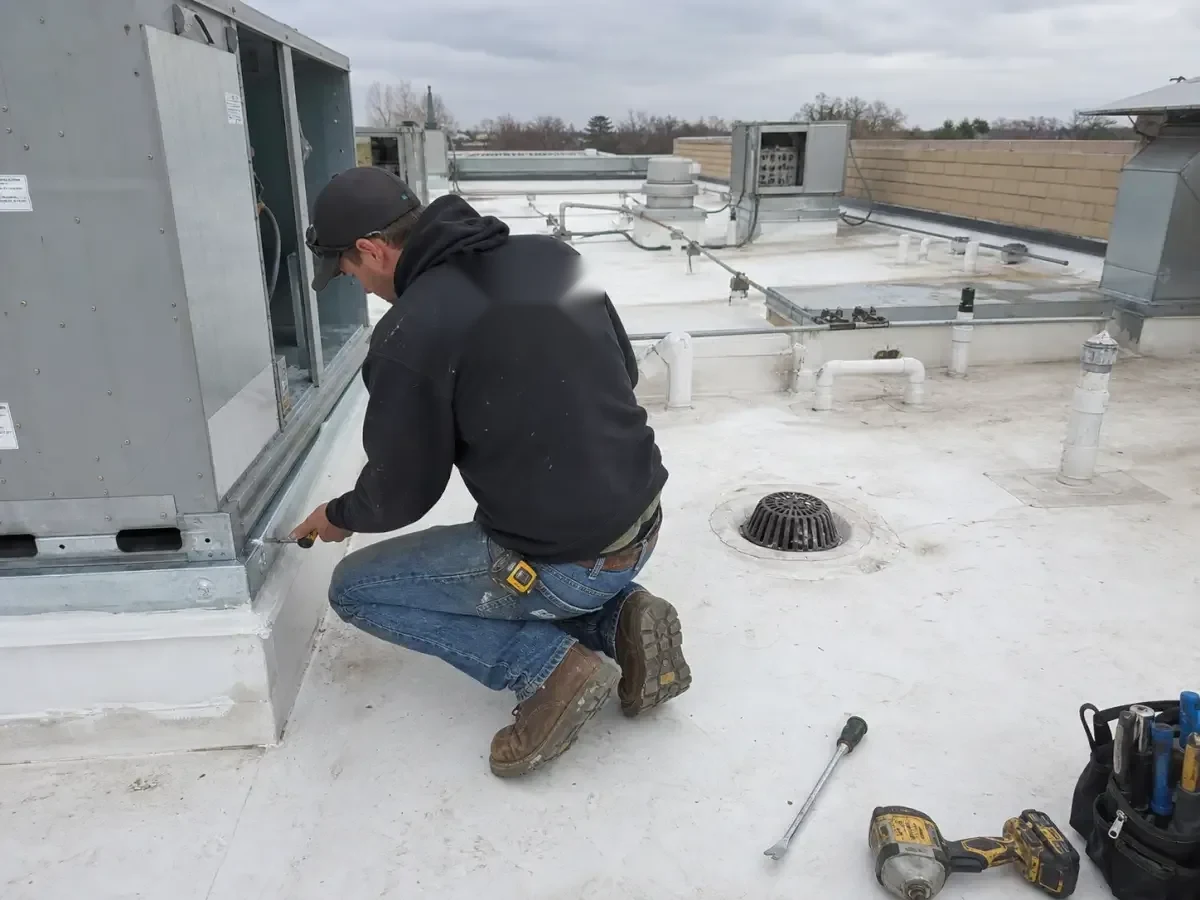
Foot traffic, dropped tools, equipment service and hail can puncture or compress the foam surface. We inspect access routes and support bases, and note whether a mark reaches the foam or only affects coating. A coating breach needs prompt review because exposed foam can weather and absorb water. The repair file records the defect location and date so later maintenance can distinguish a new impact from an old patch. A support and curb review can coordinate work around rooftop units.
Maintenance also checks coating wear, ponding, seams at transitions and blocked drains. Aurora's northern Illinois weather includes hail and tornado hazards, but a regional event does not establish damage at one building. We inspect the roof and document any impact or coating loss that is actually present. A hail review can map marks and confirm whether foam or membrane is exposed. Where damage is isolated, a repair may preserve a larger sound area.
What sets the foam restoration allowance?
Scope follows damaged area, foam depth, coating type, surface preparation, moisture tests, drain and curb details, access and how much roof can be completed in one weather window. We separate coating renewal from foam removal, insulation repair and deck work. If testing has not established the moisture boundary, the estimate identifies the allowance and how new conditions will be measured. The owner can compare restoration with tear-off without treating an untested zone as confirmed damage.
Weather affects foam application and coating cure. Aurora's wetter spring and summer months can interrupt spraying or leave a prepared area exposed. We follow the specified product temperature, moisture and wind requirements and plan daily protection around them. Facilities that remain occupied need coordination for odors, air intakes, staging and access. An occupied-building work plan can identify the agreed work hours and communication point before mobilization.
How should SPF work be verified?
Project records should show foam and coating products, application areas, test locations, repair depth, thickness checks required by the specification, weather conditions and photographs. We record preparation, priming, coating passes and any exposed foam replacement. At closeout, the roof plan identifies areas that were restored and any condition left for follow-up. Those details help later crews find a coating transition without mistaking a previous repair for original foam.
Inspection dates should track coating wear and punctures by section. A maintenance program can preserve photographs and approved quantities. For a portfolio around Cantera and North Aurora, a consistent condition band helps set review dates but does not imply that buildings share the same assembly. The owner retains each roof's test results, coating history and next maintenance window with its asset record.
Can a foam roof be recoated without removing the existing coating?
It may be possible when the existing coating remains bonded and compatible with the proposed system. We inspect and test representative areas, then identify cleaning, primer and repair needs. If moisture or separated foam is present, those conditions need correction before a new protective layer is applied.
What happens when foam is exposed?
We map the exposed area, check whether the foam is wet, soft or detached, and determine a sound boundary for repair. The work may require removing damaged foam and rebuilding the surface before coating. The scope keeps foam replacement separate from coating renewal so the approved quantity reflects the confirmed condition.
How do silicone and acrylic coatings differ on foam?
They have different product requirements for adhesion, water exposure, preparation and application conditions. We identify the existing coating, run adhesion checks where needed and compare the tested result with the proposed product instructions. Selection follows the roof section and drainage conditions rather than a general material preference.
Can rooftop equipment puncture spray foam?
Service traffic, tools and support movement can damage coating or foam. We inspect paths and bases, document any exposed substrate and coordinate equipment moves with the facility. A repaired support or curb should include the membrane and coating tie-in required by the approved system.
How should we check an SPF roof after hail?
Inspect the roof when access is safe, photograph the affected sections and mark coating breaches or exposed foam. Surface marks do not establish the extent of damage. We test suspect areas, distinguish confirmed foam damage from coating-only impact and prepare a repair quantity from the mapped findings.

Request a Roof Assessment
Send the Aurora address, facility contact, spray foam records, coating product and repair history. We will map exposed or suspect areas, check drainage and adhesion, and document a tested restoration scope.
Call 555-555-5555 or send the form and we will set a time to walk the roof.