Commercial Silicone Roof Coatings in Aurora, IL
Roof Systems
Test adhesion and substrate before coating
A silicone coating that remains glossy over a soft roof section does not show whether the insulation below is dry. We inspect the coating, membrane, seams and drainage, then map suspect areas for adhesion and moisture testing. Aurora receives about 37.7 inches of precipitation annually, with wetter months from May through September. Water exposure and substrate condition matter to the system selection, while the tested roof determines whether restoration is supportable. The approved quantity separates preparation, repair and coating area.
West Chicago industrial parks have a 2026 work plan calling for roadway rehabilitation, while Naperville's economic strategy targets advanced-technology businesses along I-88. The West Chicago industrial areas and Naperville I-88 corridor place these properties in their local employment settings. We identify the coating, substrate and access conditions at the Aurora facility from records and field tests. A roof inspection documents the existing assembly before silicone is compared with repair or replacement.
West Chicago Industrial Parks
Naperville I-88 Business Corridor
Commercial Roof Inspection
Infrared Roof Moisture Survey
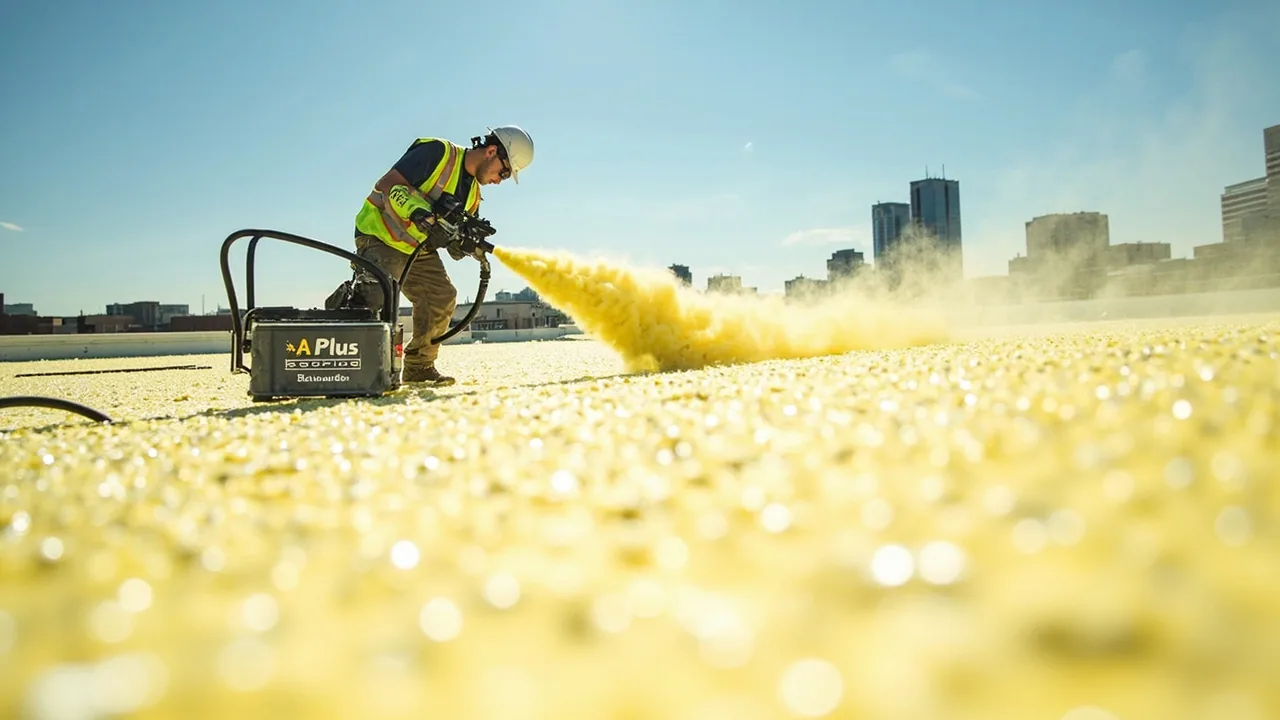
Commercial Spray Foam Roofing
Commercial Roof Drains and Scuppers
Commercial Acrylic Roof Coatings
Commercial Rooftop Equipment Curbs and Supports
Occupied Commercial Building Reroofing
Will the coating bond to the existing roof?
Adhesion depends on the existing surface, coating chemistry, contamination, moisture and preparation. We identify the substrate and prior coatings, then perform test patches where the manufacturer's instructions call for them. A coating that appears attached in one area may release elsewhere, especially where the surface is chalked, oily or repaired with another material. We record each test location and result, and we do not extend one test across untested roof sections without a supporting basis.
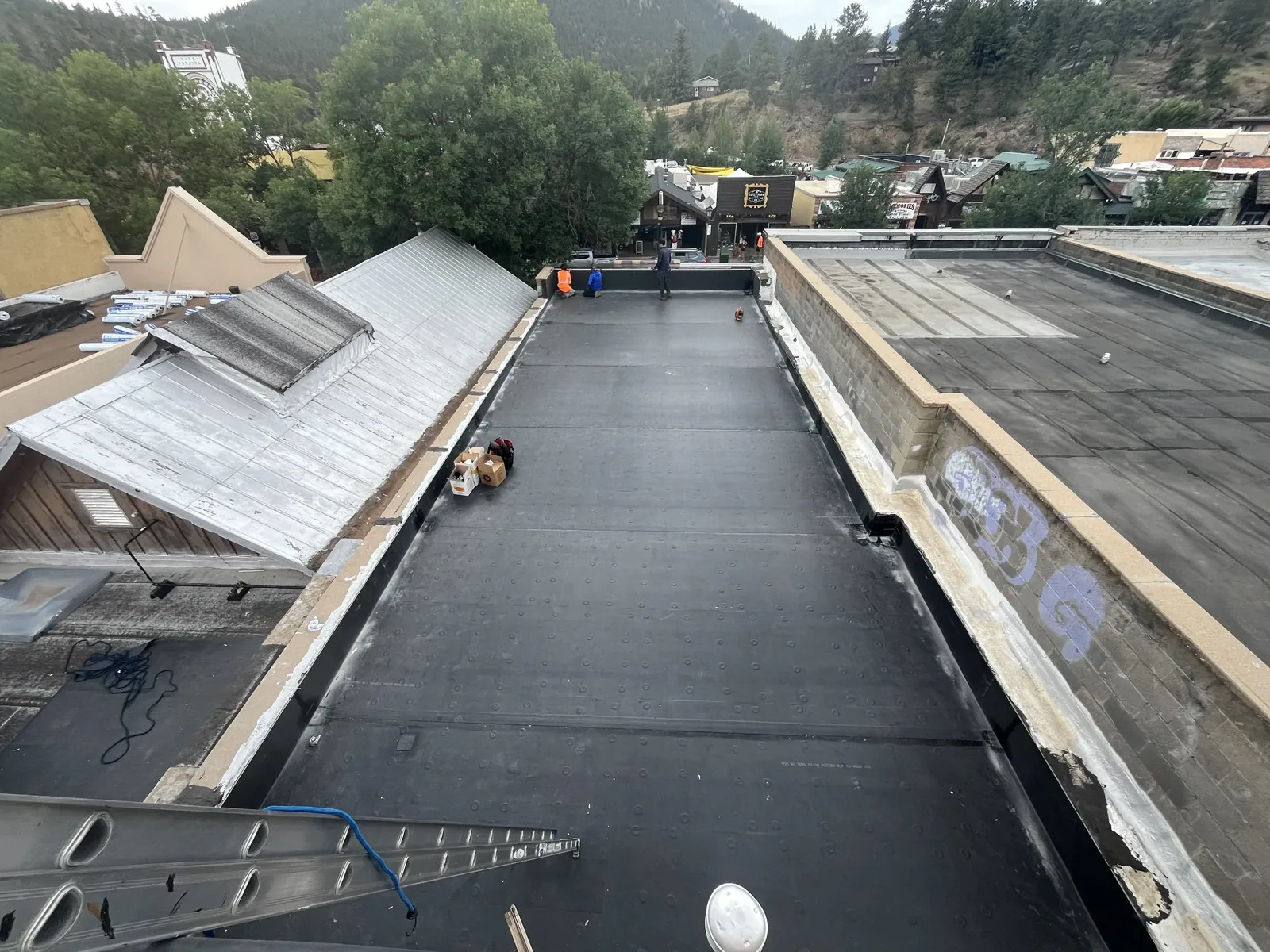
The membrane or existing coating below also needs to be stable. We inspect blisters, open seams, punctures, exposed insulation and flashing details before proposing a new layer. Suspected moisture requires evaluation because coating can conceal rather than correct the condition. Infrared patterns can help select test locations, followed by approved cores where needed. A moisture survey records suspect and confirmed areas separately so wet insulation is not counted as acceptable substrate.
Where does silicone fit the water exposure?
Silicone roof coatings can be considered where their product properties and application requirements suit the roof's exposure. The system specification determines cleaning, primer, reinforcement and application rate. We inspect whether water ponds, reaches seams or moves toward drains, then identify any drainage correction before coating. The coating does not regrade a roof or repair unstable insulation by itself. On foam assemblies, a spray foam coating review also checks the underlying foam and prior coating. A drainage review can distinguish a coating area from work needed to restore the water path.
We compare silicone with acrylic or other restoration systems using substrate compatibility, drainage, application conditions and maintenance needs. An acrylic system may have different water-exposure requirements; an overall restoration assessment can compare both with repair and replacement. The chosen material should be named in the scope, along with preparation and test results. Generic coating thickness or coverage assumptions do not replace product instructions for the selected system.
Which details need reinforcement?
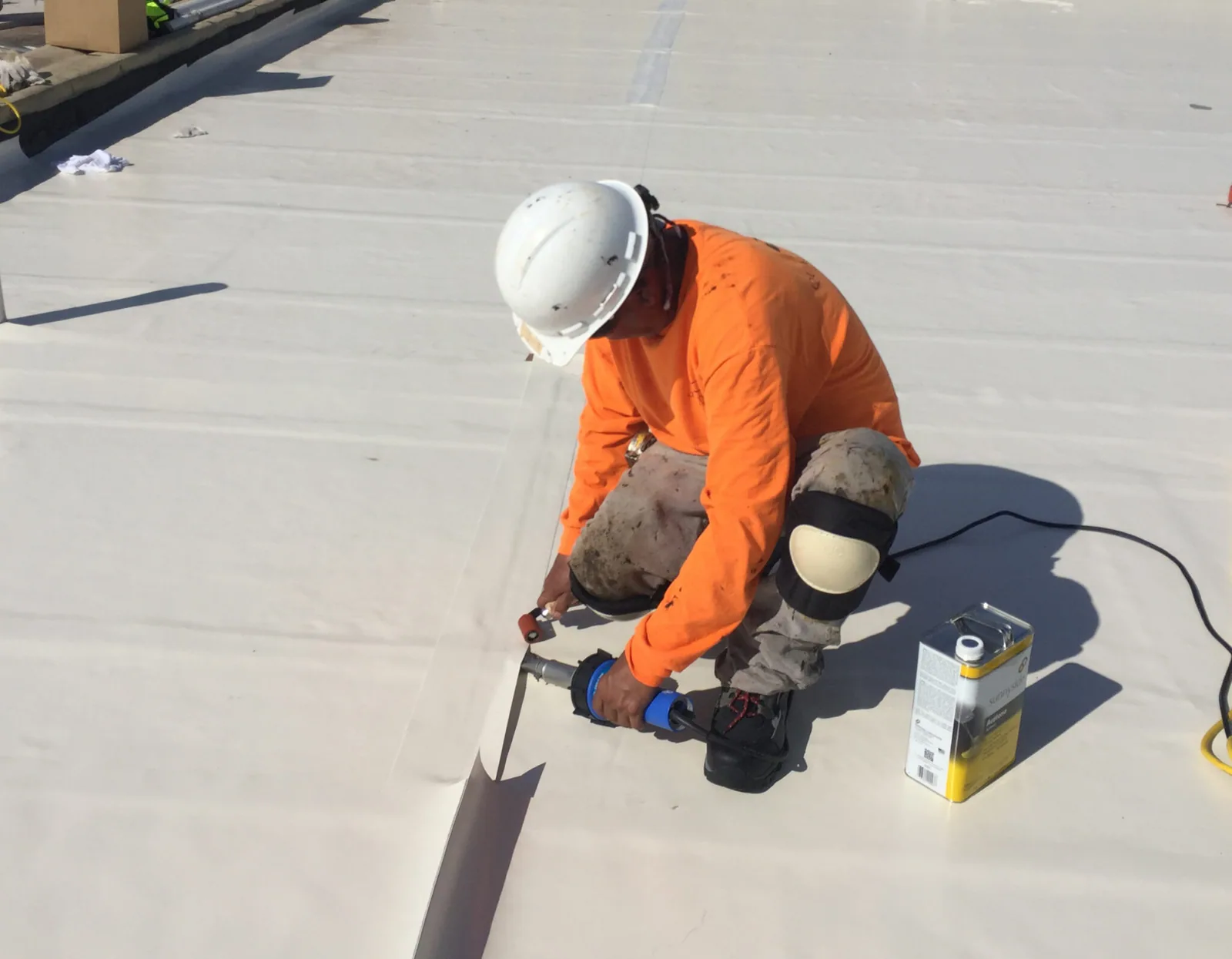
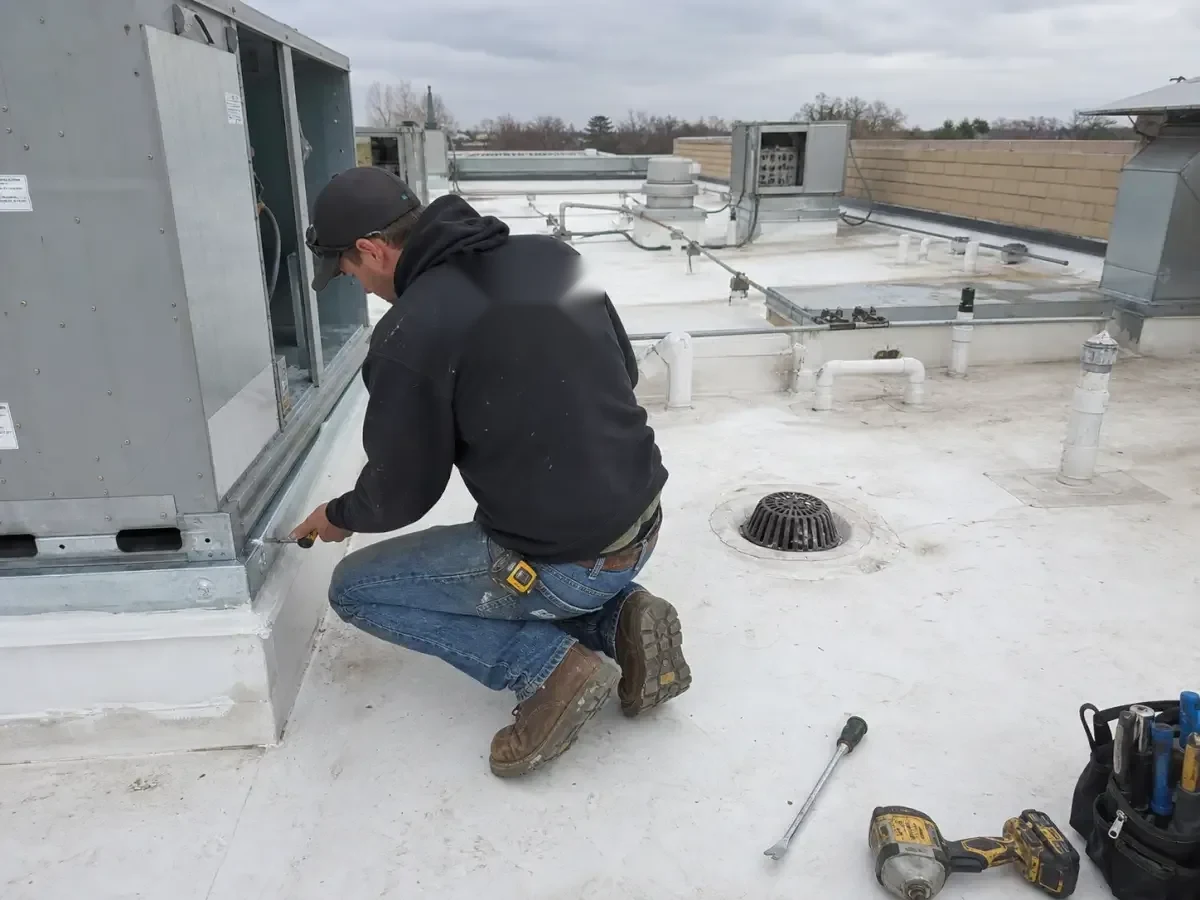
Seams, wall transitions, curbs, drains, penetrations and metal edges may require fabric or other reinforcement specified for the system. We inspect the existing detail, map the repair and show how the coating will terminate at each edge. If the substrate moves or the flashing is loose, reinforcement over the top may not solve the underlying defect. The proposal distinguishes detail repairs from the field application and notes where equipment or limited access prevents full inspection.
Aurora's heat and freeze-thaw conditions affect when coatings can be applied and how details should be checked over time. The station averages about 12 days above 90°F annually, and about 121 days below freezing. We follow the product's limits for air and surface temperature, moisture and cure time. A curb inspection can identify support movement and service areas that might damage the finished film. The facility contact can coordinate equipment access and protect recently coated sections.
How should coating quantities be priced?
Cost follows surface preparation, test patches, primer, reinforcement, coating amount, repairs, access and the condition of the substrate. We show measured roof area and list any failed test zones separately. If hidden moisture could change the repair area, the proposal states the allowance and approval process. The owner can compare restoration with replacement using known quantities and a clear list of excluded areas, rather than a single broad rate applied to the whole roof.
Weather windows affect preparation, application and cure. Aurora's wettest monthly period runs from May through September, so rain can delay a coating sequence or require temporary protection. We set sections that can be prepared and completed under forecast conditions and identify how the roof will be secured overnight. If tenant access or equipment operation restricts work hours, an occupied-building plan can document those limits and the work sequence before crews mobilize.
What should the coating closeout document?
The closeout record identifies the product, lot data where available, substrate, test locations, surface preparation, primer, reinforcement and application areas. Photographs show representative field work and details at drains, curbs and terminations. We document application conditions and required thickness checks under the specification, along with any areas excluded or repaired separately. Those records help a later inspector understand the coating and choose compatible maintenance materials.
A coating requires future inspection for punctures, peeling, dirt, blocked drains and failures at transitions. A maintenance schedule can preserve the repair map and next review date. For facilities across West Chicago and Naperville, a condition report can keep each roof's test results and maintenance priorities separate. The owner can then compare change over time without assuming that a coating performs the same on every building.
Can silicone coating be applied over any roof membrane?
The existing membrane and coating must meet the proposed product's substrate and adhesion requirements. We identify the material, prepare representative test areas and document results before defining an application quantity. Incompatible coatings, contamination or wet insulation can require removal or repair first.
Does silicone fix ponding water?
A coating does not change the roof slope or outlet height. We inspect the low area and drainage path, then separate cleaning or correction from the field coating. If water continues to collect, the proposal should show that condition and any design review needed before the new system is installed.
How do you prepare a roof for silicone?
Preparation follows the substrate and product instructions. We identify cleaning, repair, primer, reinforcement and test patch requirements, then record each completed step. The scope shows test results and any area that failed adhesion so the approved coating surface remains traceable.
How long does a silicone coating take to cure?
Cure time depends on the product, temperature, humidity, film thickness and weather during application. We follow the manufacturer's current instructions and schedule work so rain or access does not compromise the material. The closeout includes application dates and conditions for later reference.
What maintenance follows a silicone restoration?
Inspect the coating for punctures, peeling, dirt buildup, open details and blocked drainage. Equipment service can damage the finished surface, so record new work by roof section. The maintenance date and product information help select compatible repairs if a later visit finds a coating breach.
Request a Roof Assessment
Send the Aurora address, facility contact, roof plan and prior coating information. We will inspect the membrane, test representative areas, map drainage and prepare a restoration quantity tied to confirmed roof conditions.
Call 555-555-5555 or send the form and we will set a time to walk the roof.