Commercial Roofing in Aurora, IL
Service Areas
Set the Aurora inspection window
A split at a curb changes the repair quantity only if the surrounding membrane and insulation remain sound. We inspect the termination, adjacent seams, drains and roof section before pricing a correction. Aurora averages about 121 days below freezing each year, so winter movement can work on a detail before the next scheduled walk. Heat and summer rain add separate exposure. The inspection record shows the tested area, visible condition, and what remains unknown. Aurora’s portfolio spans downtown commercial buildings, healthcare, public schools, Fox Valley retail, and industrial properties along major roads. Each building needs its own roof map and operating limits before the capital decision is made.
What changes after a season of exposure?
Repeated freeze-thaw cycles can widen an opening at a seam, curb or edge when water enters a vulnerable detail and freezes. Aurora averages roughly 121 days below freezing, including several days below zero. Summer conditions bring heat and ultraviolet exposure; the local station averages about twelve days above 90°F in a typical year. Annual precipitation is roughly 38 inches, with monthly totals near four inches from May through September. Those figures guide timing for inspections and close-in, but they do not establish what happened on a particular roof.
After a storm, we compare the reported date and roof area with dated photos, then document new displacement, impact or drainage evidence. Aurora’s spring and summer storm exposure can include hail and tornado risk across northern Illinois, but a regional report is not an individual damage finding. A hail review records surface evidence and separates it from age-related wear. If damp insulation could extend beyond the visible opening, infrared mapping can identify areas for confirmation. The report states what was tested and what remains outside the sample boundary.
How do Aurora properties differ by area?
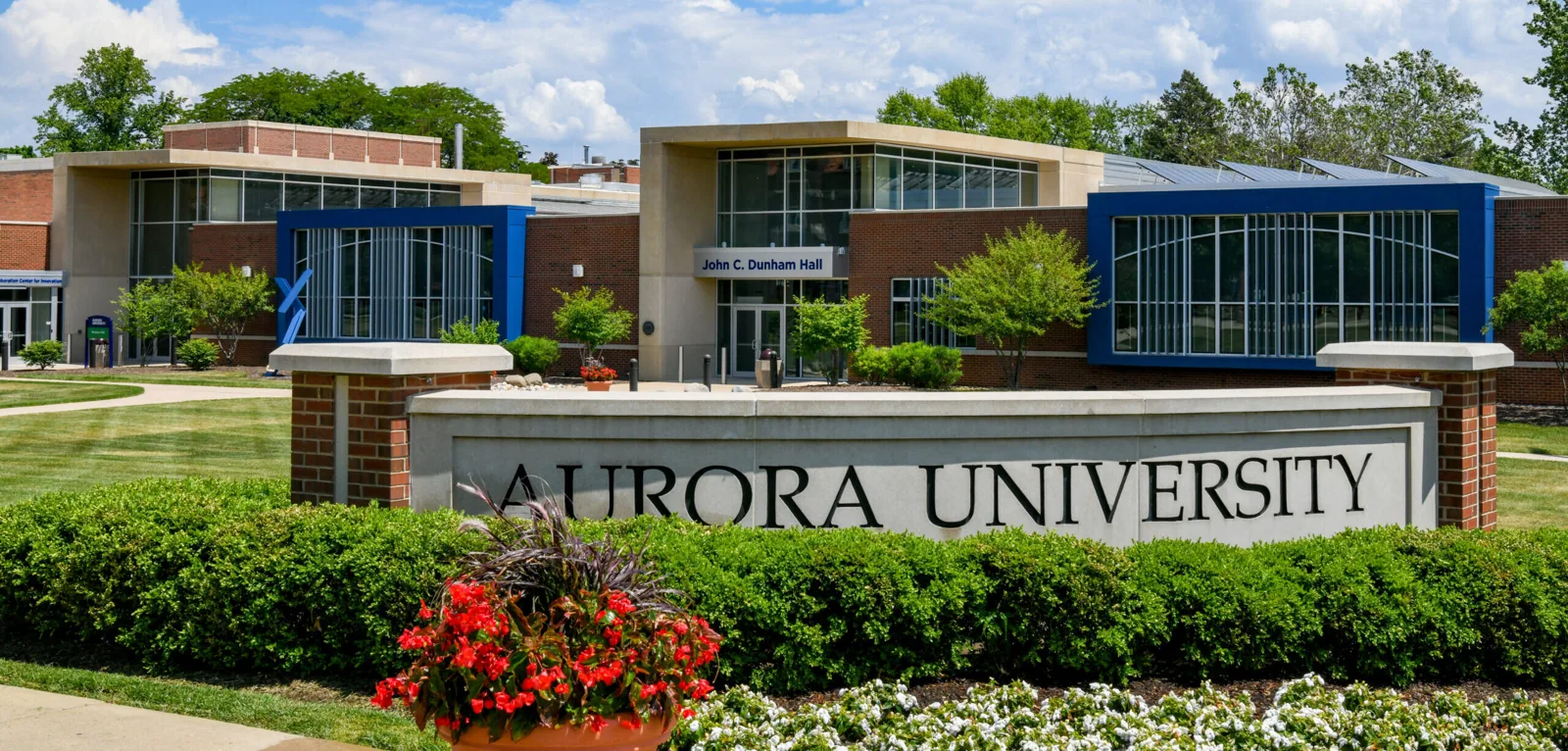
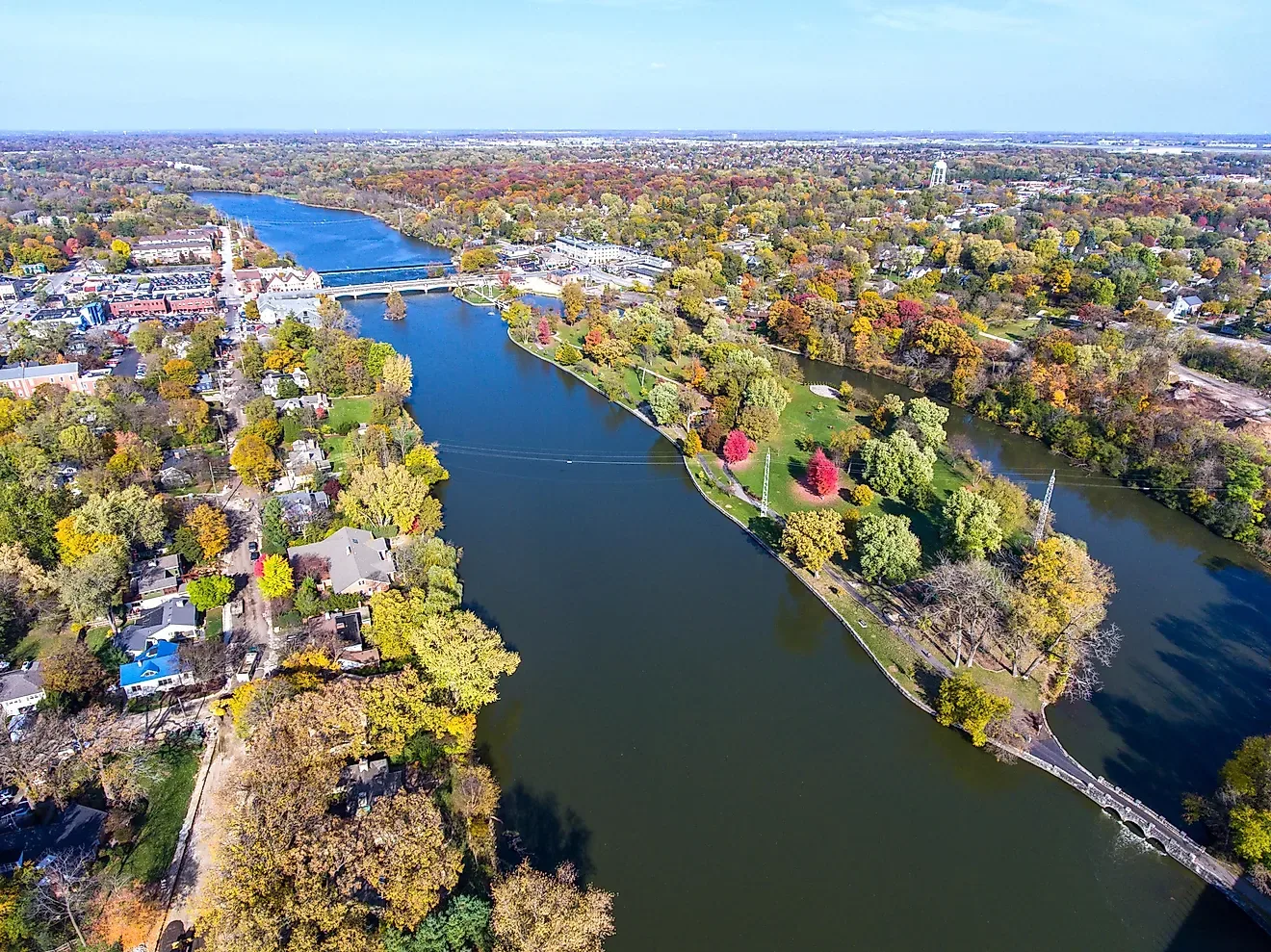
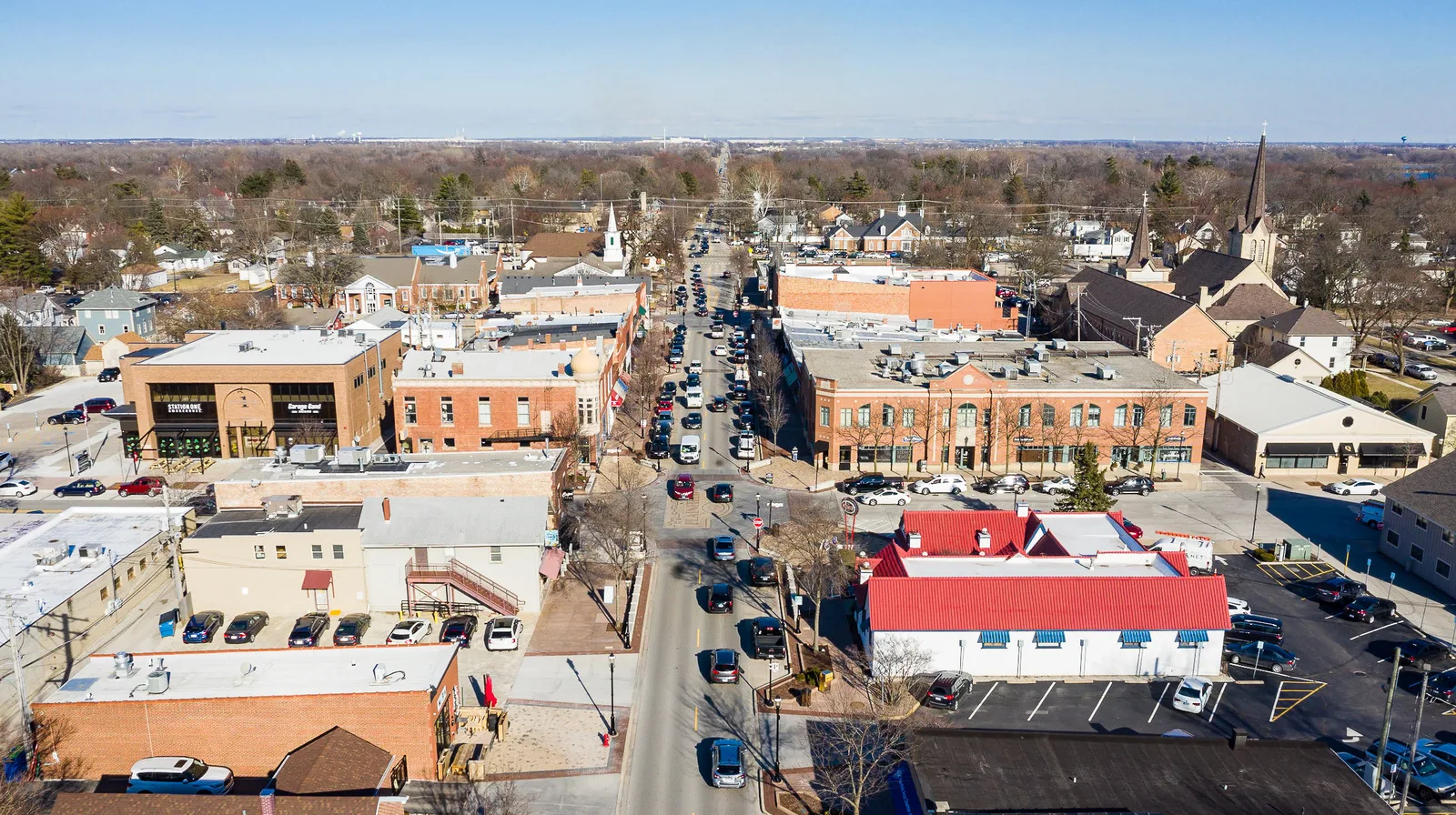
Downtown Aurora combines historic commercial buildings with adaptive reuse, retail, dining and entertainment. The city reports more than fifty businesses there, alongside RiverEdge Park and the Paramount Theatre. Older roof transitions and current tenant use can affect access and protection, but age or use does not identify the installed assembly. Downtown Aurora is one part of a wider municipal market with its own owners and work windows.
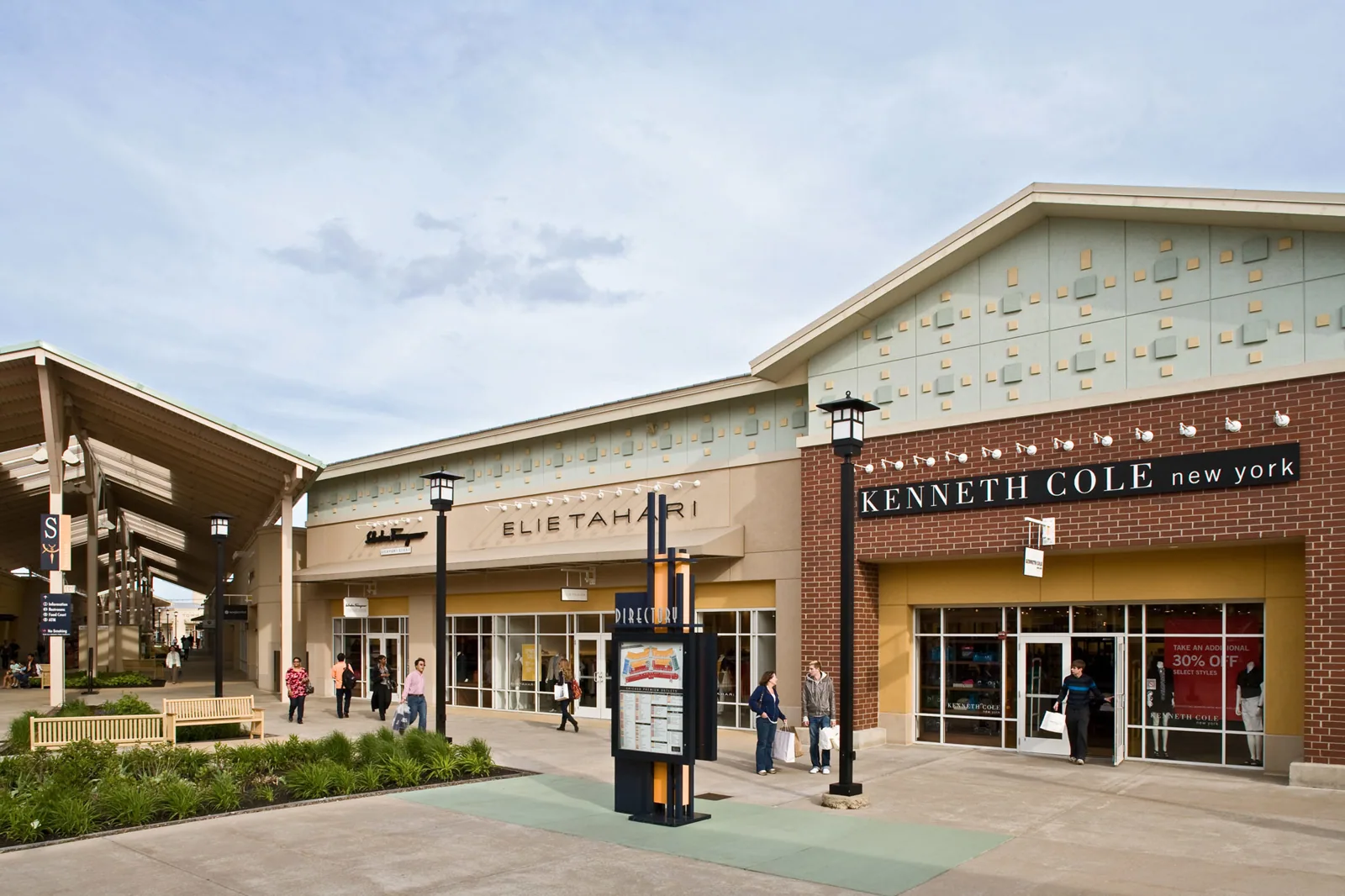
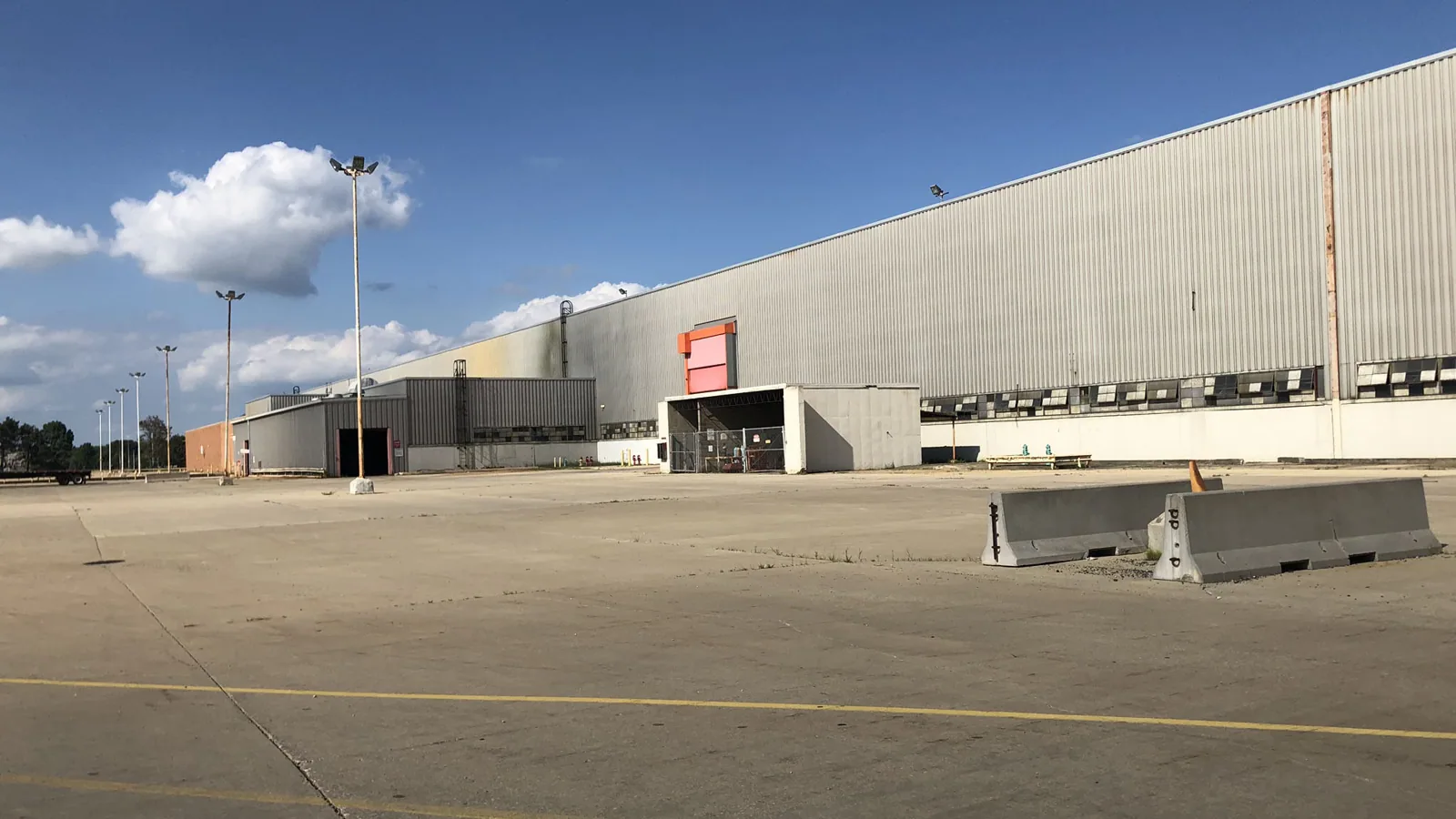
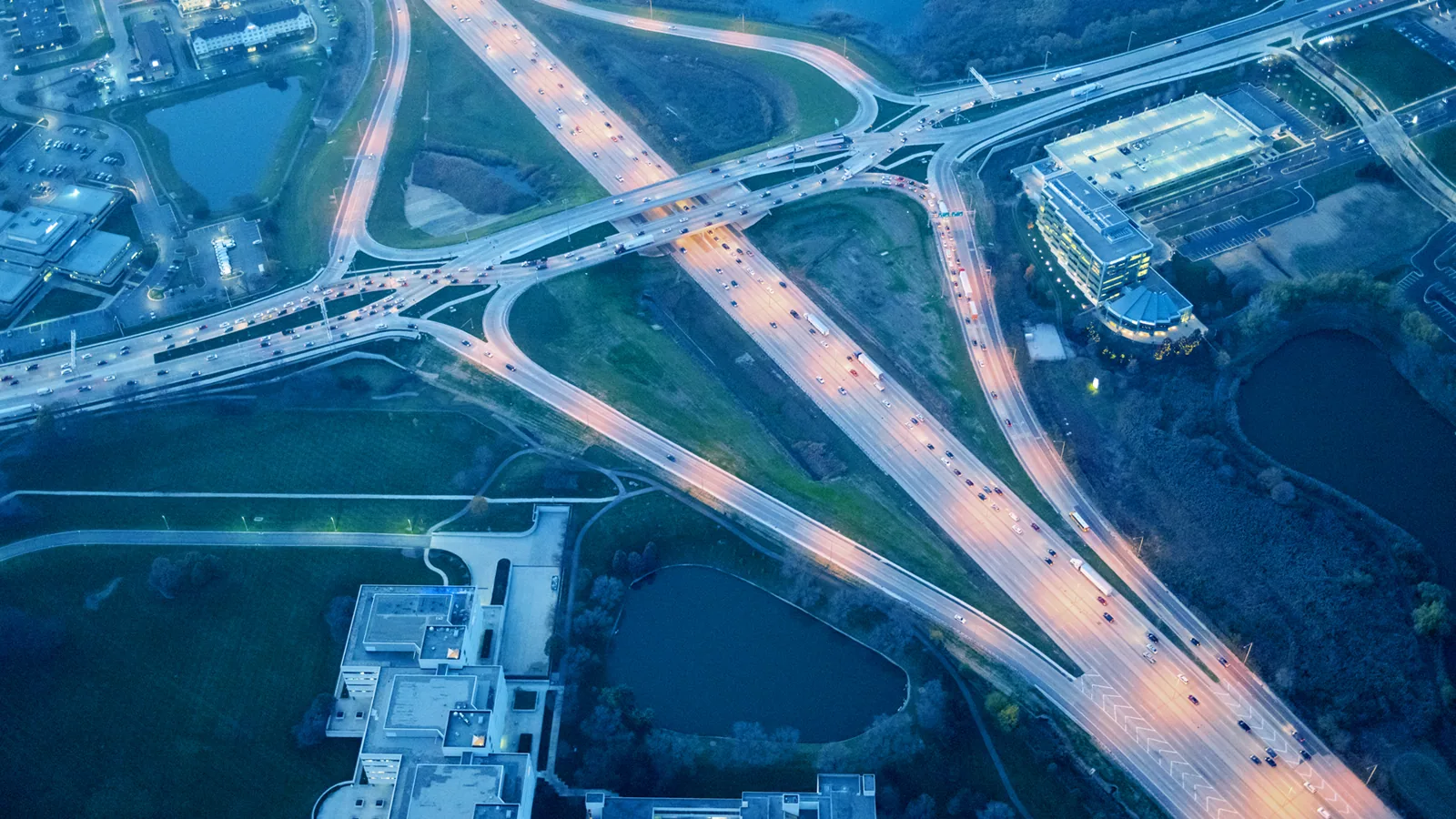
East of downtown, Ogden Avenue, Eola Road, New York Street and Route 59 connect commercial, office, and retail areas with the regional road network. The Eola Road corridor and New York Street help locate properties for scheduling, while delivery access still depends on the specific building. Western and southwest Fox Valley industrial areas connect toward US 30, Route 47 and I-88. The site contact identifies the loading area, staging point, roof entry and any route that must remain open. A street name helps orient the visit; the facility plan sets the work boundary.
What should the first inspection establish?
We start with the leak report, room reference, date, prior repair history and drawings that identify the assembly. On the roof, we follow the likely water path through seams, curbs, drains, walls and penetrations, recording the exact section viewed. An interior stain can sit away from the entry point. Photos should show both a wide location and the detail close enough to evaluate. If equipment or an access restriction blocks the view, the report says which conclusion that limit affects.
A commercial roof inspection records visible findings and measured quantities by section. Testing can help when concealed moisture would change the repair threshold, but each test confirms only its approved location. A condition report separates observed damage, owner-reported symptoms and areas that remain untested. That distinction matters when a facility director compares a localized repair with a broader allowance. It also prevents a sample from being applied to a roof area that was never opened or surveyed.
When does the repair boundary expand?
A local flashing or seam repair can remain small when adjacent membrane, attachment and substrate are stable. The scope names preparation, compatible materials, tie-in, access needs and the measured limit. Repeated leaks or soft insulation may call for a test before a permanent quantity is set. If an opening reveals damaged deck or moisture beyond the planned limit, we photograph the condition and pause for direction before extending the work.
Recover or replacement decisions compare the current assembly, drainage, insulation, attachment, edges, rooftop equipment and remaining service potential. A replacement assessment should state tear-off limits and the conditions that could change the price after exposure. On occupied buildings, phased work can define daily roof zones, protection below and a close-in point for each shift. Material lead time, staging, crew access and weather window affect timing. Those assumptions belong beside the approved quantity so the portfolio plan reflects the work actually supported by inspection.
How should separate properties share a schedule?
Aurora is a regional employment center with healthcare, public education, local government, hospitality, banking, precast concrete, and equipment manufacturing. Rush-Copley is listed among the city’s largest employers; that fact describes the local economy, not a roof assignment or site condition. The building contact determines entry, sensitive areas, staging, shutdowns and work windows. A hospital, office, school and distribution property can share a capital calendar without sharing an inspection record.
The Route 59 and Fox Valley area is an important retail center, while industrial activity extends to other parts of the city and neighboring communities. For a multi-site program, give every building a separate asset identifier, plan, photo set and priority. Group visits only when the access arrangement and material delivery support the work at each property. A shared tracker can show the next inspection date or approved budget year, but it should not merge roof conditions or transfer one location’s assumptions to another.
What belongs in the closeout file?
Keep the building name, roof section, inspection date, photos, test locations, assembly details, approved quantity, repair material, exclusions and next review date together. Record which areas were not entered or tested and why. If an approved change extended the work, attach the revised limit and the photo that supported it. A later manager can then distinguish a recurring leak from a new condition and compare the same roof zone after another season.
For a service request, provide the Aurora property address, facility contact, current roof records and decision window. We will identify the condition band and repair threshold supported by the visit. If the evidence points to further testing, the record states what will be opened or surveyed and how the result could change the scope. That gives the owner a usable capital decision without converting a citywide weather or employer fact into an unsupported conclusion about one building.
Does Aurora’s freeze-thaw exposure prove that a roof seam has failed?
No. It identifies a recurring stress. We inspect the seam, adjacent membrane and drainage, then record whether movement or water entry is visible.
What does a test cut establish?
It confirms the assembly condition at the approved opening. Nearby material remains untested unless it is inspected separately.
When should repair be compared with replacement?
Compare them when moisture, attachment or repeated failures extend beyond a contained detail. The roof survey should show the condition and quantity behind each option.
Can Aurora sites share one inspection schedule?
Yes. A portfolio calendar can coordinate dates, while each building keeps its own roof map, access instructions and condition record.
What should I send before the site visit?
Send the property address, roof plan, leak history, facility contact, available photos and decision window.
Request a Roof Assessment
Share the property address, facility contact and current roof records. We will document the tested area, repair threshold and next decision.
Call 555-555-5555 or send the form and we will set a time to walk the roof.