Commercial Roofing at Kendall Point Business Center, Oswego, IL
Service Areas
Build a separate roof record for each Kendall Point property
A roof budget at Kendall Point Business Center should start with each building's roof map, not the size of the business park. Kendall Point covers 300 acres in Oswego; that figure describes the park, not any roof area. The village also identifies Stonehill, Highland Business Center and Farmington Lakes Office Campus as employment parks that support commercial and industrial development across the Fox Valley market. Those facts help frame portfolio planning, while each property's system and maintenance record must be inspected separately.
We document roof sections, visible seams, drains, edge details and prior service before proposing a repair quantity. Aurora averages about 121 days below freezing each year, with monthly precipitation near four inches from May through September. At the Oswego property, inspection records its own water entry, drainage and seam conditions. Water entry, blocked drainage or an earlier patch are recorded by location, with tested moisture distinguished from surfaces that have only been viewed. The facilities team receives a decision record tied to the actual roof.
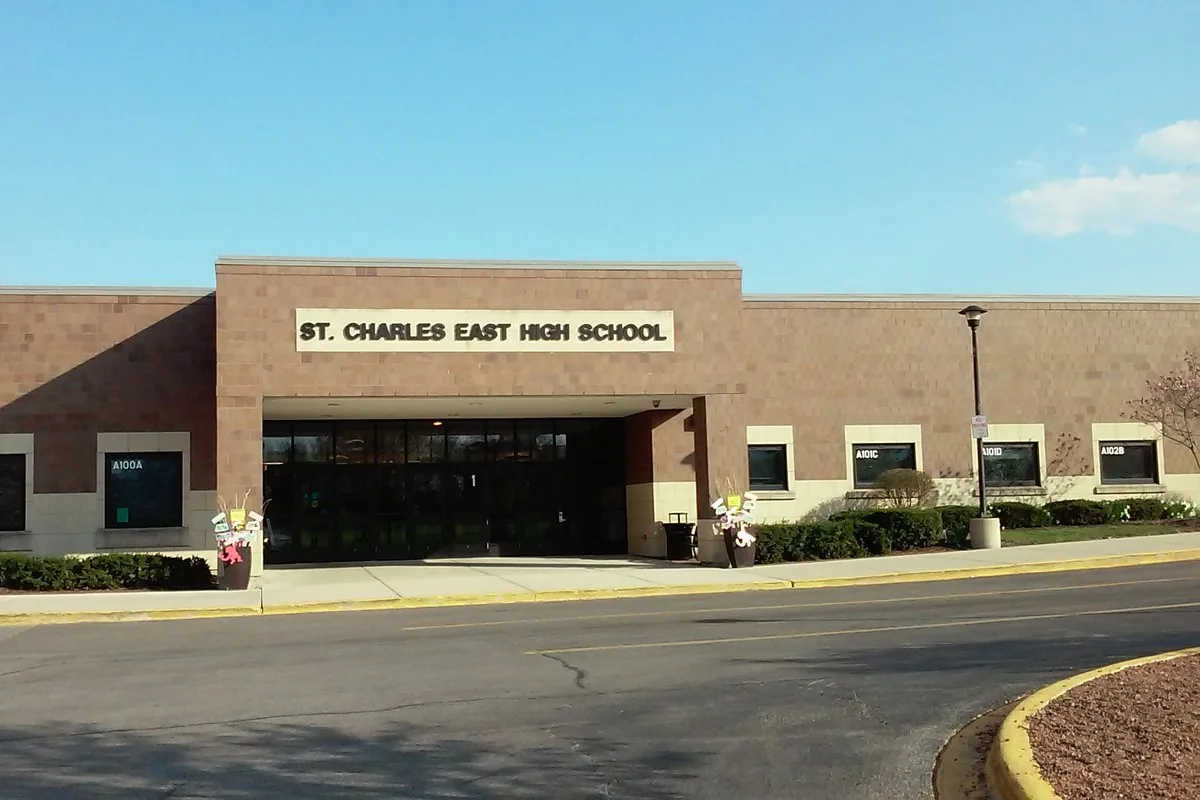
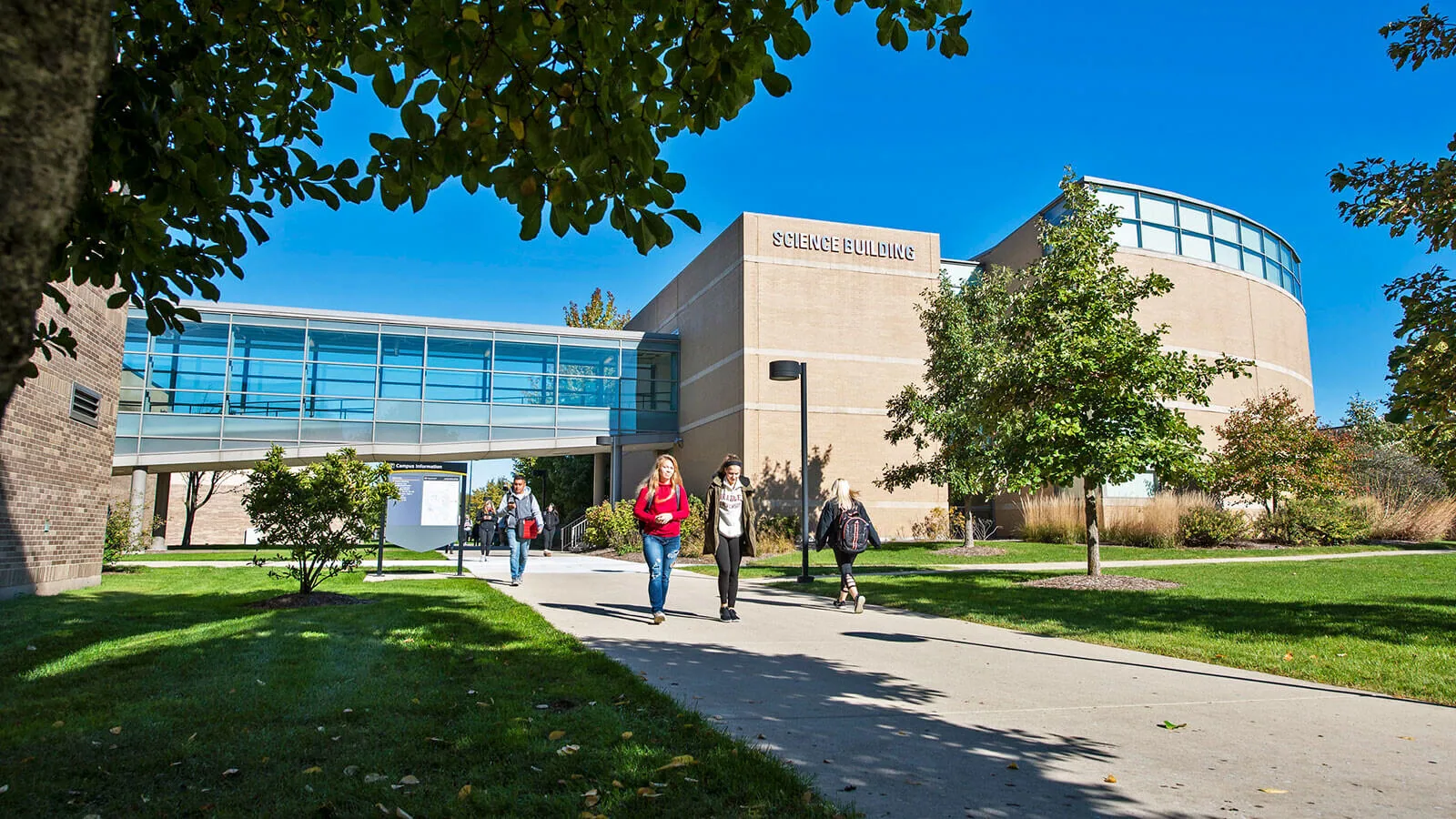
How should an employment-park roof inventory be built?
We identify the building address, roof section, access contact and available project records before the walk. The inspection records membrane markings, attachment clues, seam details, penetrations, curbs, drains, edges and prior patches. A roof inspection should show the visible condition and note the areas that were inaccessible. Park boundaries do not identify roof quantities, and a neighboring property does not confirm the same construction or repair history.
Where moisture may be concealed, an infrared moisture survey can direct sample locations. A scan alone does not confirm wet insulation; each core establishes conditions only at the point opened. We mark tested and untested portions, then compare results with invoices and the roof plan. If a building has separate additions or installation phases, their dividing lines are recorded so the repair scope follows the correct assembly.
Which findings support a repair now?
A limited puncture, seam issue or flashing defect can be repaired when material beside it remains stable and dry. Leaks returning at several locations or moisture confirmed below a larger area can raise the repair threshold. We trace the water path, inspect neighboring details and measure the area supported by evidence. A repair scope lists that boundary and keeps untested areas separate from the approved quantity. Cost also changes with the number of penetrations, access method, substrate preparation and disposal. We list those items separately so a facility can compare an isolated detail with a broader section repair. The proposal states which assumptions affect the total and which quantities are based on a confirmed roof measurement.
A recover or replacement decision also depends on existing layers, attachment, insulation, drainage elevations and roof height. A recover assessment checks whether the present assembly is suitable to remain under a new layer. A replacement evaluation states the tear-off area and how concealed conditions will be reviewed. The owner can compare the options by building and phase rather than dividing park acreage into an unsupported roof estimate.
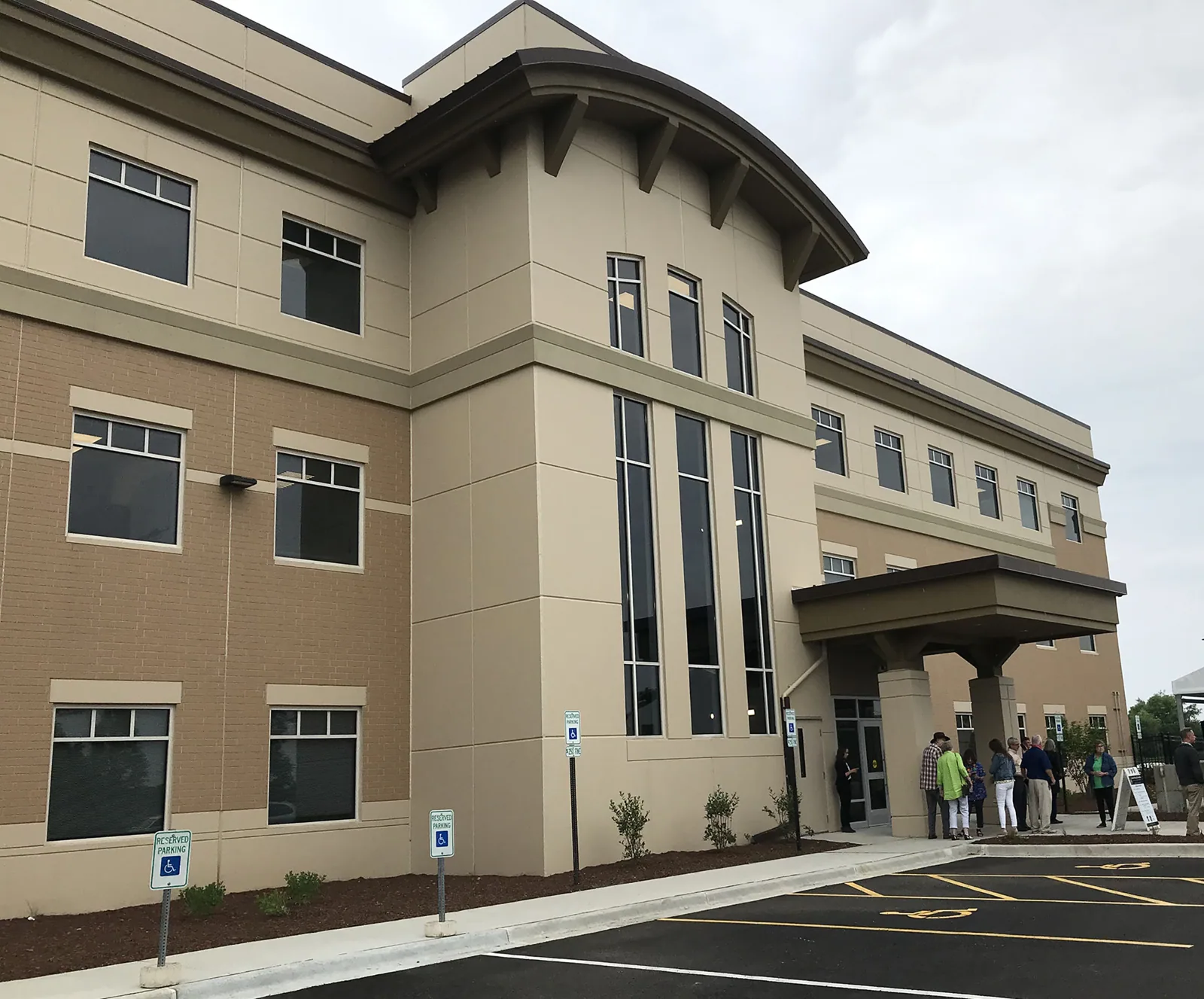
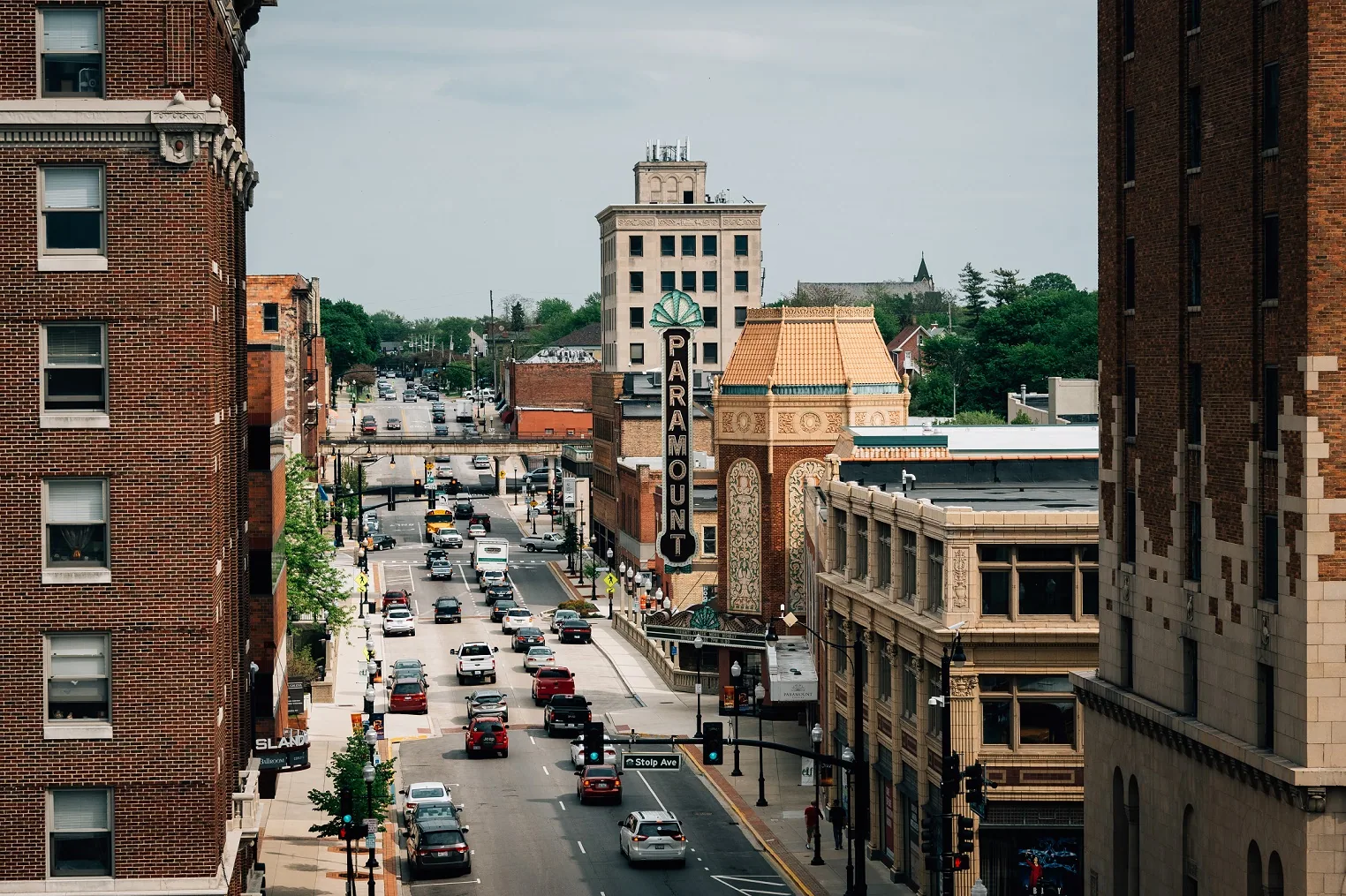
How can work be scheduled across multiple buildings?
A portfolio schedule should confirm access, operating hours, material staging, roof entry and equipment restrictions for each property. The site contact identifies any security or loading rules and tells us which area must stay open. We document those assumptions before the crew is scheduled. Stonehill, Highland Business Center and Farmington Lakes are distinct employment properties; every building still needs its own access plan, inspection and repair record.
If water is entering an occupied area, the first visit can establish temporary protection while we define permanent work. The emergency action and final repair appear as distinct tasks, with any follow-up sample noted. At each building, we photograph newly exposed material before adding a quantity beyond the original scope. The owner can review the change and authorize it before work expands, even when other properties are already scheduled in the same maintenance cycle.
How do you rank roofs without confusing area and condition?
Use an address-level condition band, confirmed repair quantity, test boundary, access needs and next review date for every roof. The 300-acre business park figure says nothing about the square footage of any building's roof. We keep inspection, sampling, repair and replacement as separate budget lines. A capital plan can group work by priority and funding period, provided each line remains supported by that property's records.
An assembly or insulation change should be reviewed against the requirements that govern the Oswego project. We identify those design questions from the selected scope and drawings before work is priced. A condition report retains the site map, photos and test limits behind a recommendation. For a portfolio that also includes Route 34 retail properties or the Naperville I-88 employment corridor, keep each roof map and test record attached to its own building while sharing the inspection calendar.
What should stay in each building's service file?
Keep the roof drawing, system notes, maintenance invoices, leak tickets, sample locations, approvals, work quantity and completion photos. Mark what was repaired and which locations remain for monitoring. If an issued warranty exists, preserve the original terms and issuer contact. Each property file should show any untested area and access limit so a future manager does not treat a partial roof walk as a complete condition assessment. A closeout should also state who accepted the finished area and whether a later walk is needed after weather or mechanical work. If the work is part of a multi-property program, the completion date belongs beside the correct address and roof section. This lets the portfolio manager reconcile cost, condition and maintenance responsibility without losing the building-level detail.
Kendall Point, Stonehill, Highland Business Center and Farmington Lakes Office Campus are distinct planning references within the Oswego employment-park context. Their shared market does not make their roof records interchangeable. The next inspection can revisit the same seam, drain and curb, compare the photo dates and record any change. That supports a portfolio decision with evidence from each facility instead of a generalized estimate based on the business park acreage.
Does Kendall Point's 300-acre size tell us how much roof needs work?
No. The figure describes the business park, not an individual building or its roof. We inspect and map each property separately, then set a quantity from visible and tested conditions. Unopened areas remain identified as unconfirmed.
Can nearby employment parks share one roof maintenance record?
They can share a portfolio calendar, but each building needs its own roof plan, access information, inspection results and repair history. We keep condition and approvals tied to the correct address so one property's membrane does not define another's scope.
How do you compare repairs across Kendall Point buildings?
We compare condition bands, active leaks, test results, approved quantities, access assumptions and review dates by property. A portfolio summary can show priority, while the individual roof map supports the repair choice and any replacement allowance.
What should be noted after a roof inspection in the business park?
Record the marked plan, photographs, inspected and tested areas, open questions, approved work and access limits. Keep each document with its address. This lets the next visit compare the same detail and avoids carrying an unsupported condition across nearby buildings.
Request a Roof Assessment
Share the Oswego address, roof plan, available maintenance records and access contact. We can inspect each roof section, document tests and prepare a repair or capital recommendation for that property.
Call 555-555-5555 or send the form and we will set a time to walk the roof.