Commercial Roofing on Route 34, Oswego, IL
Service Areas
Set the Route 34 roof scope by property
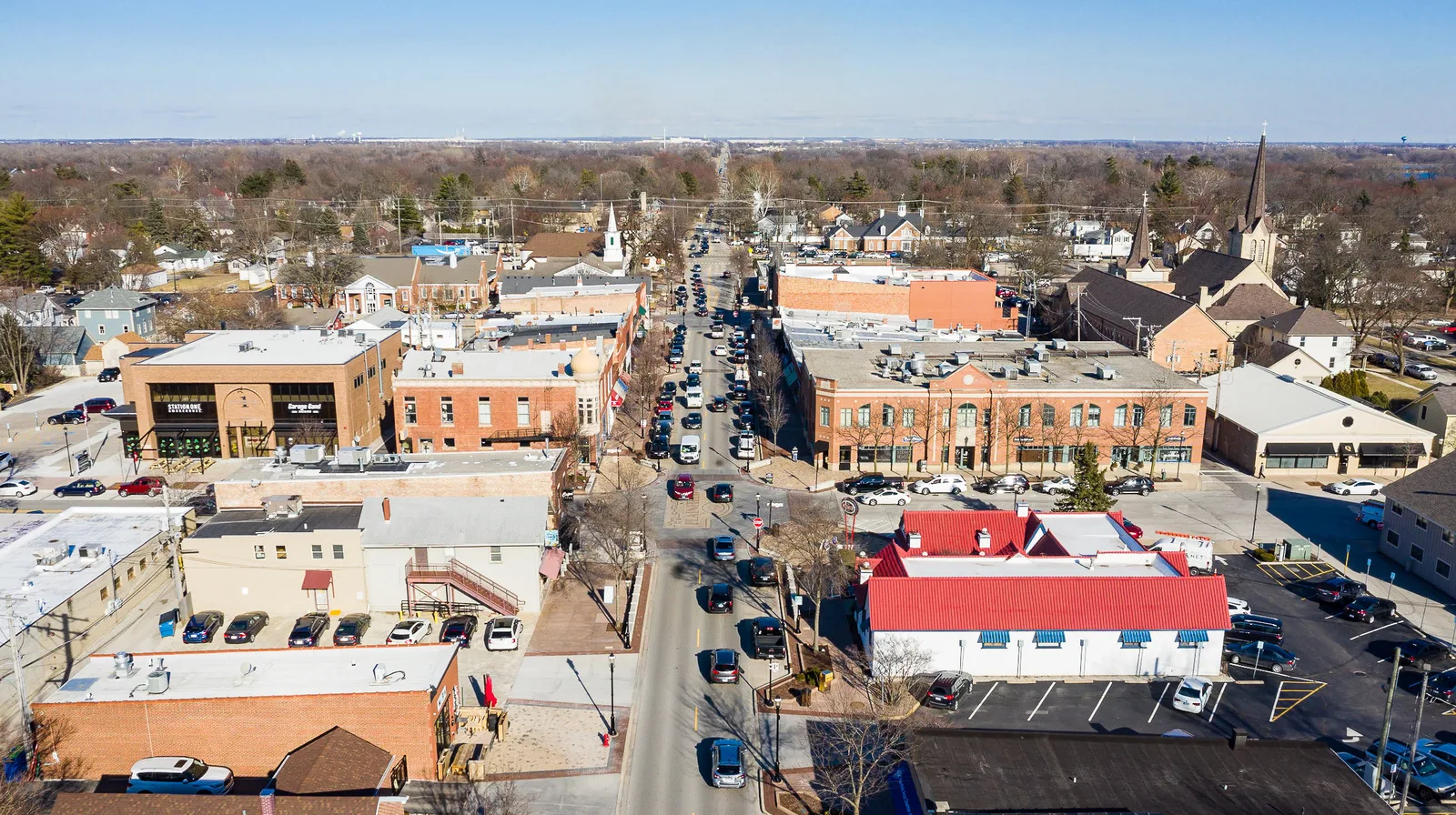
A service call on Oswego's Route 34 retail corridor needs a property address and roof location before it can become a repair quantity. Route 34 carries more than 30,000 vehicles each day, with over 30,000 daytime employees within five miles. Major corridor stores identified by the village include Target, Meijer, Walmart, Home Depot, Kohl's, Hobby Lobby and Burlington. These facts describe the area's retail activity, not the construction or condition of any named building's roof.
The corridor is about seven miles from I-88 and ten miles from I-55, which helps locate the service area for scheduling. Access gates, loading hours and roof entry still require confirmation from the property's contact. Aurora's market climate normals show about 121 below-freezing days per year and warm-season rain near four inches per month. We inspect drainage, seams and penetrations to see which details need maintenance or a measured repair.
How should a Route 34 roof visit start?
We match the tenant or facility report to the roof plan, confirm access, and then inspect the reported section and nearby water path. The walk records membrane, seam conditions, curbs, pipe boots, drains, edge transitions and prior patches. A commercial roof inspection shows visible findings and any surface blocked from view. Vehicle activity along Route 34 may influence delivery timing, but it does not establish the roof's system or the proper repair boundary. We take repeat photos from a consistent roof position and label each image with a section or detail. A later reviewer can compare a drain, field seam or curb with the earlier view and identify a change without confusing it with an unrelated condition elsewhere on the property.
If moisture below the membrane could change the scope, an infrared moisture survey can guide sample points. The image pattern is a screening aid; a core or other approved test confirms only its own location. We map the test boundary and leave surrounding areas marked as untested. This lets a property manager distinguish a roof section with confirmed moisture from a large area that has only been viewed from above.
When is a local repair enough?
A puncture, loose flashing or open seam can support a limited repair when nearby material remains sound and dry. If leaks repeat at multiple points, we look for a shared water path or broader attachment issue before treating them as separate failures. A repair scope identifies each confirmed location, the approved quantity and any work dependent on later testing or removal.
A section-level replacement or recover review may fit if testing identifies wet insulation, several laps have failed or the surface no longer supports a reliable patch. The decision compares existing layers, roof height, drainage, edges, attachment and the tie-in to adjoining sections. A recover assessment checks the current assembly; a replacement evaluation lays out tear-off boundaries and how concealed material will be measured. Each option is priced against findings from this property.

What should retail operations confirm before work?
We confirm material access, staging areas, delivery windows, entrances and any tenant activity that needs protection. Route 34 traffic and the number of daytime employees show why timing may matter across the corridor, but the individual property determines the active paths and operating rules. The work sequence should identify who receives notice, whether equipment requires a shutdown and how public or staff access remains available while work proceeds. The manager can identify any secure zones and the person authorized to move rooftop equipment. These requirements affect crew sequence and time on site. Recording them before work avoids relying on an access path that is closed or a system contact who is unavailable on the scheduled date.
For active water entry, the first visit can protect the interior while permanent repair is defined. We record temporary measures separately and note any section waiting for a test or material. If work spans several shifts, closeout records should say which details were secured at each stage. When removal reveals wet cover board or another concealed issue, the crew measures it and submits an added quantity for approval before expanding the scope.
How can a portfolio compare several retail locations?
Give each address its own roof map, condition band, tested moisture, repair history and next review date. Corridor activity or neighboring stores does not establish which property has the greatest need. We compare active leaks, confirmed moisture, repair thresholds, access needs and scheduled capital work. A capital plan can rank work by section and funding period while keeping provisional amounts separate from priced repairs.
Municipal and energy requirements may affect a replacement or assembly change, so we identify design review items from the selected system and project drawings. A condition report retains photos, sample points and open questions for later use. A facilities team can track a separate employment-property roof review or another retail corridor assessment in the same calendar without merging its findings into the Route 34 property file.
What should be retained after a retail roof project?
Save the marked roof plan, system information, service tickets, photos, tests, approvals, work quantity and completion date. Identify repaired details and sections left open or untested. If an issued warranty applies, keep its terms and issuer instructions with the file. A later manager can use those records to compare the same drain or seam and determine whether the prior repair remains serviceable.
The corridor's listed stores and regional access provide context for a visit, but the property records establish its roof history. Add any later equipment or tenant work that touches the membrane and update the access notes when they change. A condition review can then separate a new opening from a past repair. That history supports a repair-versus-replacement decision without relying on store identity or corridor traffic as a proxy for roof condition.
Does the number of vehicles on Route 34 change a roof repair quantity?
It can affect delivery or access planning, but the roof quantity comes from inspection and testing. We confirm the property's approved staging route and measure the affected section. Any timing assumption remains separate from material and labor quantities.
Do the named retail stores share one roof maintenance plan?
Each building needs its own assembly records, roof map, inspections and approvals. A portfolio calendar can organize review dates, but nearby stores do not establish common roof construction or condition. We keep all findings attached to the correct address.
Can a Route 34 roof be inspected while a store is open?
The facility contact identifies access hours, customer paths, staging limits and protection below. We sequence work to the approved operating plan and note any area that could not be reached. Temporary leak protection and permanent repair remain separate tasks.
What should be in a retail roof repair closeout?
Keep a marked drawing, before-and-after photos, repair material, approved quantity, date and any test result together. State what remained untested and which access limits affected the inspection. This helps the next manager review the same roof details.
Request a Roof Assessment
Share the Oswego address, roof plan, leak reports and operating requirements. We can inspect the affected sections, document test limits and prepare a repair, recover or replacement scope.
Call 555-555-5555 or send the form and we will set a time to walk the roof.