Commercial Fire Damage Roof Repair in Aurora, IL
Roof Damage Repair
Inspect the released roof area and document the boundary
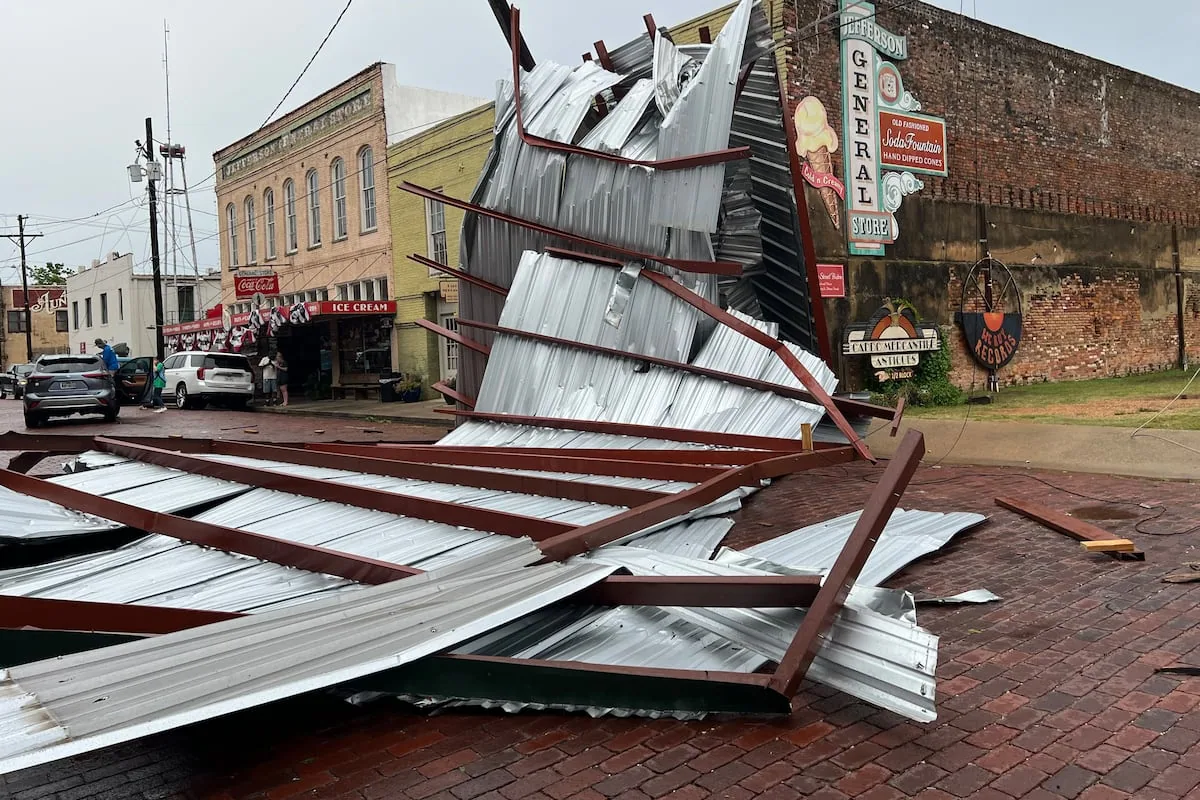
After a rooftop or interior fire, the roof can be affected by heat, suppression water, debris or damage at a penetration. The first roofing decision is to identify which area can be safely inspected and what the fire response team has released. We document visible roof conditions, temporary protection and open questions separately, then define the roof section that needs testing or repair.
Aurora's commercial stock includes industrial property west of Aurora Municipal Airport, retail near Route 59 and I-88, and historic commercial buildings in Downtown Aurora. A fire can affect each roof assembly differently, and no nearby building or regional condition establishes damage at the site. We coordinate with the owner and qualified fire or structural personnel, using the property's access controls and actual fire-area boundary to plan the survey.
When can the roof be entered safely?
The building owner or fire authority confirms which areas are released, what hazards remain and whether an escort or protective equipment is required. The responsible party authorizes access and confirms that the area is released before we enter. The inspection plan names the permitted roof route, active zone and limits on photographs or material removal. If a structural professional must review a deck or support, roofing work waits for that evaluation and documented direction.
Fire suppression can leave water standing around drains and seams. Aurora averages about 37.7 inches of precipitation annually, so a damaged roof needs its own controlled dry-in plan in addition to weather protection. We identify an opening, protect it within the approved area and verify tie-ins before work pauses. Emergency response is available around the clock, but entry and stabilization remain subject to the scene's safety and access release.
Which materials were exposed to heat or water?
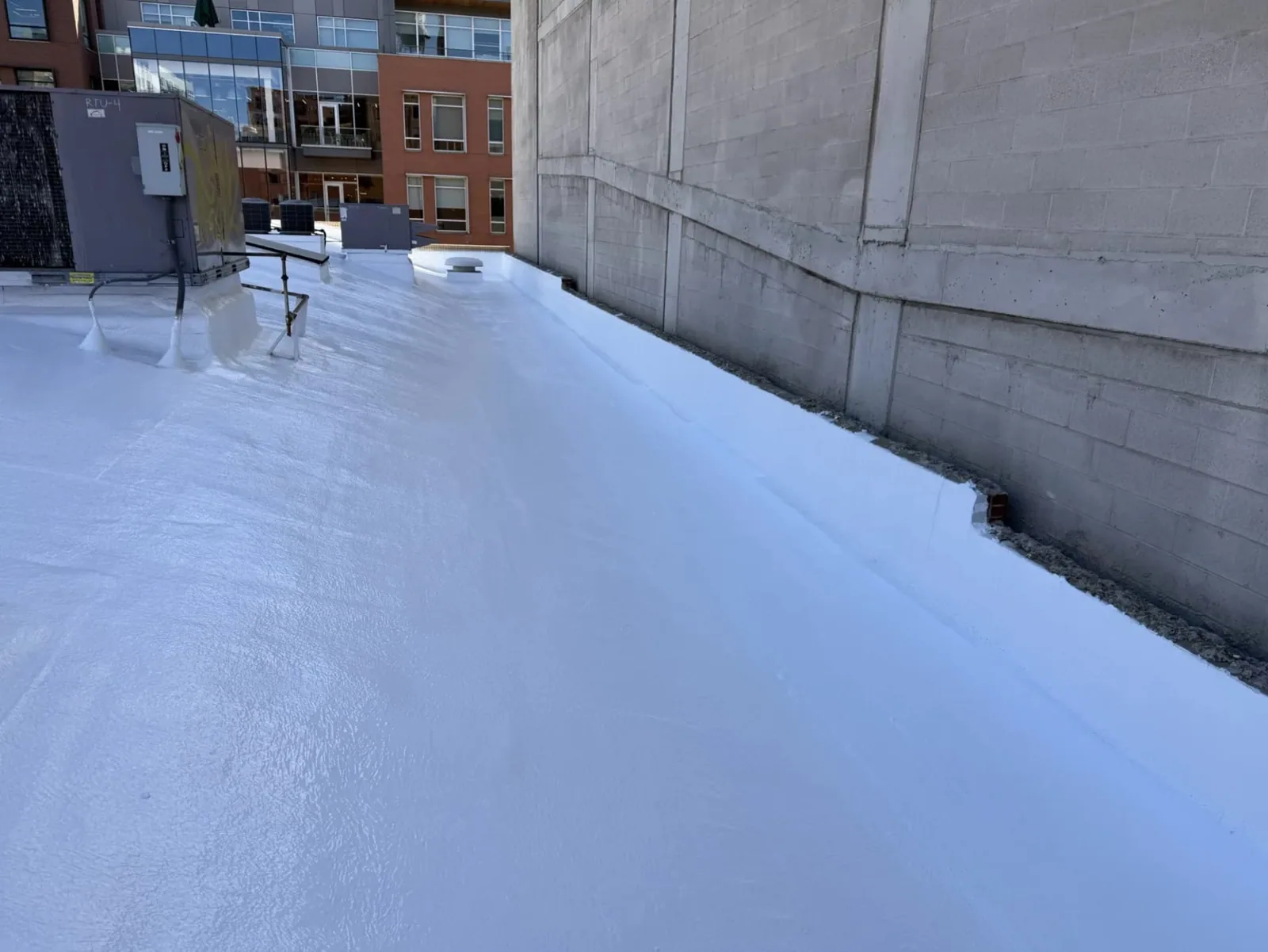
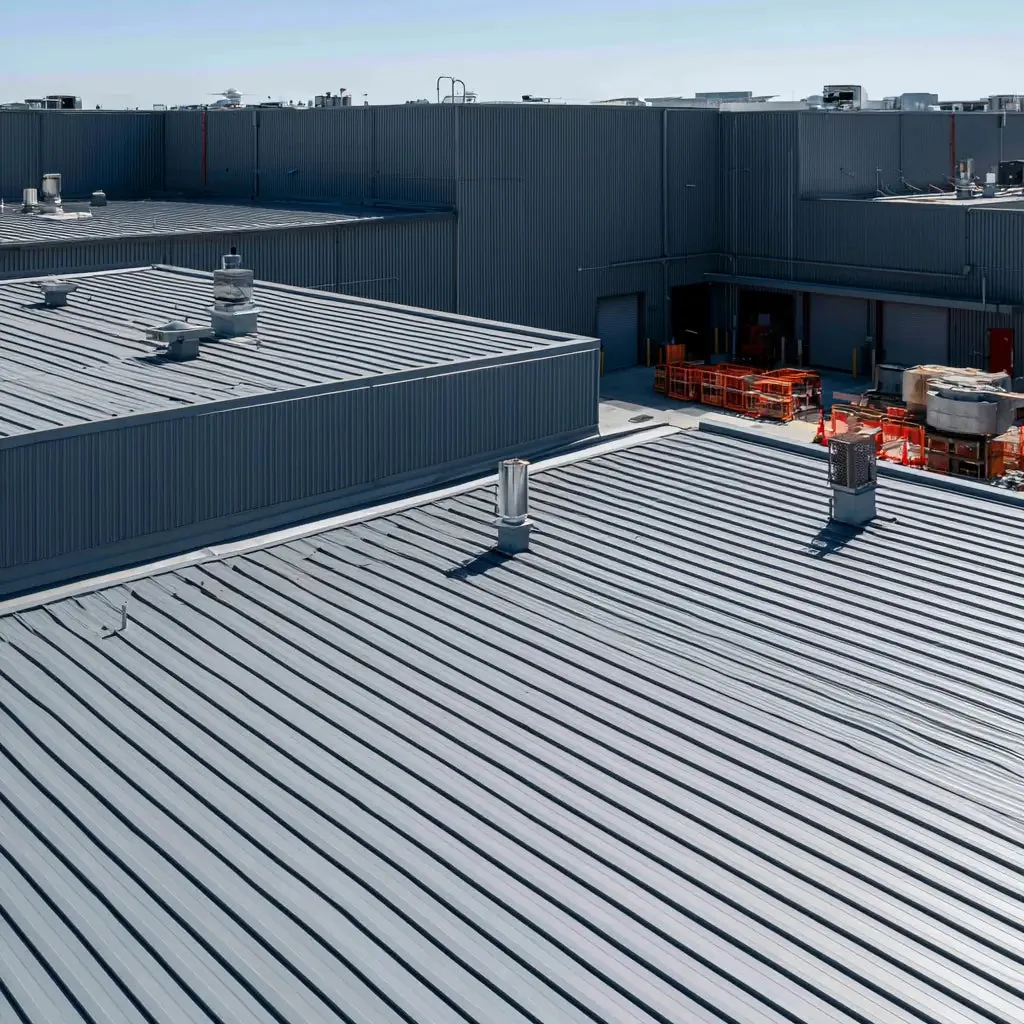
We inspect membrane, insulation, cover board, deck, curbs, flashing and edge details within the released zone. Surface discoloration alone does not measure how deeply heat affected the assembly. We note blistering, shrinkage, open seams, melted components and suppression-water paths as observed conditions. Photographs connect each observation to the roof plan and distinguish damage from portions that were not exposed or not inspected. Smoke residue can obscure membrane seams or contaminate a surface that needs repair, so we note where cleaning or material testing is required before a patch is specified. Rooftop units and penetrations near the fire area are recorded for engineering review if service or wiring may have been affected.
Moisture may remain under a roof surface after suppression, even beyond the visible opening. Infrared patterns can guide sample points, but core tests confirm only locations opened with authorization. We record sample depth, area and findings, and keep untested sections separate. A roof inspection can document the existing assembly and identify where further testing or structural review is necessary before replacement quantities are set.
How should temporary water protection be recorded?
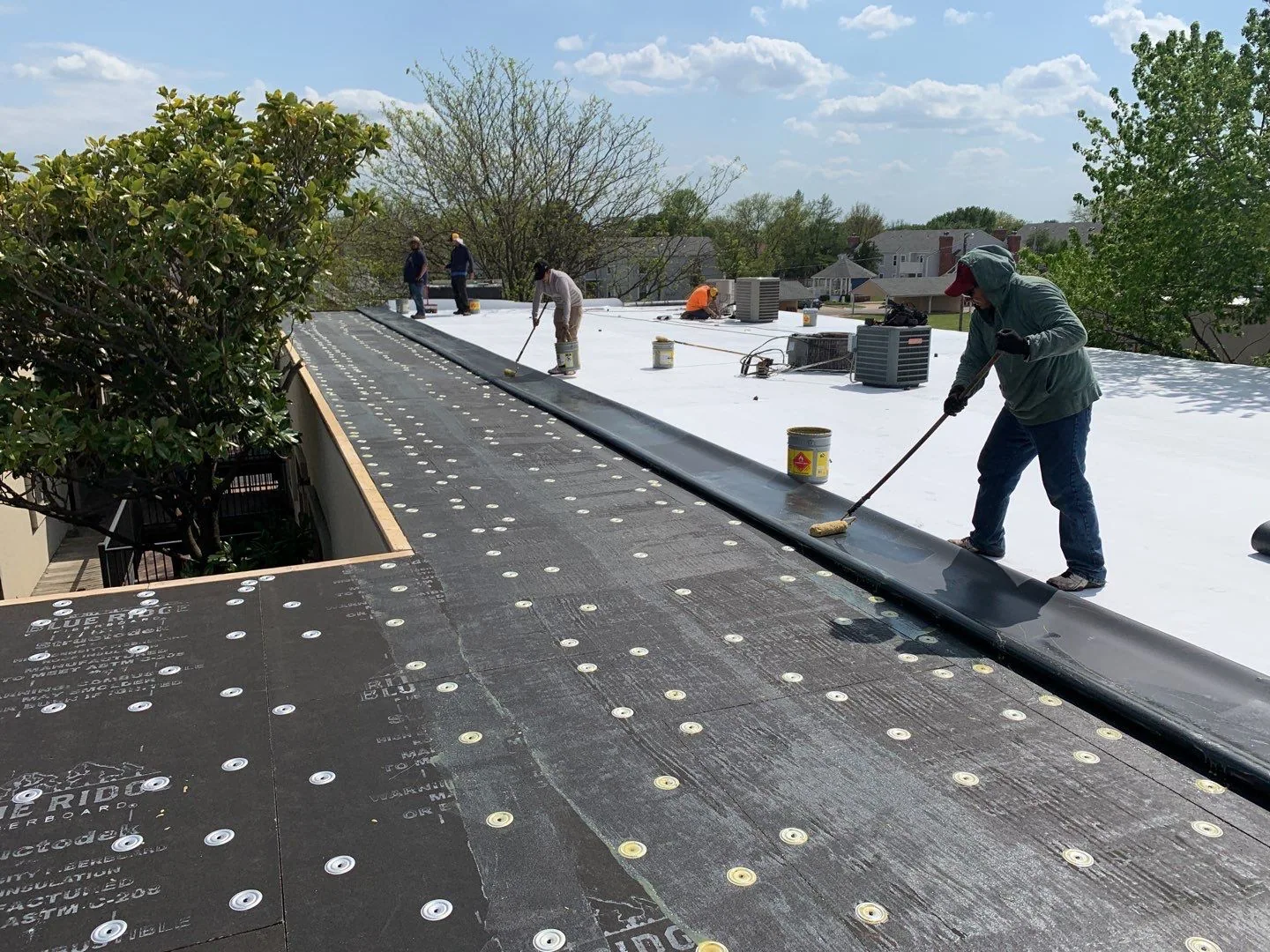
Temporary measures should be tied to a specific opening, date, material and roof section. We photograph the initial condition, place approved protection where the site permits and report any area that still admits water. Suppression debris and damaged materials are handled under the owner's safety and disposal rules. Temporary cover is not the permanent repair; the file should keep both scopes separate so later estimates reflect what remains to be restored.
Aurora's summer precipitation is near four inches per month from May through September, so the temporary boundary needs routine checks through active weather. The facility contact identifies interior areas to protect and any building service that must remain operational. A daily handoff states which roof zones are dry, where access remains restricted and what tests await approval. This keeps the emergency response record useful after the site moves into planned restoration.
Can the damaged section be repaired?
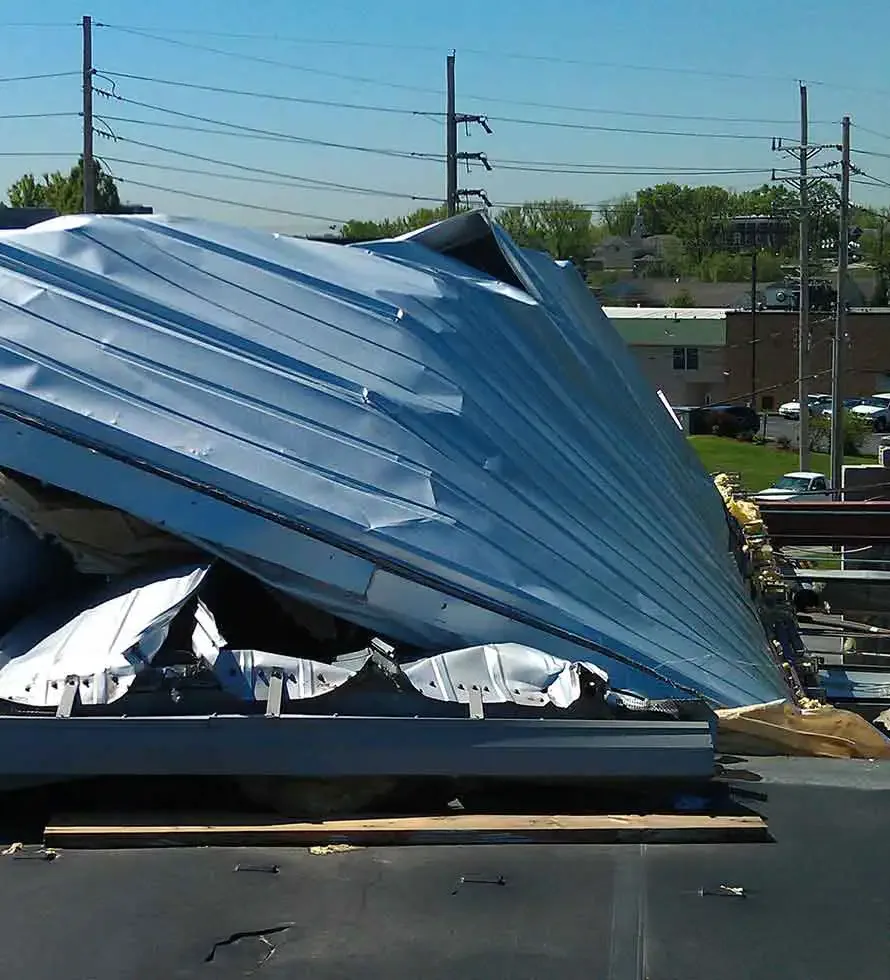
Localized repair may be appropriate when heat and suppression water did not affect the substrate beyond a defined area. Damage across insulation, deck, supports or multiple roof sections may require broader restoration and design coordination. We compare the approved test map, fire-area boundary, roof assembly and adjacent materials before proposing a repair or replacement. Structural review is kept distinct from membrane observations, with each specialist's findings attached to the relevant section.
Heat exposure can resemble surface aging, while a puncture or seam split can create a separate water path. A heat-damage assessment distinguishes broad surface breakdown; a puncture inspection maps localized openings. If the owner is documenting an insurance loss, a claim record can organize photographs and quantities, but coverage decisions remain with the insurer and policy terms.
What belongs in the fire restoration file?
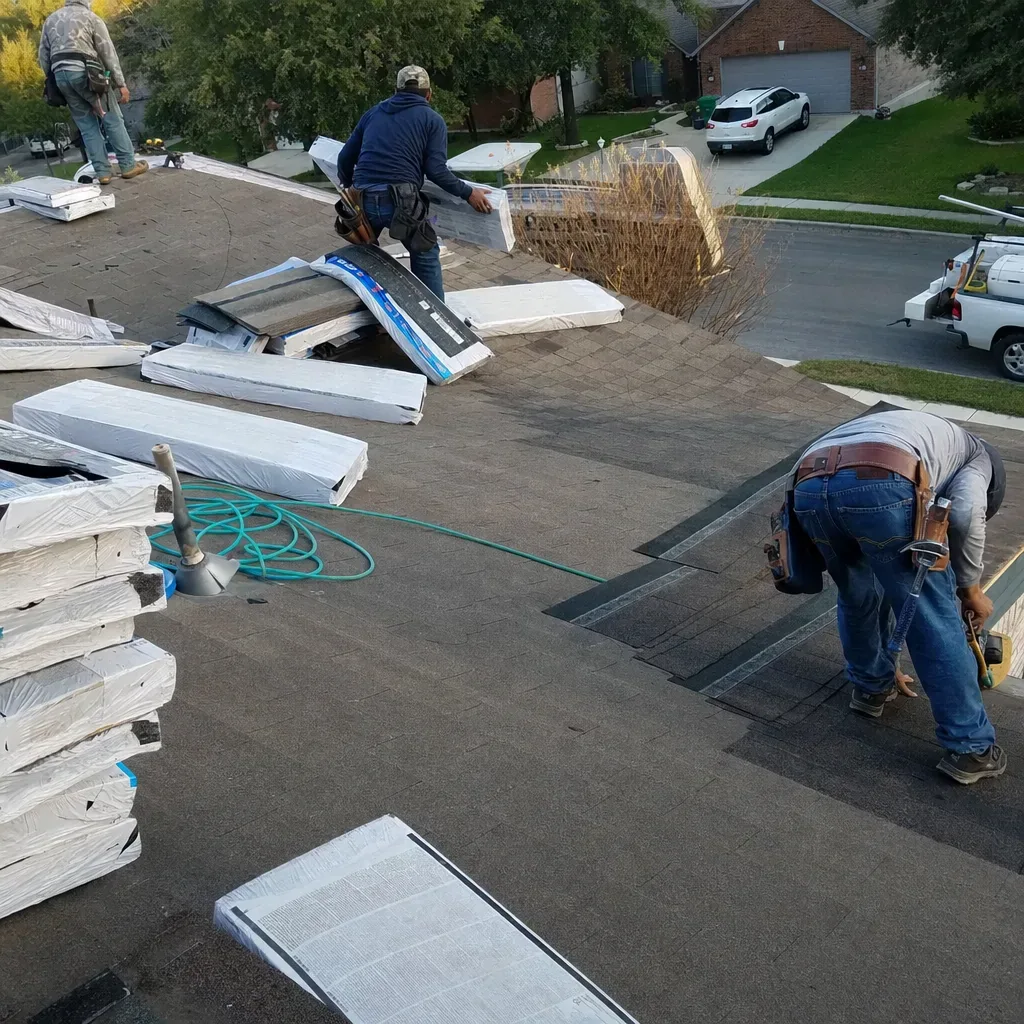
Keep fire-release notices, access restrictions, incident date, photographs, suppression-water notes, test authorizations, inspection results, temporary protection and repair approvals together. Mark the exposed zone and every sample location. A final closeout states what material was removed, what was replaced, what remains untested and the approved quantity. That gives facilities staff a clear baseline for future inspections and prevents the emergency cover from being mistaken for a finished roof repair.
Downtown Aurora's historic commercial buildings and adaptive-reuse projects present different access constraints from industrial facilities near US 30 and I-88. Those places orient local service planning; only the fire-damaged property's inspection establishes its condition. A condition report preserves findings by section. The Downtown Aurora area and airport industrial area can identify locations in the response log. Keep the fire authority's release and engineering findings linked to the roof work record.
Can a roofer inspect a building before the fire department releases it?
No. The responsible fire authority or owner must confirm that the area is safe and accessible. Once authorized, we inspect only the released zones and follow the site's escort, protective-equipment and documentation rules. Any restricted area stays outside the inspection finding until access is approved.
Does a fire-damaged roof always need full replacement?
The decision follows the affected materials and verified boundaries. A localized area may be repairable, while heat, suppression water or deck damage across several sections can require more extensive work. We document visible conditions and testing separately from structural findings before a quantity is approved.
How do you test for moisture after fire suppression?
We inspect the roof path, use infrared patterns to select sample areas when appropriate and perform core tests only with authorization. Each sample confirms its own location and depth. The report maps tested and untested areas so the result is not extended beyond the evidence.
What should be kept for an insurance restoration review?
Keep the incident date, release notices, photographs, suppression records, roof plan, test locations, temporary work, repair quantities and approvals together. The insurer determines coverage. Our documentation connects observed roofing conditions and performed work to the facility and section involved.
Request a Roof Assessment
Share the Aurora property address, fire release, authorized contact and available roof plans. We can inspect accessible sections, document testing needs and prepare a temporary or permanent repair scope.
Call 555-555-5555 or send the form and we will set a time to walk the roof.