Commercial Heat and UV Roof Damage Repair in Aurora, IL
Roof Damage Repair
Test the roof before choosing restoration
A membrane that has become brittle or separated at a seam can lose flexibility before a leak appears inside. The area records a normal July high of 83.9°F and around twelve 90-degree days each year, a useful context for surface heat stress. We inspect surface condition, seams, flashings and roof penetrations, then map deterioration separately from isolated impact or repair damage. The facility receives a section-level finding and a decision on whether testing or restoration is appropriate.
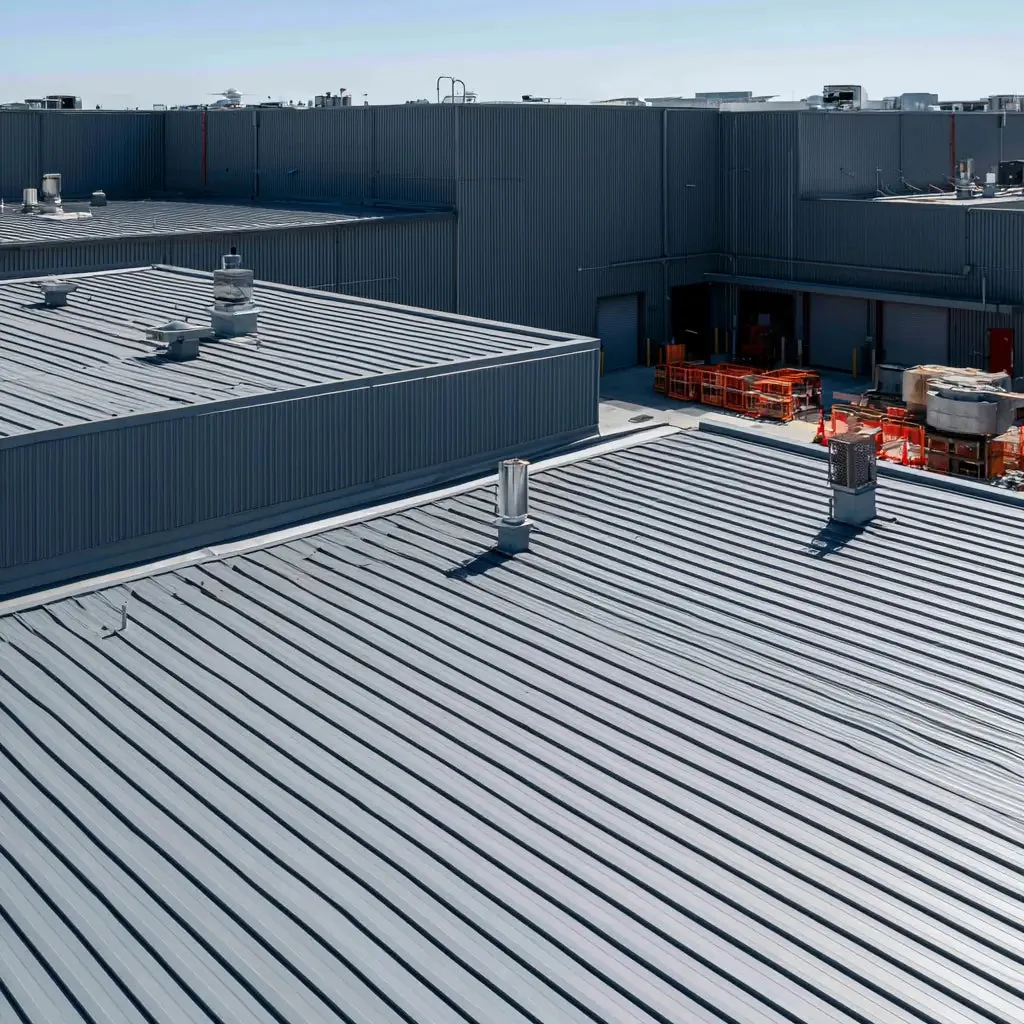
Commercial roofs around Route 59 and Fox Valley Mall, Downtown Aurora and west-side industrial routes face the same regional sun but not the same roof system or maintenance history. Surface color, membrane type, drainage, ventilation and prior coatings all affect how a roof presents. We document what is installed and where deterioration occurs rather than assuming a particular material has failed because the surface looks weathered.
Is the roof surface brittle or locally damaged?
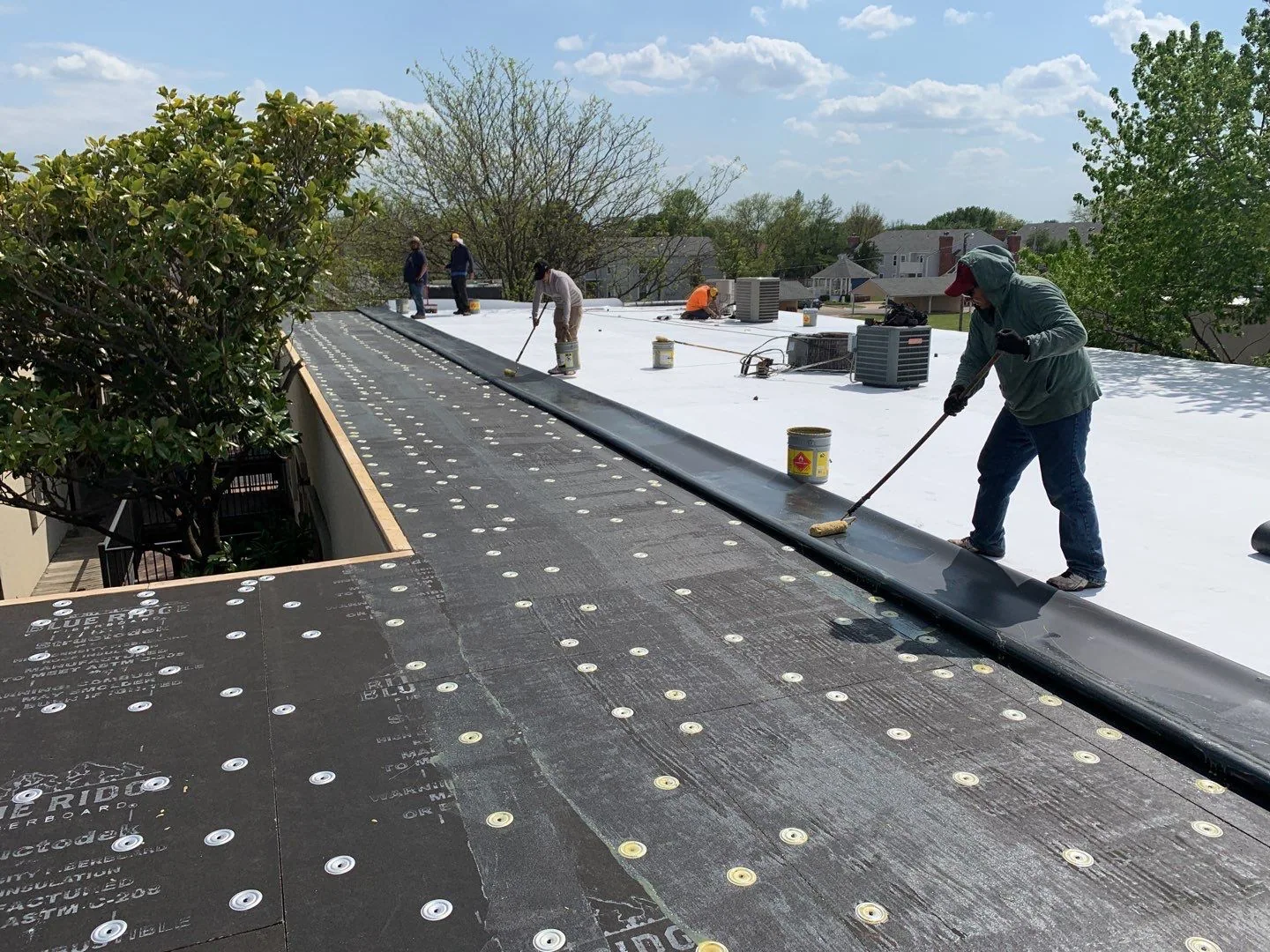
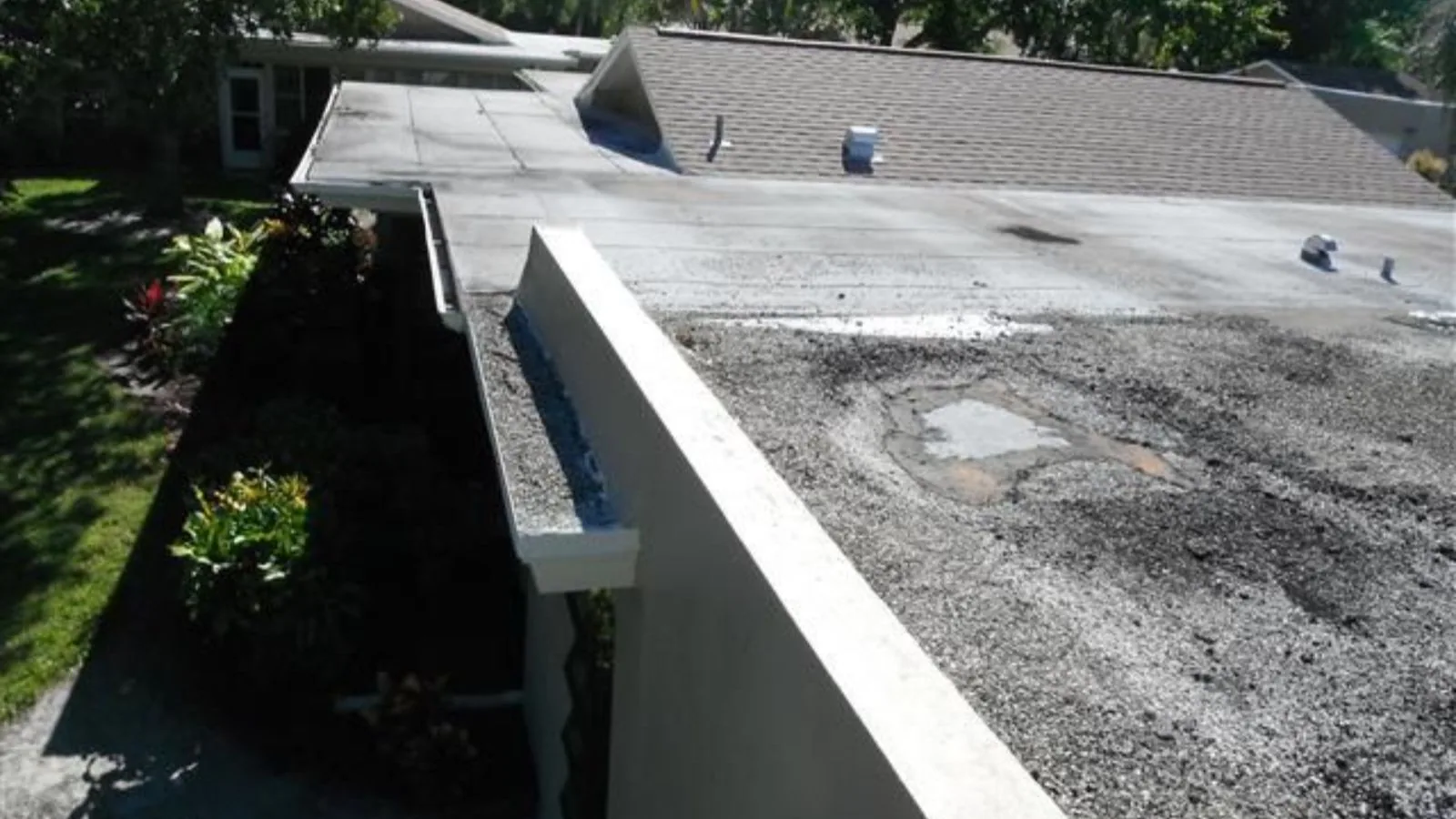
We examine exposed membrane for cracking, crazing, shrinkage, surface erosion and loss of flexibility, then check seams, edges, penetrations and prior repairs. A worn coating or surface discoloration may be cosmetic, while a split or open lap is a functional defect. Photographs identify each section and detail. We compare the surface with assembly records and note any roof area not accessible during the inspection.
Heat may affect a broad roof field, but moisture can still be localized. Infrared patterns can guide core locations when insulation is suspected, and samples confirm only the points opened. We map test boundaries before setting removal or replacement quantities. A moisture survey can help distinguish dry surface deterioration from a wet assembly that cannot be covered. The report states whether further testing, maintenance or replacement planning is needed. Blisters or bubbles should be mapped individually: they can reflect trapped moisture, poor adhesion or another installation condition. We note whether a blister is intact or open and avoid puncturing it before its cause and repair method are understood.
Can a coating extend the repair option?
A coating can be considered when the existing roof is sound enough to accept preparation and the new material is compatible. It does not repair wet insulation, loose seams or a weak deck. We inspect adhesion, surface contamination, drainage and transitions before recommending restoration. The approved scope identifies preparation, reinforcement, flashing work and test areas rather than relying on a coating layer to hide existing defects.
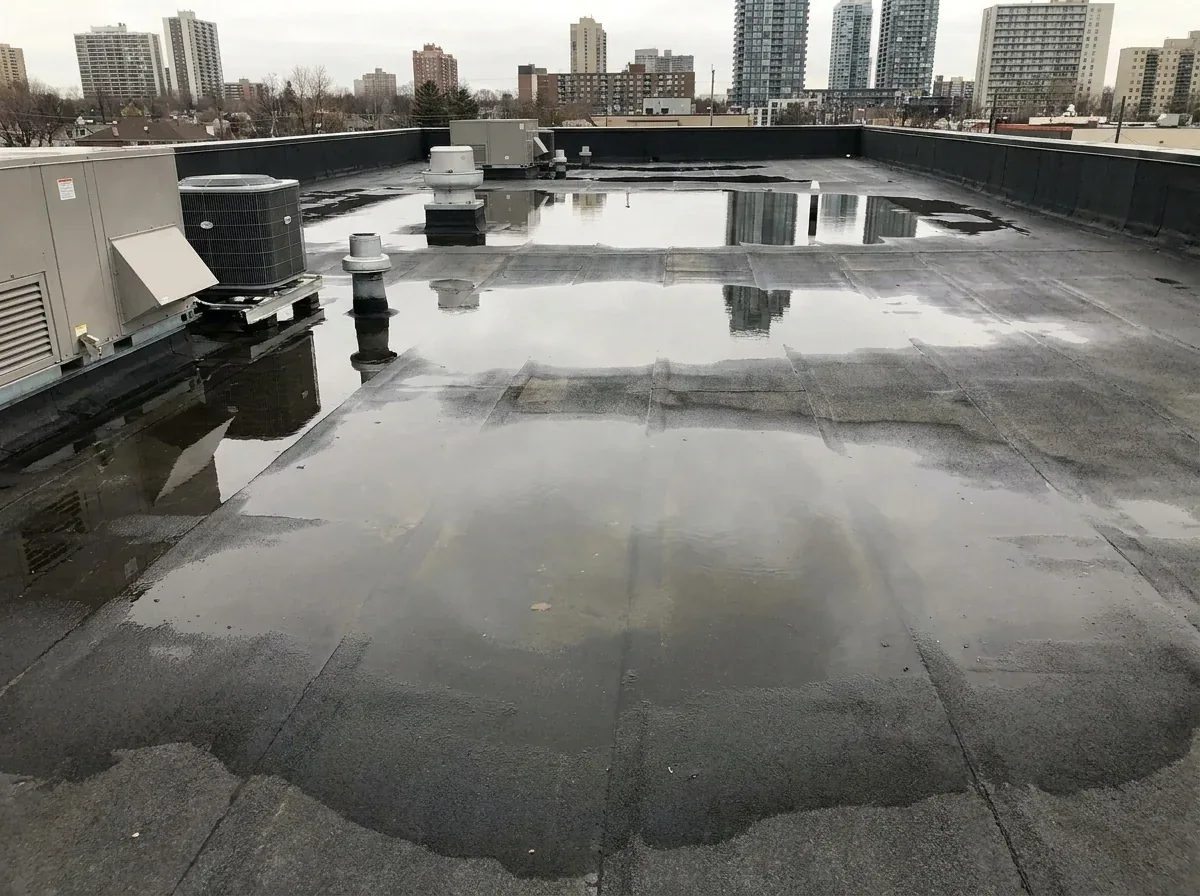
When membrane has become brittle or failed across a broad section, replacement may be more suitable than coating. A restoration assessment checks substrate readiness; cool-roof planning considers reflectance and assembly requirements. Aurora's heat exposure is seasonal, and the roof's observed condition governs whether restoration is appropriate. A seam repair inspection can address a localized opening without confusing it with broad surface aging. Where standing water remains, a ponding-water inspection can determine whether drainage contributes to the observed wear.
What changes heat-damage repair scope?
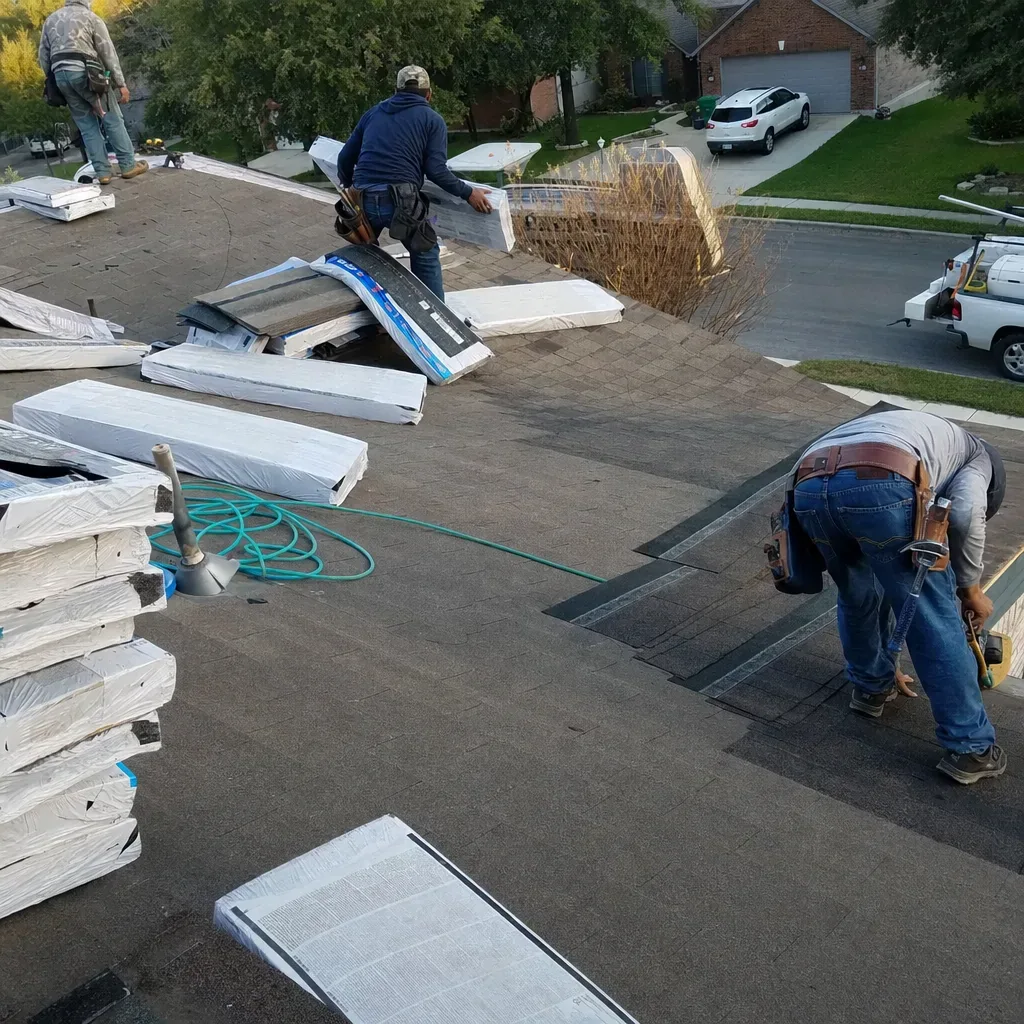
Cost follows the area of confirmed deterioration, number of seams and penetrations, surface preparation, access, coating compatibility and any insulation testing. A surface restoration may require cleaning and repairs before the coating is applied. If testing reveals moisture, that section may need removal and replacement rather than encapsulation. We state the verified quantities and identify conditions that need approval before they change the estimate.
Summer roof temperatures can differ from the city's recorded air temperature, and high surface heat may affect safe working hours and material handling. We follow the selected system's installation conditions and plan shade, access and crew timing where required. Seasonal rain can limit the amount of roof opened or coated each shift. The schedule records the dry-in boundary and the cure window before facility traffic returns below the work area.
How should the owner limit further surface wear?
Maintenance staff can reduce avoidable wear by controlling rooftop access, replacing displaced walk pads and routing service traffic across designated paths. Keep drains clear and record where equipment service or construction work moves supports. A new curb or conduit can create a fresh flashing detail that needs inspection. We note these changes in the roof map so later surveys can distinguish broad material deterioration from localized foot traffic or equipment work.
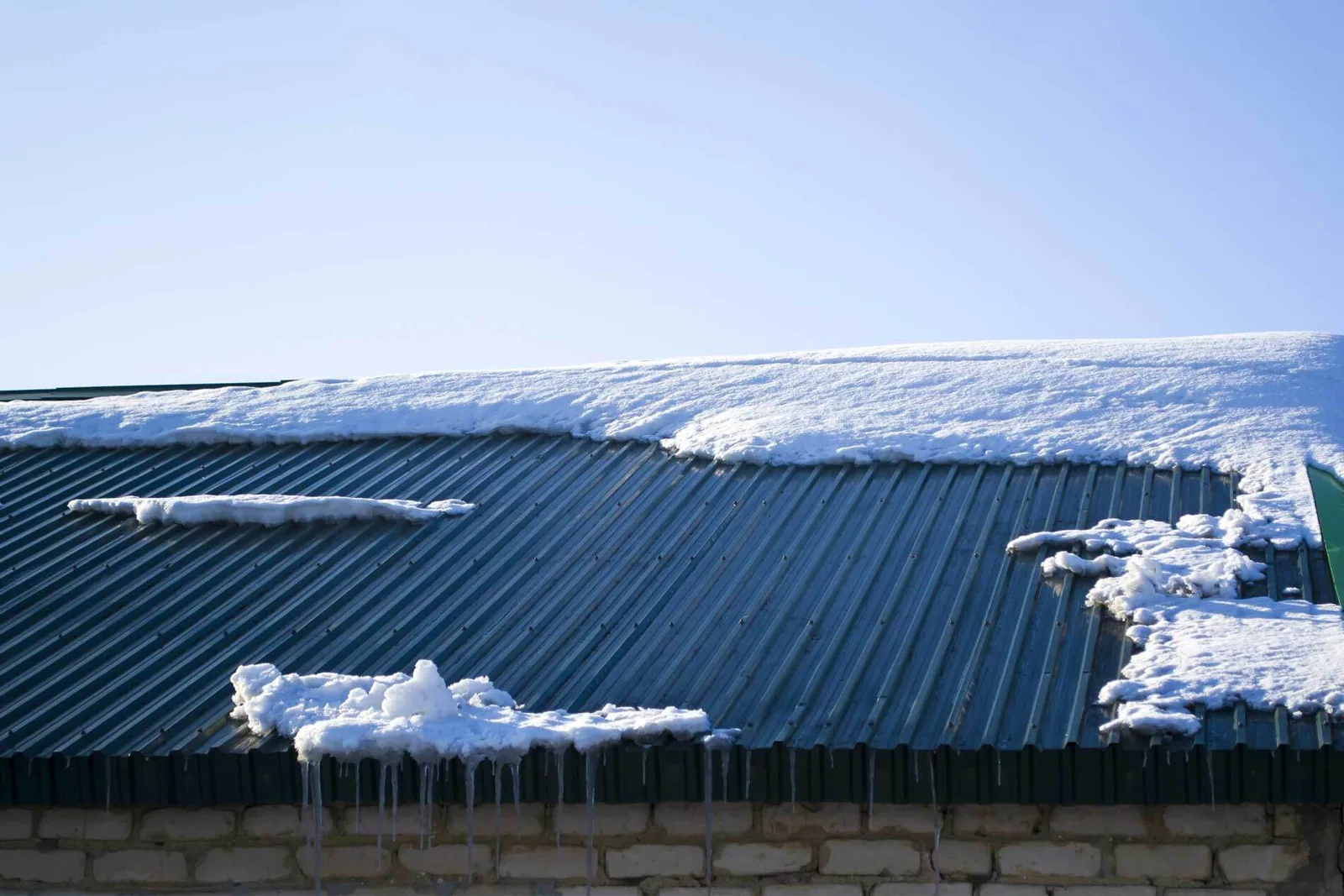
Aurora also experiences freeze-thaw exposure, with about 121 days below freezing annually. Repeated seasonal movement can open aged seams or stress flashings after a hot summer. A periodic walk should check those transitions, not only the central field. Inspect walk pads at unit access points, keep service tools from dragging across the surface and note any staining around supports. That record can identify a recurring maintenance path before a small abrasion becomes an opening. If surface changes accelerate or a leak appears, the owner can compare current photos with the last portfolio date and request a section-specific review.
What should the heat exposure file show?
Keep installation records, prior coating work, roof photographs, sample locations, repair quantities and dates together. Note surface condition by section, product applied and any area left untested. If an area was coated, record preparation and any wet insulation removed beneath it. These details help the next inspection compare performance and identify whether wear is progressing across the field or limited to a previously repaired detail.
Fox Valley Mall's redevelopment district and Aurora's airport industrial area have different building and access contexts. They help locate service visits but do not reveal membrane age or condition. A condition report preserves the map and test boundary. The Fox Valley Mall area and airport industrial area are dispatch landmarks only; an inspection log should identify the aged coating, exposed surface and tested roof zone before any repair is chosen.
Does a faded roof membrane need replacement?
Color change alone does not establish failure. We check flexibility, surface cracking, seam condition, flashing and moisture. A sound assembly may be maintained or restored, while widespread brittleness or confirmed wet insulation may point to replacement. The recommendation follows observed conditions and test results.
Can a roof coating stop heat-related membrane aging?
A compatible coating can protect a suitable substrate, but it cannot correct a wet or unstable assembly. We inspect adhesion, seams, drainage and surface preparation before proposing a coating. The approved scope states repairs and tests needed first, along with installation conditions and cure time.
How does Aurora summer heat affect roof repairs?
High roof surface temperatures can change safe work hours and material application conditions. We follow product requirements and plan a season window that also accounts for rain and access. The installation record identifies the surface and conditions under which the repair or coating was completed.
What should be checked after a roof has been coated?
Keep application records, product, surface preparation, repaired details, photographs and date. Follow-up inspections should check seams, edges, drains and coating continuity by section. Any new equipment or service route should be mapped so future wear is not confused with coating deterioration.
Request a Roof Assessment
Send the Aurora address, roof assembly records, prior coating details and photographs. We can inspect surface condition, map suspected moisture and document whether repair, restoration or replacement planning fits.
Call 555-555-5555 or send the form and we will set a time to walk the roof.