Commercial Roof Insurance Claim Assistance in Aurora, IL
Commercial Roofing Services
Build a roof record the owner can review
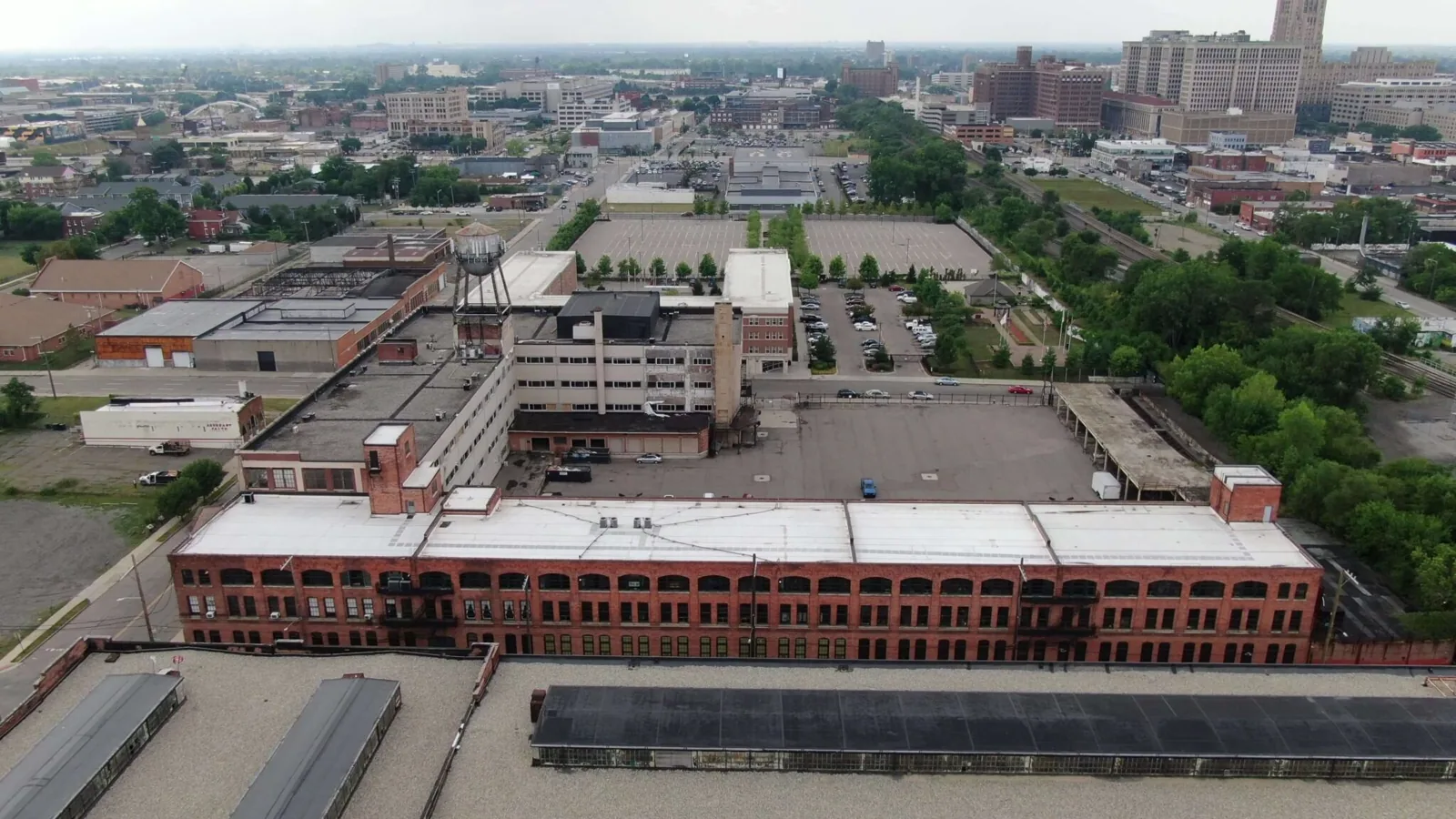
A claim file loses value when a repair estimate combines fresh impact with an older leak history. We inspect the roof, map observed conditions by section and separate event-related evidence from prior repairs or unresolved moisture. Northern Illinois storm records include damaging hail and tornadoes, but regional hazard data does not prove damage at one address. The facility record needs dated photographs, a roof plan and a scope tied to observed conditions. Our storm damage assessment gives the owner a factual basis for the next discussion.
For a portfolio spanning Downtown Aurora and the Naperville I-88 corridor, each building should retain its own event timeline, assembly notes and repair quantities. A shared claim calendar can track contacts and deadlines, while the inspection record remains specific to each roof. We identify the facility representative, dates, access limits and any areas we could not inspect. That distinction helps a property manager review the contractor's scope without reading an assumption as a confirmed loss.
What evidence belongs in the claim file?
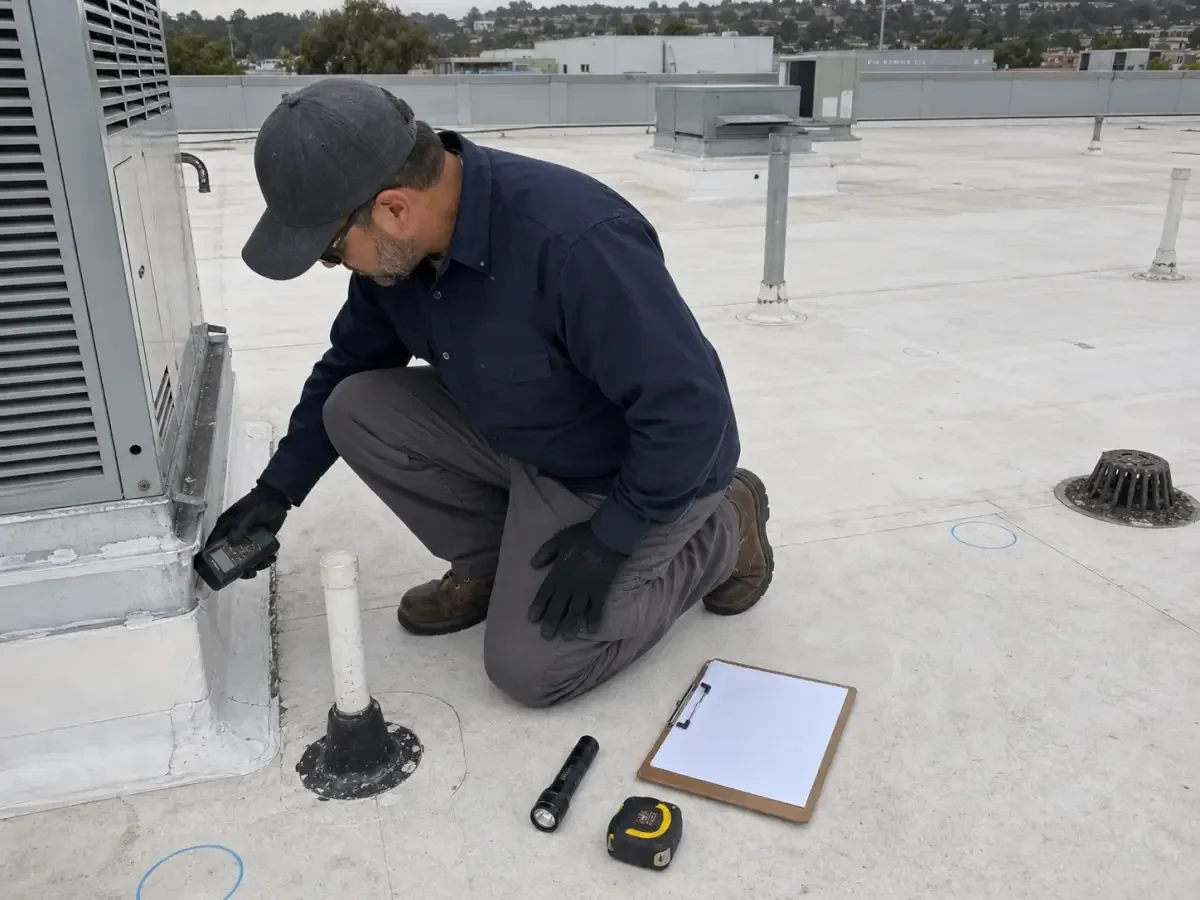
We document the inspection date, roof section, observed condition, photo location and measured repair quantity. Images should show both the detail and enough surrounding roof to place it on the plan. We record whether a seam is open, metal is displaced, a puncture reaches the membrane or a mark remains cosmetic. The file also notes prior patches, known leak areas and damage that cannot be attributed from visible evidence alone. This lets the owner distinguish what the roofer observed from what another party may conclude about cause or coverage.
When concealed moisture is suspected, we describe the screening method and any follow-up core locations. Infrared readings can identify patterns under suitable conditions, but they do not establish wet-insulation quantity by themselves. We keep tested and untested areas separate, including the basis for any repair allowance. A moisture survey may guide additional testing, and a condition report can preserve the building's baseline before and after work. Neither replaces the insurer's coverage decision.
How should scope and cause stay distinct?
The repair scope describes work needed to restore the roof, while claim coverage is determined under the owner's policy. We can document the observed condition and provide a measured contractor estimate; we do not decide whether a carrier owes payment. The file should identify emergency protection, permanent repairs, code or permit questions and any concealed conditions as separate items. If the roof has unrelated wear or older repairs, those observations stay visible rather than being folded into a storm quantity.
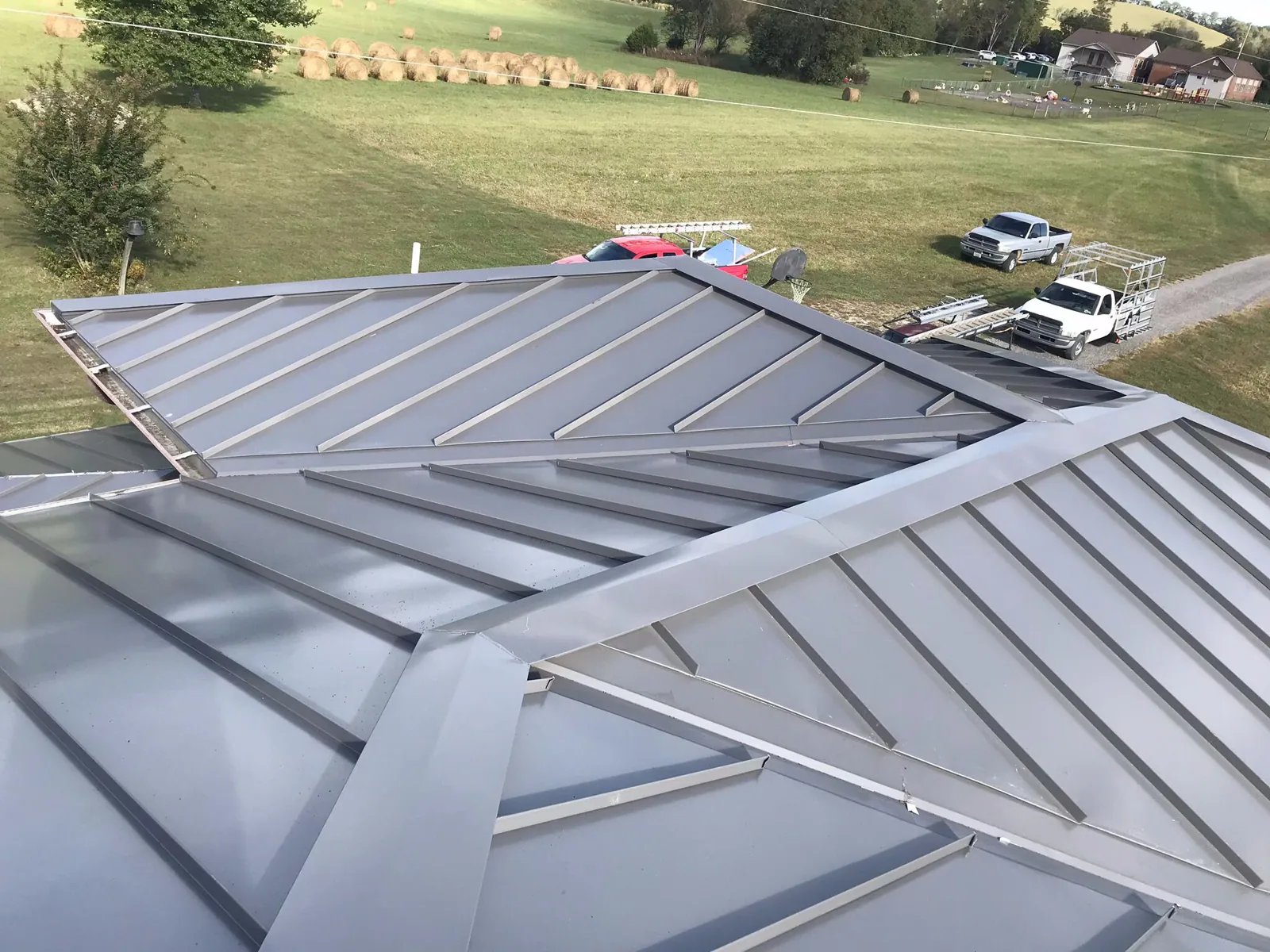
Annual precipitation in Aurora is close to 37.7 inches, and late spring through summer brings the wetter monthly totals; a storm file should preserve the event date and follow-up rain. A storm opening followed by rain can add interior effects, so we document the roof condition and water entry timeline separately when records are available. If hail impact is in question, a hail damage review records locations and material response. If wind lifted an edge, an edge and wind assessment can distinguish displaced metal from unrelated deterioration. The photos and quantities remain tied to the actual building.
What happens after emergency protection?
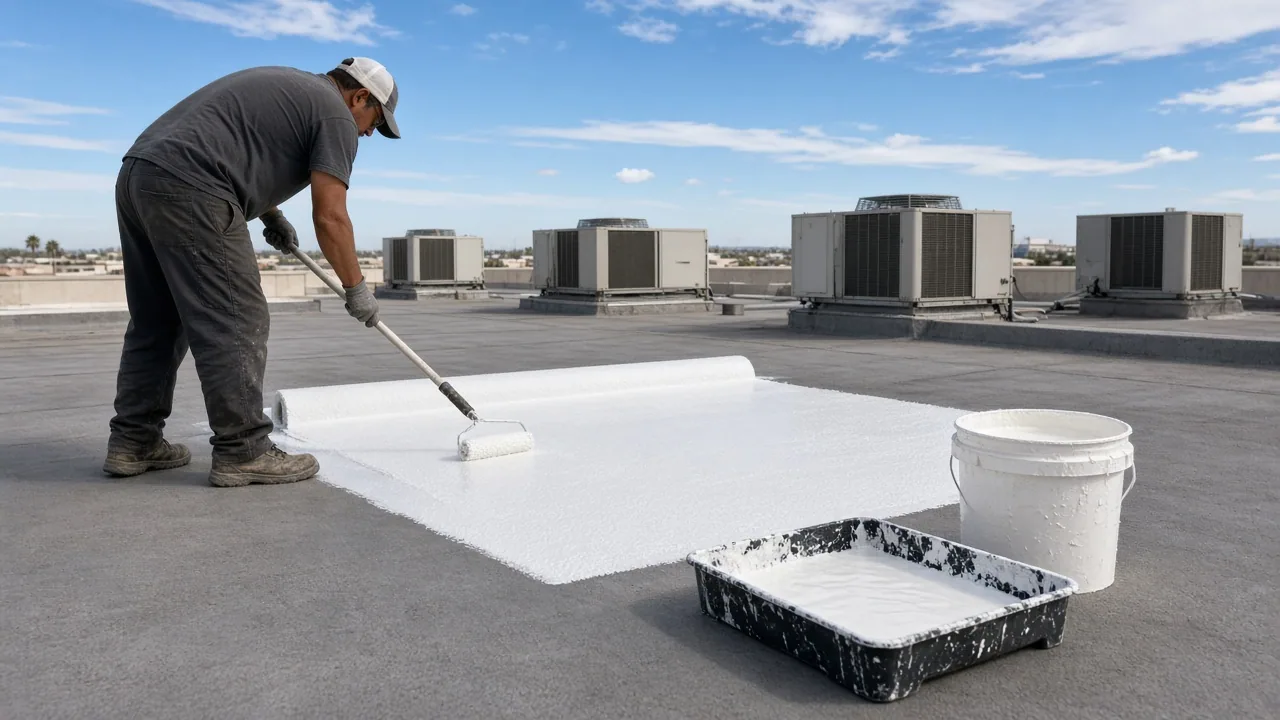
Water entry may require temporary protection before a complete claim inspection can occur. We document the opening, the temporary measure, materials used and any return visit needed. The facility contact should preserve interior photos, move vulnerable property when safe and note when the leak was discovered. We coordinate roof access with building operations and identify areas where equipment or occupants limit inspection. Emergency response is available around the clock, but immediate weather protection and the permanent repair estimate remain separate records.
After conditions allow, we inspect adjoining seams, flashings, drains and equipment supports to find the full repair boundary. A leak investigation may be needed if water traveled from another section or the interior location does not align with the roof opening. We list the measured quantity and any option requiring owner approval, such as testing, insulation replacement or expanded membrane repair. The facility director can then compare the contractor's evidence with the claim requirements and adjuster instructions.
Which quantities should an estimate show?
A clear estimate separates labor and materials by repair task, roof section and approved quantity. It can identify temporary protection, tear-out, deck or insulation allowance, flashing work, membrane repair and disposal as distinct scope lines. The estimate should state what inspection confirmed and what remains an allowance pending concealed conditions. When access, lift equipment or tenant coordination affect the sequence, we explain the constraint rather than hiding it in a general contingency. Those details help the owner compare contractor proposals on the same basis.
Code and energy requirements may change the work when a repair crosses a threshold or changes the assembly. For claim-related roof work, Aurora's 2024 building rules have applied since January 1, 2026, and private facilities remain subject to Illinois energy requirements. The project team confirms which requirements apply to the actual scope. We identify open review questions and keep them separate from confirmed damage quantities. A capital plan can track owner-funded work or a replacement alternative if the documented condition exceeds isolated repair.
How do we preserve the record through completion?
Before work, we retain the approved estimate, roof plan, photographs, material specification and authorization. During repair, daily notes show sections opened and closed, weather interruptions, any concealed finding and the person who approved a quantity change. The work record should not suggest that a carrier approved an item unless the owner has that decision in writing. We can provide the contractor documentation to the owner for submission or discussion with the insurer, following the owner's direction.
Closeout photos show repaired details, edges, penetrations and drainage. We note any adjacent condition that remains outside the approved scope and set a follow-up date if monitoring is appropriate. If the owner manages roofs near Downtown Aurora, the airport industrial area and other Fox Valley sites, the file can use consistent section labels while preserving each address's specific evidence. That makes later maintenance useful without turning one building's storm record into a claim for another.
Can the roofing contractor determine whether the insurer will cover the damage?
No. We document roof conditions and prepare a measured repair scope; policy interpretation and coverage decisions belong to the insurer and the owner. Our report identifies observed damage, prior conditions, testing and unresolved questions. The owner can use that evidence with the adjuster or other advisers.
What should we collect before the inspection?
Save the roof plan, prior repair records, pre-event photos, interior leak reports and the date the condition was first observed. Include the facility contact and any site access rules. These records help us separate existing conditions from current observations, but we still verify the roof in the field.
Do you include hidden damage in the first estimate?
We can show a defined allowance when the scope may expose concealed conditions, but it should not be presented as confirmed. We document the location, inspection limit and approval process, then measure what is found during authorized work. Tested areas and untested assumptions remain visible in the file.
Can emergency tarping be part of the permanent repair scope?
Temporary protection is recorded separately with its location, materials and date. Permanent work follows a later inspection that establishes the repair boundary and approved quantity. Keeping the two scopes distinct gives the owner a traceable record of what stabilized the building and what restored the roof.
What if the adjuster requests more roof documentation?
For a follow-up, we can provide the inspection notes, section map, photographs, test locations and contractor estimate that support our observations. If a question calls for additional testing or access, we identify the proposed work and obtain the owner's direction before expanding the scope. We do not revise findings without new evidence.
Request a Roof Assessment
Send the Aurora address, facility contact, roof plan, prior repair history and available event records. We will document observed conditions, measured repair quantities and unresolved tests in a contractor scope for the owner's claim file.
Call 555-555-5555 or send the form and we will set a time to walk the roof.