Commercial Roof Membrane Puncture Repair in Aurora, IL
Roof Damage Repair
Repair the puncture and review the access path
A small cut in a roof membrane can admit water long before it shows inside. We inspect the puncture, check for nearby foot traffic or equipment work and map the affected roof section. Visible damage, suspected wet insulation and areas not tested stay separate in the report. That lets the facility approve a repair quantity that addresses the opening without assuming the surrounding field has failed.
Aurora has commercial and industrial properties near the Sugar Grove airport district, North Aurora's I-88 employment areas and the Fox Valley retail corridor. Service crews, HVAC work and rooftop equipment can create footpaths across otherwise sound membranes. The specific roof system and work history matter more than the property's use label. We look for cuts, scrapes, dropped tools, displaced protection and repeated traffic near curbs or access points.
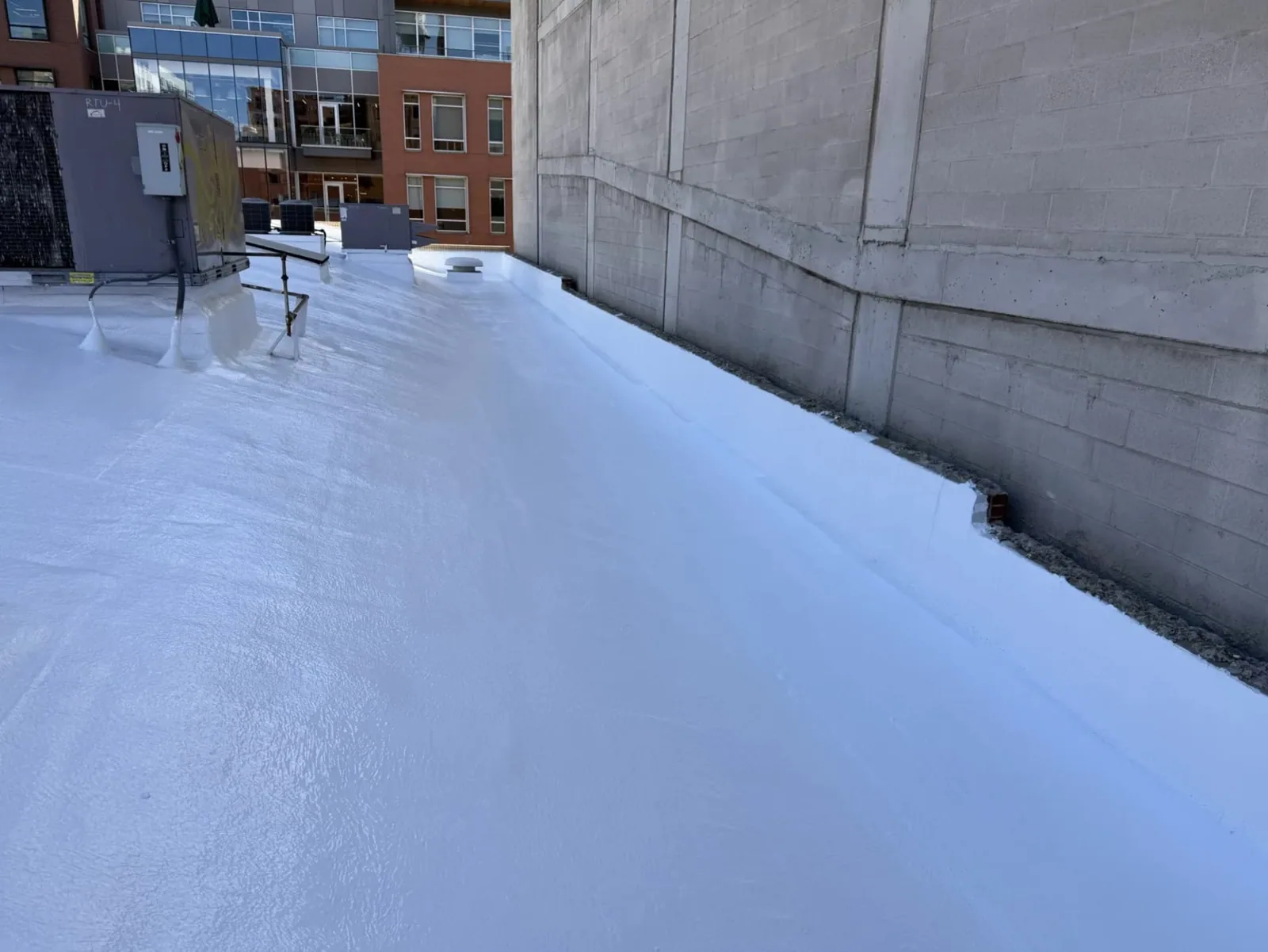
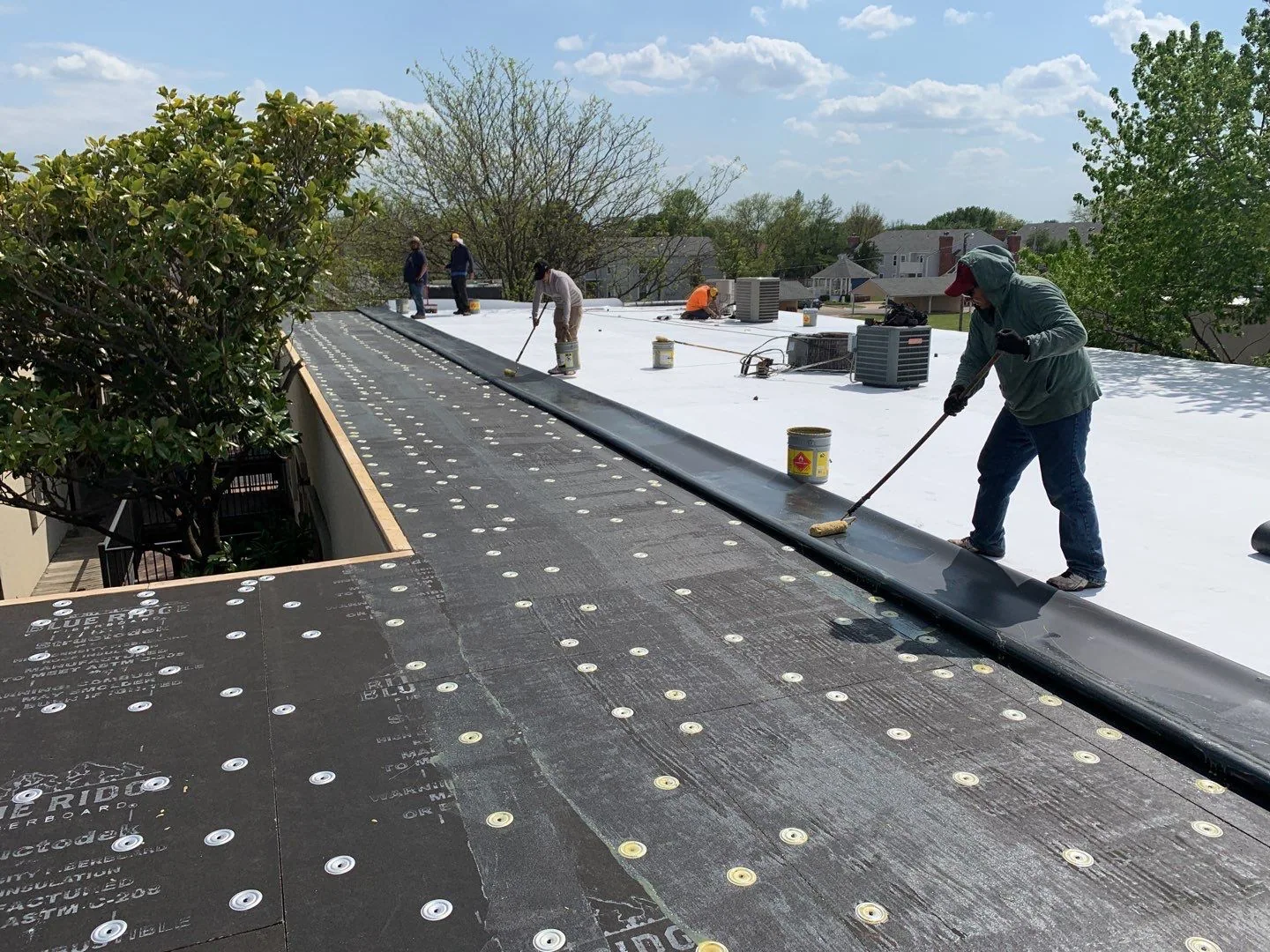
Is the puncture isolated or part of a traffic path?
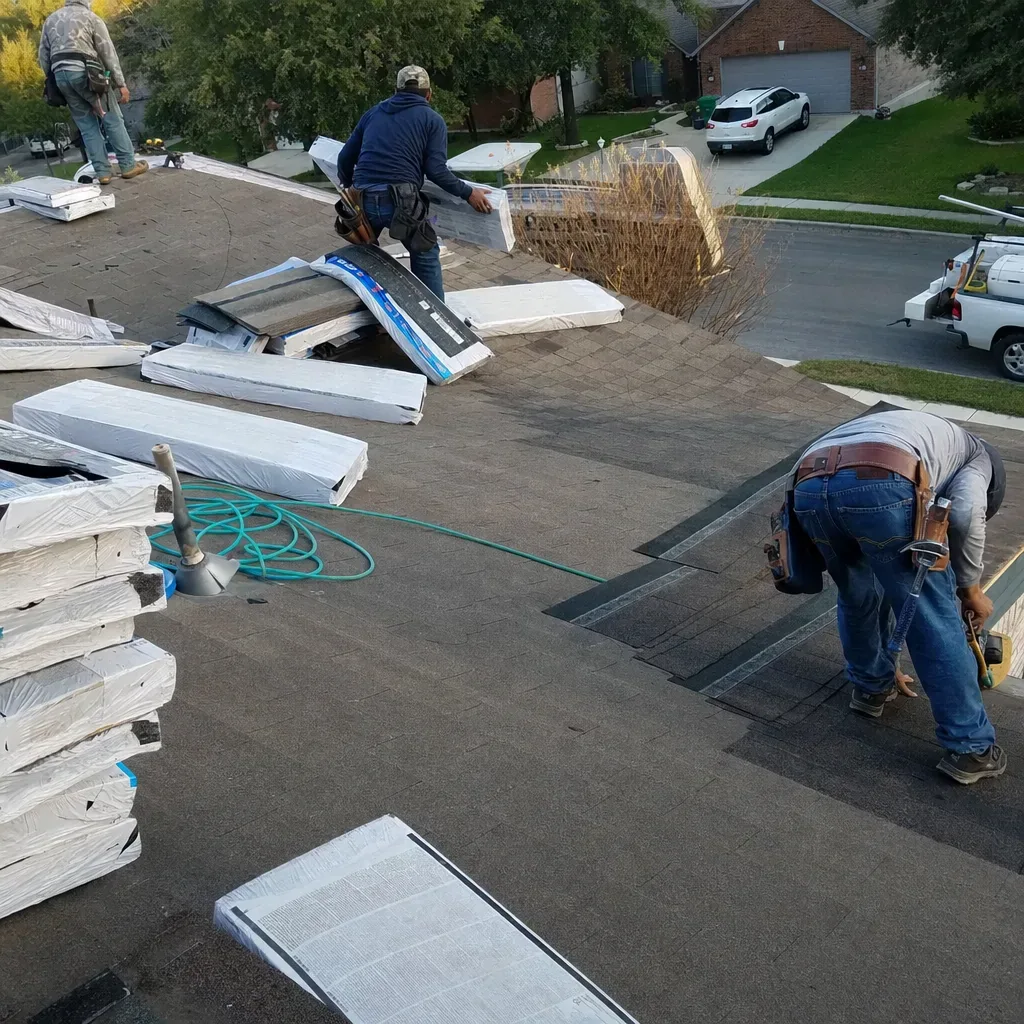
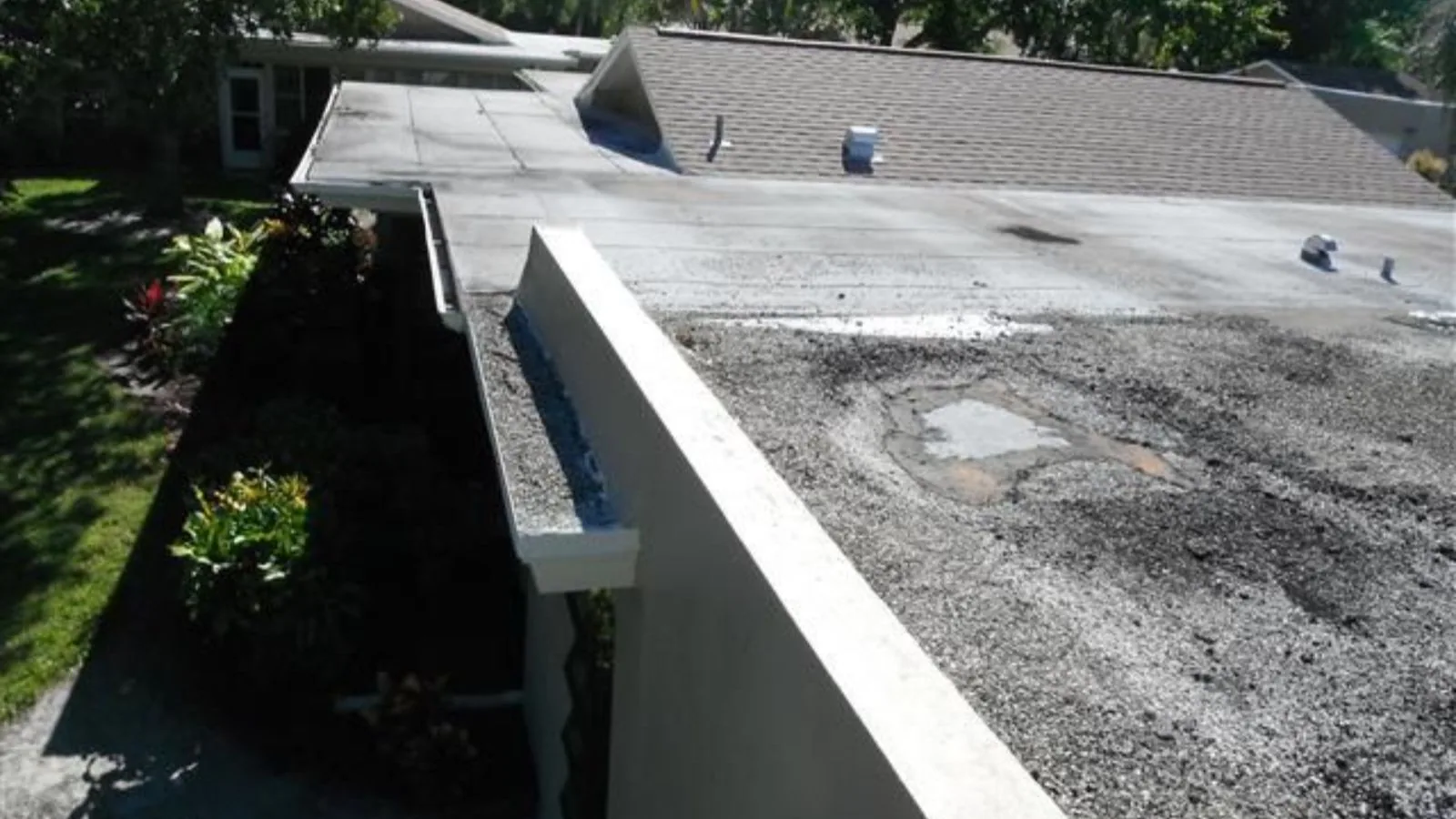
We inspect the opening and surrounding membrane for abrasion, cuts, impact marks, loose flashing, exposed reinforcement and prior patches. A puncture near a ladder, unit or service route may not be the only affected point. We walk the accessible path, check nearby seams and document any objects or protective pads that have moved. Each photo is linked to a roof plan so the facility can locate the repair and any repeated wear area.
Water may spread below the membrane after entry. Infrared scanning can identify patterns to investigate, while a core sample confirms only the opened test location. We mark the test boundary before quantities are set and note any area that was not sampled. A roof inspection can pair the puncture repair with a review of rooftop access paths and service clearances. If a mechanical contractor caused or noticed the damage, include that date and work order in the record.
How should the opening be secured?
For active entry, the facility protects the space below and controls roof access until a repair can be made. We document any temporary cover, its attachment and the section it protects. Loose debris or sharp material is removed under site safety rules, and open work is limited to a secure dry-in boundary. Permanent patching requires clean, dry, compatible membrane around the puncture, with an edge that can be inspected after installation.
Aurora receives monthly precipitation near four inches from May through September, making a temporary cover vulnerable to wind and renewed rain if it is not secured. We check the patch boundary before leaving and keep drains clear. Emergency service is available around the clock for active roof openings. If testing or system identification is still needed, the report says what remains pending rather than marking the repair as complete.
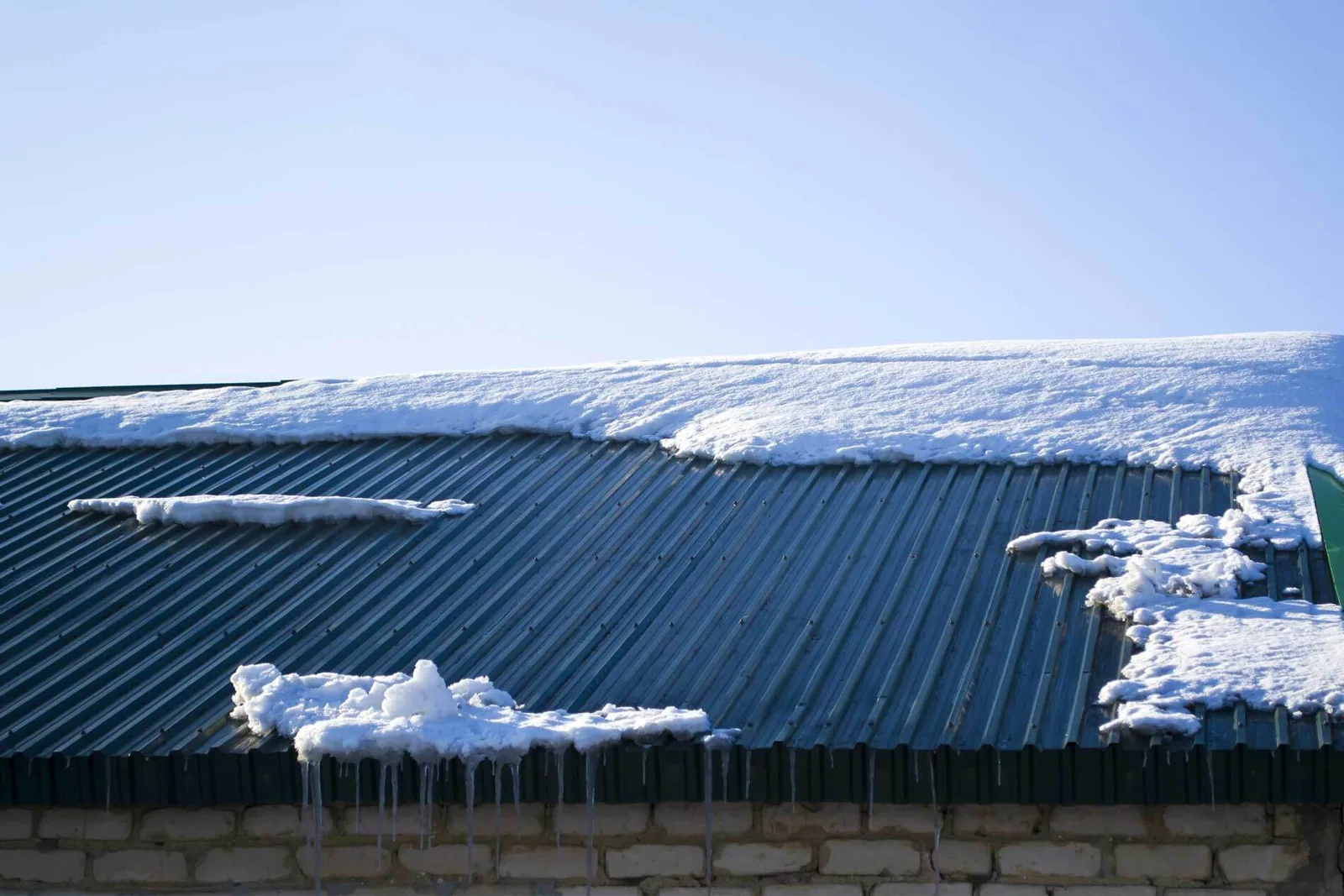
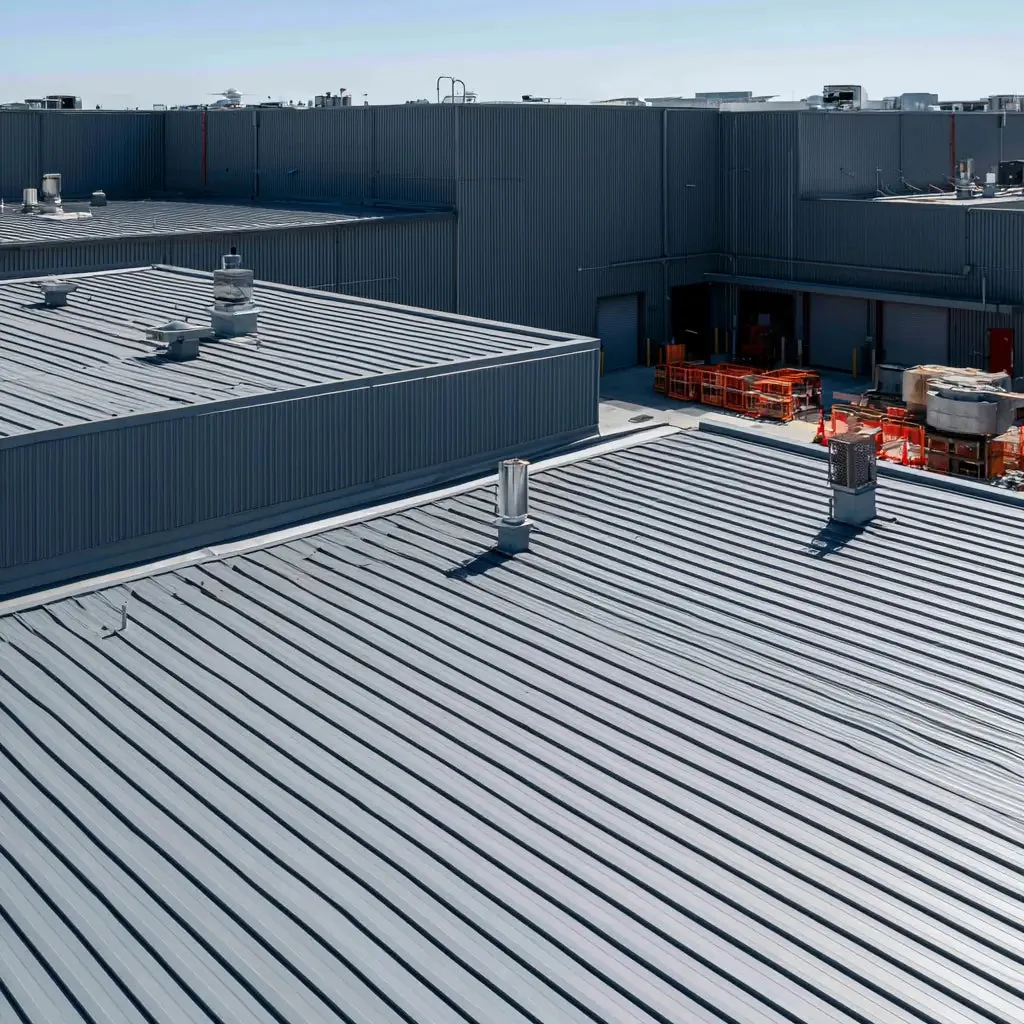
When does a puncture need more than a patch?
A small opening in an otherwise sound membrane may take a compatible patch. Multiple cuts along a service route, impact damage near equipment or moisture that extends beyond the opening can expand the scope. We compare the roof assembly, test points and repair history before recommending replacement of a wider area. If damage reaches insulation or deck, those materials are included only after the boundary is confirmed.
A puncture can occur with wind-blown debris or hail, but the cause should be documented from the observed condition. A wind damage inspection can record displaced material; a hail review looks for impact evidence. If the membrane has broader surface breakdown, a heat and UV assessment can separate aging from a localized cut. Each report retains its own evidence and quantity.
What changes puncture repair cost?
Cost follows the number of openings, patch size, membrane type, access, preparation and whether testing or insulation removal is needed. A puncture beneath equipment may require coordination or a lift. Repeated foot traffic may call for walk pads or a safer service route after repair. If concealed moisture is found, we document its measured extent before changing the approved quantity. The estimate states what is confirmed and what needs a separate authorization.
Cold temperatures can limit adhesion or welding, while hot summer surfaces and rain affect the work window. We confirm the existing system and follow its installation requirements. A repair plan includes the route used to reach the detail and any temporary protection below. For a building near Route 59 or US 30 industrial routes, site traffic can affect equipment delivery and staging, so those access controls are recorded before mobilization.
How can future punctures be prevented?
Keep the roof plan, patch photos, service tickets, equipment map and approved quantities together. Mark access routes and any protective walkway installed around frequently serviced units. Record who last accessed the roof and whether nearby contractors moved pads, conduit or flashing. A recurring cut should trigger review of the route or work method, not just another patch in the same place. Before authorizing future roof access, provide a designated walkway when compatible with the system and keep loose fasteners or tools away from drain sumps. Have service crews report moved pads or newly installed supports in the closeout ticket.
The Sugar Grove industrial district includes property near Dugan Road and US 30, and North Aurora identifies warehouse and commerce areas near Randall Road. These facts orient commercial service visits; they do not show a particular building's rooftop use. A condition report stores the section and repair detail. The Sugar Grove airport industrial area and North Aurora commerce area can label location history, while the next inspection checks the specific pad, seam and service path.
Can a small roof puncture be patched the same day?
A compatible patch may be possible when the membrane is identified, the surface is dry and access is safe. We inspect the surrounding area and document any temporary protection if permanent materials cannot be installed immediately. The repair quantity is limited to the confirmed opening and any tested moisture boundary.
Does foot traffic damage the whole roof membrane?
Not automatically. We inspect the service route for abrasion, cuts, displaced pads and damage around equipment. Repeated wear may require a walkway or access adjustment. Each observed opening is mapped separately, with any suspected moisture tested before the repair area expands.
Should an HVAC contractor report roof damage after service?
Yes. The facility can record the work date, equipment and roof access route, then compare that information with any new leak. A photo of the completed service area helps locate a puncture or moved protection. We inspect the membrane and note whether further testing is appropriate.
How do you know if water reached insulation through a puncture?
Interior staining and infrared patterns can guide the inspection, but testing confirms only sampled locations. We mark core points and keep untested areas distinct. The report identifies visible damage and recommends additional sampling if moisture may continue beyond the opening.
Request a Roof Assessment
Share the Aurora address, roof plan, reported opening and recent rooftop service history. We can map the puncture, test suspected moisture and document a compatible repair quantity.
Call 555-555-5555 or send the form and we will set a time to walk the roof.