Commercial Roofing for Insurance and Restoration Work in Aurora, IL
Industries We Serve
Document the property before the scope changes
A storm report and a repair estimate can describe different roof areas unless every observation is mapped to the same section. We inspect visible conditions, photograph details and separate storm-related damage from prior wear or areas that still need testing. The owner and adjuster receive a quantity tied to observed roof conditions, with temporary water control kept distinct from permanent repairs or replacement.
Northern Illinois severe-storm records include damaging hail and tornadoes, with statewide tornado frequency peaking from April through June. Aurora also faces repeated freeze-thaw exposure and seasonal rain. These conditions make timely inspection useful, but regional weather history does not establish damage at an individual building. The property's roof plan, date of loss, maintenance record and observed evidence provide the basis for a restoration scope.

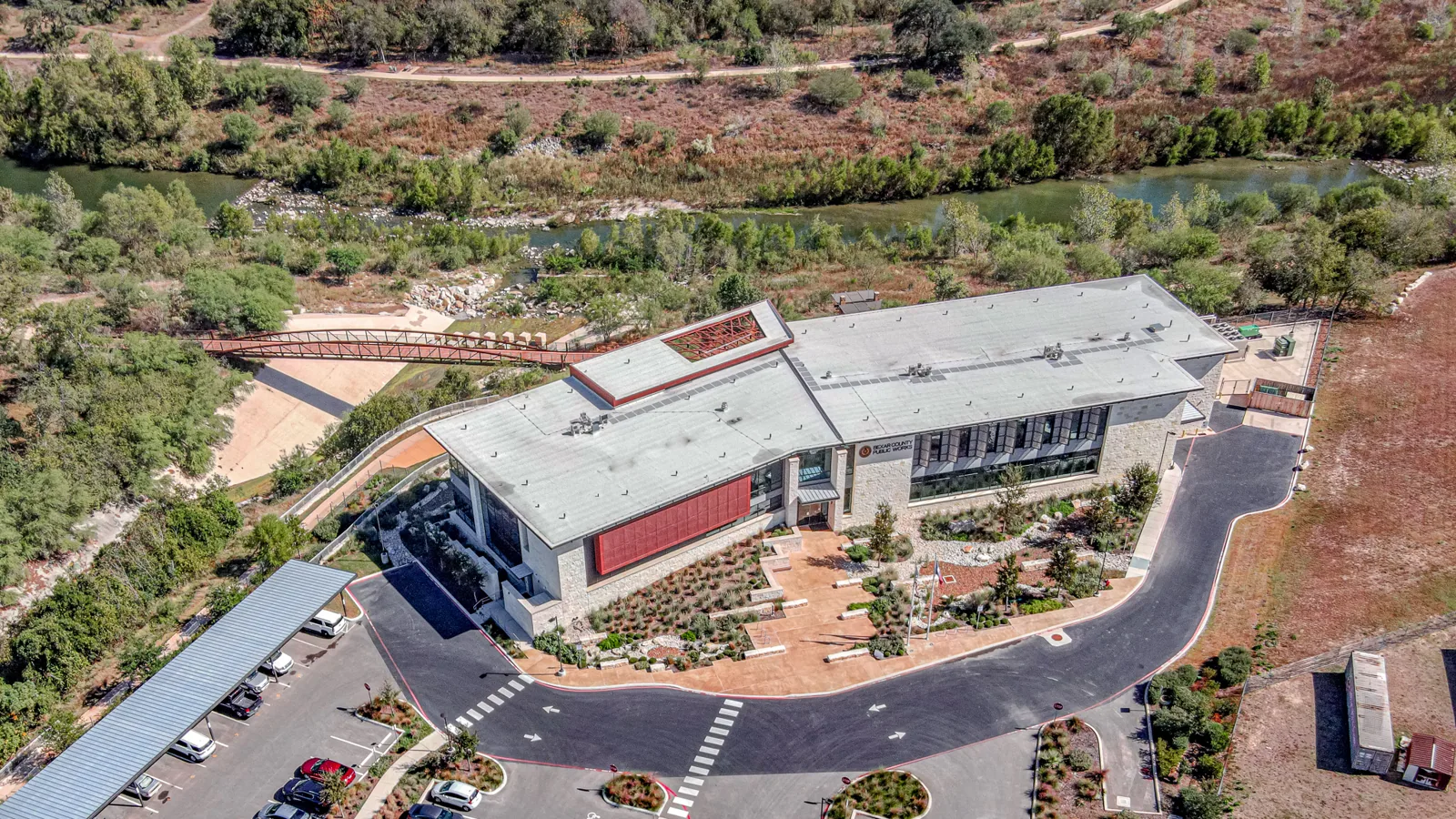
What evidence should the roof survey capture?
We record the building, reported date, affected interior location, active water and available maintenance history, then inspect the roof section and adjacent details. Photographs should show each seam, curb, edge or membrane area at a useful scale and identify its place on the roof map. We note visible impacts, prior repairs and conditions that do not appear related to the reported event. Where the same roof section contains several surface types, photograph each area separately and identify the photo direction. A dated overview and detail image make later comparisons easier, while room-side photographs can connect the roof location with the reported interior condition. Areas not accessed remain clearly outside the inspection finding.
Where moisture may be concealed, infrared patterns can help select core tests. Samples confirm only the opened locations, so the report marks those boundaries rather than treating a broad pattern as a removal quantity. A claim documentation service can organize photos, inspection notes and an estimate for review. Coverage, causation and claim decisions remain with the insurer and policy process.
How should storm damage be separated from roof age?
Use dated maintenance records and pre-event photographs when available, then compare them with current observations. A torn membrane, displaced edge or puncture may be visible, while older patch layers or surface wear can predate the reported event. We describe each item by location, condition and photo reference. The report avoids assigning cause where the inspection cannot distinguish it and does not convert an untested area into confirmed storm damage.
Aurora averages about 121 days below freezing each year, and freeze-thaw movement can affect seams and flashings over time. Northern Illinois hail or tornado records are regional context; damage still needs to be documented at the property. A hail-damage inspection or wind-damage review can focus the survey on the relevant details. Keep weather date, site report and roof findings distinct in the file.
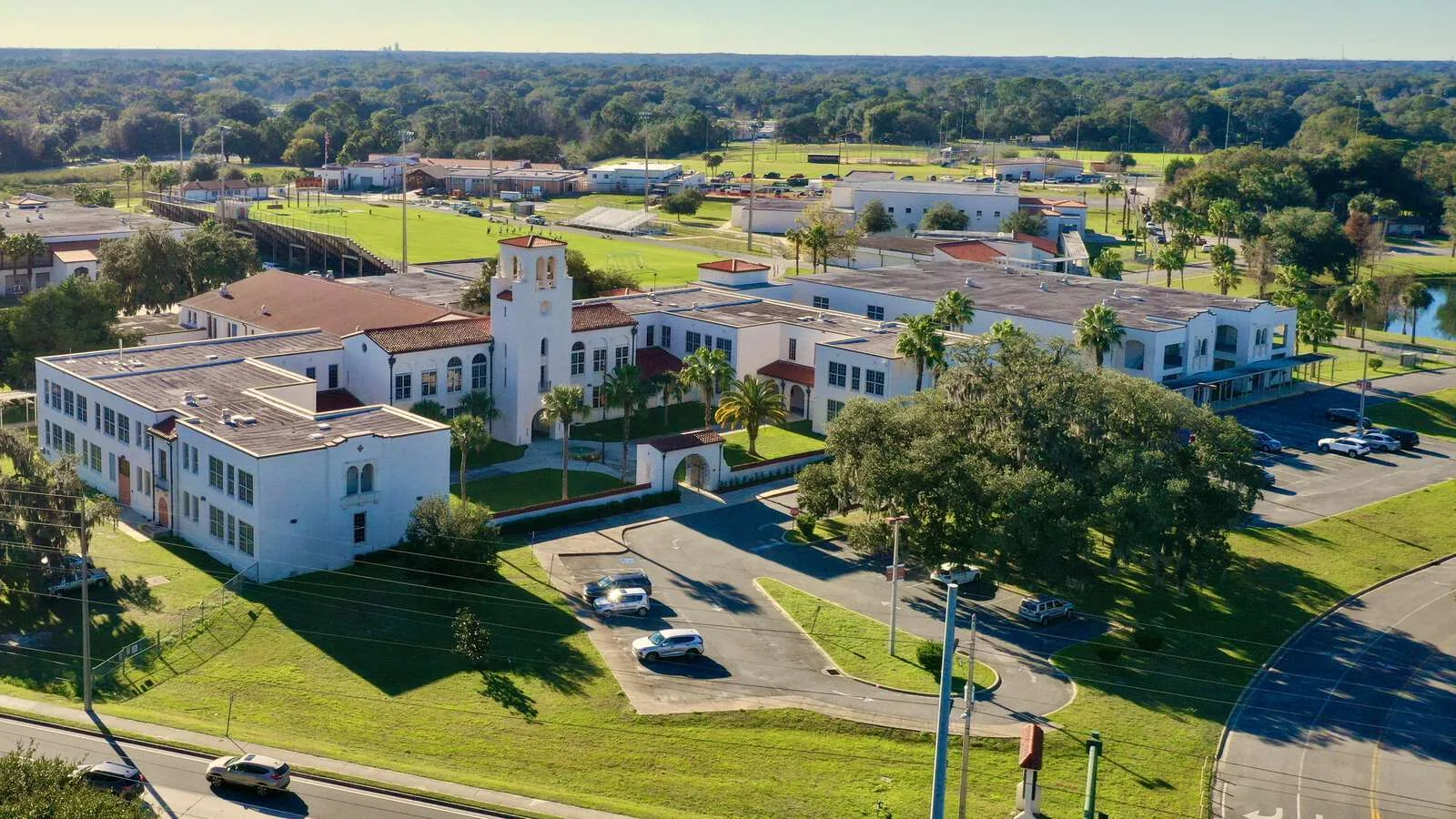

What should happen before temporary repairs?
The owner identifies access, safety rules, interior protection and who can authorize emergency work. We document active water entry and the locations protected, then distinguish temporary control from the permanent scope. If an adjuster needs to inspect before a detail is covered, the schedule should allow access and photographs while still protecting the building. Any emergency work should be itemized with its date, material and roof section.
Aurora receives monthly precipitation near four inches from May through September. Temporary dry-in must be checked at each shift boundary, and drains need protection from debris. We record what was closed and what remains pending. Emergency response is available around the clock, including holidays; repair timing and claim handling remain subject to the site owner's authorization, weather and policy process. The report gives the next evidence or repair step without predicting coverage.
How can the repair scope stay supported?
A localized repair may address a confirmed opening where adjacent materials remain serviceable. Broader replacement needs evidence such as repeated failure, testing that confirms wet insulation or other documented roof conditions. We state the observed quantity, test boundary and repair history, then separate alternate methods for review. The adjuster can compare the documented repair with the roofer's estimate without mixing emergency work and full replacement into one undefined line.
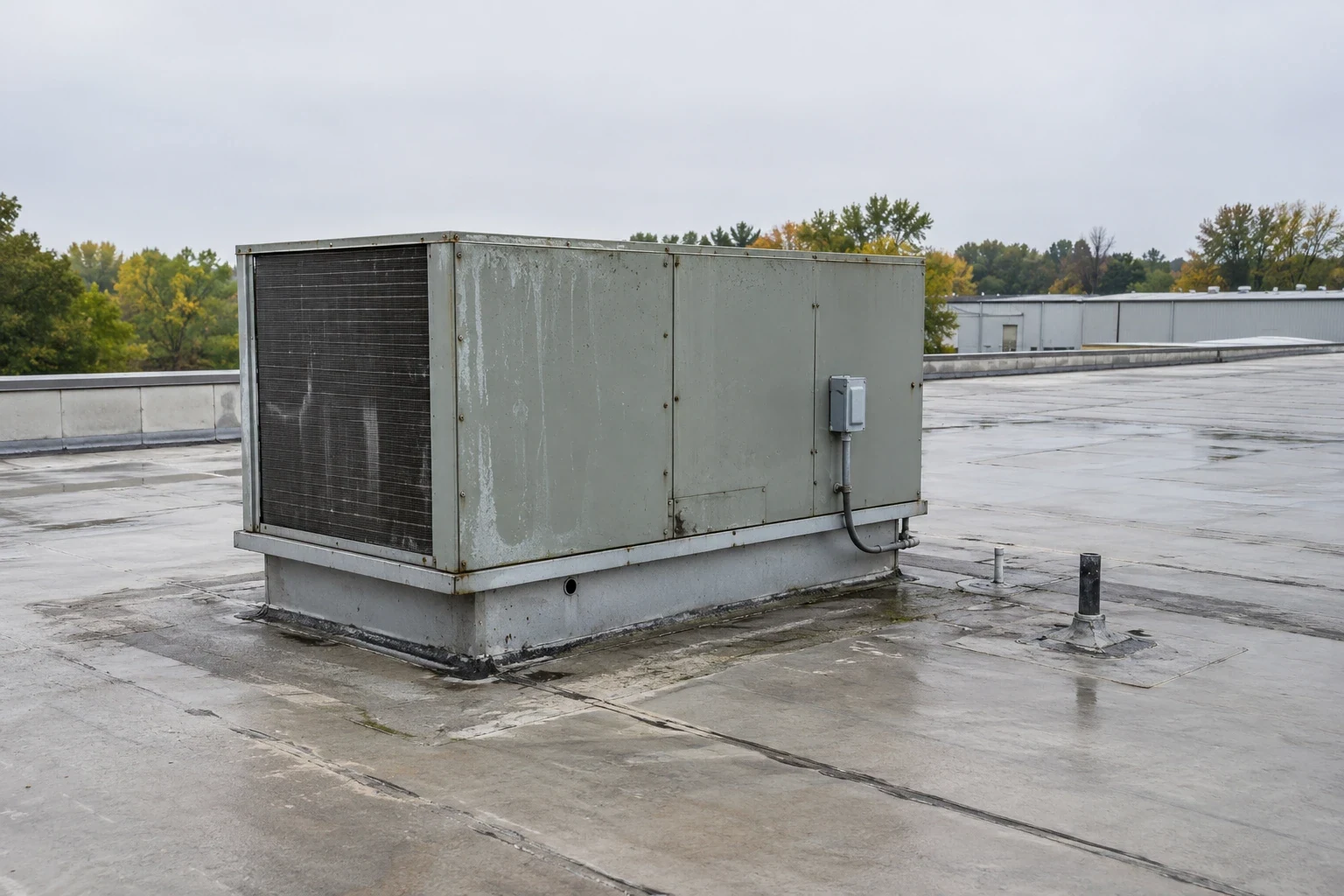
Recover or coating may be considered only where the assembly is suitable and dry. A repair scope documents a limited condition; an overlay assessment checks attachment, moisture and drainage before another layer is priced. For a larger loss, a restoration contractor coordination plan can track roofing interfaces and schedule, while a property management record can carry approved quantities to tenant and owner files.
What belongs in a restoration closeout file?
Retain the reported loss date, roof plan, dated photographs, inspection notes, test results, temporary protection, estimate, approvals and repair closeout. Each entry should identify the building, section, material, quantity and concealed condition. If the insurer requests a supplement, connect it to the original photo and marked location. Record work not completed and any area that remains untested so the final file does not imply a broader repair than was performed. Keep change approvals with the revised estimate and retain the original scope for comparison. A later reviewer can then trace how a quantity changed after inspection, testing or material removal.
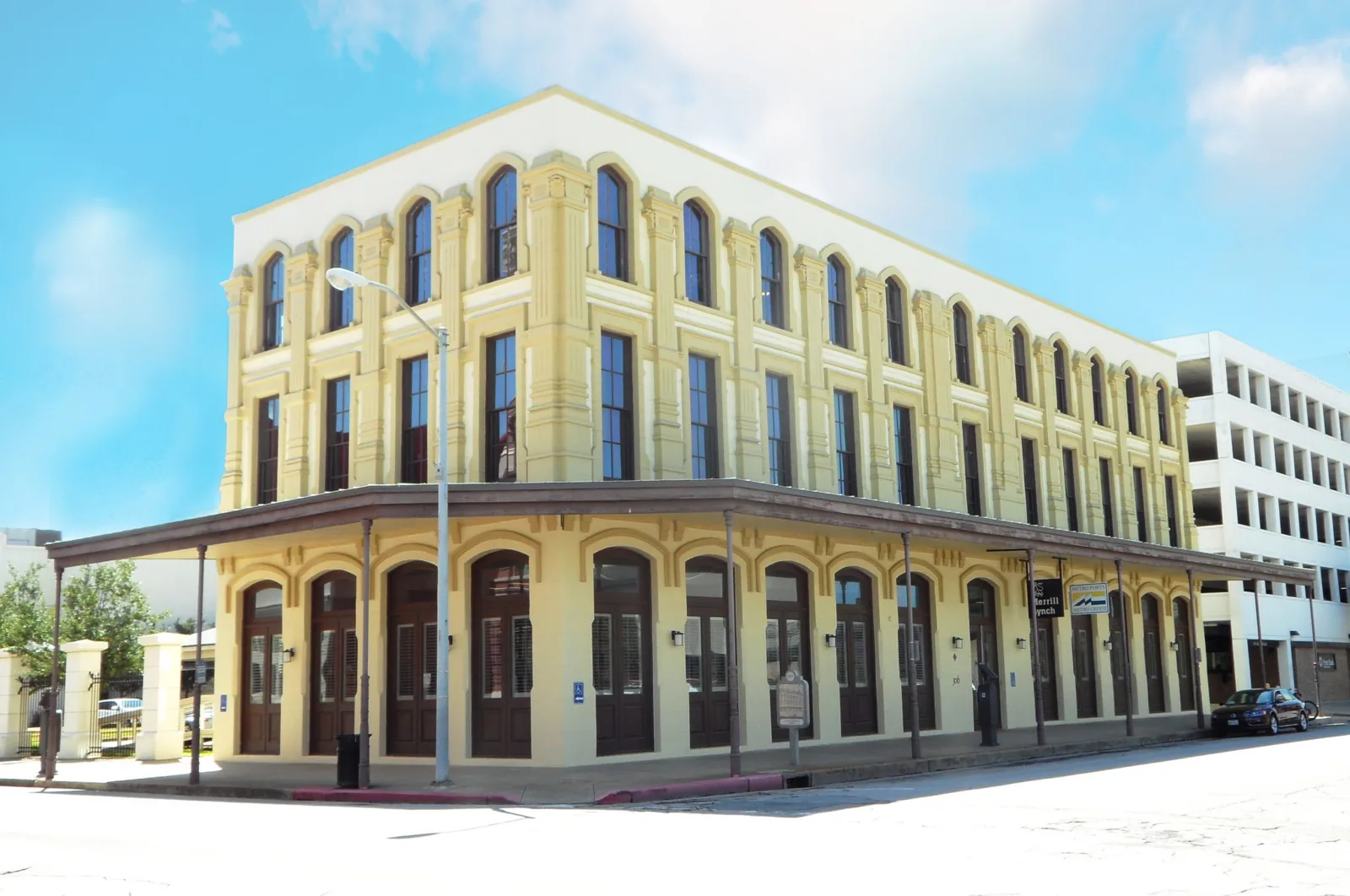
Fox Valley Mall sits along Route 59 near I-88, while Chicago Premium Outlets is another Aurora retail location. Those retail locations frame regional portfolio planning, while restoration evidence stays attached to each building and roof section. The Fox Valley Mall district and Chicago Premium Outlets provide local property context. The condition report holds evidence by section. A portfolio date and follow-up trigger let the owner distinguish completed restoration from future maintenance and keep the building record current. The file retains the roof section, inspection date, test method and any area that remained inaccessible.
Can a roofer determine whether insurance will cover storm damage?
We document roof conditions, photographs, testing and repair quantities. The insurer and policy process determine coverage and claim decisions. Our report separates observed damage from prior wear or untested areas, giving the owner and adjuster a clearer record to review.
Should temporary repairs wait until an adjuster visits?
The owner should follow its safety and loss-mitigation process for active water entry. We can document conditions and temporary measures, including dates, materials and locations. If an adjuster needs to inspect before a detail is covered, coordinate access when safe while protecting the property from further water entry.
How do you document hail or wind damage on a commercial roof?
We inspect the reported sections, photograph observable impacts and connect them to the roof map. Testing can be recommended where moisture may be hidden. Regional storm records help explain inspection timing but do not prove damage at a specific property; the report stays with observed building evidence.
What should an adjuster receive with a roofing estimate?
Provide a marked roof plan, dated photographs, inspection findings, test boundaries, measured quantities, material and repair details, and any temporary work already completed. Identify assumptions and concealed conditions separately. The estimate should connect every line to a section and supporting record.
Request a Roof Assessment
Share the Aurora-area address, reported loss date, owner contact, roof plan and available maintenance records. We can inspect the affected section, photograph observed conditions and prepare a quantity-based repair record.
Call 555-555-5555 or send the form and we will set a time to walk the roof.