Army Installation Roofing near Aurora, IL
Property Types We Roof
Prepare a roof scope for facility review
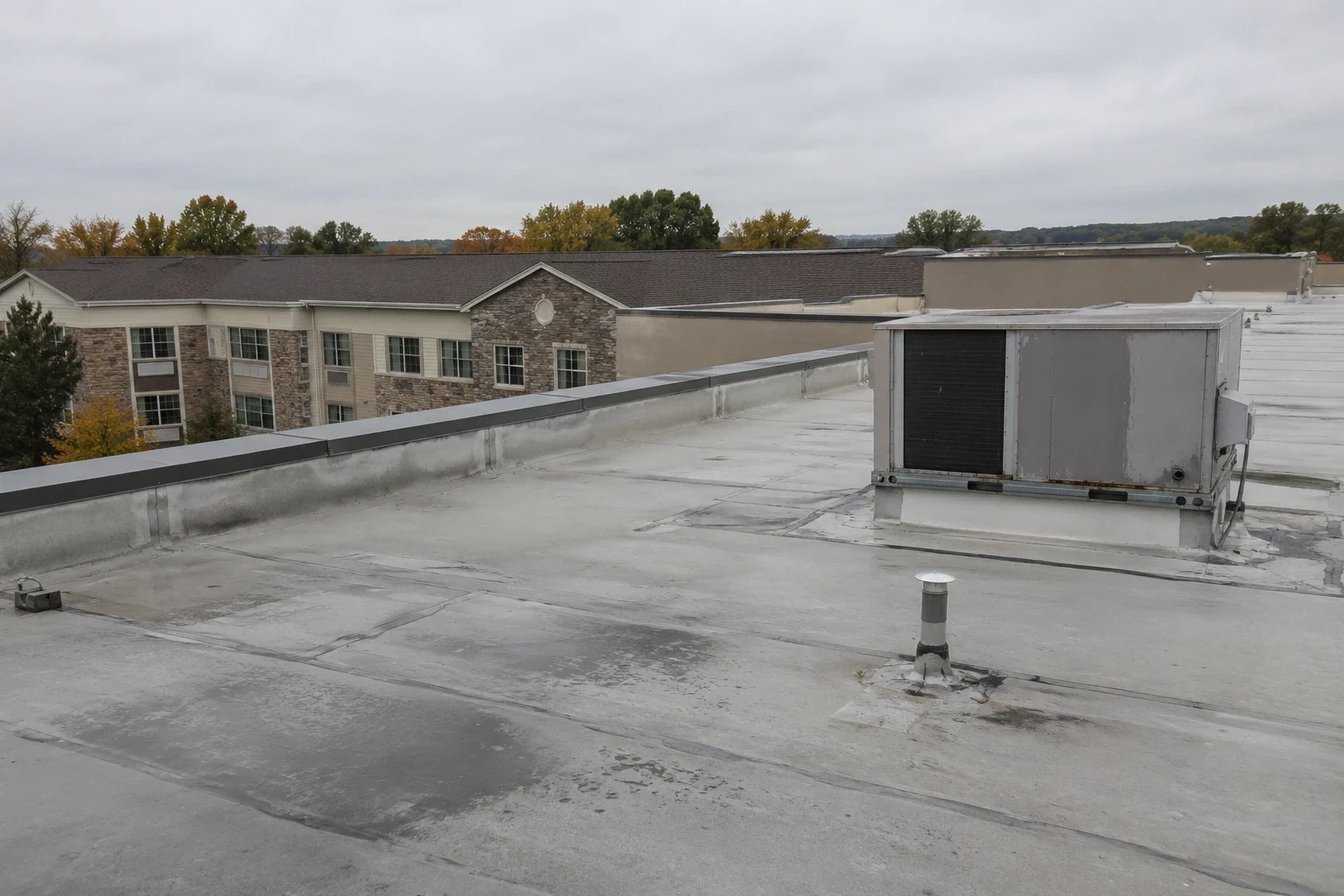
A roof leak over a maintenance or readiness space can interrupt operations before the full water path is known. We inspect the reported roof section, record the detail and separate observed damage from any area that still needs testing. Each finding is tied to an approved quantity and facility location, so the project record distinguishes a limited repair from a broader condition that requires additional review.
The Joliet Army Reserve Center and Local Training Area are active facilities near Elwood, southwest of Aurora. The center was built in 2014 and has a LEED Silver rating; its site includes rainwater-management features and a solar array. Aurora also has an Illinois Army National Guard readiness center. The owner’s contract documents and authorized facility contact define access, photography limits and scope approval before the roof walk.
Which facility section needs a roof decision?
We review the leak location, interior function, roof plan and prior repair notes, then inspect seams, penetrations, curbs, edges and drainage above the reported area. Water can travel through insulation or along a deck before appearing inside. Photographs and a marked plan connect each roof detail to the affected building section. If security rules prevent access to a room or roof zone, the report records that limit rather than treating the area as inspected.
Where moisture may extend beyond a visible opening, infrared readings can guide a test plan, while core samples confirm only the areas opened. We mark each sample and keep untested roof separate from the approved removal quantity. Roof-mounted equipment, service clearances, solar hardware or drainage controls need to be identified before work is priced. A condition inspection can then support a targeted repair or a separate project review.
What access controls belong in the work plan?
Before mobilization, the authorized facility contact confirms badging, escort rules, vehicle entry, tool controls, roof access, photography limits and any operational windows. We identify the crew's route, material staging and active roof section in the submittal. Work above active readiness, maintenance or administrative spaces may need a controlled handoff. The project schedule should name who grants entry, who releases the area and how a daily roof closure is confirmed.
Winter conditions around Aurora include about 121 days below freezing each year, so tie-ins and surface preparation need a suitable weather window. Summer precipitation is also relevant to the amount of roof opened per shift. We protect drains, secure materials and maintain a verified dry-in limit. For a federal or military project, the owner sets applicable contract requirements and the facility's security process. We follow approved submittals and facility access direction, with any contract-specific clearance requirements confirmed before mobilization.
How should repairs support the facility mission?
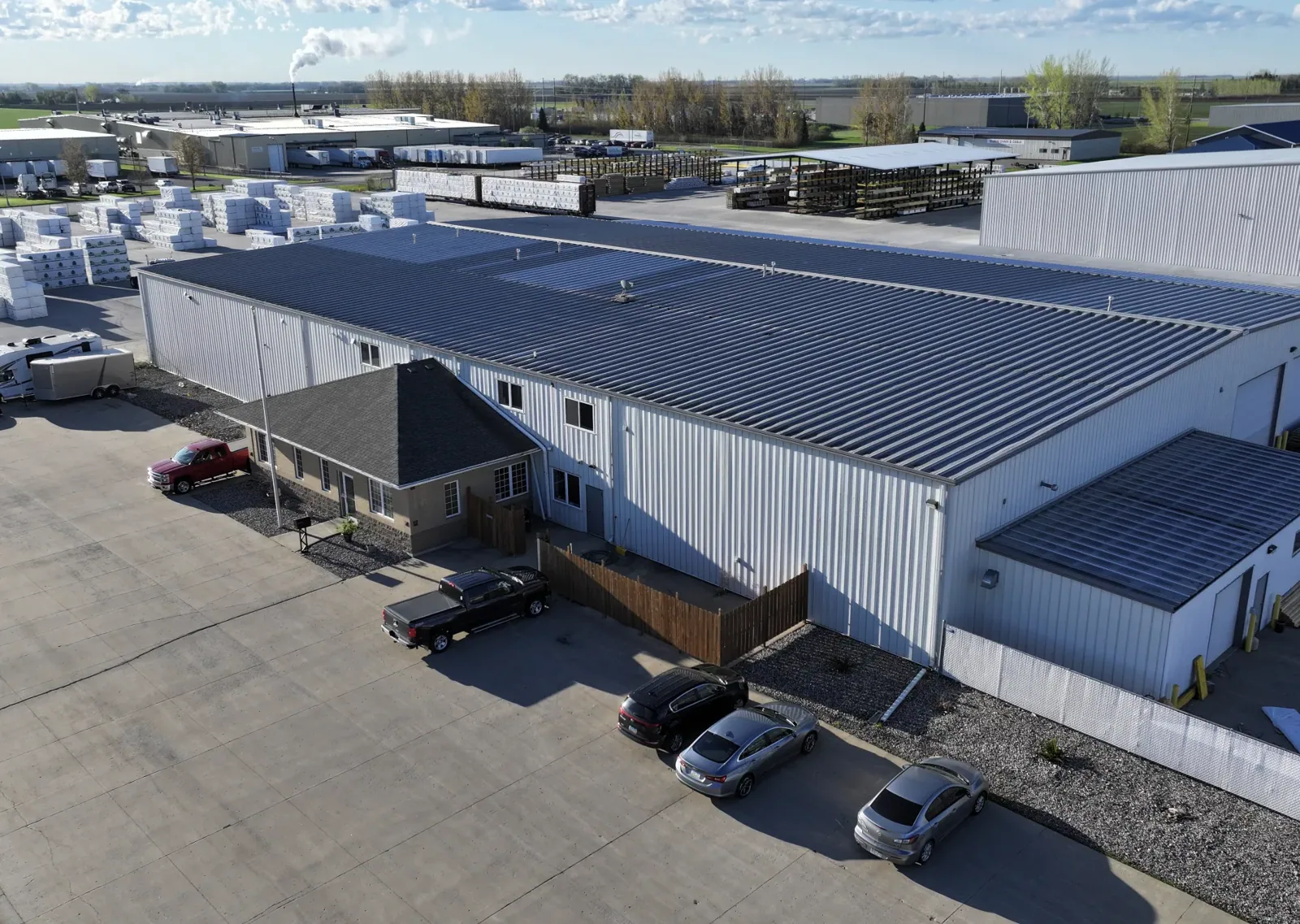
An isolated seam or flashing failure may call for a defined repair when adjacent membrane and insulation remain sound. A replacement study becomes more relevant when failures recur across separate roof zones or testing finds wet insulation beyond an isolated detail. We compare roof assembly, test results, drainage, repair history and operational constraints, then assign findings by section. If urgent water entry needs temporary control, that action is recorded separately from permanent repair or replacement quantities.
Recover or coating may fit only when the existing roof is dry, secure and compatible with another layer. Solar equipment, drainage pathways, edge heights and maintenance clearances can constrain that option. A recover assessment records assembly limits; a drainage review checks outlets and overflow. The Joliet Reserve Center's solar array and rainwater-management features make equipment clearances and runoff relevant to project planning. On an active project, we verify equipment locations and drainage on the surveyed roof before comparing repair or recover options. The final scope follows field evidence and approved requirements.
What drives a controlled-site roofing schedule?
Cost and duration follow the approved work area, security and escort time, roof height, material movement, equipment access, tests and the number of details needing repair. A restricted delivery route or short operational window can affect daily production. If tear-off reveals concealed deck conditions, we document the location and request authorization before extending the quantity. The estimate distinguishes priced work from testing or site restrictions that still need owner direction.
Aurora records about 7.7 days below zero Fahrenheit each year, along with extended freeze-thaw exposure. Cold can constrain preparation and cure, while summer heat may change safe roof hours. The schedule needs to match product requirements, inspection hold points and facility access. Emergency response is available around the clock for active water entry, but permanent work proceeds only within the authorized window and with a secure closeout at every shift.
What should the facility retain after roof work?
Maintain the roof plan, access log, work authorization, submittals, inspection photographs, test locations, approved quantities and closeout documents together. The record should identify the building, section, product, completed detail, concealed condition and any area left untested. Add inspection and warranty documents only as issued by the responsible parties. That file gives the facility manager a traceable baseline for future maintenance and preserves the distinction between a repaired condition and a broader unresolved area.
Aurora's industrial context includes US 30 and I-88 links west of the airport, while Downtown Aurora is a separate access setting with a regional rail hub. Those routes matter to delivery and mobilization planning, but the military site controls its gate and movement rules. A condition report can retain roof findings. For state Guard readiness buildings, a National Guard facility roof plan addresses a separate facility category; a VA medical-center work plan handles clinical access needs. Aurora's airport industrial area and Downtown Aurora provide regional location references.
Can roofing crews work on an active Army Reserve facility?
The authorized facility contact sets whether and when work can proceed. The plan needs to account for badging, escorts, vehicle and tool controls, operational windows and daily area release. We prepare the roof scope and follow approved site direction, but facility access and contract requirements remain under the owner's process.
Does the Joliet Reserve Center's solar array change roof planning?
The Army identifies a solar array and rainwater management among the center's site features. Any roof project should verify actual equipment locations, drainage paths and maintenance clearances in the surveyed area before choosing repair or overlay. The project record should not assume the array covers a particular roof section without field confirmation.
What moisture testing is useful before replacing a military roof?
Inspection and infrared patterns can help select test locations, while core samples confirm only the spots opened. We map the sampled area and keep it separate from untested roof. That provides a clearer quantity for the project team and avoids treating a single moisture indication as a confirmed building-wide condition.
What documentation should be included in closeout?
Keep approved submittals, daily access records, marked roof plans, photographs, test reports, product data, quantities and completed inspection records together. Note concealed conditions and deferred areas. The owner can then connect future maintenance to the exact section and authorized scope.
Request a Roof Assessment
Share the facility location, authorized point of contact, roof plan, access rules and available inspection records. We can document observed conditions, test boundaries and an approved section-based quantity for review.
Call 555-555-5555 or send the form and we will set a time to walk the roof.