Commercial Roofing at East Main Street and Kirk Road, St. Charles, IL
Service Areas
Review the roof near East Main Street and Kirk Road
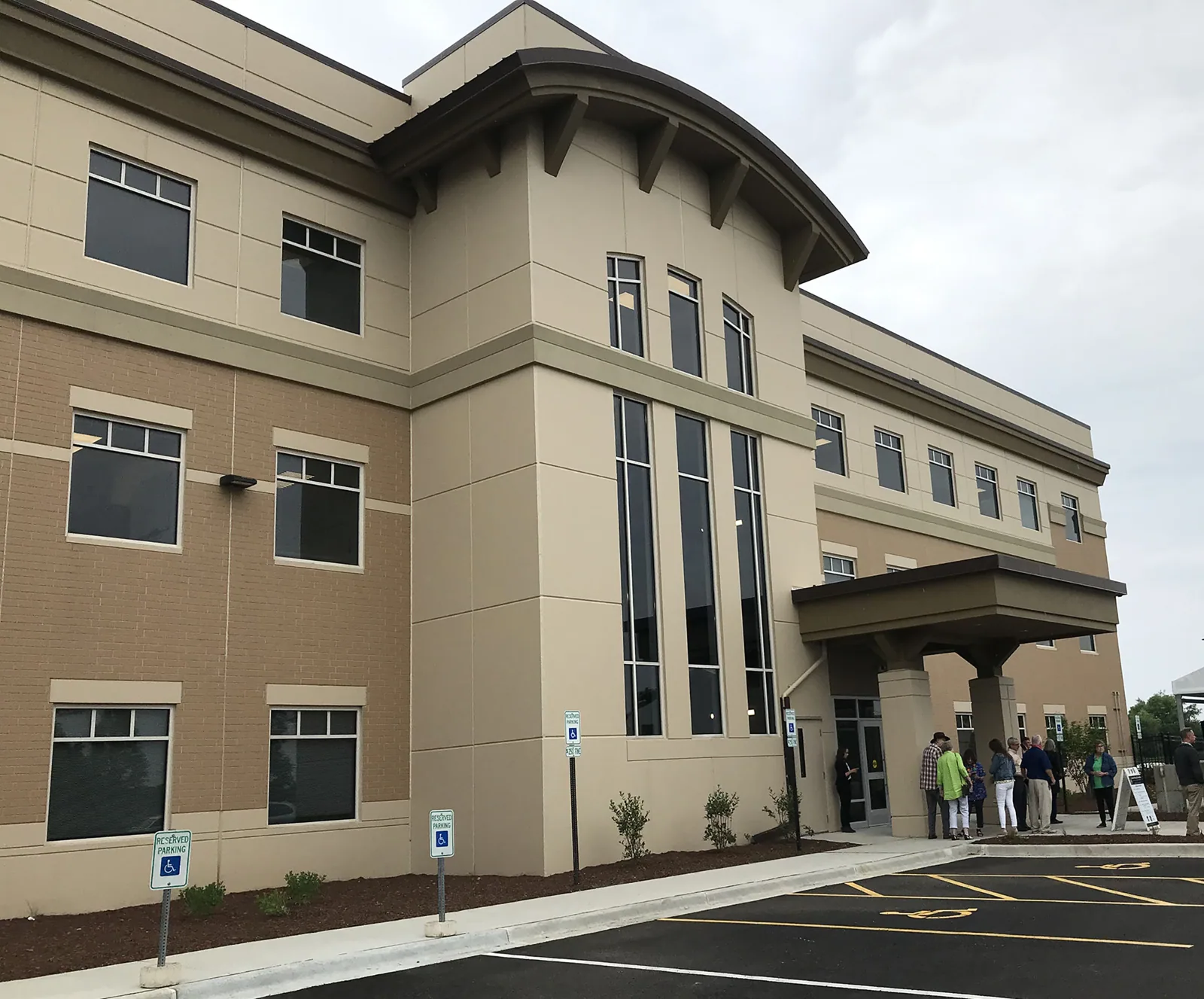
A commercial roof near East Main Street and Kirk Road has to be evaluated as part of the specific property, its tenants and its maintenance history. Fox Haven Square is a 7.5-acre retail and dining project at that intersection, between Jewel-Osco, Old Second National Bank and Charlestowne Mall. St. Charles also identifies downtown retail, service, office and mixed-use redevelopment opportunities. Those facts describe nearby development, but they do not establish the assembly or condition on any individual roof.
We begin by confirming the roof system, drainage paths, transitions and reported symptoms at the address. Then we separate visible wear from tested moisture and inaccessible areas. The result is a decision record that helps an owner choose a targeted repair, additional testing or broader capital work without treating a leak report as a complete diagnosis. A commercial roof inspection gives the decision a documented starting point.
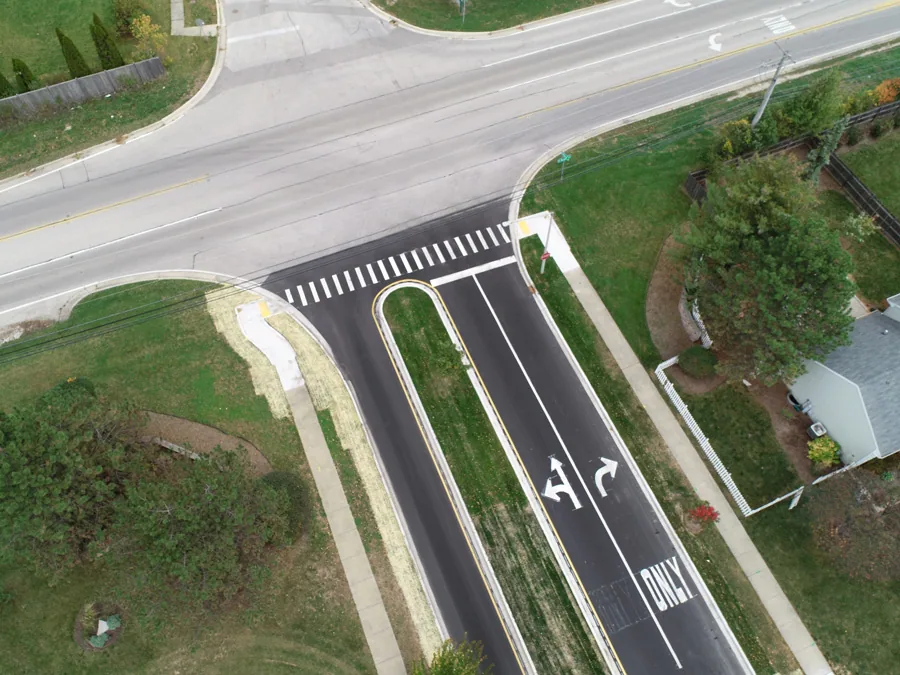
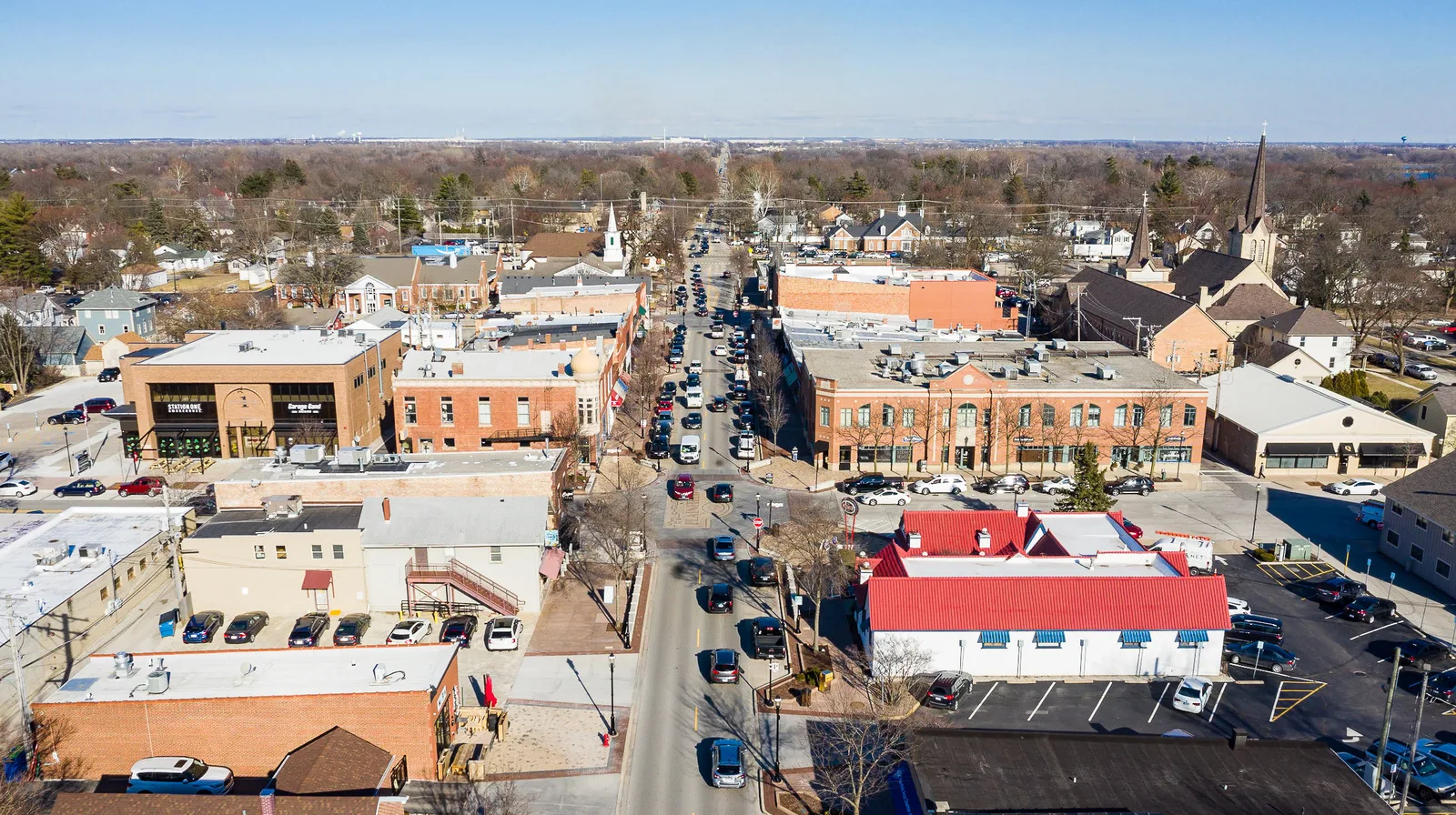
What does an inspection need to establish before a repair is priced?
First, identify what is on the building. Review available records, then compare them with field details such as membrane or metal profile, seams, fasteners, flashing, penetrations, parapets and prior patches. Where records are missing or conflict with what the roof shows, mark the assembly as unconfirmed until enough evidence is available. The nearby project and surrounding businesses do not tell us which system a particular owner has.
Next, map the symptom to a location. A ceiling stain near a tenant space may be below a drain, curb, joint or wall transition some distance away. We inspect the plausible routes and note whether the surface is open, obstructed or unsafe to access. If moisture below the surface could change the recommended work, an infrared moisture survey or another suitable test may help define the affected area. Findings should identify the method, limits and locations tested, with untested portions clearly named.
When is a localized repair enough to support a sound decision?
A repair can make sense when the defect is isolated, surrounding material remains serviceable and water has not spread into a larger assembly area. The scope should name the exact seam, flashing, drain or penetration; specify preparation and compatible materials; and state what quantity is included. It should also note access assumptions and the conditions that would require additional authorization. A clear repair scope lets a property manager compare the proposed action with the observed problem.
Evidence of recurring leaks, deterioration at several details, or moisture confirmed beneath the membrane may change the decision. That does not automatically mean the entire roof needs replacement. We compare the confirmed repair area with the remaining serviceable field, check whether wet material can be removed and the assembly restored, and document any limits. A recover assessment is useful only when existing conditions, code requirements and the chosen system permit that approach. If broader deterioration is present, a replacement review can describe scope, phasing and alternatives.
How should work be coordinated around an active retail or service property?
Fox Haven Square's retail and dining use makes access and customer circulation relevant for that development. Other buildings in the East Main Street and Kirk Road area may have different occupants and operating needs, so confirm the actual property contact, loading pattern, restricted areas and acceptable work windows before mobilization. Identify where lifts, materials and debris can be staged, and whether deliveries or pedestrian routes need protection. These details shape the sequence and may change the time needed even if the repair quantity stays fixed.
For occupied buildings, specify how the crew will protect entrances and interior contents, control dust and noise where applicable, and keep the work zone distinct from public access. For a repair that exposes the roof, define the weather-response plan and who can authorize a temporary measure if conditions change. If several tenants or suites are involved, agree on notice timing and a point of contact for access. A practical schedule accounts for the roof work and the building's routine, rather than leaving coordination to the morning work begins.
What information makes a roof budget useful across more than one year?
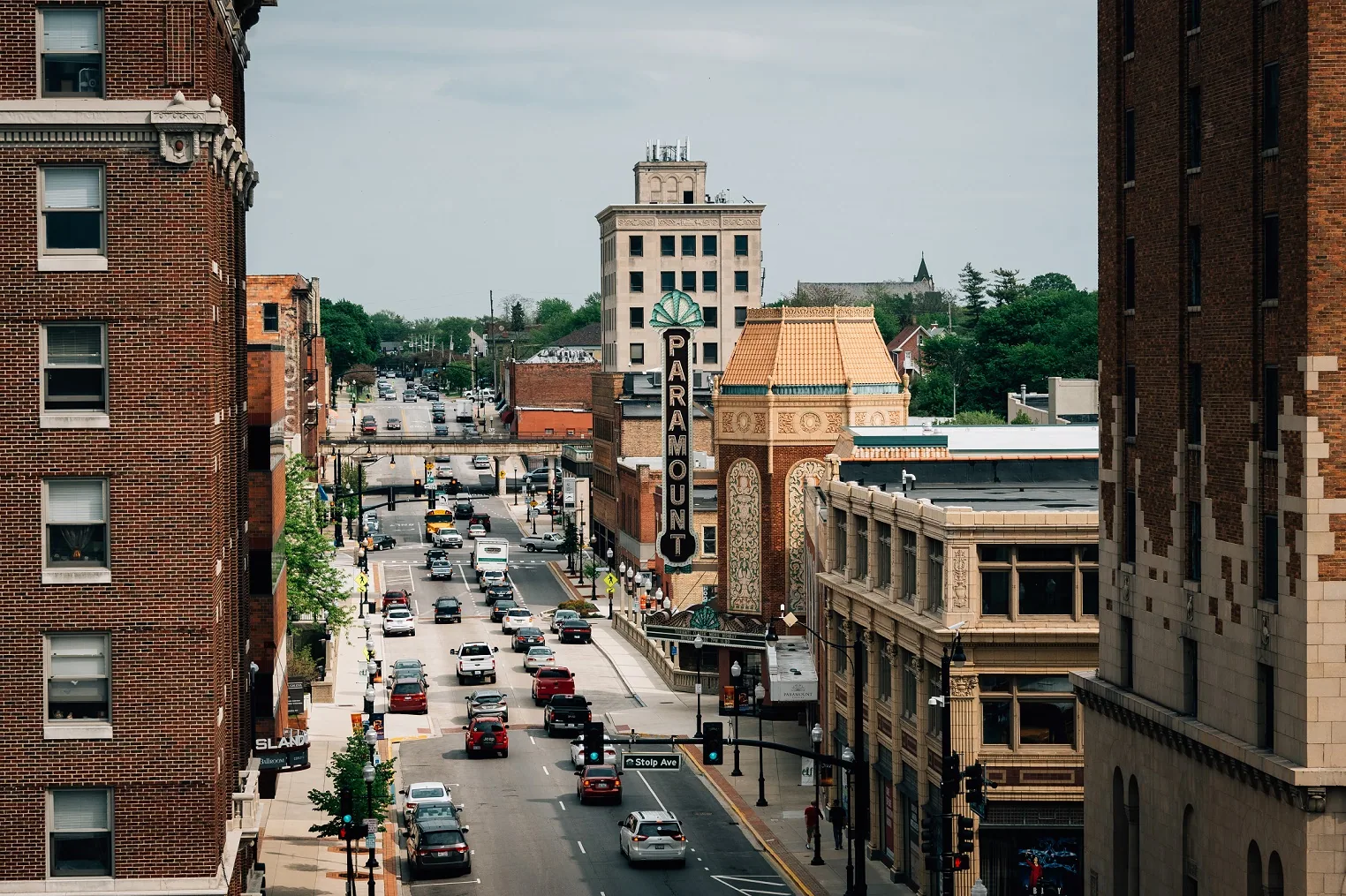
A useful budget separates urgent water entry from recurring maintenance and longer-term replacement exposure. Record the roof section, approximate area, observed condition, test results, repair history and confidence level for each finding. Then show the recommended action, timing, assumptions and what could change the estimate. St. Charles' redevelopment activity around downtown and East Main Street can involve owners with different project schedules; the roof plan should fit the property’s own capital cycle rather than assume one shared timeline.
When multiple buildings or sections are under one ownership, a roof capital plan can rank actions by condition and consequence while keeping unknowns visible. Pair it with a condition report that includes photographs, marked locations and a record of tested and untested areas. This supports a defensible sequence: stabilize active defects, verify uncertain conditions, then fund the work whose scope and timing are best established. It also gives a future manager enough context to understand why a recommendation was made.
What should be preserved after the crew leaves?
Keep the roof plan, product and repair notes, approved quantities, test results, photographs and completion date together. Identify areas opened, repaired, inspected or left untested. If an issued warranty applies, retain its exact terms and issuer contact; do not infer coverage from a contractor's scope. Note later work by other trades if it changes a curb, pipe, support or drain detail. A record tied to a roof section is more useful than a general note that maintenance was completed.
For a property near East Main Street, Kirk Road, Jewel-Osco, Old Second National Bank or Charlestowne Mall, use those names as orientation only; the service record still needs the building address and roof-area identifier. When ownership spans Pheasant Run or Geneva Gateway Business Center, compare each property's roof records without merging its assemblies or repair quantities. At the next visit, compare the same locations and images, note whether the prior symptom returned and record new conditions separately. Keep invoices and approved change orders with the corresponding roof map so cost history remains tied to completed work. That continuity helps the next decision rest on evidence from the actual roof.
Does Fox Haven Square identify the roof systems nearby?
No. The project is a retail and dining development at East Main Street and Kirk Road. We confirm each building's assembly from records and field inspection before recommending materials or scope.
Can a ceiling stain show exactly where the roof is leaking?
Usually it identifies where water appeared inside, not necessarily where it entered. We trace plausible paths through roof details and document what inspection or testing supports the conclusion.
What should a repair proposal specify?
It should identify the roof section and defect, preparation, compatible materials, included quantity, access assumptions and any conditions that could change the work. It should also state what areas were not tested.
Can work be phased around tenants?
Yes, when the scope and access conditions allow it. Confirm work windows, staging, entry protection and a property contact so the schedule accounts for actual building operations.
Request a Roof Assessment
Share the property address, roof records, maintenance history and access contact. We can document visible conditions and prepare a scoped next step.
Call 555-555-5555 or send the form and we will set a time to walk the roof.