Commercial Roof Skylight and Penetration Flashing in Aurora, IL
Commercial Roofing Services
Trace the water path to the actual roof opening
A wet ceiling below a skylight does not establish that the glazing is leaking. Water may enter at the curb, a nearby seam, a conduit boot or an upslope detail, then travel before it appears indoors. We inspect the full assembly, trace the likely path and record each opening by roof section. With roughly 121 subfreezing days in a typical Aurora year, failed skylight curb seals need prompt water control before trapped moisture freezes and stresses adjacent flashing. The repair starts with the curb and flashing evidence, not the room where the stain appeared.
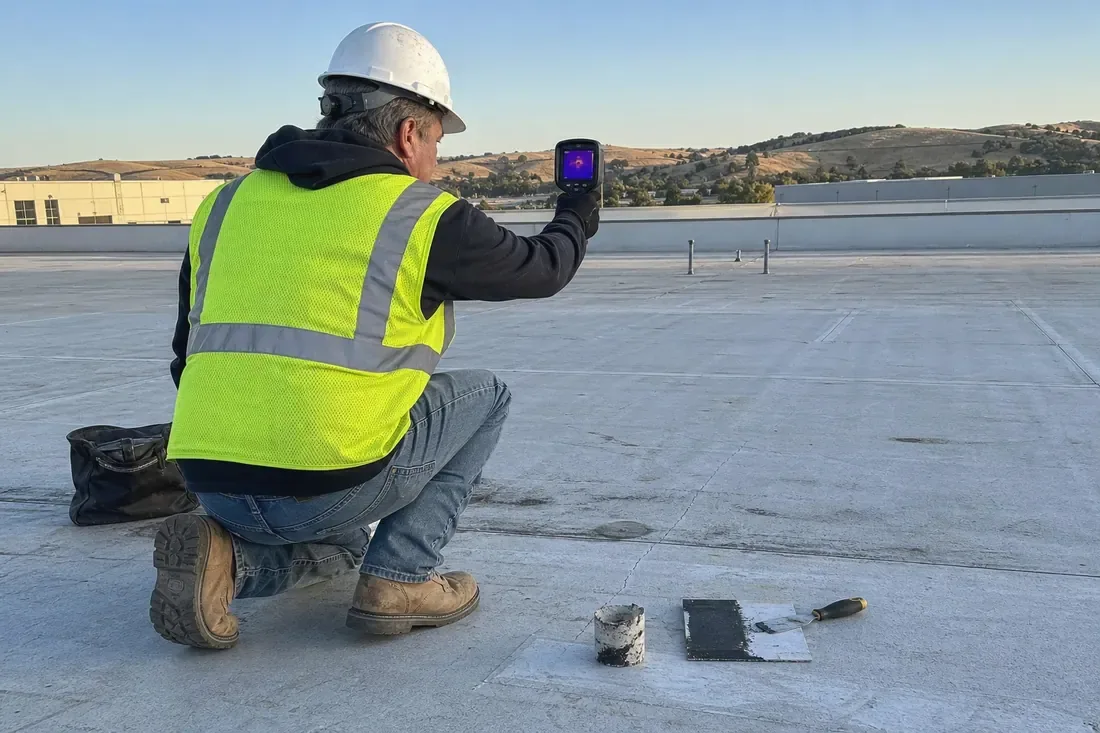
Across Downtown Aurora and the Eola Road commercial corridor, we record the skylights, vents, pipes and equipment supports present on the building under inspection. We inventory the actual penetrations and inspect their type, height, attachment and surrounding membrane. A leak investigation can separate a single failed detail from a larger drainage or assembly issue and establish the approved repair quantity.
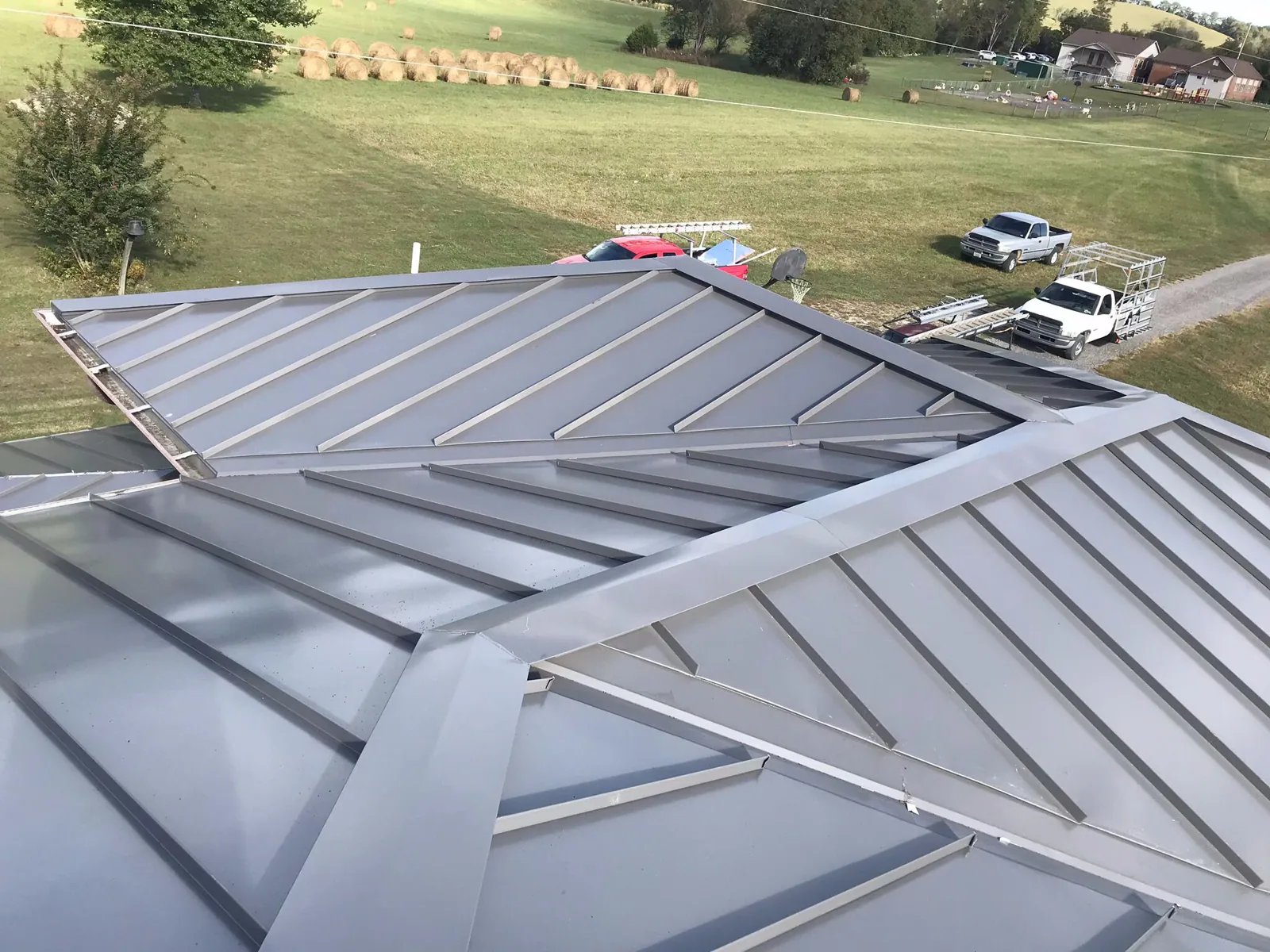
Where can water cross the roof detail?
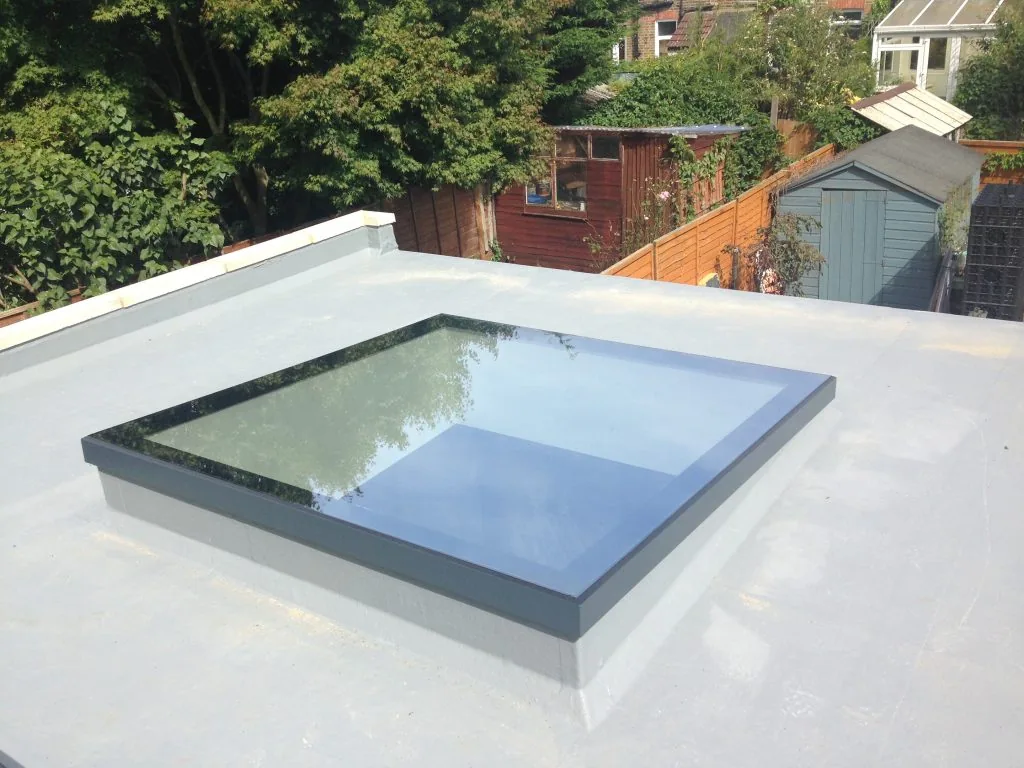
At a skylight, we inspect the curb, corner transitions, metal cap, glazing perimeter and connection to the roof membrane. We look for open laps, failed sealant, loose fasteners, cracked curb material and signs that water has moved beneath the flashing. The glazing itself is a separate part of the assembly; we record visible issues without treating every interior drip as evidence of a failed lens. Photos identify the affected edge and nearby roof plane so a repair crew can return to the right detail.
Pipe boots, conduits, exhausts and equipment curbs have different movement and heat conditions. We check whether the flashing fits the penetration, remains bonded and terminates above the roof surface as intended. Nearby service work can disturb a boot or leave tools and fasteners on the membrane. We note access constraints and any equipment that needs an owner-approved shutdown or escort. If insulation appears soft, we mark the location for testing rather than assume a surface detail explains all concealed moisture.
Can the flashing be repaired in place?
A localized detail repair may be suitable when the curb remains stable, adjoining membrane is sound and compatible materials can restore the transition. A cracked or deteriorated curb, repeated movement, widespread wet insulation or an incompatible old patch may require a broader scope. We inspect the material type and existing installation before selecting primer, flashing membrane, sealant or fabricated metal. The report shows why a detail qualifies for repair and identifies any test area or replacement allowance that remains open.
Drainage around the curb affects the result. A cricket or saddle may be needed when the equipment or skylight obstructs water flow, while a nearby drain correction may address a separate low area. We inspect the whole path before assigning cause. An outlet and ponding review can help distinguish a failed penetration from water held against it. We also compare perimeter metal details when the leak path reaches a parapet rather than the opening itself.
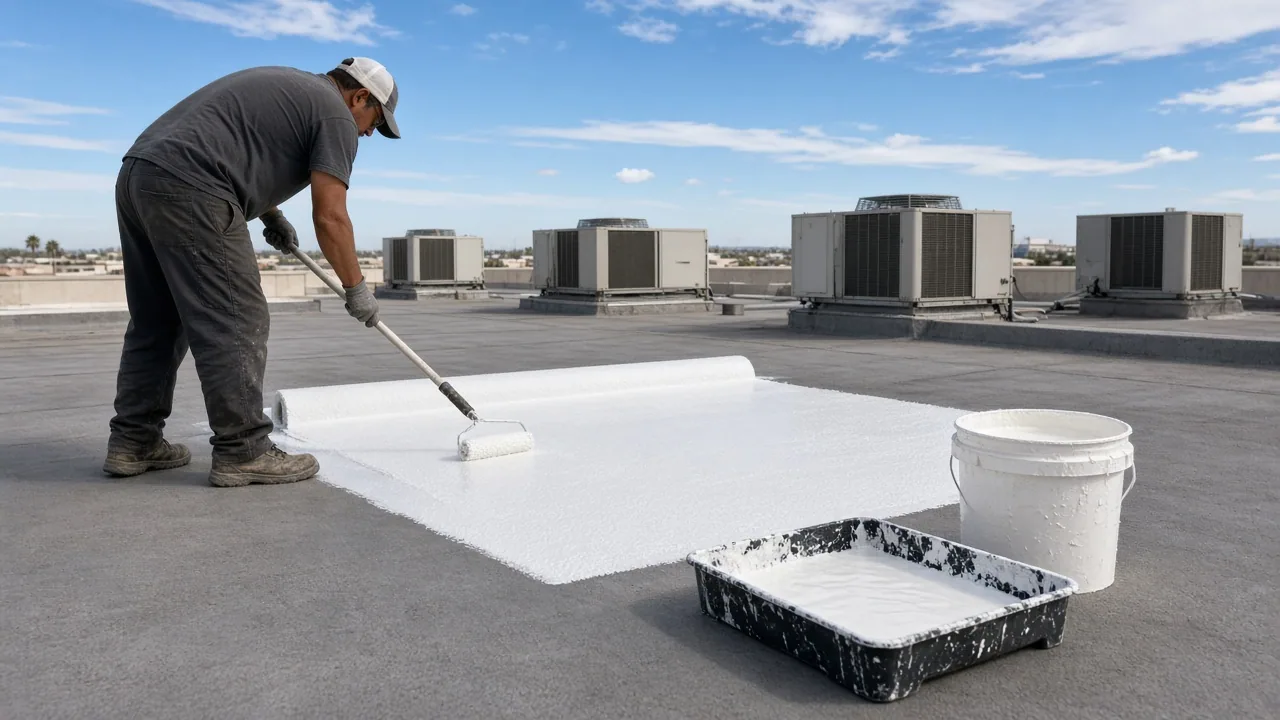
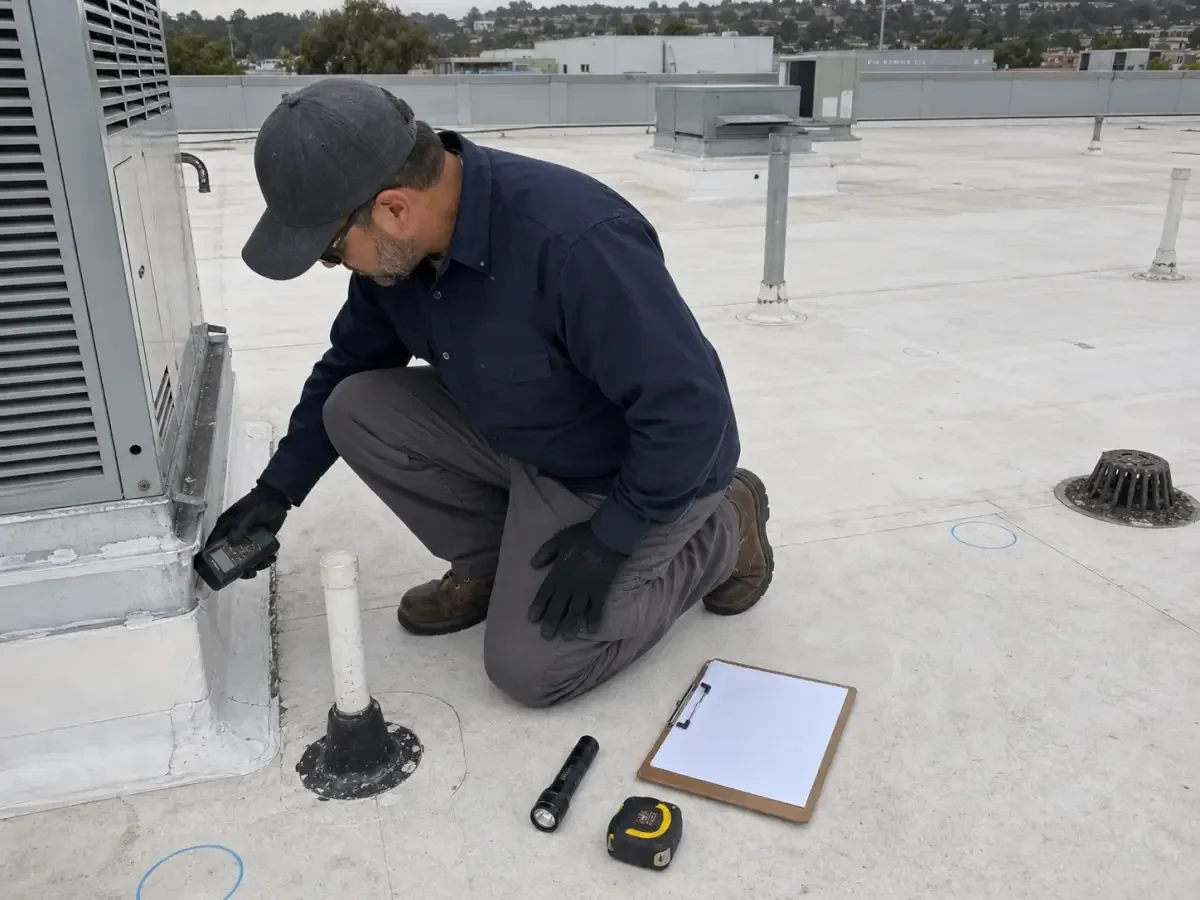
What drives the repair allowance?
Quantity follows the number and type of penetrations, curb dimensions, flashing height, access, nearby equipment and the amount of membrane that must be removed. A skylight replacement may involve interior protection and coordination beyond the roof work. If deck or insulation condition remains unknown, we list an allowance with the method for measuring added work. The owner can see the cost of a defined detail repair separately from larger roof replacement or moisture remediation. We tie each quantity to a photograph and section reference.
Weather limits affect flashing products and installation sequence. Aurora's annual precipitation is about 37.7 inches, with wetter monthly conditions from May through September; exposed areas need protection between shifts. Cold weather also affects material handling and manufacturer requirements. For occupied facilities, we coordinate any interior access, noise, or protection below the work area. A phased occupied-building plan can set timing around patient, student or production schedules without implying that every operation has the same restrictions.
How should the finished detail be documented?
The work file should name the opening, roof section, existing condition, selected repair material and steps used to prepare the substrate. Before-and-after images show the curb corners, membrane tie-in, fasteners and any replaced flashing. We note whether concealed conditions were exposed and measured, or remain outside the completed scope. If a skylight unit itself needs separate glass or frame service, the record identifies that boundary rather than attributing the work to roofing.
At closeout, we check the surrounding drainage and adjacent seams, then set a follow-up date if the repair needs observation. A roof condition record keeps the detail visible alongside the building's other repairs. For an owner with more than one Fox Valley facility, including a property near Fox Valley Mall, consistent labels support portfolio review while preserving separate photographs and roof plans. During a later inspection, the facility director can compare the curb's present condition with the exact repair location instead of relying on a note that simply says 'skylight leak'.
Who should approve access and protection?
Before opening a detail, we confirm roof access, fall protection, equipment clearances and any interior area requiring protection. The building contact identifies security procedures and whether a unit, exhaust or process line may not be interrupted. If removal exposes a condition beyond the approved scope, we photograph and measure it before requesting direction. The sequence keeps the opening protected while the owner reviews the added quantity.
New skylight curbs or opening changes are reviewed under Aurora's building code set effective January 1, 2026. Project scope and permit conditions determine whether a skylight or curb change requires additional review. We identify those questions before ordering replacement components and coordinate design input when the opening or structural support changes. A capital plan can carry a larger curb replacement or future skylight work into a later budget cycle, with the current repair record available for reference.
Why can a skylight leak appear far from the curb?
Water can move beneath the roof surface or along a slope before it reaches the ceiling. We inspect the curb, nearby seams, penetrations and drainage path, then compare the likely entry area with interior reports. The report identifies evidence and uncertainty separately instead of locating the leak from the stain alone.
Do you replace the skylight as well as repair its flashing?
We inspect and document the roofing transition and visible skylight condition. If glazing or frame work is needed, we identify that scope and coordinate the appropriate specialist. The estimate keeps roof flashing separate from glazing replacement so the owner can see which component each quantity addresses.
What happens if a pipe boot is too small or split?
We confirm the penetration size and material, inspect the surrounding membrane, and select a compatible flashing detail. A localized repair may work when adjacent material remains sound. If the opening, support or concealed insulation is compromised, we map the added work and request owner direction before expanding the approved quantity.
Can flashing work be done while equipment remains operating?
The equipment condition and access rules determine the sequence. We review clearances and coordinate any shutdown or escort with the facility contact before work. If a process line cannot be disturbed, we plan around it and state the limitation. The roof area remains protected at shift boundaries.
How do Aurora winters affect skylight and curb repairs?
Repeated freeze-thaw can stress a detail when water enters a small opening and freezes. We inspect curb corners, terminations and adjacent drainage, then record the repair before winter exposure where scheduling allows. Product temperature limits and substrate conditions govern installation, and the closeout date supports a later comparison.
Request a Roof Assessment
Share the Aurora address, facility contact, interior leak location and any roof plan or prior repair notes. We will inspect skylights and penetrations, document the affected details and prepare an approved repair quantity.
Call 555-555-5555 or send the form and we will set a time to walk the roof.