Commercial Solar-Ready Roofing in Aurora, IL
Commercial Roofing Services
Review the roof before fixing the panel layout
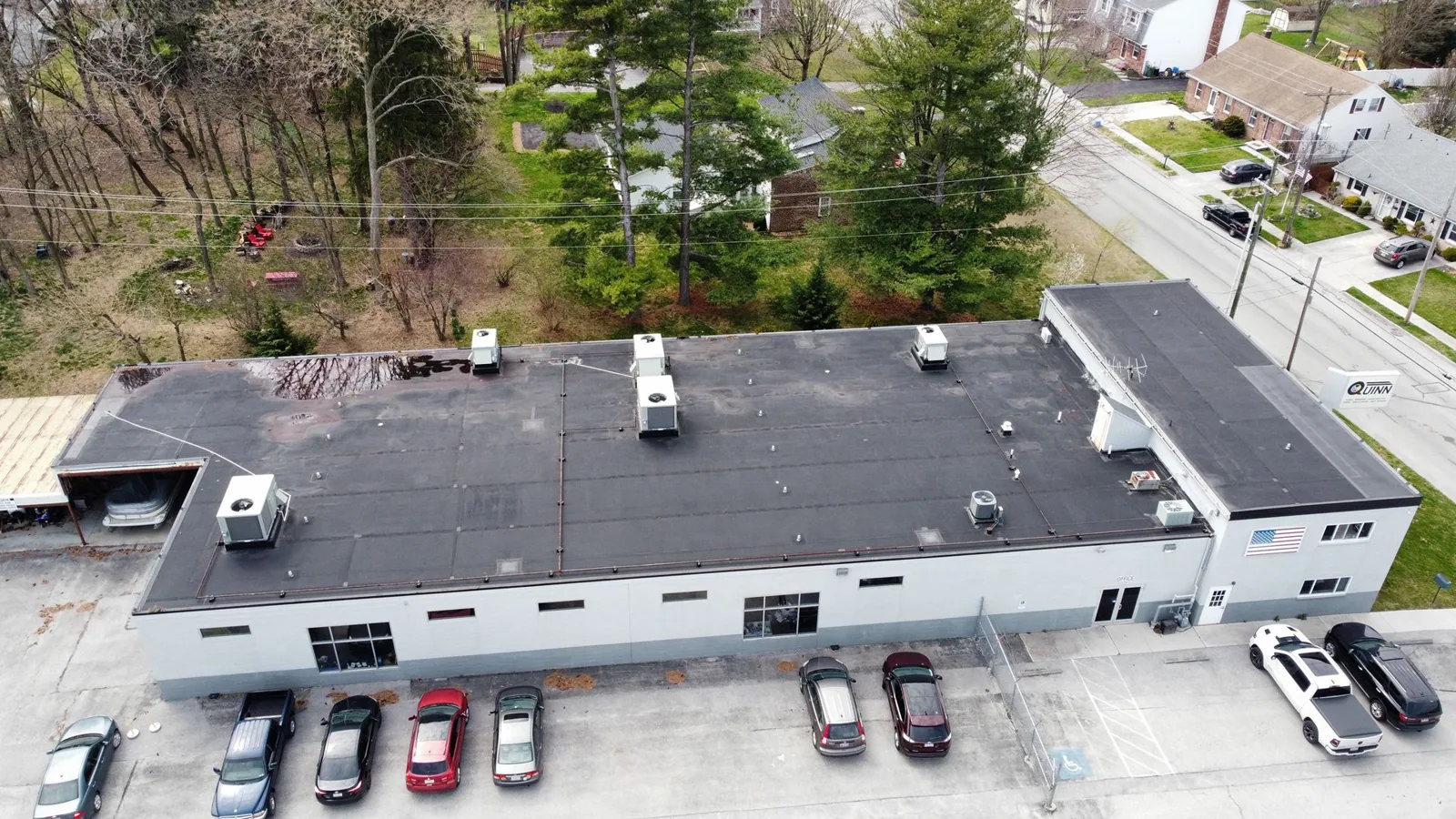
A roof that leaks today will remain a maintenance problem after solar panels cover the repair area. We inspect the membrane, seams, penetrations and drainage before an array layout is approved, then map conditions that could complicate attachment or future access. Aurora's average of about 12 days above 90°F each year adds summer exposure to roof materials, while winter freeze-thaw stresses details below mounted equipment. A solar-ready review puts the roof condition and its remaining repair threshold on record before the energy project fixes the panel layout.
For facilities near Naperville's I-88 corridor or Fox Valley Mall, the employment and retail settings provide location context. Facility and electrical records establish demand, structural review addresses capacity, and roof inspection identifies the specific building's condition. We coordinate with the owner and design team, identify available plans and document the sections that need testing. The roofing record then informs array placement, access paths and a maintenance plan without replacing structural, electrical or energy engineering.
Will the existing roof remain serviceable?
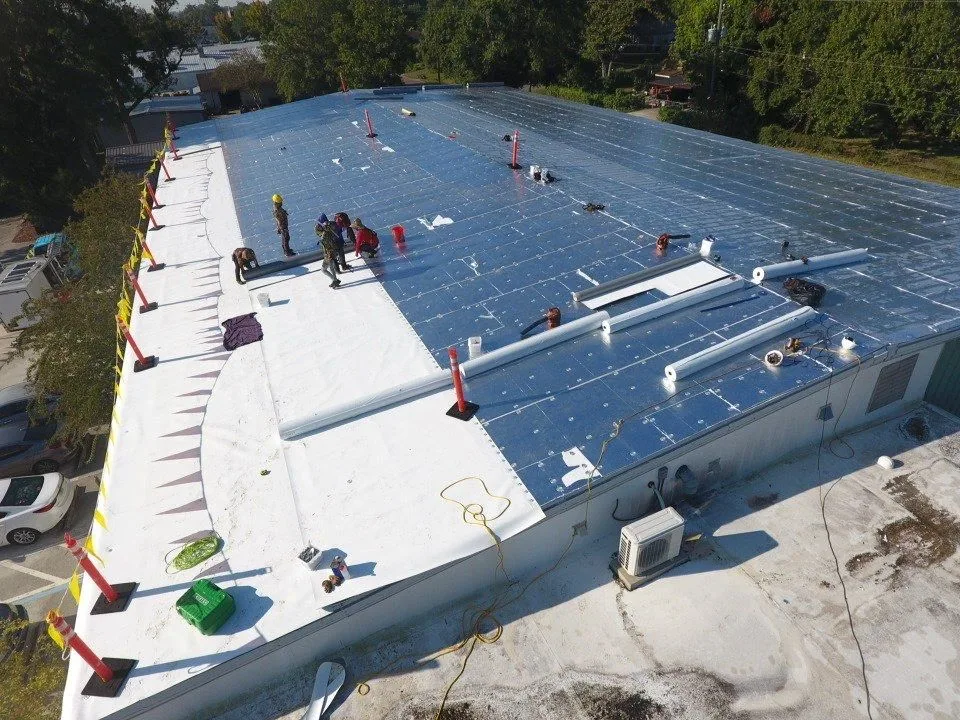
We document roof age records provided by the owner, membrane type, repairs, seams, flashings, drainage, penetrations and tested moisture areas. Suspected wet insulation needs confirmation before panels reduce access. The report identifies sections that are sound, sections requiring repair and areas where tests remain incomplete. If the membrane is near its repair threshold, the owner can compare re-roofing before solar with a defined plan for future array removal and reset. A condition inspection establishes the baseline for that comparison.
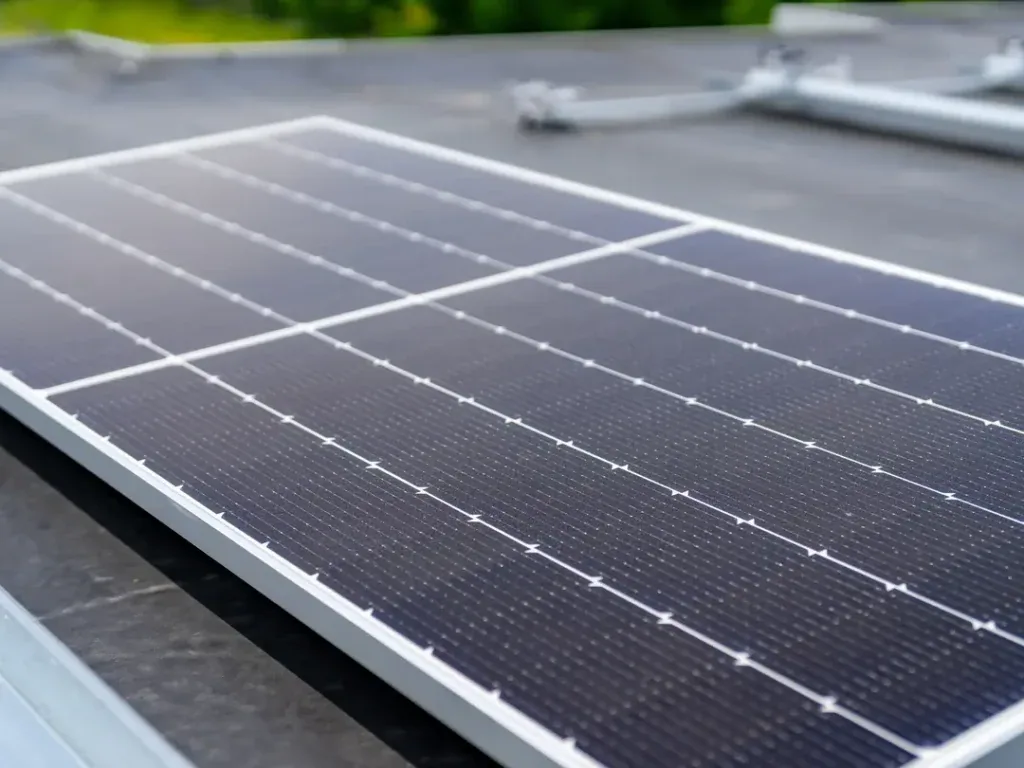
Solar supports can concentrate loads and create penetrations or ballast zones that affect the roof system. Structural capacity, wind design, attachment and electrical routing require review by the appropriate design professionals. We note where proposed supports cross seams, drains, walk pads or maintenance routes, then coordinate roofing details with the approved array plan. The approved panel layout should follow verified roof details and preserve drainage and service access. A roof condition report can preserve the tested areas, photographs and repair quantities for the energy team.
How should roof access work around panels?
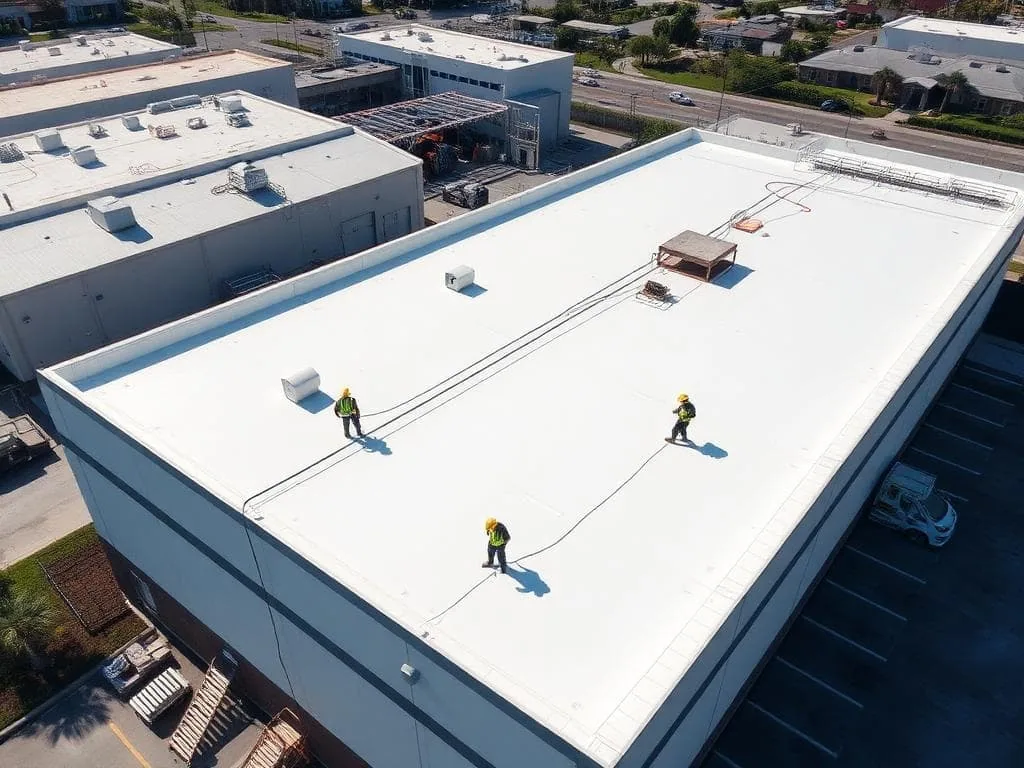
An array changes how technicians reach drains, curbs, skylights and membrane transitions. We identify service clearances, walking paths, fall-protection needs and areas that need to stay accessible for inspection. Panel rows should not conceal drain strainers or make a roof detail unreachable. The owner and solar designer confirm the layout, while we document roofing conditions and the access route that must remain available. If future maintenance requires panel removal, that responsibility and sequence need to be stated in the project records.
Aurora's annual precipitation is about 37.7 inches, with wetter monthly totals from May through September. Drainage capacity and clear flow paths matter before the array is installed, especially where ballast or support rails could trap debris. We review drain locations and ponding conditions, then coordinate any correction before equipment blocks access. A drainage assessment can document required outlet work. If the project also replaces insulation or membrane, a roof assembly review can address the added thickness and edge transitions.
Should roofing work precede the array?
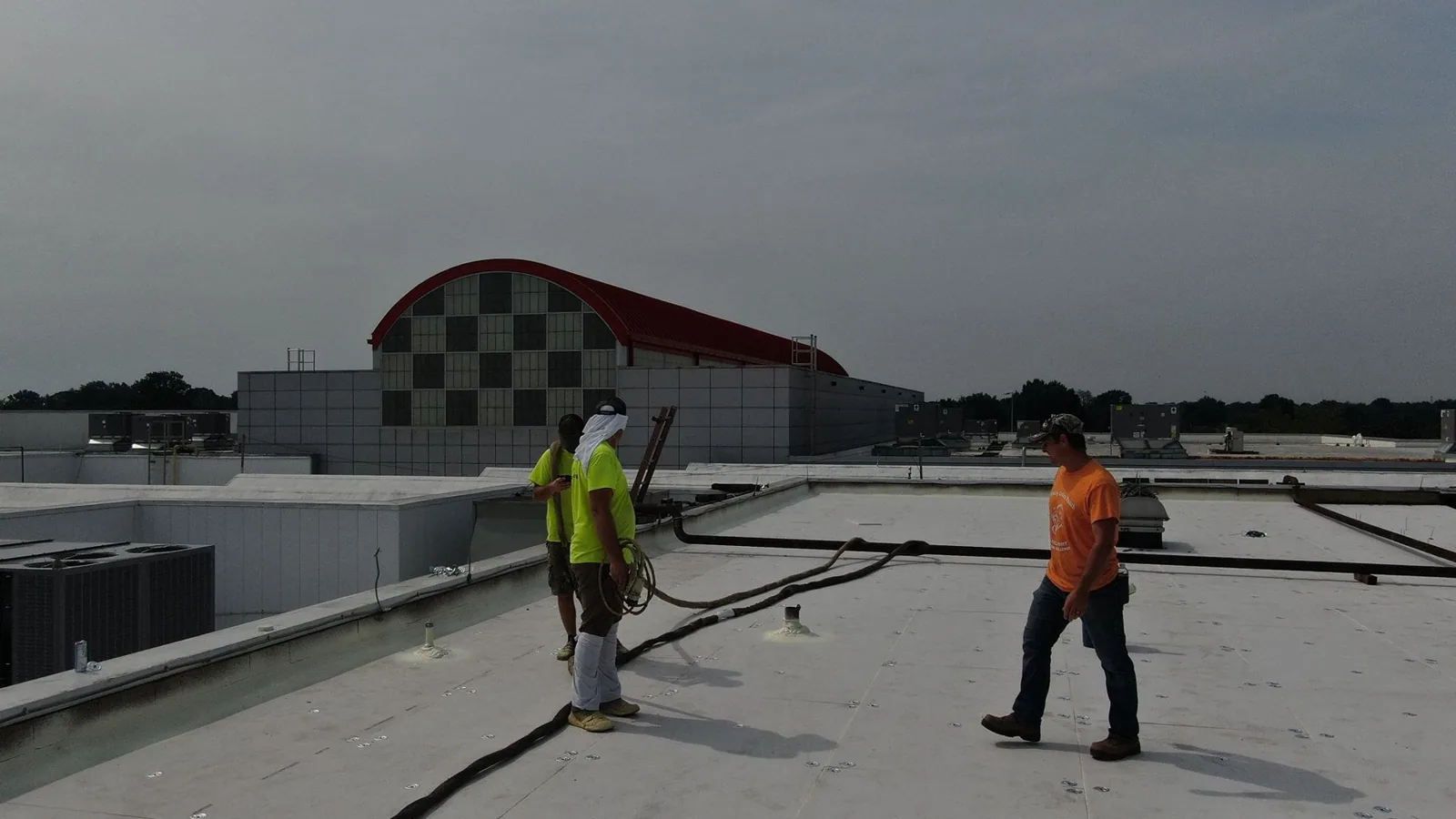
Roofing should occur first when tests show wet insulation, deteriorated seams or other defects that panels would make harder to repair. If the roof remains sound, the owner can compare a planned membrane replacement date with the solar project's expected service and maintenance needs. We base any remaining-life estimate on the documented assembly and inspection findings. The recommendation identifies tested areas, unresolved quantities and the consequences of delaying roof work until after the array is operating.
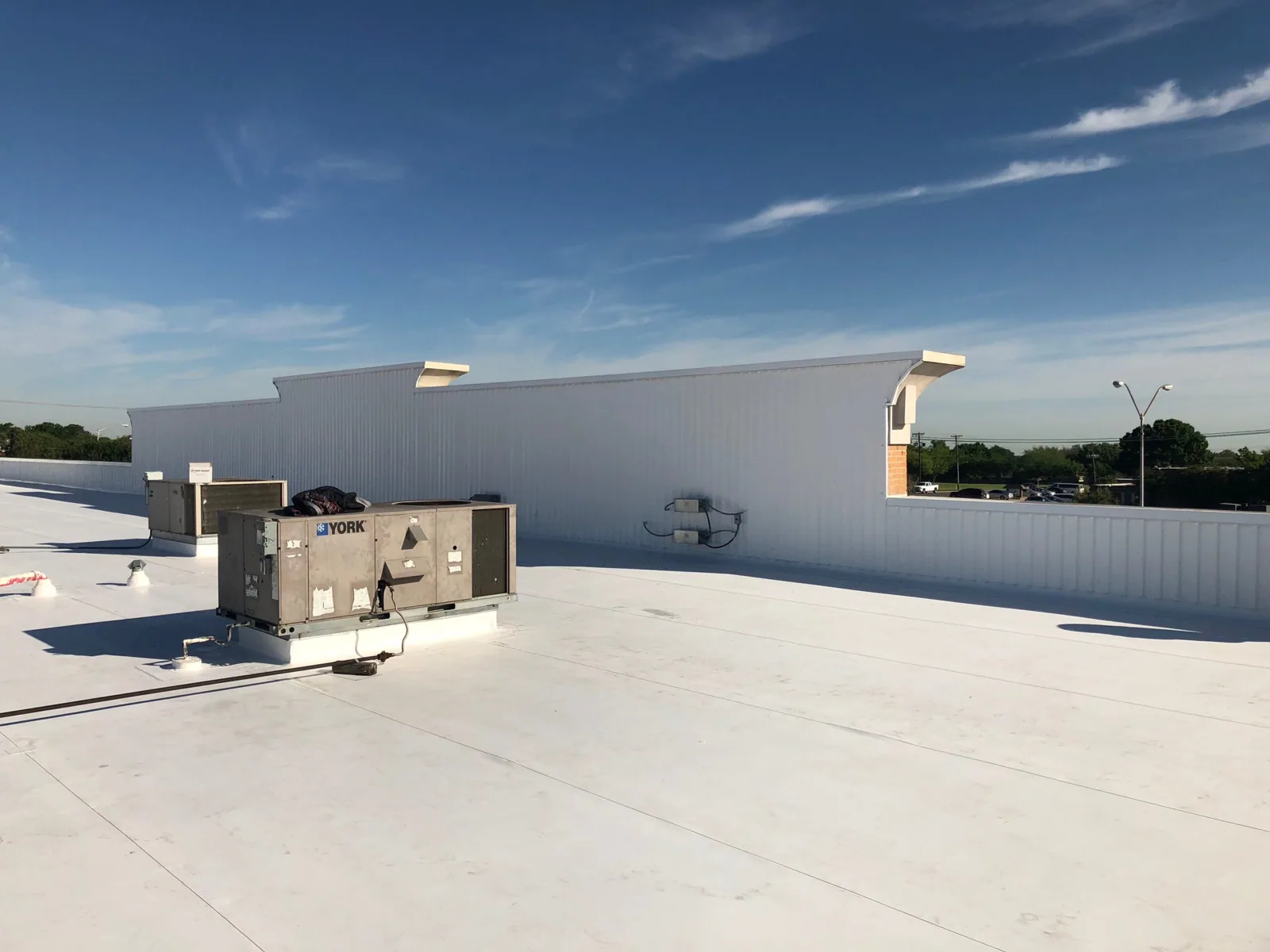
Repair, recover and replacement each affect future panel handling differently. A recover may change edge height and curb transitions; replacement exposes the deck and permits broader insulation work; isolated repair preserves the existing assembly where it remains sound. We map the chosen roofing scope and coordinate its closeout before array supports are installed. A replacement review or recover assessment can compare those options with current tests and attachment details.
What belongs in the solar-ready scope?
Roofing quantities may include testing, wet-insulation removal, membrane repair, access walkways, drain correction, curb adjustments and protection during array installation. We keep those items separate from structural reinforcement, electrical work and solar equipment. The estimate identifies which details are confirmed and which depend on final panel locations. If work will be phased by roof section, the schedule shows dry-in points and the party responsible for protecting each area. That division helps the facility director compare proposals without mixing unlike trades.
Solar-ready structural and attachment changes should be reviewed under Aurora's code cycle effective January 1, 2026, with applicable commercial energy provisions checked separately. The project's design team confirms current building, energy and electrical requirements for the actual array and roof scope. We identify the review items before procurement and provide the roof assembly details requested by that team. Any change in insulation or penetrations is recorded for review rather than treated as automatically compliant or approved.
What records protect future roof decisions?
Before installation, retain the roof plan, moisture tests, repair log, membrane specification, approved array layout and the details showing how supports and penetrations meet the roof. Closeout should include the array location map, roof access path, drain points, flashing details and responsibility for later removal or repair. We photograph concealed roof work before panels restrict the view. That file lets maintenance staff locate a seam or curb and understand which equipment contractor to contact.
At later inspections, we compare accessible areas with the baseline, check drains and flashings, and document any damage from service activity. The facility contact tracks changes to panel rows, support pads or electrical routing. A maintenance program can set a review date and log authorized repairs by section. For multiple Fox Valley properties, consistent documents help the portfolio team compare roofs while keeping each building's structural and membrane record independent.
Do we need a new roof before installing solar panels?
The decision follows inspection and testing, not a general age threshold. We map membrane condition, seams, drainage and confirmed moisture, then identify repairs that would become harder under the array. The owner compares that evidence with the proposed panel plan and receives a separate roofing scope. Structural and solar design teams evaluate their own requirements.
Can solar supports be attached through the existing membrane?
The attachment method must be selected and detailed by the project designers for the roof and structural conditions. We review the roofing interface, identify penetrations or ballast areas and document how the membrane will remain watertight. The approved detail should name compatible materials and preserve access for future inspection.
Who is responsible for roof leaks after the array is installed?
The project documents should assign responsibility for roof flashing, array attachments, electrical penetrations and later service work. We record the completed roof details and the array layout provided by the owner. If a leak occurs, that record helps identify the area and appropriate trade without assuming its cause in advance.
Will panels block roof drains or service paths?
The layout should preserve drainage and access to strainers, curbs and repair areas. We compare drain locations and maintenance routes with the proposed panel rows, then flag conflicts for the designer to resolve. The final plan should show the approved clear paths and any roof areas that need periodic panel removal.
What should we share with the roofing contractor before solar design?
Provide roof plans, prior core results, leak and repair history, membrane records, proposed panel zones and the facility contact. Those materials establish the baseline and help identify test needs. We verify roof conditions in the field and coordinate the assembly information requested by the structural and solar teams.
Request a Roof Assessment
Send the Aurora address, roof plans, repair records, available moisture tests and proposed solar zones. We will document roof condition, access and drainage needs for coordination with the approved design team.
Call 555-555-5555 or send the form and we will set a time to walk the roof.