Commercial Roof Flashing Failure Repair in Aurora, IL
Roof Damage Repair
Trace the flashing failure to its repair boundary
A split at a roof curb can send water into a building even when the membrane field remains intact. We inspect the flashing termination, fasteners, adjoining membrane and drainage, then map the confirmed opening to the roof section. Aurora averages about 121 days below freezing each year, so trapped water can freeze and expand at a weak detail. The report separates the failed flashing from nearby materials that have not been tested.
Aurora's commercial properties span the Route 59 and Fox Valley retail district, Downtown Aurora's historic commercial buildings and adaptive-reuse projects, and industrial corridors near US 30. Each building can have different parapets, equipment curbs, skylights or wall transitions. Local access and weather affect the work window, but the assembly at the actual address determines the repair. We identify the detail, substrate and tie-in required before proposing an approved quantity.
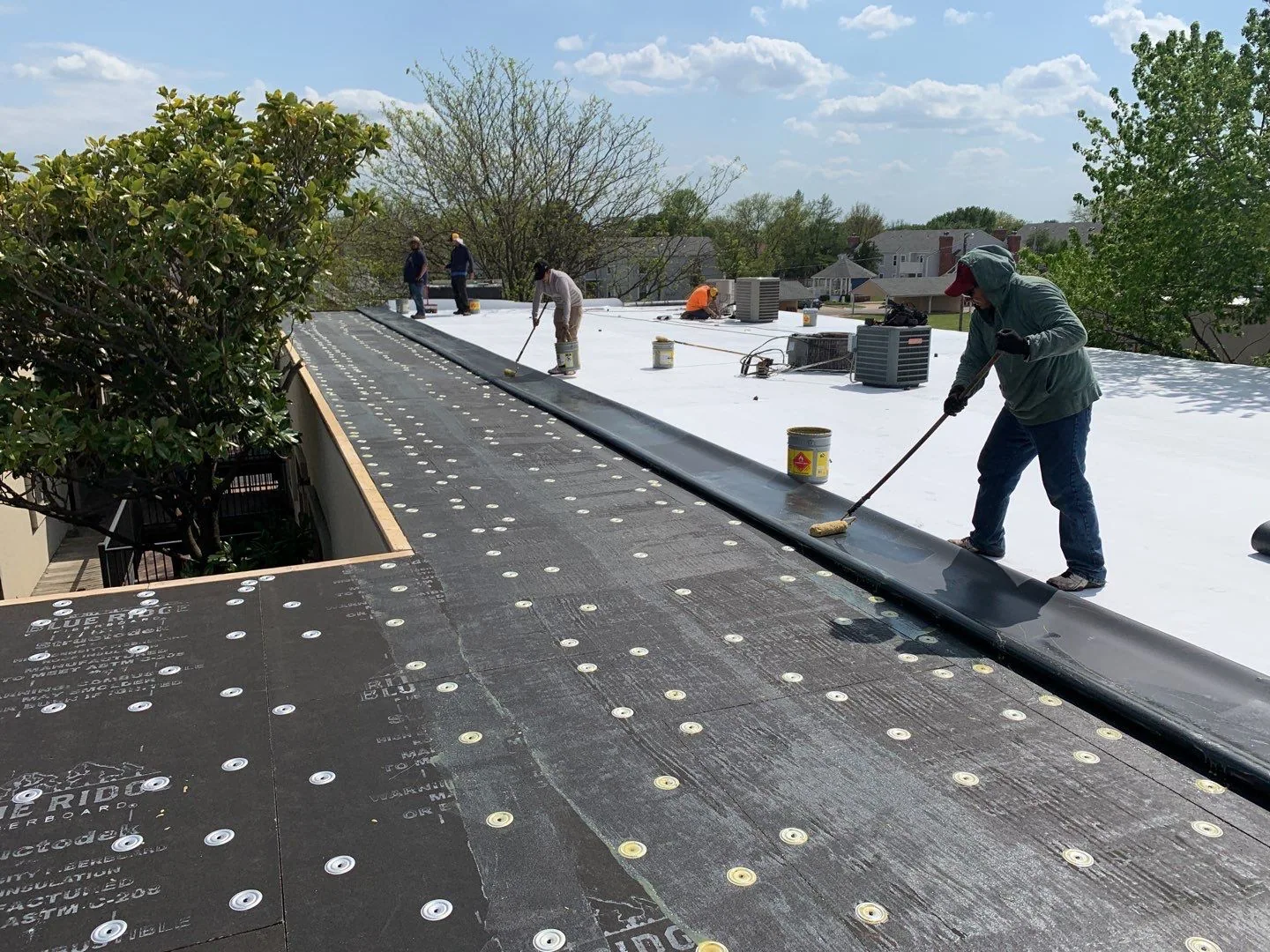
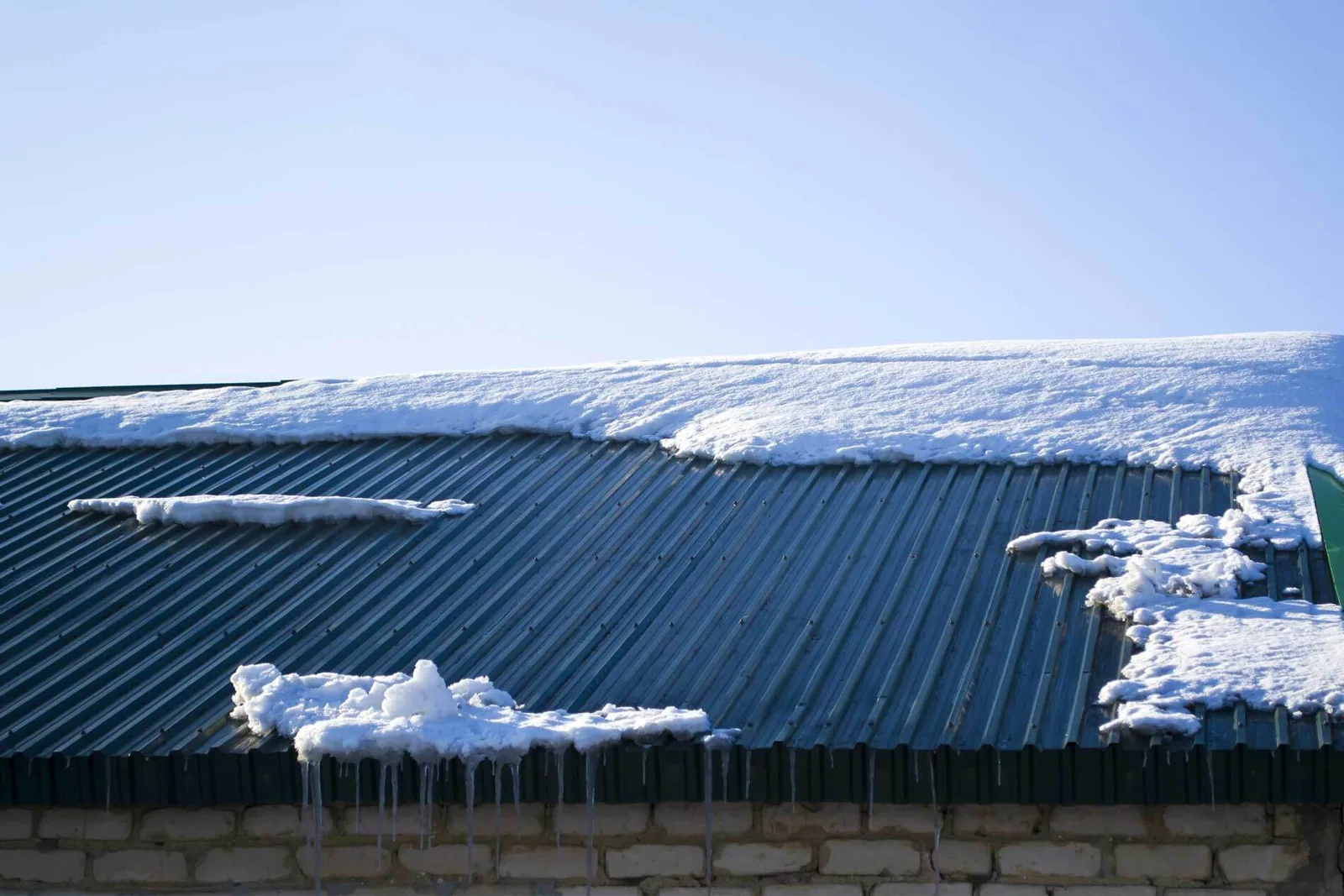
Which flashing transition has opened?
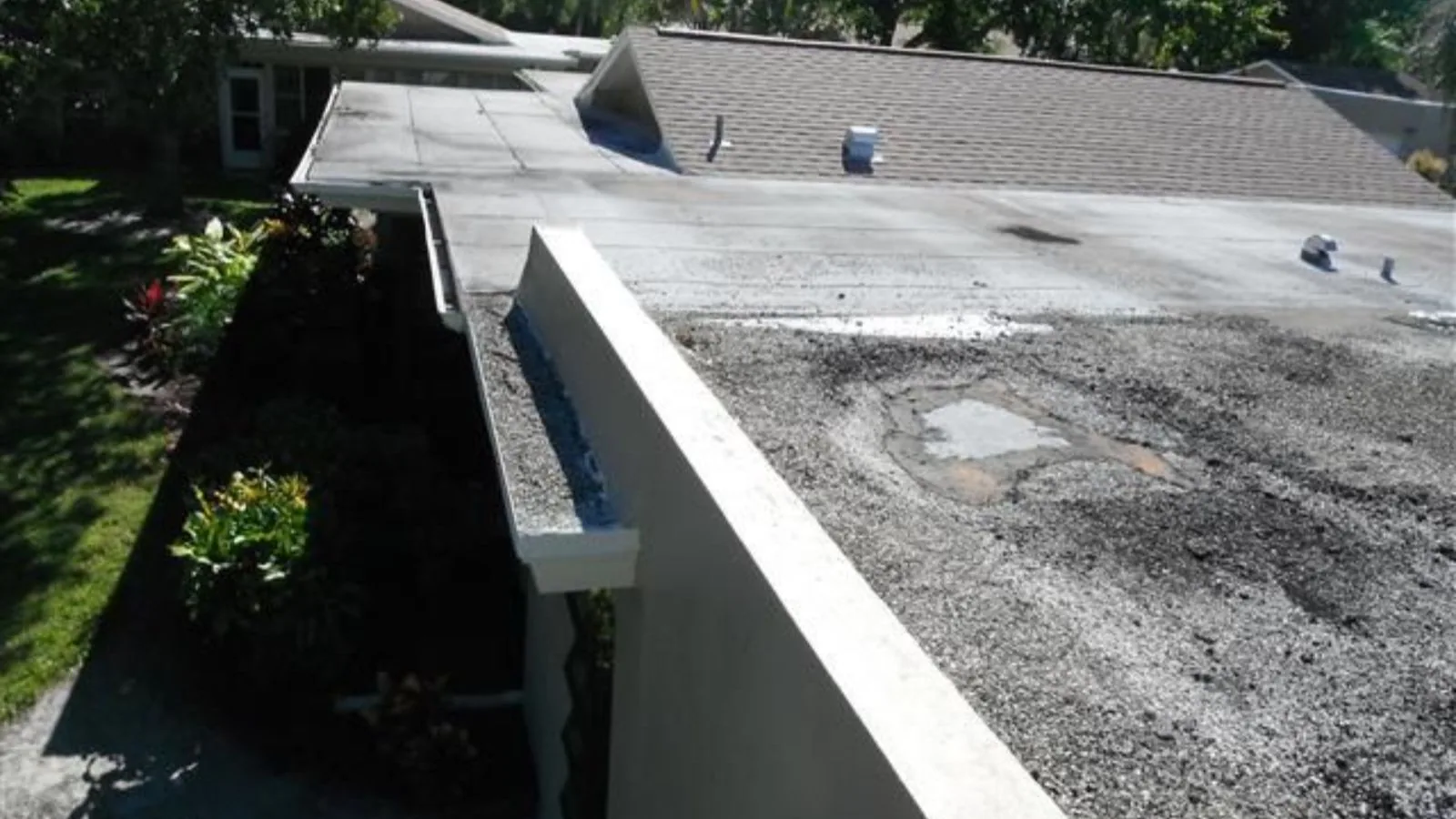
We check the curb or wall, membrane termination, counterflashing, fasteners, sealant and nearby seam, looking for splits, loose metal, failed laps or movement at the joint. A stain indoors may be downslope from the opening, so the roof plan and slope guide the inspection. Photographs show the failed edge and surrounding material. We note where water can pass behind the metal, whether the termination bar remains attached and if the counterflashing directs runoff onto the roof or behind the wall finish. Those observations distinguish a failed membrane lap from a wall-side joint and prevent the repair boundary from ending at the first visible split. If access to a rooftop unit or interior room is restricted, that limitation appears in the findings.
Different details call for different repairs. A curb may need a membrane flashing patch, while a parapet may require work at the termination or coping. Abandoned penetrations need a proper closure rather than a surface bead of sealant. Infrared patterns can help identify a moisture test area, but core samples confirm only the spots opened. A penetration flashing inspection can document roof-mounted details before a quantity is set.
How should active water entry be controlled?
If the flashing is open and water is entering, the first step is to protect the space below under the facility's procedures. We document the temporary repair, location and material separately from the permanent correction. The site contact confirms equipment shutdown authority, roof access, and any occupants or pedestrian route below the work. A permanent detail should not be closed until the substrate and adjacent membrane are checked.
Aurora receives monthly precipitation near four inches from May through September. A temporary dry-in must remain secure through each shift and tie into sound material. We protect drains and report whether any tested insulation was wet. Emergency service is available around the clock, including holidays. The lasting repair follows when surface conditions and product requirements allow the flashing to be prepared, installed and closed correctly.
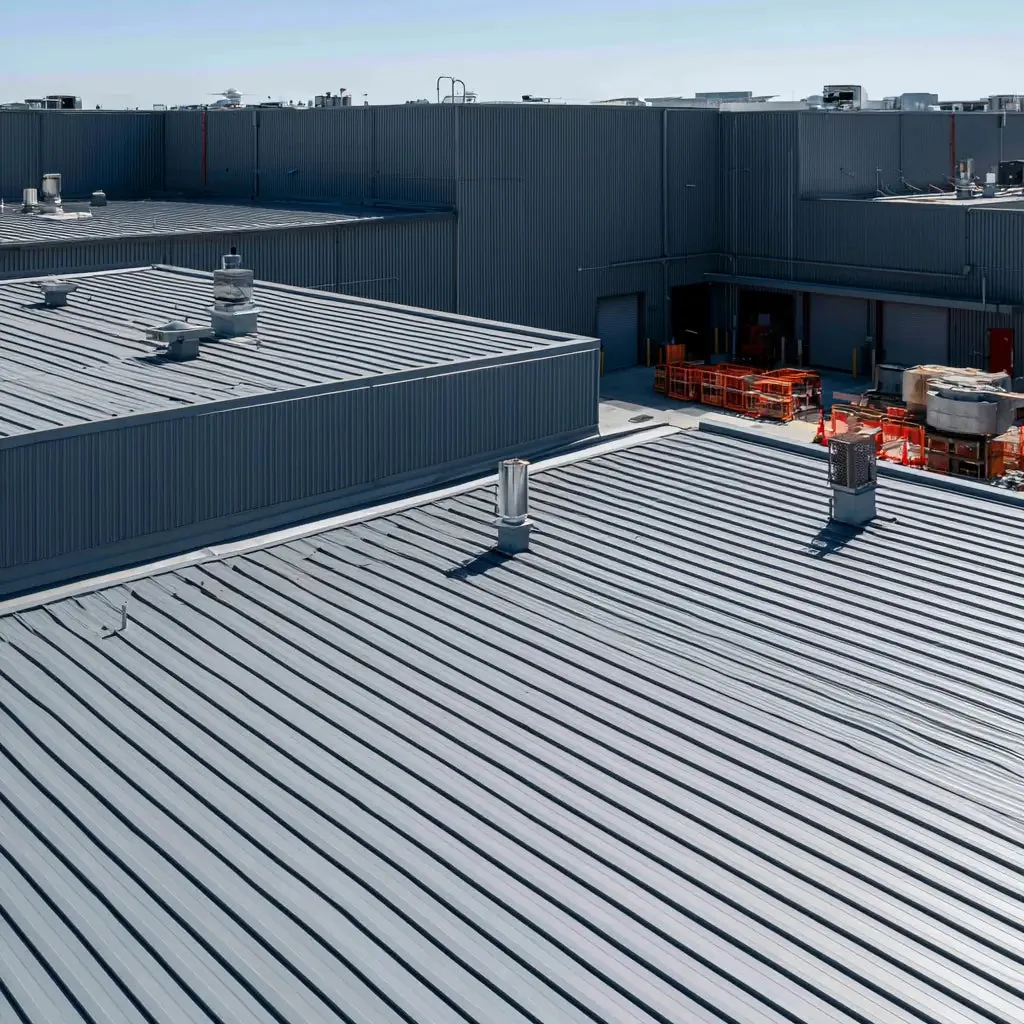
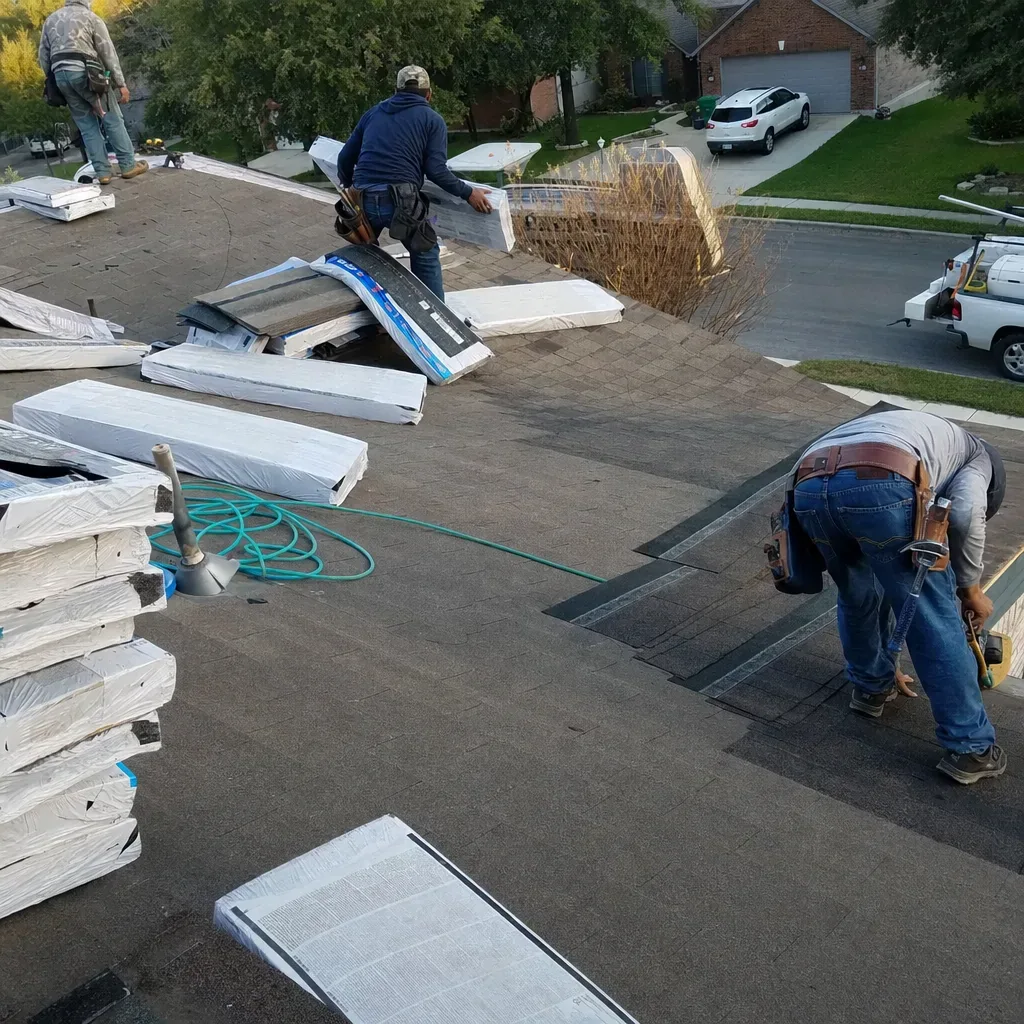
Does the failure stop at the flashing edge?
A curb repair may remain local if the adjacent membrane, insulation and attachment are sound. Water staining around several curbs or repeated failures at a parapet can point to a broader transition or drainage issue. We compare roof history, material changes and test results, then map each repair boundary. The owner gets a quantity for the confirmed detail and separate notes for any area where more testing is needed.
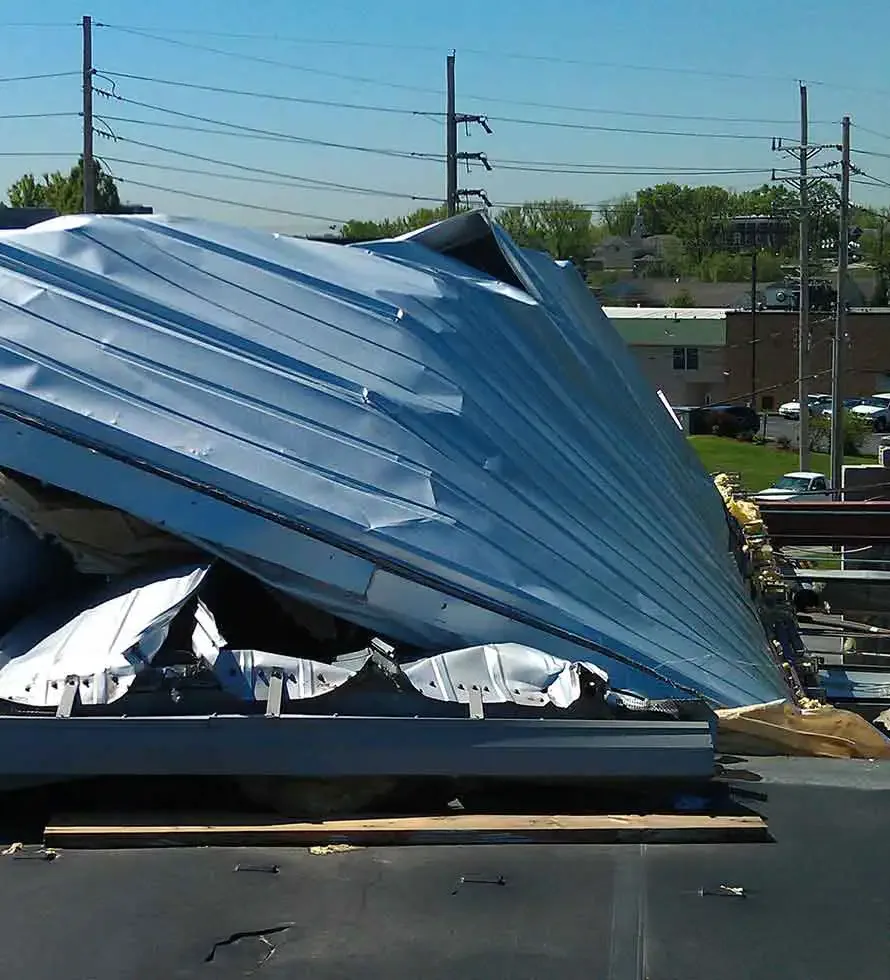
Flashing failure can occur with a seam split or wind-lifted edge, but those are documented as separate conditions. A seam failure review checks membrane laps, while a wind damage inspection records displaced material. coping and edge metal work may be needed at the same transition. The repair method follows the existing system and attachment detail, not a generic sealant application.
What sets the flashing repair quantity?
Cost follows the number and size of failed transitions, access to rooftop equipment, metal fabrication, removal of old repairs and the condition of the substrate. A curb that needs mechanical coordination has different steps from an accessible wall flashing. If tear-back shows wet insulation or a damaged deck, the crew documents the opening and proposed additional work before the owner changes the approved quantity.
Cold can affect membrane preparation and sealant cure, while hot summer conditions and rain narrow available work windows. The schedule identifies the work area and dry-in boundary for each shift. Aurora's repeated freeze-thaw exposure makes complete closure of the flashing detail important; the crew checks the new termination and surrounding membrane before closing its work order. Protection below and lift access are also documented as schedule assumptions.
How should flashing work be documented?
Keep a photograph of the original failure, marked roof location, tested area, material and repair detail, approved quantity and completion date. Record any unit or wall served by the curb and any mechanical handoff. Deferred flashing should have a specific review trigger. If the same ceiling stain returns, staff can check whether water entered at the repaired transition or traveled from another roof section.
Fox Valley Mall is near Route 59 and I-88, while Downtown Aurora has a separate mix of historic commercial and newer properties. These places help orient service calls, not diagnose a flashing detail. A condition report retains findings and images. The Fox Valley Mall district sits along Route 59 near I-88, and Downtown Aurora has historic commercial buildings and adaptive reuse. Those locations orient service calls; the building's roof plan ties the repair quantity to the correct curb or perimeter. We retain the address, roof section and photographs together so a future visit can compare the same transition against the approved repair.
Can failed roof flashing be repaired without replacing the membrane?
Often, when the adjoining membrane and substrate remain sound. We inspect the termination, attachment and nearby seams, then define the repair boundary. If testing shows wet insulation or several failed transitions, the scope may extend beyond the single curb or wall detail.
Is sealant enough to repair a leaking roof curb?
Sealant alone may not restore a failed membrane flashing or loose termination. We inspect the curb, counterflashing, membrane and attachment, then select a repair compatible with the roof system. The report identifies any mechanical access or substrate work needed before the detail can be closed.
Why does flashing fail again after a patch?
The first repair may not have corrected movement, failed attachment, incompatible material or wet substrate around the detail. We compare the old repair with current conditions and inspect nearby seams and drainage. The new scope should identify the underlying cause supported by inspection and keep untested areas separate.
What should be checked after flashing is replaced?
Photograph the completed termination, adjacent membrane and any curb or wall interface. Record materials, approved quantity, test limits and completion date. The closeout should note whether the equipment contractor completed any separate work and identify the next inspection date for that roof section.
Request a Roof Assessment
Send the Aurora building address, roof plan, reported leak area and equipment contact. We can inspect the transition, document tested areas and define an approved flashing repair quantity.
Call 555-555-5555 or send the form and we will set a time to walk the roof.