Commercial Roof Seam Failure Repair in Aurora, IL
Roof Damage Repair
Measure the seam before approving a patch
A water bead following a long membrane lap can point to a seam opening, a nearby penetration or runoff trapped at a roof transition. We inspect the lap and adjoining field, check the drainage path and compare the finding with prior repairs. Aurora averages about 121 days below freezing each year, so water at a separated seam can freeze and expand. The report identifies confirmed separation and keeps suspected moisture outside the repair quantity until tested.
Aurora's low-slope commercial buildings serve industrial and retail areas connected by US 30, Route 59 and I-88. Different roof assemblies may meet across one property, and a seam repair has to match the membrane and attachment on site. We document the section, seam length, nearby details and test limits so a facility manager can decide whether the failure is local or repeated across the field.
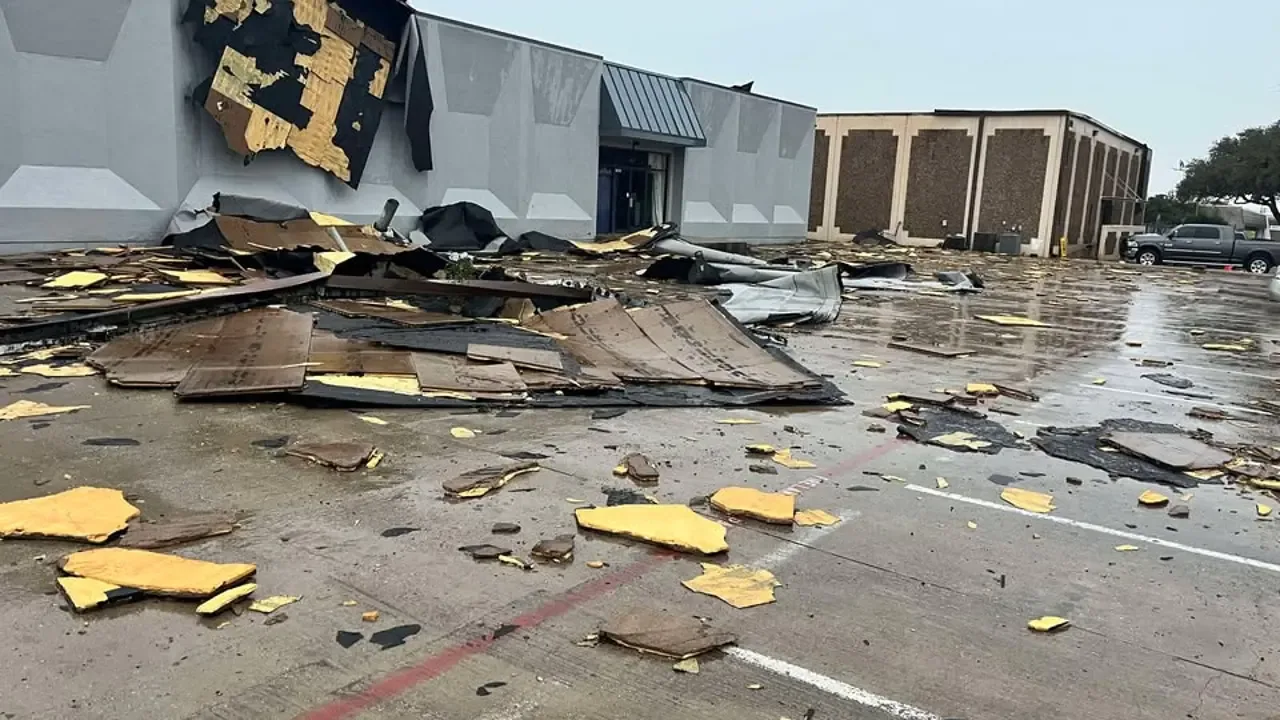
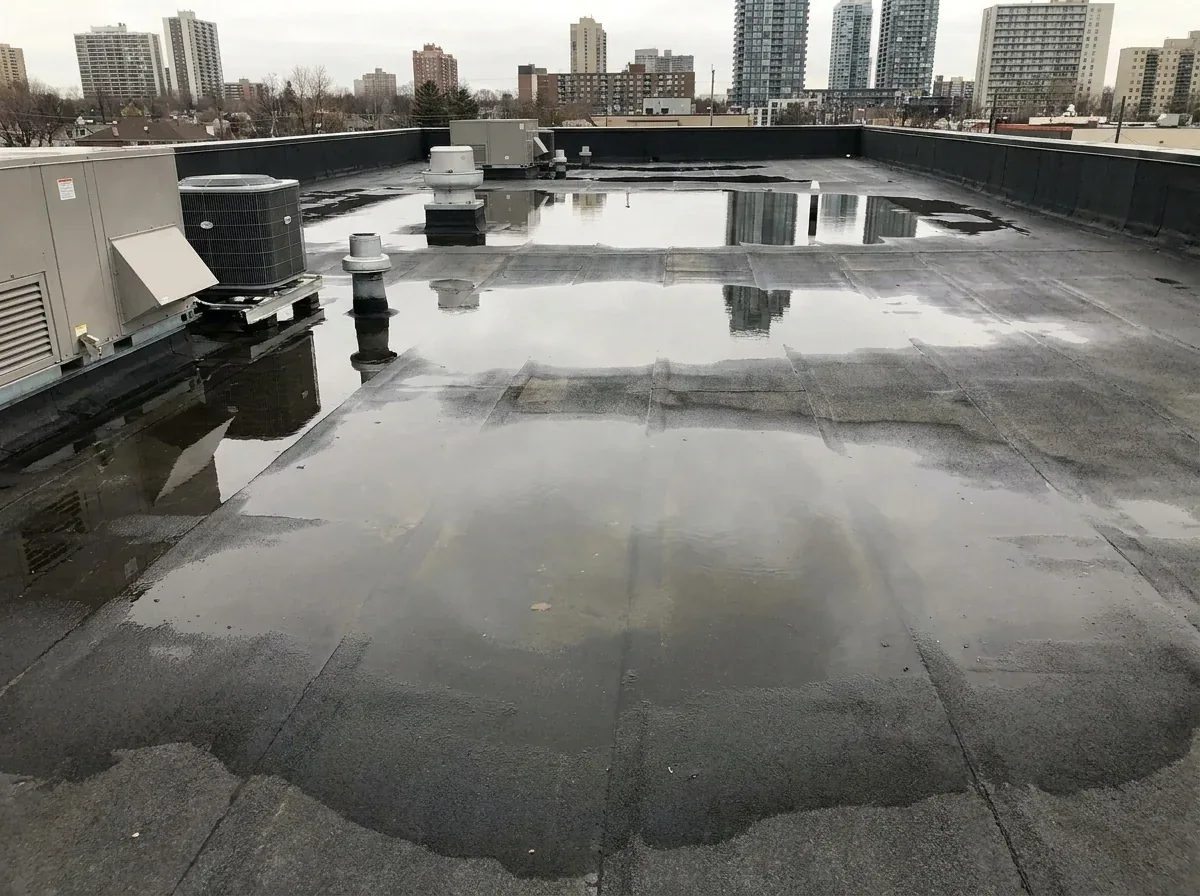
Is the membrane lap open or wet beneath?
We inspect the seam edge for separation, poor weld or adhesion, wrinkles, contamination, patch layering and movement at nearby details. The surface may look closed while a short section has lost bond, so we check the full reported length and transitions at curbs, drains and changes in substrate. Photographs show the lap and nearby conditions. The interior report is linked to the likely roof path, not treated as proof of the seam's full extent.
Water can travel under membrane or through insulation before showing indoors. Infrared readings can guide sample points when moisture is suspected, but each core test confirms only the area opened. We mark testing boundaries and distinguish them from visible seam failure. A roof inspection can identify whether there are similar laps nearby and whether a repair, additional sample or replacement review is appropriate.
What makes a seam repair hold?
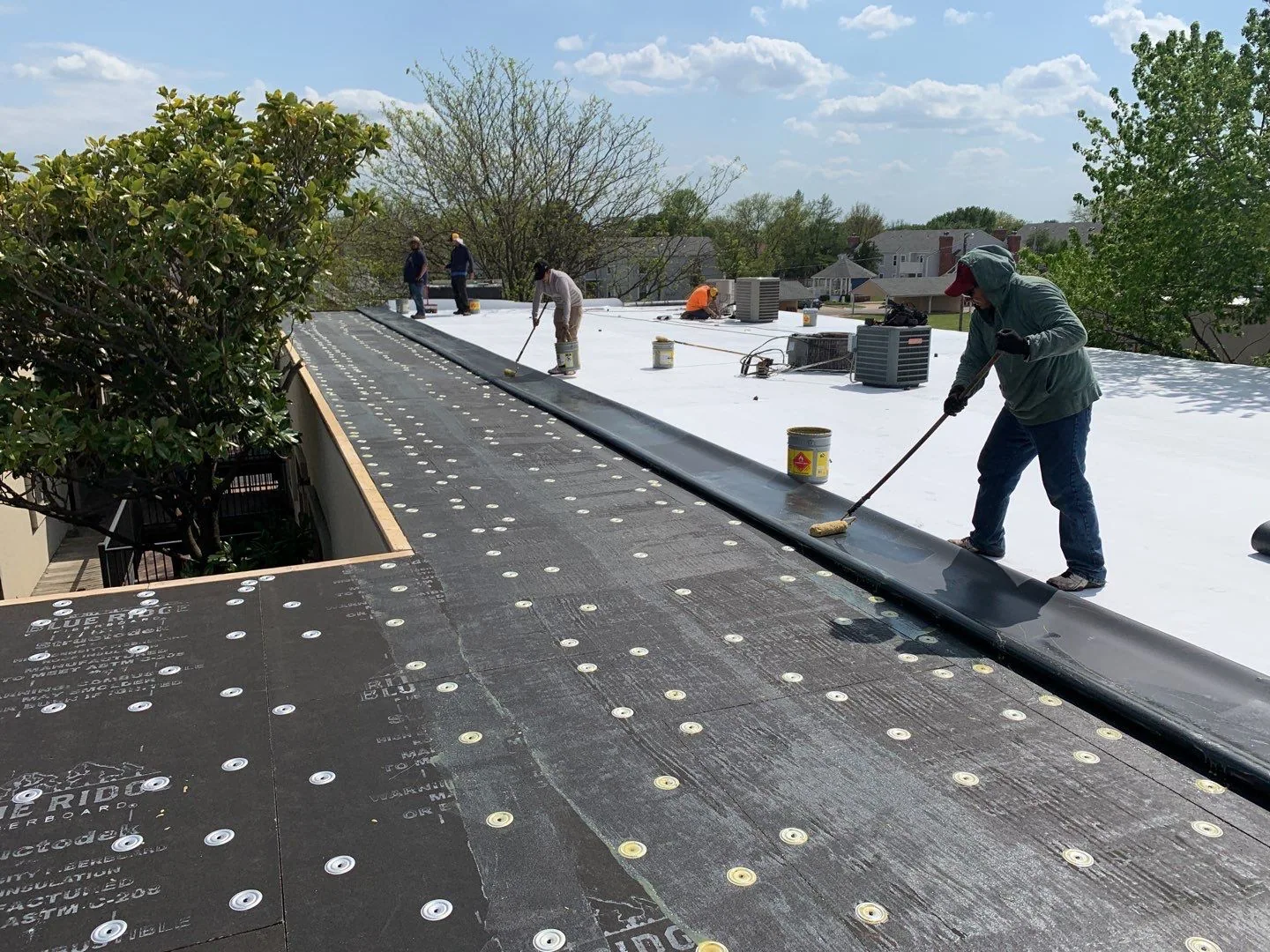
The repair begins with cleaning and preparing a sound surface, then using a method compatible with the roof membrane and seam type. A patch needs adequate overlap beyond the failed area and a properly finished edge. If the existing membrane has multiple repairs or contaminants, preparation may require removal to a stable layer. We record material, repair length and adjacent details so closeout reflects the work completed rather than only the original leak location. For a heat-welded membrane, the prepared lap must be compatible with the welding method; for an adhered system, the repair needs suitable bonding conditions. The inspection notes the system before the crew selects its detail.
A seam near a curb or edge may need flashing work as well as field repair. Movement, wet insulation or poor attachment can prevent a surface patch from addressing the cause. We check the substrate and fastening pattern before expanding the scope. A commercial roof repair identifies the approved quantity, while a claim documentation review can organize photos and inspection notes when the repair follows a covered event under the owner's policy process.
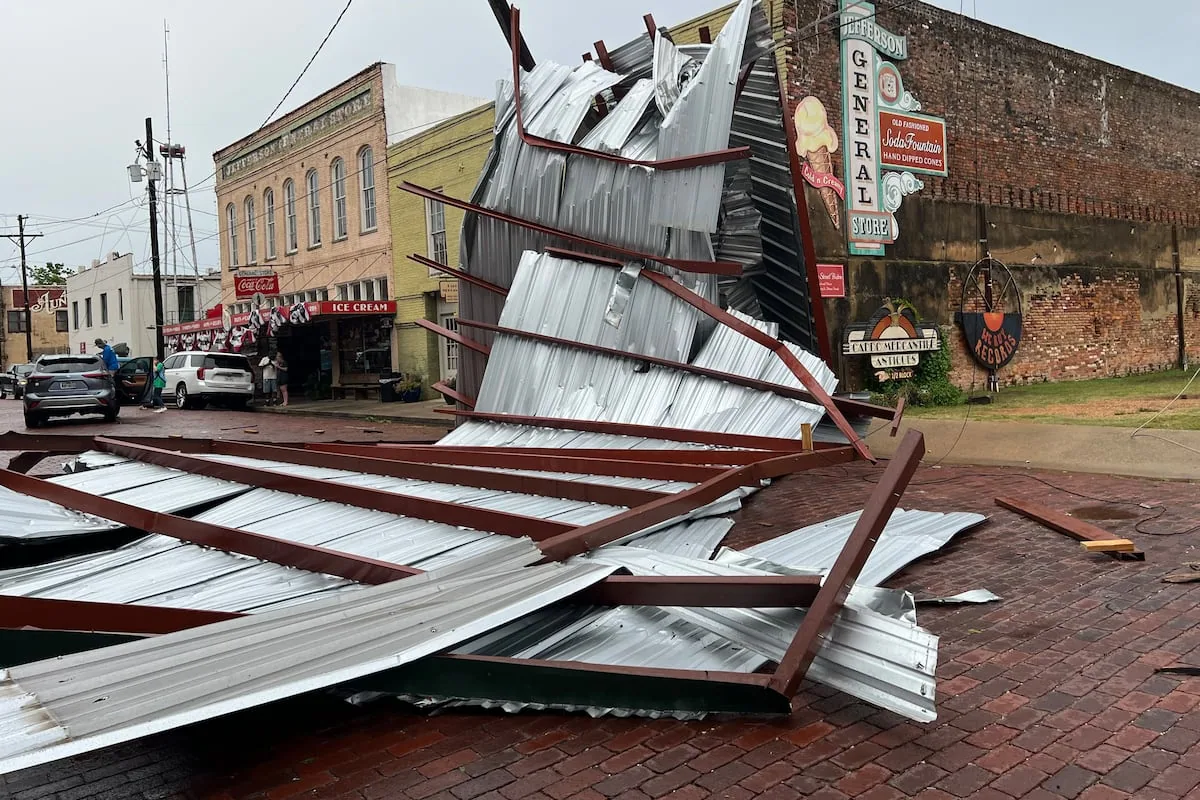
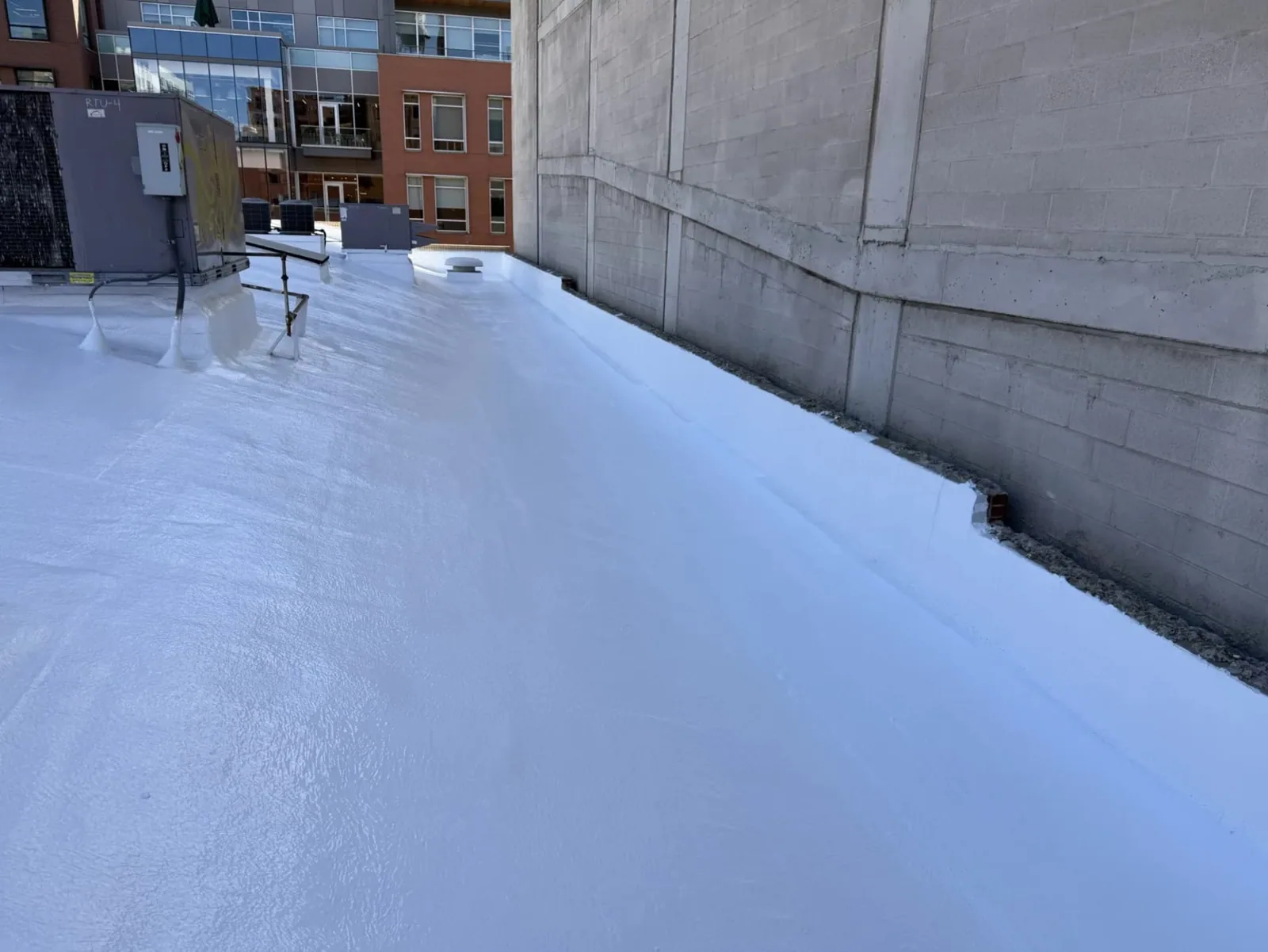
When does seam repair point to replacement?
A short opening may be repaired locally where nearby membrane remains flexible, well attached and dry. Multiple failures along adjacent laps, recurring repairs or confirmed wet insulation can support broader replacement planning. We map failed seam lengths and compare them with test results and repair history. A condition band explains which sections can remain in service and which need more investigation before a budget is set.
Wind may lift a seam edge, while foot traffic or equipment work can puncture nearby material. A wind damage survey documents displacement and a puncture inspection checks localized impact. Ponding can keep water over a seam longer than planned, so drainage and ponding review may be part of the same visit. Each cause remains separately documented.
What changes seam repair cost and timing?
Cost depends on failed seam length, membrane type, roof access, surface preparation, patch width and whether testing or tear-back is needed. Existing repairs can require removal to a compatible layer before new material is installed. A seam at a roof edge or curb may add metal or flashing work. The estimate states confirmed quantities and identifies concealed insulation or deck conditions that could change the scope after opening.
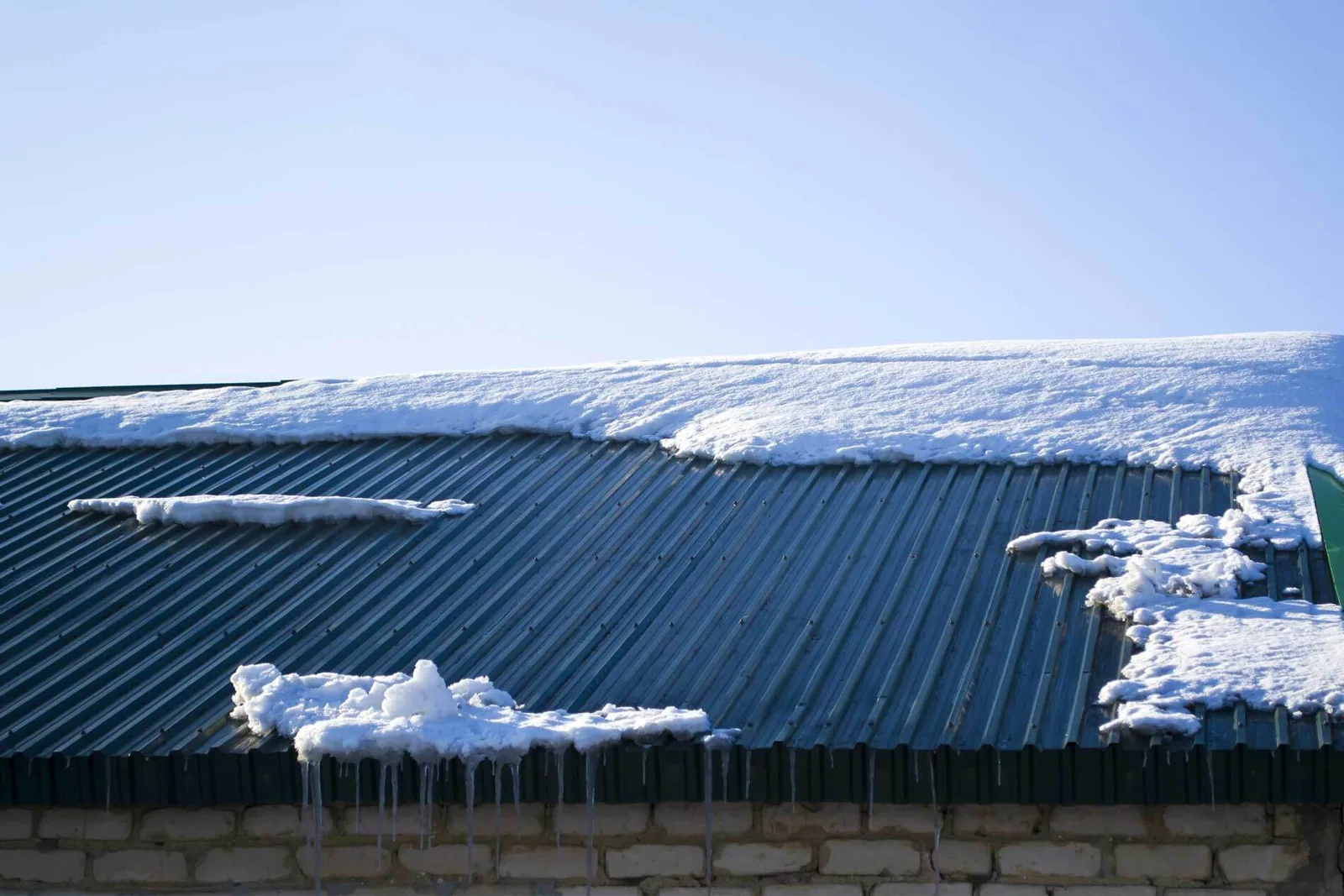
Aurora receives about 37.7 inches of precipitation each year and has repeated freeze-thaw exposure. Surface moisture and low temperatures can limit preparation and adhesion; high summer heat can change working hours. We select a season window that fits the material requirements and facility access. Each work shift ends with a secure tie-in and photographs of completed laps, while emergency response can control active water entry at any hour.
How should seam repairs be tracked?
Mark the seam location and repaired length on the roof plan, then keep dated closeout photos, material, preparation notes, test boundary, approved quantity and follow-up date. If the lap separates again, the record can show whether it is the same section or an adjacent seam. Note any moisture test and the area it covered. Do not let a repair invoice replace the roof map or its condition history.
Fox Valley Mall is near Route 59 and I-88, while the Sugar Grove industrial area lies west of Aurora Municipal Airport near US 30. Those locations can orient service travel across retail and industrial sites, but seam condition is determined at the building. A condition report retains findings by section. The Route 59 corridor and Sugar Grove industrial area can label a service record; the next inspection should compare the same seam and adjoining details.
Can a split membrane seam be patched from the surface?
Sometimes. We check whether the lap is clean, attached and dry, and whether the repair can extend onto sound membrane. Contamination, multiple old patches or moisture below may require additional preparation or testing. The approved repair boundary is based on the full seam condition, not only the visible drip point.
How do you know whether one failed seam represents a larger problem?
We inspect nearby laps, transitions and prior repair areas, then map their condition separately. Infrared patterns can guide core samples if moisture is suspected. Repeated seam separation or confirmed wet areas may support a broader review, but one opening does not establish failure across an entire roof field.
Can seam repairs be completed in cold weather?
The material and substrate conditions set whether a permanent repair can be installed. We check surface temperature, moisture and product requirements before scheduling. Emergency protection is available around the clock, while a lasting repair is completed when the seam can be prepared and closed correctly.
What should be photographed after seam repair?
Photograph the repaired length, overlap, termination and adjacent roof details, and identify each image on the roof plan. Record product, preparation, approved quantity and date. If testing occurred, include sample locations and the tested boundary so the next inspection can compare the same section.
Request a Roof Assessment
Share the Aurora building address, roof plan, leak report and prior repair notes. We can inspect the lap, test suspected moisture and document the approved seam repair by section.
Call 555-555-5555 or send the form and we will set a time to walk the roof.